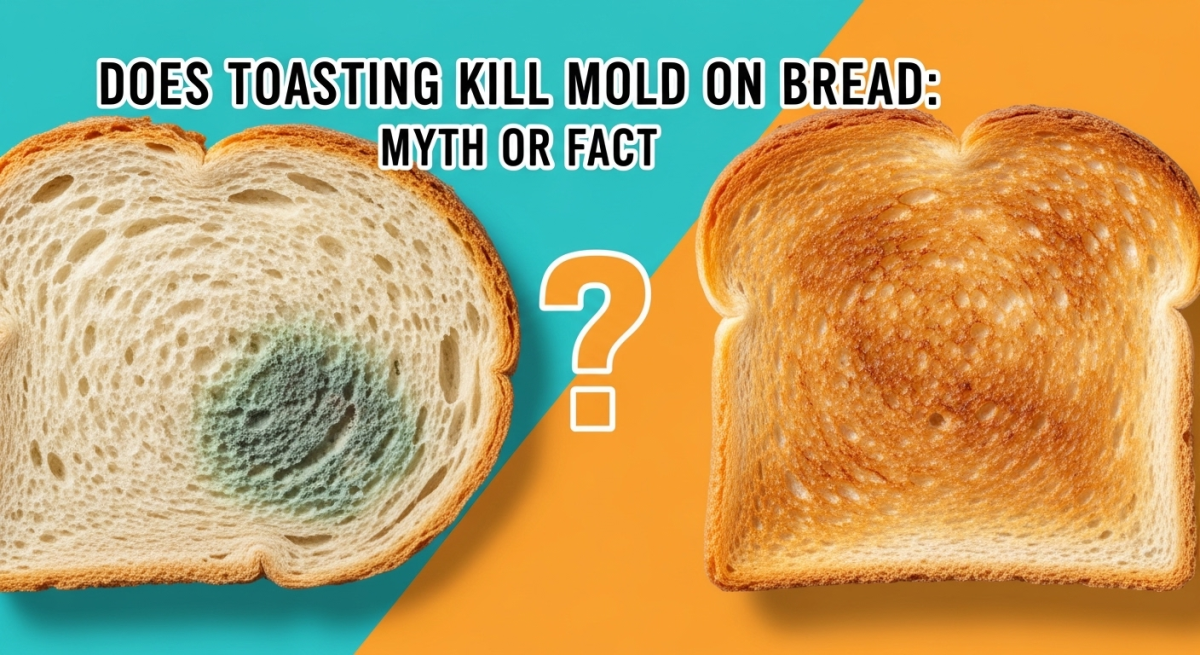
Does Toasting Kill Mold on Bread: Myth or Fact
Have you ever spotted mold on your bread and wondered if toasting it would make it safe to eat? You’re not alone.
It’s a common question that many people ask when they find those fuzzy spots on their favorite loaf. Before you pop that slice into the toaster, you need to know if heat can actually kill the mold or if you’re putting your health at risk.
Keep reading to discover the surprising truth about mold on bread and what you should really do when you see it. Your safety and peace of mind depend on it.
How Mold Grows On Bread
Mold on bread is more than just an unpleasant sight—it’s a sign of tiny organisms thriving right on your food. Understanding how mold grows on bread helps you see why simply toasting might not be enough to make it safe. Mold spores are everywhere, and bread offers a perfect playground for them under the right conditions.
Common Types Of Bread Mold
Several types of mold frequently appear on bread. Rhizopus stolonifer, often called black bread mold, is one of the most common. It spreads quickly and forms fuzzy black or gray patches.
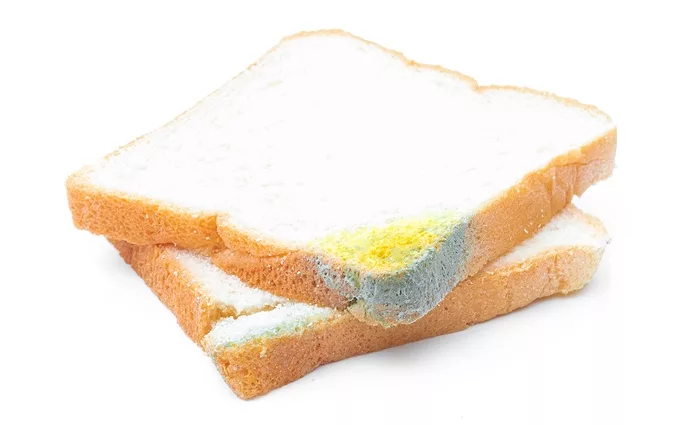
Another type is Penicillium, which can look blue or green. This mold sometimes produces toxins harmful to your health. You might also encounter Aspergillus, which can appear yellow or green and may cause allergic reactions.
- Rhizopus stolonifer:Black or gray fuzzy patches
- Penicillium:Blue or green, potentially toxic
- Aspergillus:Yellow or green, allergenic
Conditions Favoring Mold Growth
Mold needs the right conditions to grow on bread. Warmth and moisture are key factors. If you leave bread in a humid kitchen or a sealed plastic bag without refrigeration, mold can take hold within days.
Your bread’s ingredients also matter. Bread with preservatives resists mold longer, but homemade or organic bread spoils faster. Think about how often you find mold on fresh bakery bread compared to packaged commercial bread.
- Warm temperatures between 77°F and 86°F (25°C to 30°C) speed up growth
- Moisture from humidity or condensation provides the perfect environment
- Oxygen presence allows mold spores to activate
- Absence of preservatives makes bread more vulnerable
Have you ever noticed mold appearing just a day after leaving bread out? That’s mold seizing the perfect chance to multiply. Knowing these conditions can help you store bread better and avoid mold before it even starts.
Effects Of Toasting On Mold
Toasting bread is a common way to freshen up slightly stale slices, but what happens when the bread has mold on it? Many people wonder if the heat from toasting can actually kill mold spores and make the bread safe to eat. Understanding the effects of toasting on mold can help you make safer choices in the kitchen.
Temperature Needed To Kill Mold
Mold spores are surprisingly tough and require high temperatures to be killed. Most molds start dying at around 140°F (60°C), but some spores can survive even higher temperatures. To completely eliminate mold, temperatures need to reach around 160°F to 180°F (71°C to 82°C)for several minutes.
This is important because mold often penetrates deep into the bread, not just on the surface. So even if the surface feels hot enough, the inner parts might still harbor living mold. Have you ever noticed mold spots that seem to grow beneath the surface? That’s why heat must reach all layers to be effective.
Typical Toaster Heat Levels
Most home toasters operate at temperatures between 300°F to 500°F (149°C to 260°C)for a short duration, usually 2 to 5 minutes. This might sound enough to kill mold, but the actual heat penetration into the bread is limited.
Toasting quickly browns the outside, creating a crispy layer, but the inside remains relatively cool. This means while the surface mold might be killed, mold inside the bread can survive. Toasting also doesn’t remove the toxins some molds produce, which can be harmful.
- Toasting time: typically 2-5 minutes
- Surface temperature: up to 500°F (260°C)
- Internal bread temperature: often much lower
So, relying on toasting to make moldy bread safe is risky. Would you want to eat something that might still carry mold toxins just because it looks toasted? It’s safer to discard moldy bread and choose fresh slices instead.
Health Risks Of Eating Moldy Bread
Eating moldy bread can cause serious health problems. Mold looks harmless but can trigger allergic reactions. It also produces toxins that harm the body. Knowing the risks helps you avoid illness and stay safe.
Potential Allergic Reactions
Mold spores can cause strong allergic responses. Symptoms include sneezing, coughing, and itchy eyes. Some people may develop skin rashes or asthma attacks. These reactions can be mild or severe.
People with weak immune systems or allergies are at higher risk. Even small amounts of mold can trigger symptoms. Avoiding moldy bread is the safest choice to prevent allergies.
Mycotoxins And Their Impact
Mold on bread may produce harmful chemicals called mycotoxins. These toxins can cause nausea, vomiting, and stomach pain. Long-term exposure can damage the liver and kidneys.
Mycotoxins resist heat, so toasting does not destroy them. Eating moldy bread risks serious health problems beyond allergies. Always discard bread with visible mold to stay healthy.

Credit: www.youtube.com
Why Toasting May Not Make Mold Safe
Toasting bread might seem like a quick fix to kill mold. The heat can kill some mold spores on the surface. Still, toasting does not make moldy bread safe to eat. Mold can grow deep inside the bread, beyond the heat’s reach. Also, some harmful substances made by mold do not break down with heat.
Mold Root Penetration In Bread
Mold grows roots called hyphae inside bread. These roots spread deep beyond the visible mold. Toasting heats only the surface and outer layers. The heat may not reach these deep roots. So, mold can stay alive inside the bread. Eating bread with mold roots can cause health problems.
Toxins Remaining After Toasting
Mold produces toxins called mycotoxins. These toxins can be harmful to humans. Heat from toasting does not destroy all mycotoxins. Even dead mold can leave toxins behind. These toxins can cause allergic reactions or illness. Throwing out moldy bread is safer than toasting it.
Safe Practices For Moldy Bread
Handling moldy bread safely protects your health. Mold can cause allergic reactions and respiratory issues. Toasting bread does not remove all mold or its toxins. Proper disposal and prevention are key to avoiding health risks. Follow safe practices to keep your kitchen mold-free and your food safe.
When To Discard Bread
Throw away bread with visible mold spots. Mold can grow deeper than the surface. Eating moldy bread may cause stomach upset or allergies. Avoid cutting off moldy parts and eating the rest. Bread that smells sour or looks unusual should be discarded. Check the expiration date and smell bread before use.
Preventing Mold Growth At Home
Store bread properly to slow mold growth. Keep bread in a cool, dry place or the refrigerator. Use airtight containers or bread boxes to reduce moisture. Freeze bread if you won’t eat it soon. Clean your storage areas regularly to prevent mold spores. Buy bread in small amounts to avoid leftovers. Check bread daily to spot mold early.
Credit: www.food-safety.com
Alternatives To Toasting Moldy Bread
Toasting moldy bread does not make it safe to eat. Mold produces toxins that heat cannot destroy. Instead, choosing safer alternatives protects your health. Fresh bread and proper storage help avoid mold growth and keep bread tasty longer.
Using Fresh Bread
Always choose fresh bread to prevent mold problems. Fresh bread tastes better and is safer to eat. Check the expiration date before buying bread. Store bread in a clean, dry place. Use bread within a few days of opening the package. Freeze extra bread to keep it fresh longer. Thaw frozen bread at room temperature for best results.
Proper Storage Techniques
Store bread correctly to slow mold growth. Keep bread in a cool, dry area away from sunlight. Use airtight containers or bags to keep moisture out. Avoid storing bread in the refrigerator, which can dry it out quickly. Instead, freeze bread if you do not plan to eat it soon. Regularly check bread for any signs of mold. Discard bread immediately if mold appears to avoid health risks.

Credit: www.reddit.com
Frequently Asked Questions
Does Toasting Bread Kill Mold Spores?
Toasting bread does not kill all mold spores. Heat may reduce some spores, but toxins remain. Moldy bread should be discarded to avoid health risks.
Can Eating Toasted Moldy Bread Be Harmful?
Yes, eating toasted moldy bread can cause allergic reactions or illness. Mold produces harmful mycotoxins that heat doesn’t destroy. Avoid consuming any bread with visible mold.
How To Safely Handle Moldy Bread?
Discard moldy bread immediately in a sealed bag. Avoid smelling or touching mold directly. Clean storage areas to prevent future mold growth and contamination.
Is It Safe To Cut Mold Off Bread And Toast?
No, cutting mold off bread is unsafe. Mold roots penetrate deeper than visible spots. Toasting won’t remove mold toxins, so discard the entire loaf for safety.
Conclusion
Toasting does not kill mold on bread completely. Mold can produce toxins that heat cannot remove. Eating moldy bread can cause health problems. It is safer to throw moldy bread away. Always check bread before eating or toasting. Fresh bread is the best choice for health.
Better safe than sorry. Keep your food clean and healthy.

Home Improvement Expert & Senior Writer at HomeFixio
Eliot Granger is a seasoned home improvement expert with years of experience transforming living spaces. Specializing in everything from kitchen renovations to bathroom upgrades, Eliot shares his knowledge through practical, insightful articles. His passion for creating functional, beautiful homes drives him to offer expert tips and solutions for every corner of your house. As a trusted writer for HomeFixio, Eliot is dedicated to helping homeowners make informed decisions and achieve precision in their projects.