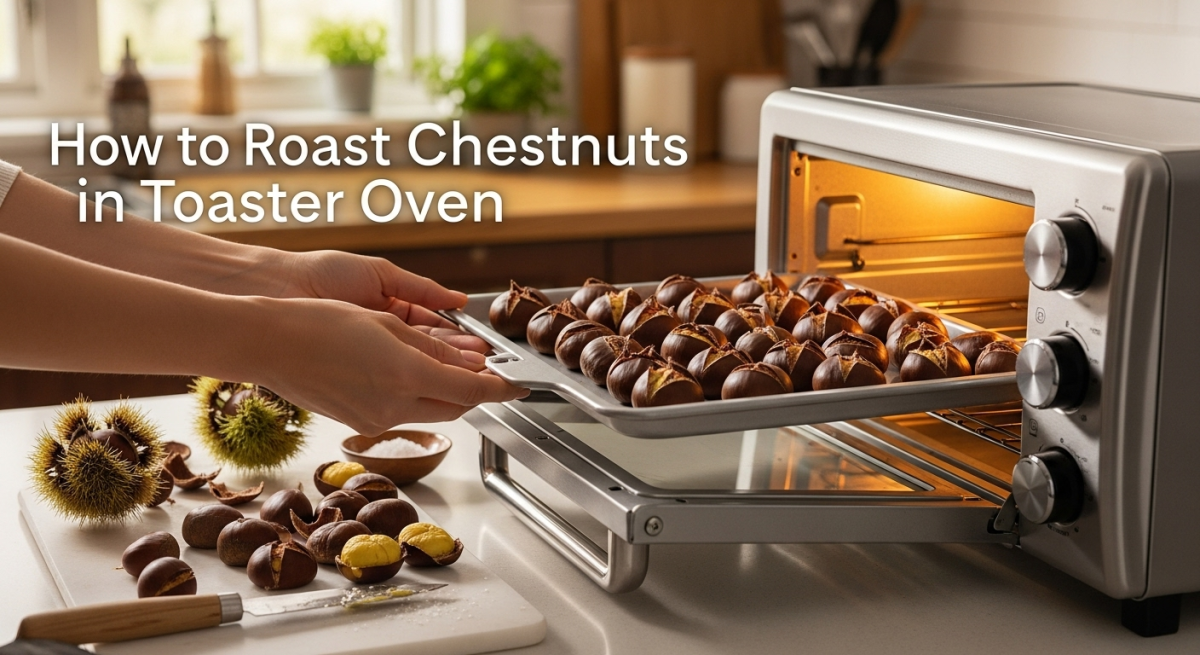
How to Roast Chestnuts in Toaster Oven: Easy Guide
There’s something magical about the smell of roasted chestnuts filling your kitchen. If you’ve ever wanted to enjoy this warm, nutty treat but don’t have a fireplace or a big oven, you’re in luck.
Roasting chestnuts in your toaster oven is simple, quick, and perfect for cozy moments. In this guide, you’ll learn easy steps to get perfectly roasted chestnuts with a crispy shell and tender inside. Ready to impress yourself and your guests?
Keep reading to discover how you can make this delicious snack right at home.
Choosing Chestnuts
Choosing the right chestnuts is the first step toward a delicious roast. Fresh chestnuts have a sweet flavor and a soft texture after roasting. Picking good chestnuts ensures a better taste and easier peeling.
Selecting Fresh Chestnuts
Pick chestnuts that feel firm and heavy for their size. Avoid those with cracks, holes, or mold spots. Fresh chestnuts have a shiny, smooth shell without wrinkles. Test by shaking the chestnut; no rattling means freshness.
Preparing Chestnuts For Roasting
Wash chestnuts under cold water to remove dirt. Dry them with a clean towel. Use a sharp knife to cut an “X” on the flat side of each chestnut. This helps steam escape during roasting and makes peeling easier.

Credit: food52.com
Setting Up The Toaster Oven
Setting up your toaster oven correctly is key to roasting chestnuts that come out perfectly tender and flavorful. Before you start, take a moment to prepare the oven so it heats evenly and the chestnuts roast without burning or drying out. Small adjustments here can make a big difference in the texture and taste of your chestnuts.
Adjusting Temperature And Time
Chestnuts roast best at a moderate temperature, usually around 375°F (190°C). Too hot, and they might burn on the outside while staying raw inside; too low, and the roasting takes forever, risking dryness.
Set your toaster oven timer between 20 to 30 minutes, but keep an eye on them after 15 minutes. Chestnuts vary in size, so test one by peeling it slightly to check softness. If it’s still too firm, continue roasting in 5-minute increments.
Have you noticed how much difference a few minutes can make? Adjusting the time and temperature as you go helps you get that perfect roast every time.
Using The Right Rack Position
Where you place the chestnuts inside the toaster oven impacts how evenly they cook. The middle rack usually works best because it exposes chestnuts to steady heat without burning them.
Placing chestnuts too close to the top heating element risks scorching the shells. Too low, and they might roast too slowly or unevenly. Try positioning the rack in the center and spread the chestnuts out in a single layer for even heat exposure.
Have you ever found some chestnuts cooked while others stayed hard? Moving the rack or shaking the pan halfway through roasting often solves that problem.
Roasting Process
Roasting chestnuts in a toaster oven is a simple yet rewarding process that brings out their sweet, nutty flavor. To get the best results, you need to focus on a few key steps that ensure your chestnuts cook evenly and develop that perfect roast. Understanding the roasting process will help you avoid common pitfalls like undercooked or burnt chestnuts.
Scoring Chestnuts
Before roasting, always score your chestnuts by cutting a small “X” on the flat side of each nut. This step is crucial because it allows steam to escape during roasting, preventing the chestnuts from bursting inside the oven. Use a sharp knife and apply just enough pressure to cut through the shell but not deep into the nut itself.
Have you ever skipped scoring and ended up with a mess? Scoring not only protects your toaster oven but also makes peeling easier once the chestnuts are roasted.
Arranging Chestnuts In The Oven
Place the scored chestnuts in a single layer on your toaster oven’s baking tray. Make sure they are spaced out so hot air can circulate around each nut evenly. Overcrowding the tray leads to uneven cooking, with some chestnuts roasting too fast and others staying raw.
Try to position the chestnuts with the scored side facing up or sideways; this helps the shells open during roasting. You want to check on them halfway through and shake the tray gently to turn the chestnuts for uniform browning.
Roasting Tips For Even Cooking
- Preheat your toaster ovento about 375°F (190°C) before placing the chestnuts inside.
- Roast for 20-25 minutes,adjusting the time depending on the size of the chestnuts and your oven’s strength.
- Shake or stir the chestnutsevery 8-10 minutes to avoid hotspots and ensure even roasting.
- Watch for the shells to peel backand the nuts to turn golden brown—these are signs they’re done.
Do you tend to rush the roasting? Patience pays off here, as giving the chestnuts enough time in the heat results in that tender, creamy texture you’re aiming for. Always let them cool just enough before peeling, or you’ll miss out on their full flavor and easy shell removal.

Credit: sandraseasycooking.com
Checking Doneness
Checking doneness is key to perfectly roasted chestnuts. It helps you avoid undercooked or burnt nuts. Chestnuts need to be soft inside but firm enough to hold shape. Watching for signs of doneness ensures a tasty snack every time.
Signs Chestnuts Are Ready
- The shells will start to peel back slightly.
- The chestnuts feel soft when pressed gently.
- The skin inside separates easily from the nut.
- A sweet, nutty aroma fills the air.
- The outer shell shows a light brown color, not black.
Avoiding Overcooking
- Keep an eye on the toaster oven timer.
- Check the chestnuts every few minutes after 15 minutes.
- Remove chestnuts as soon as shells crack open.
- Overcooked chestnuts become dry and hard.
- Use a fork or skewer to test softness without burning fingers.
Peeling Chestnuts
Peeling chestnuts can be a tricky part of roasting them in a toaster oven. The shells are tough, and the inner skin clings tightly to the nut. If you don’t peel them right, you might end up frustrated or with half-peeled chestnuts that are less enjoyable to eat.
Have you ever struggled to get the skins off without damaging the chestnut? Knowing a few simple tricks can save you time and make your snack more satisfying. Let’s look at the best ways to peel chestnuts efficiently and which tools can make this task easier.
Best Techniques For Easy Peeling
Start by scoring each chestnut with a sharp knife before roasting. Cutting a shallow “X” on the flat side helps steam escape and loosens the shell. After roasting, wrap the hot chestnuts in a clean kitchen towel and squeeze gently to crack the shells further.
Peeling while the chestnuts are still warm is key. The shells and inner skin peel off much easier before they cool down. If you wait too long, the skins stick stubbornly, turning peeling into a chore.
Another tip is to soak the chestnuts in warm water for about 10 minutes after roasting. This softens the inner skin and makes removal smoother. Have you tried peeling chestnuts cold versus warm? You might notice the difference instantly.
Tools That Help Remove Shells
- Chestnut Knife:A small, curved knife designed specifically for scoring and peeling chestnuts. It gives better control and reduces the risk of cutting yourself.
- Nutcracker:Useful for cracking tougher shells but use it carefully to avoid crushing the nut inside.
- Towel or Gloves:Protect your hands from the heat and help grip the slippery shells.
- Peeling Tweezers:Handy for pulling off stubborn skin bits without damaging the chestnut.
Using the right tools can turn peeling from a frustrating task into a smooth, even enjoyable part of your chestnut roasting ritual. What tool do you usually reach for when peeling nuts? Sometimes a small investment in the right gadget makes a big difference.
Serving Ideas
Once you’ve roasted chestnuts in your toaster oven, the next exciting part is figuring out how to serve them. Roasted chestnuts have a warm, nutty flavor that pairs well with simple seasonings or can be added to various dishes to enhance your meal. You might be surprised at how versatile they are, turning from a snack into a key ingredient in your kitchen.
Simple Seasoning Options
Sometimes, all you need is a little sprinkle to bring out the best in roasted chestnuts. Try tossing them with a pinch of sea salt and a dash of black pepper for a quick, savory snack.
If you enjoy a bit of sweetness, dust the chestnuts with cinnamon and a touch of brown sugar. This combo makes a cozy treat perfect for chilly afternoons.
For a more adventurous flavor, add a sprinkle of smoked paprika or chili powder. It adds a subtle kick that transforms roasted chestnuts into a bold, flavorful bite.
Recipes Using Roasted Chestnuts
Have you thought about adding roasted chestnuts to your salads? Chop them up and toss them in with fresh greens, cranberries, and goat cheese for a crunchy, rich texture.
They also work wonderfully in soups. Blend roasted chestnuts into a creamy chestnut soup or add them to vegetable stews to deepen the flavor.
Looking to bake? Mix chopped chestnuts into bread dough or muffin batter for a nutty surprise in every bite. Their natural sweetness and texture make baked goods extra special.
Storage Tips
After roasting chestnuts in your toaster oven, knowing how to store them properly is key to enjoying their fresh, rich flavor later. Chestnuts can lose their texture and taste quickly if not stored the right way. Let’s dive into practical tips that keep your roasted chestnuts delicious for days or even weeks.
Keeping Roasted Chestnuts Fresh
Once your chestnuts have cooled, store them in an airtight container to prevent moisture loss. A glass or plastic container with a tight-fitting lid works well. Avoid leaving them exposed to air, which can dry them out fast.
Place the container in the refrigerator if you plan to eat the chestnuts within a week. This slows down spoilage and keeps the chestnuts soft. Have you noticed how chestnuts can become tough if left at room temperature for too long? Refrigeration helps avoid that.
Freezing And Reheating
If you want to keep chestnuts for longer than a week, freezing is your best bet. Peel the chestnuts before freezing to save time later. Spread them out on a baking sheet first, then transfer to a freezer-safe bag or container once they’re frozen solid.
To reheat, thaw the chestnuts in the fridge overnight. Warm them gently in your toaster oven at a low temperature for about 5-10 minutes. This method refreshes their softness without drying them out.
Have you tried freezing roasted chestnuts before? It’s a game changer for enjoying that cozy, nutty flavor whenever you want. What’s your go-to way to reheat them?

Credit: drivemehungry.com
Frequently Asked Questions
How Do You Prepare Chestnuts For Roasting?
To prepare chestnuts, rinse them thoroughly. Cut an “X” on the flat side to prevent bursting. This helps steam escape during roasting.
What Temperature Is Best For Roasting Chestnuts?
Set your toaster oven to 425°F (220°C). This temperature ensures even roasting and a tender, flavorful chestnut inside.
How Long Should Chestnuts Roast In A Toaster Oven?
Roast chestnuts for 15 to 20 minutes. Check them halfway and shake the tray for even cooking.
Can I Roast Chestnuts Without Scoring Them?
Scoring is essential to avoid bursting and to allow steam to escape. Unscored chestnuts may explode and create a mess.
Conclusion
Roasting chestnuts in a toaster oven is easy and fun. Just follow the steps carefully for the best taste. You get warm, tasty chestnuts in minutes. Perfect for a cozy snack or holiday treat. Try different roasting times to find what you like.
Enjoy the sweet, nutty flavor every time. This simple method brings warmth and joy to your kitchen. Give it a go and savor fresh roasted chestnuts today.

Home Improvement Expert & Senior Writer at HomeFixio
Eliot Granger is a seasoned home improvement expert with years of experience transforming living spaces. Specializing in everything from kitchen renovations to bathroom upgrades, Eliot shares his knowledge through practical, insightful articles. His passion for creating functional, beautiful homes drives him to offer expert tips and solutions for every corner of your house. As a trusted writer for HomeFixio, Eliot is dedicated to helping homeowners make informed decisions and achieve precision in their projects.