How to Measure Frying Pan: Ultimate Guide
Have you ever stood in the kitchen, frying pan in hand, and wondered if it’s the right size for your dish? Whether you’re crafting a gourmet meal or just flipping pancakes, knowing how to measure your frying pan can make a world of difference.
It’s not just about fitting your ingredients; it’s about ensuring even cooking and perfect results every time. Imagine the satisfaction of knowing your pan is exactly what you need for your favorite recipes. In this guide, we’ll simplify the process, providing you with clear steps and tips to measure your frying pan accurately.
By the end, you’ll have the confidence to choose and use the perfect pan for any dish. Let’s dive in and transform your cooking experience!
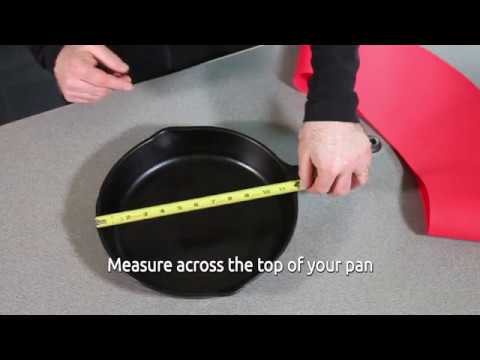
Credit: www.youtube.com
Choosing The Right Frying Pan
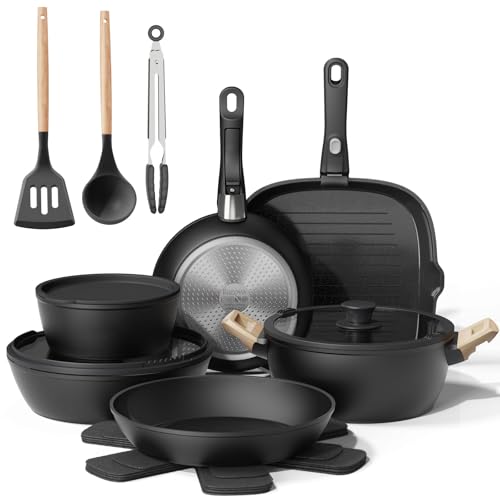
Frying pans come in different materials. Stainless steel is strong and shiny. Cast iron is heavy and keeps heat well. Non-stick pans are easy to clean. Each material cooks food differently. Some are better for high heat. Others work well for low heat. Think about what you cook most. This helps in choosing the right material.
Frying pans come in many sizes. Small pans are good for one or two eggs. Large pans can cook a family meal. The shape matters too. Flat pans are great for pancakes. Rounded pans can be better for stir fry. Pick a size and shape that fits your stove. Make sure it fits your cooking needs too.
Handles can be long or short. Long handles keep hands away from heat. Some handles stay cool during cooking. Look for handles that are easy to grip. Handles should be secure. This keeps the pan from tipping. Safety first! Always choose a pan with a good handle.
Tools For Measuring
A measuring tapeis a handy tool. First, place the pan on a flat surface. Stretch the tape from one side to the other. Make sure it goes across the center. This gives you the pan’s diameter. The diameter tells how wide the pan is. It helps in choosing the right pan for your kitchen.
Digital calipers can measure very precisely. They work well for small pans. Open the calipers and place them on the edge. Gently close them across the pan. Read the display for the measurement. This tool is good for exact measurements. It helps when the size matters a lot.
Steps To Measure Diameter
Place the frying pan on a flat surface. Look for the widest part across the pan. Use a ruler or measuring tape. Place it across this point. Ensure the tape is straight and not bent. Note the number where the tape crosses.
Write down the measurement on paper. Make sure you don’t forget it. Use the measurement for your cooking needs. This helps in picking the right pan size. You can also compare with other pans. Keeping a record is always useful.

Credit: prudentreviews.com
Measuring The Height
The depth of the frying pan matters. Use a ruler to check the depth. Place the ruler from the inside bottom to the top edge. This gives you the depth. Depth affects how much food you can cook. Shallow pans cook less. Deep pans cook more. Knowing the depth helps in cooking.
Measuring height is important. Height tells you how much the pan can hold. Accurate measurements help avoid spills. Overflow can be messy. Right measurements help in perfect cooking. Safety in the kitchen is key. Measure height for safe cooking. Avoid problems by checking height correctly.
Considerations For Non-standard Pans
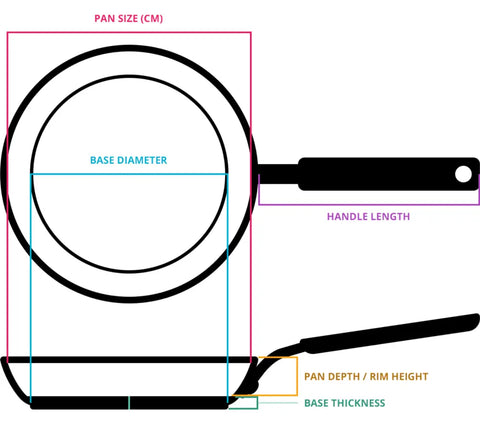
Measuring non-standard frying pans involves checking the diameter across the top. Consider handle length for storage space. Depth matters for cooking capacity.
Irregular Shapes
Some pans have unusual shapes. These shapes are not round or square. Measuring these pans can be tricky. Use a tape measure for better accuracy. Hold the tape measure at the edge. Stretch it to the opposite edge. This gives you the pan’s width. Measure the length similarly. For depth, measure from the top to the bottom.
Specialty Pans And Their Uses
Specialty pans serve unique cooking needs. Think of a wok or a griddle. Woks are for stir-frying. They have high sides and a round bottom. Griddles are flat and wide. Perfect for pancakes and bacon. These pans need careful measurement. Measure width, length, and depth. This ensures proper cooking results.

Credit: www.dimensions.com
Interpreting Measurement Data
Measuring a frying pan is easy. Use a ruler or tape measure. Start from one side, go across the middle. The number you get is the diameter. This tells you how big the pan is. A small pan is around 8 inches. Medium pans are 10 to 12 inches. Large pans are 14 inches or more. Choose a pan size that fits your stove and cooking needs.
Different pans fit different foods. A small pan is good for one egg. A medium pan can cook a few pancakes. A large pan can fry a whole chicken. Compare your pan size with recipes. This helps you cook right. Standard sizes help you know what to expect. It makes cooking easier and more fun.
Common Mistakes To Avoid
People often measure the pan’s outer edge. This is wrong. Measure the cooking surface instead. The cooking surface is the flat part inside. It is where you put food. Do not include the sides of the pan.
Another mistake is ignoring material expansion. Some pans get bigger when hot. This can change the size a little. Measure the pan when it’s cool. This gives a more accurate size.
Always use a measuring tape for accuracy. A ruler may not bend well. Make sure the tape is straight. This helps in getting the correct size.
Care And Maintenance Tips
Keep your frying pan clean for best cooking. Use warm water and mild soap. Avoid harsh cleaners. Scrub gently with a soft sponge. Rinse well with water. Dry with a clean towel. Never leave the pan wet. It can rust or stain. For sticky food, soak in warm water. Gently scrub after soaking. Dry immediately for good care. Follow these steps for a clean pan.
Store pans properly for long use. Keep them dry and cool. Avoid stacking heavy pans. Use pan protectors between pans. Hang pans if possible. Hanging prevents scratches and dents. Store in a cupboard or on a rack. Avoid damp areas. Moisture can damage pans. Proper storage keeps pans lasting long. Good care makes pans last longer.
Frequently Asked Questions
How Do I Measure A Frying Pan Size?
To measure a frying pan, use a ruler or measuring tape. Measure across the top from rim to rim. Avoid measuring the inside or bottom. This ensures you get the accurate diameter, which is the standard size reference for frying pans.
Why Is Frying Pan Size Important?
The size of a frying pan affects cooking efficiency. A pan too small may overcrowd food, causing uneven cooking. A larger pan provides more surface area, ideal for browning. Choosing the right size ensures proper heat distribution and optimal cooking results.
What Is The Standard Frying Pan Size?
The most common frying pan sizes range from 8 to 12 inches in diameter. These sizes are versatile, accommodating various cooking needs. An 8-inch pan is great for small meals, while a 12-inch pan suits larger families. Selecting the right size depends on personal cooking preferences.
Can I Use A Pan Lid For Measurement?
Using a pan lid isn’t recommended for measuring size. Lids often differ in size from the pan. Instead, measure directly across the pan’s top rim. This ensures you have an accurate measurement, avoiding any potential mismatches with lids or other cookware.
Conclusion
Measuring your frying pan helps in choosing the right size. It ensures even cooking and avoids messes. Always check the diameter from rim to rim. Consider the depth for recipes needing more space. Use a ruler or tape for accuracy.
Knowing pan size aids in perfect cooking. It helps store pans efficiently. Keep these tips handy for future reference. Choose your pan wisely based on your needs. Proper measurement saves time and effort. Enjoy cooking with the right tools. Happy cooking!

Home Improvement Expert & Senior Writer at HomeFixio
Eliot Granger is a seasoned home improvement expert with years of experience transforming living spaces. Specializing in everything from kitchen renovations to bathroom upgrades, Eliot shares his knowledge through practical, insightful articles. His passion for creating functional, beautiful homes drives him to offer expert tips and solutions for every corner of your house. As a trusted writer for HomeFixio, Eliot is dedicated to helping homeowners make informed decisions and achieve precision in their projects.