How to Arrange Couch And Loveseat: Expert Styling Tips
Are you tired of feeling like your living room just doesn’t flow? Do you struggle with arranging your couch and loveseat in a way that feels both functional and stylish?
You’re not alone. The layout of your living room can significantly impact how comfortable and inviting your space feels. But don’t worry, there’s a solution. By learning the art of arranging these key pieces of furniture, you can transform your living space into a harmonious haven that reflects your personal style and meets your needs.
Imagine walking into a room where everything feels just right—a place where your friends and family naturally gravitate. Intrigued? Keep reading to discover simple yet effective strategies that will help you make the most of your space and create a living room setup you’ll love.
Credit: thedecorologist.com
Space Assessment
Create a cozy living space by arranging your couch and loveseat thoughtfully. Position them to encourage conversation. Ensure there’s enough space for easy movement and balance in the room.
Arranging your couch and loveseat isn’t just about aesthetics; it’s about creating a space that feels welcoming and functional. Before you start moving furniture around, it’s crucial to assess your space. This step helps you make the most of your living area, ensuring comfort and efficiency.
Measure Your Room
Grab a measuring tape. Knowing the exact dimensions of your room is foundational. It prevents the frustration of realizing that your chosen layout won’t fit. Consider doorways and windows. Will your couch block a pathway or a beautiful view? Keep these aspects in mind while measuring.
Identify The Focal Point
Every room has a natural focal point. It might be a fireplace, a TV, or even a large window with a view. Arrange your couch and loveseat to highlight this feature. If the room lacks a clear focal point, you can create one. Use a piece of artwork or a unique coffee table as a centerpiece.
Understand Traffic Flow
Think about how people move through your space. You want to avoid creating a maze that guests have to navigate around. Place furniture in a way that allows easy passage. This ensures that the room feels open and welcoming, rather than cramped and cluttered.
Evaluate Lighting
Lighting can transform a room. Consider how natural and artificial light sources affect your space. Position your couch and loveseat to take advantage of natural light. But be cautious—too much sunlight can fade fabrics over time.
Consider Existing Furniture
Look at what you already have in the room. Is there a coffee table or a bookshelf that needs to be part of the layout? Integrate these pieces smoothly. You don’t want your couch and loveseat to feel like they belong in a different room altogether.
Think About Functionality
Ask yourself what you use the room for. Is it for watching TV, entertaining guests, or perhaps reading? This will guide your arrangement. For example, if you love hosting, make sure there’s enough seating for everyone.
Account For Personal Style
Your living space should reflect your personality. Do you prefer a cozy, intimate setting or a more open, airy feel? Align the arrangement with your taste. After all, you’ll spend a lot of time here, so make it a space you love. By thoughtfully assessing your space, you can arrange your couch and loveseat in a way that maximizes both style and comfort. What insights have you gained about your living area that could transform your furniture arrangement?
Finding The Focal Point
Arranging a couch and loveseat involves finding the focal point to anchor the room’s design. Position the couch facing the main feature, like a fireplace or TV, and place the loveseat at an angle for balance. This setup enhances flow and creates a cozy conversation area.
When arranging your couch and loveseat, identifying the focal point of your living room is essential. The focal point serves as the anchor for your seating arrangement, guiding the eye and creating a sense of harmony. Whether it’s a fireplace, a large window with a stunning view, or an entertainment center, recognizing this element can transform your space.
What Is A Focal Point?
A focal point is the centerpiece of a room that naturally draws attention. It’s the area that your eyes are drawn to when you first enter the room. Think about what you want to highlight in your living room. Is it a beautiful piece of art, or maybe a television for movie nights?
How To Identify Your Room’s Focal Point
Stand at the entrance of your living room and take a moment to observe. Notice where your eyes naturally gravitate. Is it the warmth of a fireplace or the captivating view outside your window? Recognizing this will help you decide where to place your couch and loveseat.
Aligning Furniture With The Focal Point
Once you’ve identified your focal point, position your couch and loveseat to complement it. For instance, if you have a fireplace, place the couch opposite it with the loveseat adjacent to create a cozy conversation area. This arrangement not only maximizes the focal point but also encourages interaction.
Avoiding Common Mistakes
Don’t let your furniture block the view of your focal point. Ensure there’s enough space for movement and that nothing obstructs the line of sight. For example, avoid placing a tall bookshelf between the couch and the focal point, as this can disrupt the room’s flow.
Enhancing The Focal Point
Consider adding elements that enhance your focal point. If it’s a fireplace, use decorative items like a mantle clock or candle holders to accentuate its charm. For a window view, light, airy curtains can highlight the natural light and scenery.
Personal Experience: Discovering My Focal Point
I once struggled with arranging my living room until I realized the large bay window was my focal point. By placing my couch facing it, I not only enjoyed the view but also created a relaxing space for guests. This experience taught me the power of a well-chosen focal point in achieving balance. Have you identified your living room’s focal point yet? How did it change the way you arrange your furniture? Share your thoughts and experiences below!
Balancing Proportions
Arranging a couch and loveseat requires a keen eye for balance. The furniture should complement each other and the room. Thoughtful placement creates harmony.
Proper proportions make the space feel inviting. It gives a sense of order and peace. This guide explores how to achieve this balance in your living room.
Consider Room Size
First, assess the size of your room. A large room allows more freedom. Smaller rooms need careful planning.
In a small space, avoid overcrowding. Choose a couch and loveseat that fit comfortably. This prevents a cramped feeling.
Measure Your Furniture
Measure both pieces before arranging them. Knowing the dimensions helps in planning. Ensure neither piece overwhelms the space.
Balance is key. A massive couch and tiny loveseat can look awkward. Keep proportions in check for visual appeal.
Placement Strategy
Decide on a focal point. It could be a fireplace or a television. Arrange your couch and loveseat around this point.
Place them at angles for a dynamic look. This creates a conversation-friendly environment. It also enhances flow in the room.
Spacing Is Essential
Leave space between the furniture and walls. This gives breathing room. It also makes the area feel less cluttered.
Allow enough walking space around them. Comfort and accessibility should be priorities. Avoid tight squeezes and awkward paths.
Balance With Accessories
Use accessories to enhance proportions. Add a rug to anchor the setup. Place a coffee table between them.
Choose pillows and throws for color balance. These small touches bring the room together. They create a cohesive look.
Credit: www.rcwilley.com
Choosing Layout Styles
Arranging your couch and loveseat can transform your living space. The right layout style enhances comfort and visual appeal. Explore different styles to find what fits your home best. Whether you prefer balance or creativity, there’s a style for everyone. Let’s dive into some popular layout styles.
Symmetrical Arrangement
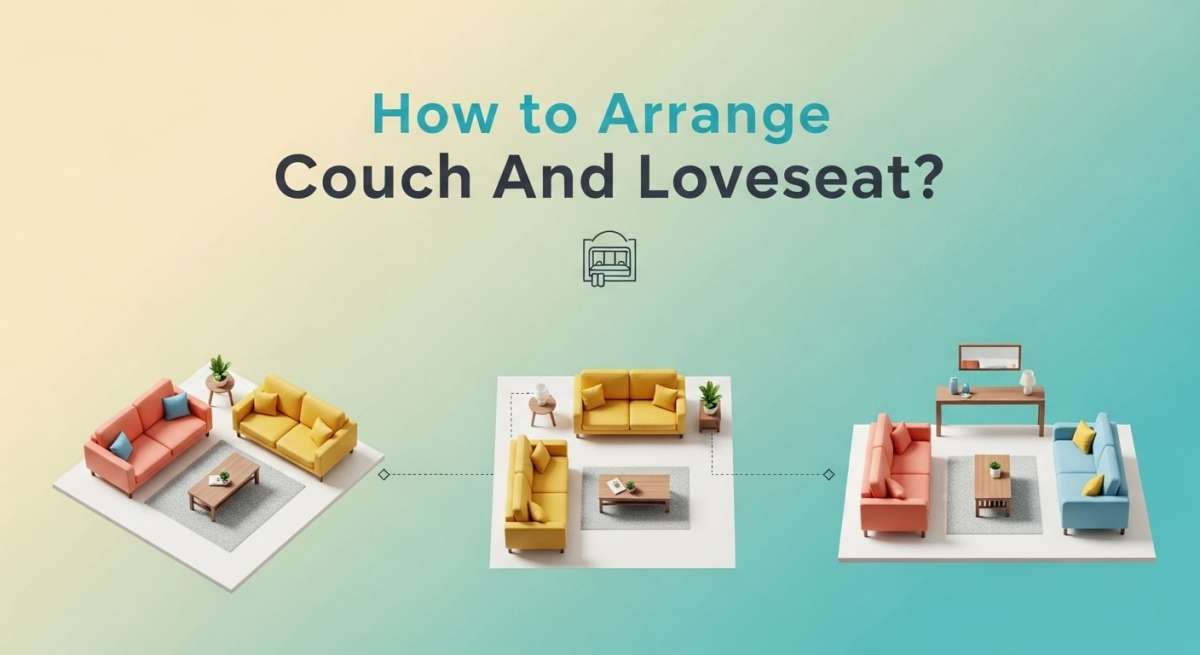
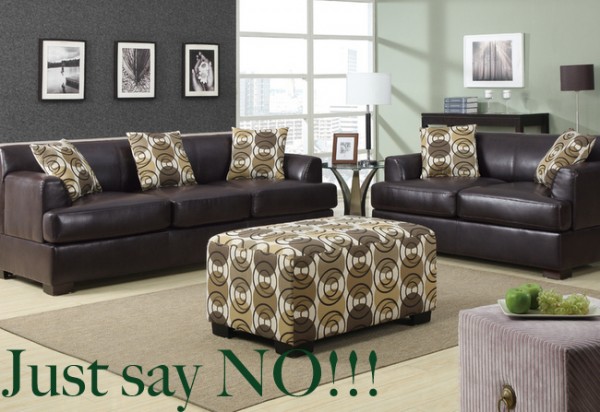
A symmetrical layout offers balance and harmony. Place your couch and loveseat facing each other. This creates a mirror effect. Ideal for formal settings or rooms where balance is key. This arrangement promotes conversation. It works well in larger living rooms. Add a coffee table in the center. It completes the look perfectly.
Asymmetrical Arrangement
Embrace creativity with an asymmetrical layout. Position the couch at an angle. Place the loveseat nearby but not parallel. This style adds visual interest. It suits modern or eclectic spaces. It allows for flexibility in furniture placement. This arrangement can make a room feel more dynamic. Perfect for those who enjoy a casual vibe.
L-shaped Arrangement
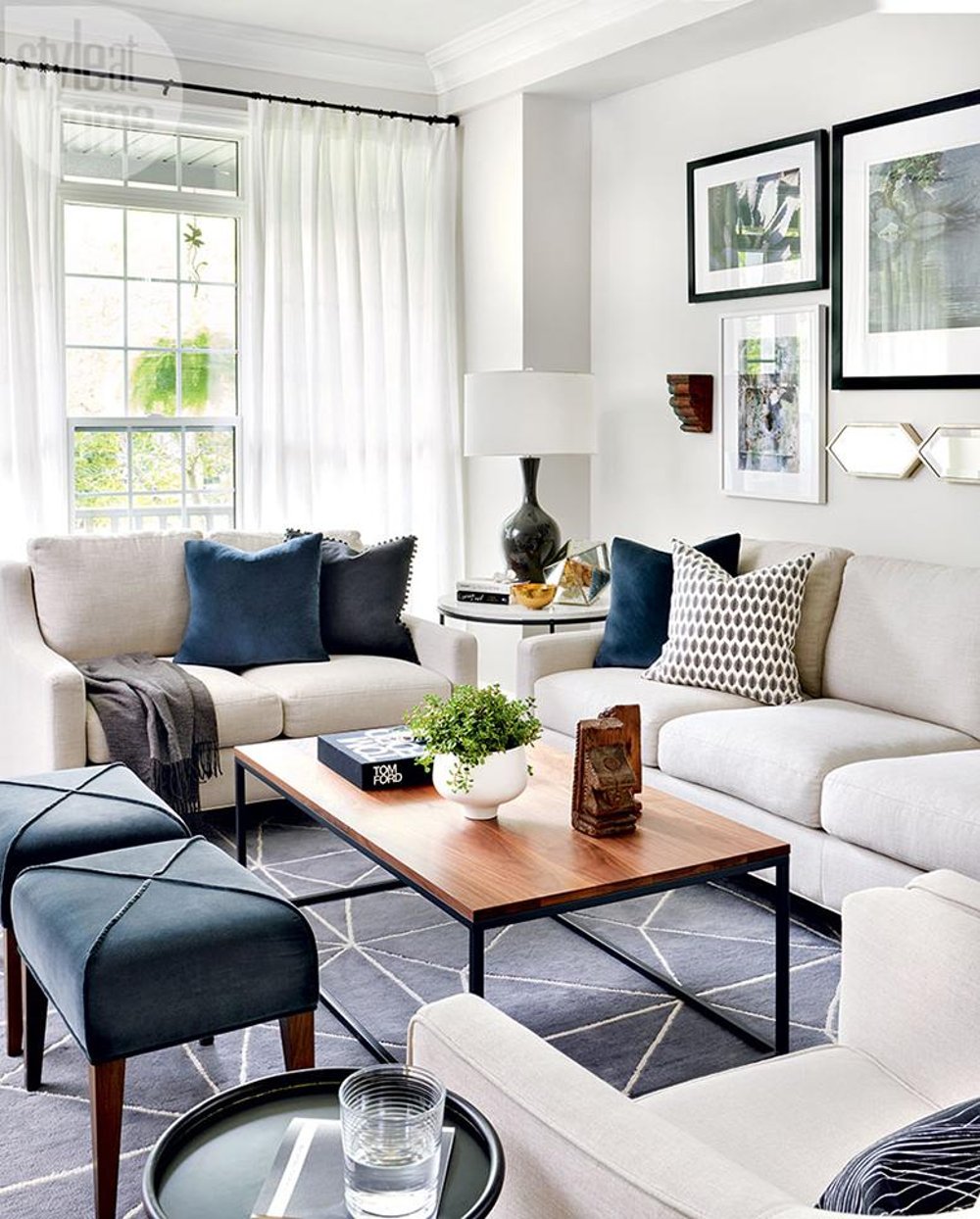
The L-shaped layout maximizes space. Place the couch and loveseat at right angles. This forms a cozy corner. Ideal for small spaces or open-plan areas. This setup encourages relaxation and conversation. It creates a distinct zone for seating. Add a rug to define the area further. It enhances the cozy feel.
Incorporating Accessories
Arrange a couch and loveseat with thoughtful accessories for a cozy feel. Use cushions and throws to add color. Place a rug underneath to define the space and bring warmth.
Arranging your couch and loveseat is only the beginning of creating a welcoming and stylish living space. Accessories play a vital role in pulling together the entire look, adding personality and functionality. Imagine walking into a room where every element complements each other—it’s like your space is speaking to you. Have you ever added a small rug and noticed how it instantly changes the vibe? Accessories can transform your living room from drab to fab, and they’re easier to switch up than furniture. Let’s dive into some essential accessories you can use to enhance your couch and loveseat setup.
Rugs And Carpets
A rug or carpet can be the anchor for your seating arrangement. It defines your area and adds warmth and texture. Picture a vibrant rug beneath a neutral couch and loveseat—it’s a game-changer! Consider the size and color. A large rug can make your space feel more expansive, while a smaller one can highlight your furniture. Patterns can bring in a splash of personality. Do you want a cozy feel underfoot or a bold statement piece that stands out? Choose what resonates with your style.
Coffee Tables
A coffee table is more than just a surface for your magazines and remote controls. It can be the centerpiece of your seating area. Think about the balance between function and style. Are you drawn to sleek glass tables for a modern touch, or rustic wood for a homier feel? The right coffee table can complement your couch and loveseat and offer a place for decor items like vases or books. Opt for a table that suits your needs and matches the aesthetic of your room. Remember, it’s not just a piece of furniture—it’s a conversation starter.
Lighting Solutions
Lighting sets the mood of your living space. The right lamp or overhead fixture can highlight your seating arrangement and create ambiance. Do you prefer the soft glow of table lamps or the dramatic effect of floor lamps? Consider the placement; lamps near the couch can provide practical lighting for reading, while overhead lights can brighten up the whole room. Explore various styles and brightness levels. Lighting is not just functional—it’s a way to express yourself and enhance your furniture arrangement. Accessories are the finishing touches that bring your room together. They offer practical benefits and elevate the aesthetic appeal of your living space. What accessory will you choose to breathe life into your couch and loveseat setup?
Credit: www.rcwilley.com
Color Coordination
Color coordination can transform your living space into a harmonious haven. It involves choosing colors that complement each other. This creates a balanced and inviting atmosphere. Thoughtful color choices make a big difference in your room’s feel.
Arranging your couch and loveseat with color in mind is essential. It enhances the overall aesthetic. It can also reflect your personal style.
Choosing A Base Color
Select a base color for your couch and loveseat. This sets the tone for the room. Neutral colors like beige, gray, and white are popular. They provide a versatile foundation. This allows you to experiment with accents.
Incorporating Accent Colors
Add accent colors through pillows, throws, or rugs. These bring life to your seating area. Use colors that complement your base. This creates a cohesive look. Be careful not to use too many colors. It can overwhelm the space.
Understanding Color Psychology
Colors affect our mood and perception. Warm colors like red and orange create a cozy feel. Cool colors like blue and green are calming. Choose colors that match the room’s purpose. This enhances the desired atmosphere.
Considering Patterns And Textures
Patterns add interest to your couch and loveseat arrangement. Stripes, florals, or geometric designs offer variety. Mixing textures also adds depth. Think about pairing a leather couch with a soft, fabric loveseat.
Using Complementary Colors
Complementary colors sit opposite each other on the color wheel. They create contrast and vibrancy. Pairing a blue couch with orange accents is an example. This makes your seating arrangement pop.
Creating Conversation Areas
Creating conversation areas with a couch and loveseat enhances social interaction. It’s about arranging furniture to encourage eye contact and easy talking. The right setup can transform a room into a welcoming gathering space. Let’s explore some effective ways to achieve this.
Arrange For Face-to-face Interaction
Place the couch and loveseat facing each other. This setup invites dialogue and connection. Ensure there’s enough space for people to walk between them. A coffee table can help anchor the arrangement.
Use A Right Angle Layout
Position the couch and loveseat at a right angle. This creates a cozy corner for conversation. Add a small side table at the corner. It offers a convenient spot for drinks and books.
Create A Circular Flow
Arrange the couch and loveseat in a semi-circle. This encourages a natural flow of movement. It also promotes inclusivity in larger groups. Complete the circle with additional chairs if needed.
Incorporate A Central Focal Point
Choose a focal point like a fireplace or TV. Position the couch and loveseat around it. This brings attention to the center and sparks conversation. It also adds a sense of balance to the room.
Ensure Balanced Spacing
Maintain equal spacing between the couch and loveseat. This ensures both pieces are accessible and visually pleasing. It also allows for comfortable movement within the room.
Practical Considerations
Arranging a couch and loveseat involves considering room size and layout. Place them to create a cozy conversation area. Ensure there’s enough space for movement, and balance the arrangement with other furniture.
Arranging a couch and loveseat can transform a living space. Practical considerations ensure functionality and style. A well-organized setup enhances comfort and usability. It supports traffic flow for ease of movement. Let’s explore some key factors.
Traffic Flow
Traffic flow affects how you move around the room. Leave enough space between furniture pieces. This prevents bumping into them. Pathways should be clear and direct. Arrange the couch and loveseat to guide movement naturally. Avoid placing them too close to doorways. This ensures easy access.
Comfort And Usability
Comfort is essential for relaxation. Arrange the couch and loveseat for easy conversation. Consider distance for optimal communication. A close setup helps create intimacy. Provide enough space for legroom. This enhances comfort during long sittings. Ensure usability by placing coffee tables nearby. They offer convenient access to items. Arrange seating to enjoy views or entertainment. This boosts the overall experience. `
Frequently Asked Questions
How Do I Place A Couch And Loveseat?
Placing a couch and loveseat involves considering room size and layout. Position the couch facing the room’s focal point, like a TV. Place the loveseat at a right angle or opposite the couch. Ensure there’s enough walking space, and keep a balanced, harmonious look.
Can A Loveseat Be Placed Near A Window?
Yes, placing a loveseat near a window can enhance the room’s aesthetics. It creates a cozy reading nook or relaxing spot. Ensure it’s not blocking the view or natural light. Choose lightweight curtains to maintain privacy without compromising light.
Should A Couch And Loveseat Match?
Matching isn’t necessary, but a cohesive look is essential. Coordinate colors, textures, or styles for a harmonious appearance. Consider similar design elements, like arm shapes or fabric patterns. Balance is key to ensure the room feels unified and inviting.
How Far Apart Should Couch And Loveseat Be?
Maintain a comfortable distance of 3-10 feet between your couch and loveseat. This ensures easy movement and encourages conversation. Adjust based on room size and layout. The distance should feel natural and not cramped.
Conclusion
Arranging a couch and loveseat doesn’t have to be hard. Start with your room’s focal point. This could be a TV or a fireplace. Place the couch facing it. The loveseat can go nearby, creating a cozy space. Experiment with angles for a better flow.
Keep the space open and inviting. Use rugs or tables to complete the setup. Balance is key. Symmetry adds harmony to your room. Personal touches make it special. Add cushions and throws for comfort. Your space should reflect your style.
Enjoy the new look and feel of your room.

Home Interior Design & Renovation Expert at HomeFixio
Sierra Wellington is a skilled home interior designer with extensive experience in plumbing, fittings, and home renovations. Having worked on numerous residential projects, Sierra specializes in creating functional and aesthetically pleasing spaces. With a keen eye for design and a deep understanding of the technical aspects of home improvement, he provides expert advice on everything from layout planning to fixture installations. As a writer for HomeFixio, Sierra shares his practical insights and creative solutions, helping homeowners elevate their spaces with precision and style.