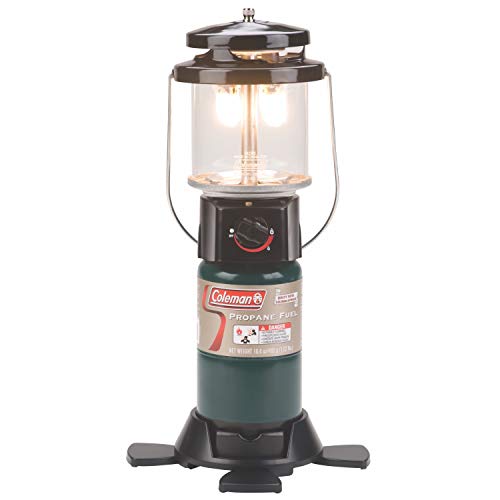
Can I Use Kerosene in a Coleman Lantern: Essential Guide
You’re planning a camping trip and excited to set up your campsite under the stars. You pull out your trusty Coleman lantern, ready to light up the night.
But then you pause, wondering: “Can I use kerosene in a Coleman lantern? ” This question is more common than you might think, and getting the right answer is crucial for your safety and the lantern’s performance. You’ll discover whether kerosene is the right choice for your lantern.
We’ll explore the pros and cons, and give you the information you need to make the best decision. Plus, you’ll learn some expert tips to keep your lantern shining bright for all your adventures. Stay with us to ensure your camping experience is both safe and memorable.
Kerosene And Coleman Lanterns
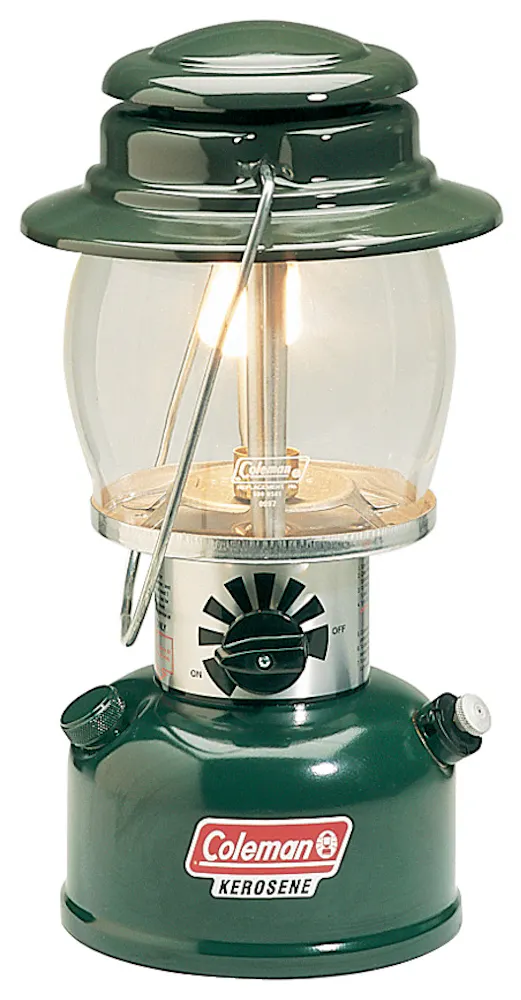
Coleman lanterns are popular for camping. They use fuel to light up. Kerosene is one type of fuel. But it’s not for all lanterns. Coleman has special lanterns. They need Coleman Fuel or white gas. Kerosene is thicker. It burns differently.
Using kerosene can clog the lantern. It may not work well. Some Coleman lanterns are made for kerosene. Check the manual first. Make sure the lantern is okay for kerosene. Safety is important. Always use the right fuel. This keeps the lantern working and safe.
Credit: www.coleman.com
Types Of Fuel For Coleman Lanterns
White gasis clean and burns bright. It is made for camping gear. Lanterns love this fuel. It is easy to find and works well. People use it often. It keeps lanterns bright and safe.
Propaneis another choice. It comes in small bottles. Propane is clean and easy to use. No spills or mess. It lights fast and burns bright. Perfect for quick use. Many campers prefer it.
Kerosenecan be used, but with care. It is not as clean. It can smell and smoke. Some lanterns accept kerosene. Check first. It is less bright than white gas. It is cheaper but less popular.
Compatibility Of Kerosene With Coleman Lanterns
Using kerosenein a Coleman lantern can be unsafe. Coleman lanterns are designed for white gas. Kerosene burns differently. It may cause excessive smoke. It might lead to cloggingin the lantern. Safety is key; using the wrong fuel can be dangerous.
Performance may drop with kerosene. Coleman lanterns are optimized for white gas. Kerosene burns less efficiently. It may cause lower brightness. Fuel consumptionincreases as efficiency drops. Using the right fuel ensures better performance.
Wrong fuel use can harm the lantern. Kerosene may cause damageto internal parts. Long-term use can lead to corrosion. Risk of fireincreases with improper fuel. Always check the lantern’s manual for fuel recommendations.

Credit: www.amazon.com
Adapting A Coleman Lantern For Kerosene Use
Using kerosene in a Coleman lantern needs adjustments. Kerosene has different burning properties than Coleman fuel. The wick must be changed to handle kerosene. A larger wick helps with proper burning. It delivers fuel evenly. The generator may also need replacing. Kerosene requires a different generator than regular fuel.
Tools needed are simple. A screwdriver helps with parts. Materials include a new wick and generator. Kerosene is needed for filling the lantern. A funnel aids in pouring fuel. Safety gear is important. Gloves and goggles protect you while working.
Maintenance Tips For Kerosene Lanterns
Can kerosene be used in a Coleman lantern? Stick to its original fuel type for best performance. Keeping your lantern clean and checking for leaks extends its life. Regular wick adjustments ensure even light distribution and safety.
Cleaning The Lantern
Cleaning is important for kerosene lanterns. First, remove the glass globe carefully. Wash it with warm, soapy water. Dry it with a soft cloth. Wipe the metal parts with a damp cloth. This keeps the lantern shiny and new.
Replacing Parts
Parts can wear out over time. Check the wick regularly. Replace it if it looks burnt or short. Also, check the fuel cap. Make sure it seals tight. This helps prevent leaks. A well-maintained lantern lasts longer.
Storage Tips
Proper storage is key. Keep lanterns in a cool, dry place. Avoid direct sunlight. Store them upright. This prevents fuel spills. Cover them to keep dust away. Good storage keeps lanterns ready for use.
Credit: classicpressurelamps.com
Alternatives To Kerosene
Many people use different fuels in their lanterns. Some popular choices include white gas, unleaded gasoline, and propane. Each fuel has its own benefits. White gas burns clean and bright. Unleaded gasoline is easy to find. Propane is very safe and convenient.
Picking the right fuel depends on your needs. Camping in cold weather? White gas is great. Need something cheap? Unleaded gasoline might be best. Want a fuel that’s easy to use? Propane is a good choice. Always think about safety and availability. This helps make the right choice for your lantern.
Common Myths About Kerosene Use
Many think kerosene is dangerous for lanterns. That’s not always true. Kerosene burns cleanly and safely. But it’s not for all lanterns. Coleman lanterns often use white gas. White gas is different from kerosene. It’s a special fuel. Using kerosene in a white gas lantern can cause issues.
Some believe kerosene is cheap and easy to find. That’s true. But not all lanterns are made for it. Safety is key. Using the wrong fuel can cause fires. It’s important to check your lantern’s needs. Always read the instructions. Instructions tell you the right fuel to use. This keeps your lantern working well and safe.
Fuel safety is very important. Fuels like kerosene and white gas are different. Each has its own use. Kerosene needs special wicks to burn well. Using the wrong wick can be unsafe. It can also damage your lantern.
Keeping your lantern safe is easy. First, store fuel properly. Keep it away from heat and flames. Next, always use the right fuel for your lantern. Check the manual if unsure. Safe use keeps you and your lantern safe. Remember, safety first with all fuels.
Frequently Asked Questions
Can I Use Kerosene In A Coleman Lantern?
No, using kerosene in a Coleman lantern designed for white gas is not recommended. Kerosene has different burning properties. It can produce excessive soot and smoke, potentially damaging the lantern. Always use the recommended fuel type specified by the manufacturer for optimal performance and safety.
What Fuel Is Recommended For Coleman Lanterns?
Coleman lanterns typically use white gas or Coleman fuel. This type of fuel is specifically formulated for optimal performance in their lanterns. It burns cleanly, providing bright and efficient light. Always check the manufacturer’s instructions to ensure you’re using the correct fuel type for your specific lantern model.
Are Kerosene Lanterns Different From Coleman Lanterns?
Yes, kerosene lanterns and Coleman lanterns differ in design and fuel type. Coleman lanterns often use white gas, while kerosene lanterns are specifically designed for kerosene. Each type of lantern has different fuel requirements and ignition mechanisms. Using the correct fuel ensures efficient operation and reduces the risk of damage.
Can Kerosene Damage My Coleman Lantern?
Yes, using kerosene in a Coleman lantern can cause damage. Kerosene burns differently than the recommended white gas. It may produce excessive soot and smoke, leading to clogged burners and reduced performance. Always use the specified fuel type to maintain your lantern’s longevity and efficiency.
Conclusion
Choosing the right fuel for your Coleman lantern is crucial. Kerosene isn’t recommended for most Coleman lanterns. It can damage the device. Use only the specified fuel for safety. Coleman Fuel or white gas are usually the best options. They ensure optimal performance and longevity.
Always check the manufacturer’s guidelines before using any fuel. This helps avoid accidents and extends your lantern’s life. Remember, safety first. Using the right fuel provides peace of mind. Enjoy reliable lighting on all your adventures.

Home Improvement Specialist & Writer at HomeFixio
Caden Rutherford is a seasoned home improvement specialist with extensive hands-on experience in residential construction, renovations, and design. With a keen eye for detail and a passion for transforming spaces, Caden shares practical advice and expert solutions to enhance the functionality and beauty of homes. As a writer for HomeFixio, Caden combines technical knowledge with creative flair, providing readers with informative guides on everything from structural improvements to aesthetic upgrades, empowering homeowners to achieve their ideal living spaces.