
How to Season Wooden Spoons: Expert Tips Revealed
Have you ever noticed your wooden spoons looking a bit dull or feeling rough to the touch? If so, you’re not alone.
Wooden spoons are kitchen essentials, beloved for their natural feel and durability. However, they require a bit of care to keep them in top shape. That’s where seasoning comes in. Seasoning your wooden spoons not only extends their lifespan but also enhances their beauty and functionality.
Imagine cooking with utensils that are smooth, vibrant, and perfectly suited to your culinary needs. Intrigued? You’ll discover simple and effective techniques to season your wooden spoons, making them a joy to use every time you cook. Let’s ensure your trusted kitchen companions remain as dependable and delightful as the meals you prepare with them.
Choosing The Right Oil
Seasoning wooden spoons preserves their quality and enhances their lifespan. Choosing the right oil is crucial for effective seasoning. The oil helps protect the wood from moisture and cracking. It also keeps the spoons looking fresh and clean. Selecting the right oil ensures your spoons remain durable and beautiful.
Benefits Of Mineral Oil
Mineral oil is a popular choice for seasoning wooden spoons. It is food-safe and non-toxic. This oil penetrates deeply into the wood. It prevents moisture damage and cracking. Mineral oil leaves a smooth finish on the surface. Its clear nature doesn’t affect the spoon’s color.
Mineral oil is affordable and easy to find. It requires little effort to apply. Frequent application maintains the spoon’s integrity. Mineral oil is odorless and tasteless. This makes it ideal for kitchen utensils.
Alternatives To Mineral Oil
Several alternatives exist for seasoning wooden spoons. Beeswax offers natural protection. It seals the wood and gives a pleasant aroma. Linseed oil is another option. It dries quickly and provides a strong barrier. Coconut oil is also effective. It is antimicrobial and adds a subtle scent.
Tung oil is known for durability. It creates a hard, water-resistant finish. Walnut oil is a unique choice. It enhances the wood’s natural beauty. Each oil has its own benefits. Explore different options to find what suits your needs.

Credit: www.amazon.com
Preparing The Wooden Spoon
Before you season your wooden spoon, it needs proper preparation. This process ensures the spoon’s longevity and effectiveness in your kitchen. Preparing involves cleaning and drying, which are crucial steps. Let’s dive into each step.
Cleaning The Spoon
Start by washing the wooden spoon with warm water. Use a mild dish soap to remove any food residue. Avoid using the dishwasher, as it can damage the wood. Gently scrub the spoon with a soft brush or cloth. Rinse thoroughly, ensuring no soap remains. For stubborn stains, use a paste of baking soda and water.
Drying Techniques
After cleaning, drying the spoon properly is essential. Pat the spoon dry with a clean towel. Avoid air drying, which can cause warping or cracking. Place the spoon in a well-ventilated area to finish drying. Ensure it’s completely dry before moving to the next step.
Applying The Oil
Gently rub food-safe oil into the wooden spoon’s surface. Let it soak for a few hours. This protects and enhances its lifespan.
Applying oil to wooden spoons is essential. It keeps them smooth and durable. This step ensures your spoons last longer. It also enhances their appearance. Let’s explore how to apply oil effectively.Methods For Even Application
Use a clean cloth for application. Dip it in food-safe oil. Rub the spoon gently. Cover all areas evenly. Focus on the spoon’s handle and bowl. This prevents drying and cracking. You can use your fingers too. It gives better control. Make sure no spot is left dry.Allowing Proper Absorption
Let the spoon sit after oiling. This helps the wood absorb the oil. Leave it overnight for best results. The oil nourishes the wood fibers. It makes them stronger. Proper absorption ensures longevity. Repeat this process regularly. Your wooden spoons will thank you.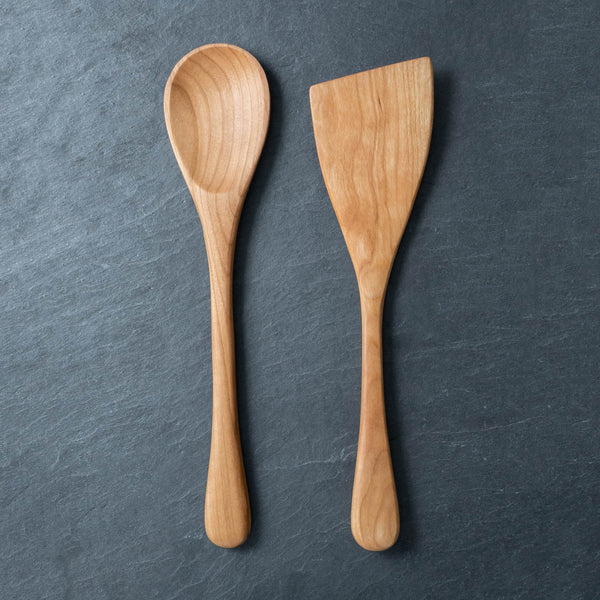
Credit: lancastercastiron.com
Frequency Of Seasoning
Regular seasoning keeps wooden spoons durable and smooth. Rub them with food-safe oil monthly to prevent cracks. This simple upkeep ensures longevity and functionality in your kitchen.
Seasoning your wooden spoons is an essential step in maintaining their longevity and functionality. But how often should you do it? Just like any routine maintenance, there’s no one-size-fits-all answer. The frequency of seasoning depends on how often you use and wash your spoons. Think of it as self-care for your kitchen tools—neglect them, and they’ll show signs of wear and tear.Signs Your Spoon Needs Seasoning
You might wonder, how do you know when it’s time to season your wooden spoon? Look for visible signs like dryness or rough patches. A spoon that feels splintery or has lost its sheen is crying out for some care. If your spoon absorbs food odors easily, that’s another indicator. The wood may be too porous, a sign that it needs a protective layer of oil. Noticing these signs early can save your spoons from premature aging.Seasoning Schedule Tips
Having a regular seasoning schedule can be incredibly beneficial. Start by oiling your spoons once a month if you use them frequently. If your usage is more sporadic, every couple of months should suffice. A quick tip: you can tie seasoning your spoons with other monthly kitchen chores, like cleaning out the fridge. This way, it becomes a habit rather than a chore. You’ll thank yourself later when your spoons glide effortlessly through your culinary adventures. Have you ever noticed that a well-seasoned spoon adds a touch of elegance to your cooking routine? It’s true. A spoon that’s well cared for feels like an extension of your hand, making cooking a more enjoyable experience. Consider your wooden spoon—what story does it tell?Maintaining Seasoned Spoons
Maintaining seasoned wooden spoons is essential for their longevity. Proper care keeps them functional and beautiful. Seasoned spoons resist stains and odors better. Regular maintenance ensures they stay that way. Read on for tips to keep your wooden spoons in top condition.
Cleaning Best Practices
Use warm water to clean seasoned wooden spoons. Avoid harsh detergents. Mild soap is enough for daily cleaning. Rinse them thoroughly after washing. Let them dry completely before storing. This prevents moisture buildup. Moisture can lead to warping or cracking.
Never soak wooden spoons in water. Extended soaking damages the seasoning. Wipe them with a damp cloth instead. Dry them immediately after cleaning. This maintains their integrity and appearance.
Avoiding Damage
Keep seasoned spoons away from extreme heat. Heat can strip the seasoning. Avoid using them on high heat surfaces. Use them for stirring, not for scraping. Scraping can damage the wood.
Store spoons in a dry place. Moisture and heat cause wood to warp. Hang them on a rack or store in a drawer. Avoid stacking heavy items on top. This prevents unnecessary pressure.
Apply a thin layer of mineral oil monthly. This helps maintain the seasoning. Rub oil into the wood gently. Let it soak before using the spoon again. This keeps the wood nourished and protected.
Common Mistakes
Failing to clean wooden spoons thoroughly can lead to food residue buildup. Using too much oil during seasoning can make them sticky. Drying spoons improperly may result in warping or cracking.
When it comes to seasoning wooden spoons, many people think it’s a simple task. However, some common mistakes can lead to less-than-ideal results or even damage your beloved kitchen tools. By being aware of these pitfalls, you can ensure your wooden spoons remain in top condition for years.Over-oiling Issues
Applying too much oil is a frequent mistake. You might think that more oil means better protection, but that’s not the case. Over-oiling can lead to a sticky residue that attracts dust and grime. Have you ever picked up a spoon only to find it feels tacky? This is often due to over-oiling. The solution is simple. Use a small amount of oil and wipe off any excess with a clean cloth. This ensures your spoon feels smooth and clean.Using Incorrect Products
Not all oils are created equal. Using the wrong type of oil can damage your wooden spoons. For instance, cooking oils like olive or vegetable oil can go rancid, leaving an unpleasant smell. Instead, opt for food-safe mineral oil or beeswax. These products offer protection without any side effects. Once, I used coconut oil because it was handy. The spoon absorbed it, and after a few days, the smell was quite off-putting. I learned my lesson the hard way. Have you ever made a similar mistake with your kitchen tools? Choosing the right product can make all the difference. By avoiding these common mistakes, you can keep your wooden spoons in excellent condition. Remember, a little care goes a long way in maintaining these essential kitchen tools.:max_bytes(150000):strip_icc()/HeaderWoodenSpoons-9f7b62b656824f77a76a06dd0efd37b9.jpg)
Credit: www.seriouseats.com
Frequently Asked Questions
How To Season Wooden Spoons Naturally?
To season wooden spoons naturally, use mineral oil or beeswax. First, clean the spoon with mild soap and water. Dry it thoroughly. Then, apply a generous amount of oil or beeswax. Rub it in with a soft cloth. Let it soak overnight.
Wipe off any excess the next day.
Why Should You Season Wooden Spoons?
Seasoning wooden spoons prevents them from drying out and cracking. It forms a protective layer that repels moisture and stains. This helps maintain the spoon’s integrity and prolongs its lifespan. Seasoned wooden spoons also resist absorbing odors and flavors from foods, keeping your kitchen tools fresh and clean.
How Often Should Wooden Spoons Be Seasoned?
Season wooden spoons every one to three months. The frequency depends on usage and washing. If the spoon looks dull or feels rough, it needs seasoning. Regular seasoning keeps the wood hydrated and protected. This ensures your spoons remain in excellent condition for a long time.
Can Olive Oil Be Used For Seasoning?
Avoid using olive oil to season wooden spoons. It can turn rancid over time, leaving an unpleasant smell. Instead, use mineral oil or food-grade oils like walnut or coconut oil. These oils are stable and won’t spoil. They effectively protect and nourish wooden kitchen utensils.
Conclusion
Seasoning wooden spoons is simple and rewarding. It keeps them strong and long-lasting. Clean them gently with warm water and mild soap. Dry completely before seasoning. Use food-grade oil for protection. Rub oil into the wood, let it soak, and wipe excess.
Repeat every month for best results. Seasoned spoons resist cracks and stains. They last longer and look great. Regular care ensures they stay smooth and functional. Try these steps and enjoy your spoons for years to come. Happy cooking!

Home Improvement Expert & Senior Writer at HomeFixio
Eliot Granger is a seasoned home improvement expert with years of experience transforming living spaces. Specializing in everything from kitchen renovations to bathroom upgrades, Eliot shares his knowledge through practical, insightful articles. His passion for creating functional, beautiful homes drives him to offer expert tips and solutions for every corner of your house. As a trusted writer for HomeFixio, Eliot is dedicated to helping homeowners make informed decisions and achieve precision in their projects.


