How Deep is the Average Wardrobe: Unveiling Dimensions
Ever stood in front of your wardrobe, puzzled by its depth, and wondered how much it can actually hold? You’re not alone.
Many people find themselves questioning the capacity of their closets, especially when organizing or planning a redesign. Understanding the average depth of a wardrobe is not just a matter of curiosity—it can transform the way you manage your space. Imagine effortlessly finding your favorite clothes or easily accessing that hidden pair of shoes.
Dive into this article to discover insights that could revolutionize your storage strategy and bring a new level of order to your home. Let’s unlock the secrets of your wardrobe space together, ensuring you never face the frustration of a cluttered closet again.

Credit: www.dimensions.com
Wardrobe Depth Basics
Understanding wardrobe depth is crucial for home organization. The depth of a wardrobe affects storage and room space. Knowing the average depth helps in planning your room layout effectively.
Standard Wardrobe Depth
The standard wardrobe depth is usually around 24 inches. This size accommodates most clothing items comfortably. It allows enough space for hangers and garments. Deeper wardrobes offer extra storage but need more room space.
Compact Wardrobe Options
Compact wardrobes are often around 18 inches deep. They suit smaller rooms or apartments. They save space and still store essentials. Compact options work well for minimalist living.
Custom Wardrobe Depth
Custom wardrobes vary in depth based on personal needs. They provide tailored solutions for unique spaces. Custom depths can range from 12 to 30 inches. Ideal for fitting into awkward or specific spaces.
Factors Affecting Wardrobe Depth
Several factors influence wardrobe depth choices. Room size and layout play a significant role. Personal storage needs also impact the decision. Consider these factors for optimal wardrobe depth.
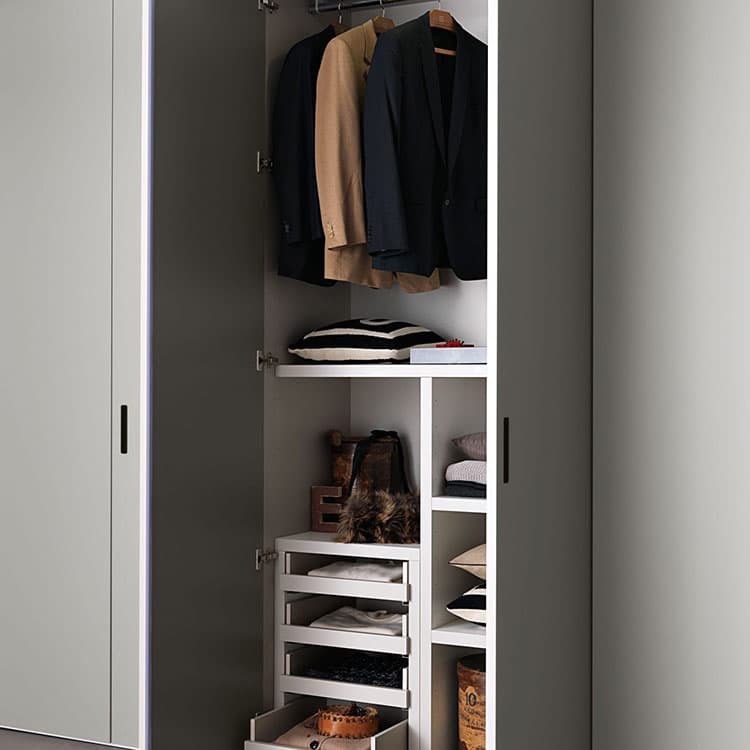
Credit: www.fcilondon.co.uk
Standard Wardrobe Dimensions
Understanding wardrobe dimensions helps maximize storage space. It ensures efficient use of your room. The average wardrobe depth is crucial for functionality. It dictates what you can store inside. Let’s explore common wardrobe dimensions.
Height
Wardrobe height typically ranges from 72 to 96 inches. This variation caters to different ceiling heights. Taller wardrobes offer more vertical storage. They are perfect for hanging long garments. Ensure you have enough ceiling clearance.
Width
The width of wardrobes varies greatly. Common widths range from 24 to 96 inches. This depends on your storage needs and available space. Wider wardrobes accommodate more clothes. They often come with additional compartments.
Depth
The average wardrobe depth is 24 inches. This depth is optimal for hanging clothes. It allows enough space for hangers. Some wardrobes may be shallower, around 18 inches. These are suitable for folded clothes or accessories.
Considerations For Custom Wardrobes
Custom wardrobes can deviate from standard dimensions. They are tailored to fit specific spaces. Consider your personal storage needs. Custom designs offer flexibility in depth, width, and height.
Space For Doors
Wardrobe doors need clearance space. Sliding doors require less room. Hinged doors need space to open fully. Measure carefully before installation.
Factors Influencing Depth
Wardrobe depth often varies due to design preferences and storage needs. Standard depths range from 18 to 24 inches, accommodating typical clothing. Factors like room size and personal style influence these measurements, ensuring functionality and aesthetic harmony.
When you’re planning your wardrobe, it’s essential to consider the depth. Factors influencing the depth can vary based on several aspects. What’s inside your wardrobe, how much space you have, and your storage needs all play a role. Let’s dive into these factors and see how they can affect your wardrobe’s depth.Clothing Types
The types of clothing you store can greatly influence how deep your wardrobe needs to be. Think about the bulky winter coats or long dresses you might own. These garments need more room than a row of neatly folded t-shirts or jeans. If you love collecting oversized sweaters, you’ll want a wardrobe that can accommodate their bulk. Does your wardrobe feel cramped when you hang your clothes? Consider how your choice of clothing impacts the space you require. Adjusting the depth can make all the difference in how organized your wardrobe feels.Storage Needs
Your storage needs extend beyond clothing. You might have shoes, accessories, or even linens that need a home. Each item demands its own space, affecting the overall depth of your wardrobe. Imagine trying to fit multiple shoe boxes into a shallow wardrobe. It could become a game of Tetris rather quickly! Do you often find yourself stacking items precariously? Perhaps a deeper wardrobe could provide the solution, offering space for dedicated shelves or compartments. Think about what you store and how you store it, and let that guide your decision on wardrobe depth.Room Space
The space available in your room is a crucial factor in determining wardrobe depth. A small room might require a shallower wardrobe to avoid overwhelming the space. On the other hand, a larger room could accommodate a wardrobe with greater depth, offering more storage possibilities. Have you ever tried to squeeze a wardrobe into a tight corner, only to realize it’s too big? It’s important to measure your room and consider how your wardrobe fits into the overall layout. A well-planned wardrobe can enhance your room’s aesthetic and functionality. By considering these factors, you can tailor your wardrobe depth to suit your lifestyle and room space effectively. Are you ready to reassess your wardrobe needs?
Credit: www.dimensions.com
Custom Wardrobe Designs
Have you ever felt frustrated with your wardrobe because it just doesn’t fit your needs? Custom wardrobe designs might be the answer you’ve been searching for. These designs offer a personalized touch, ensuring every inch of your wardrobe serves a purpose. Imagine opening your wardrobe and having everything organized perfectly. No more struggling to find that favorite pair of shoes or your go-to jacket. With custom designs, you get to decide the depth, width, and layout that suits your lifestyle. Let’s dive into some tailored solutions and innovative storage options that can transform your wardrobe experience.
Tailored Solutions
Custom wardrobe designs are all about fitting your unique needs. Think about how many clothes you own and the types. Do you need more space for hanging dresses or shelves for folded sweaters? You can customize the depth to accommodate bulkier items like coats. Imagine a wardrobe tailored to your daily routine. You could have a section dedicated to work attire, neatly organized and easily accessible. Personalized solutions mean your wardrobe works for you, not the other way around.
Innovative Storage Options
Storage in wardrobes isn’t just about hanging or shelving anymore. Innovative options can change how you store and access your items. Consider pull-out shoe racks or rotating hangers that save space and offer easy access. How about built-in drawers with dividers for accessories like scarves and ties? These features make your wardrobe more functional and organized. Have you ever considered vertical storage? It can maximize space in small areas. Get creative with your storage solutions and see your wardrobe transform.
Comparing Wardrobe Styles
Wardrobes come in different styles, each offering unique benefits. Choosing the right style depends on your space and needs. Let’s explore various wardrobe styles to help you decide.
Freestanding Vs. Built-in
Freestanding wardrobes are versatile. They can be moved easily and offer flexibility in design. They suit renters or those who frequently change living spaces. Built-in wardrobes provide a seamless look. They maximize space and integrate with room design. Great for those with specific storage needs.
Minimalist Vs. Maximalist
Minimalist wardrobes focus on simplicity. They have clean lines and fewer compartments. Perfect for those who prefer a clutter-free space. Maximalist wardrobes offer more storage options. They include drawers, shelves, and hanging spaces. Ideal for those with extensive clothing collections.
Materials And Construction
Understanding the materials and construction of wardrobes is crucial. These elements impact the wardrobe’s depth, durability, and style. The choice of materials can influence the look and feel of the room. Two common materials used in wardrobe construction are wood and metal. Sustainable choices in materials are also becoming more popular.
Wood And Metal
Wood is a classic choice for wardrobes. It offers a warm, natural look. Various types of wood can be used, like oak or pine. Each type has its own characteristics. Wood can be heavy, but it’s strong and durable.
Metal wardrobes are modern and sleek. They often have a minimalist design. Metal is lighter than wood, making it easier to move. It can also be more resistant to wear and tear. Both wood and metal offer different aesthetic options.
Sustainable Choices
Sustainable materials are gaining popularity in wardrobe construction. Bamboo is a popular eco-friendly option. It grows quickly and is renewable. Reclaimed wood is another sustainable choice. It gives a unique look and repurposes old materials.
Metal wardrobes can also be sustainable. Recycled metal options reduce environmental impact. Choosing sustainable materials helps protect the planet. It also adds unique style to your home.
Optimizing Wardrobe Space
Discover the average wardrobe depth, typically ranging from 18 to 24 inches. This depth allows for efficient use of space, accommodating hangers and ensuring easy access to clothing. Optimize your wardrobe by considering this measurement while organizing your clothes and accessories.
Optimizing your wardrobe space can transform your daily routine from chaotic to streamlined. A cluttered wardrobe makes it hard to find your favorite shirt or matching socks, wasting precious time in the morning. With some clever organizing tips, you can create a functional and stylish wardrobe that suits your needs and lifestyle.Organizational Tips
Start by assessing what you have. Empty your wardrobe and evaluate each item. Ask yourself, “Do I love it? Do I wear it often?” Keep only what you truly need. Use vertical space wisely. Install additional shelves or use stackable boxes to maximize height. This way, you can fit more items without overcrowding. Consider a color-coded system. Group similar shades together to make outfit selection faster. It also adds a visually pleasing element to your wardrobe.Accessory Storage
Accessories often get tangled or lost, leading to frustration. Hang scarves or ties on a dedicated rack inside your wardrobe door. This keeps them visible and easy to grab. Use small bins or trays for items like jewelry or watches. Label each container for quick identification, ensuring everything has its place. Don’t overlook the power of hooks. Attach hooks inside your wardrobe for bags or hats. This frees up shelf space and keeps accessories organized. A well-organized wardrobe not only saves you time but also reduces stress. How will you apply these tips to optimize your wardrobe space?Future Trends In Wardrobe Design
The future of wardrobe design promises exciting changes. With evolving technology and environmental concerns, wardrobes are not just about storage anymore. They are becoming smarter and eco-friendlier. Let’s explore the trends shaping this transformation.
Smart Technology Integration
Smart technology is making wardrobes more functional. Imagine a wardrobe that knows your style. It suggests outfits based on weather and your schedule. Sensors can track clothing usage. This helps reduce unnecessary purchases. Voice controls allow easy operation. You can open doors or adjust lighting with a simple command.
Eco-friendly Innovations
Eco-friendly designs are gaining popularity. Sustainable materials like bamboo and recycled wood are used. These materials reduce the carbon footprint. Designers are focusing on energy-efficient lighting. This saves energy and costs. Modular designs offer flexibility. You can easily adapt the wardrobe to changing needs without waste.
Frequently Asked Questions
What Is The Standard Depth Of A Wardrobe?
The standard depth of a wardrobe is typically 24 inches. This depth allows enough space for hanging clothes. It also ensures that garments can hang freely without being crammed. However, variations exist based on design and space availability.
How Deep Should A Wardrobe Be For Hanging Clothes?
A wardrobe for hanging clothes should be at least 24 inches deep. This ensures clothes can hang without touching the back wall. Deeper wardrobes, like 28 inches, offer more space for bulkier clothing. Proper depth is crucial for maintaining garment shape and accessibility.
Can A Shallow Wardrobe Be Functional?
Yes, a shallow wardrobe can be functional with smart design. Using sliding doors and adjustable shelves maximizes space. Incorporating pull-out drawers and organizers enhances usability. Shallow wardrobes, though limited in depth, can effectively store folded clothes and accessories.
How Does Wardrobe Depth Affect Storage Space?
Wardrobe depth directly impacts storage capacity and organization. Deeper wardrobes accommodate more clothing and accessories. They allow for double hanging rods and deeper shelving. Shallow wardrobes may limit hanging space but can be optimized with creative storage solutions.
Conclusion
Wardrobe depth plays a vital role in organizing clothes efficiently. Most wardrobes measure between 18 to 24 inches deep. This depth suits most clothing needs. It allows enough space for hangers and folded items. Choosing the right depth ensures easy access.
It helps maintain order and tidiness. Consider your space and storage requirements carefully. A well-sized wardrobe enhances the functionality of your room. It makes daily routines smoother and more enjoyable. With the right depth, your wardrobe can be a useful tool.
It keeps your clothes neat and accessible. Choose wisely for a clutter-free space.

Home Interior Design & Renovation Expert at HomeFixio
Sierra Wellington is a skilled home interior designer with extensive experience in plumbing, fittings, and home renovations. Having worked on numerous residential projects, Sierra specializes in creating functional and aesthetically pleasing spaces. With a keen eye for design and a deep understanding of the technical aspects of home improvement, he provides expert advice on everything from layout planning to fixture installations. As a writer for HomeFixio, Sierra shares his practical insights and creative solutions, helping homeowners elevate their spaces with precision and style.