How to Build Business Casual Wardrobe: Style Guide
Building a business casual wardrobe can feel like a daunting task. You might find yourself standing in front of your closet, wondering how to mix comfort with professionalism without losing your personal style.
But fear not! You’re not alone in this fashion conundrum. Imagine confidently picking out an outfit each morning that not only fits your work environment but also makes you feel fantastic. By the end of this guide, you’ll know exactly how to curate a wardrobe that strikes the perfect balance between business and casual, boosting your confidence and leaving a lasting impression.
Curious about how to transform your clothing choices from drab to fab? Keep reading, and discover the secrets to mastering the art of business casual with ease and flair.
Choosing Key Pieces
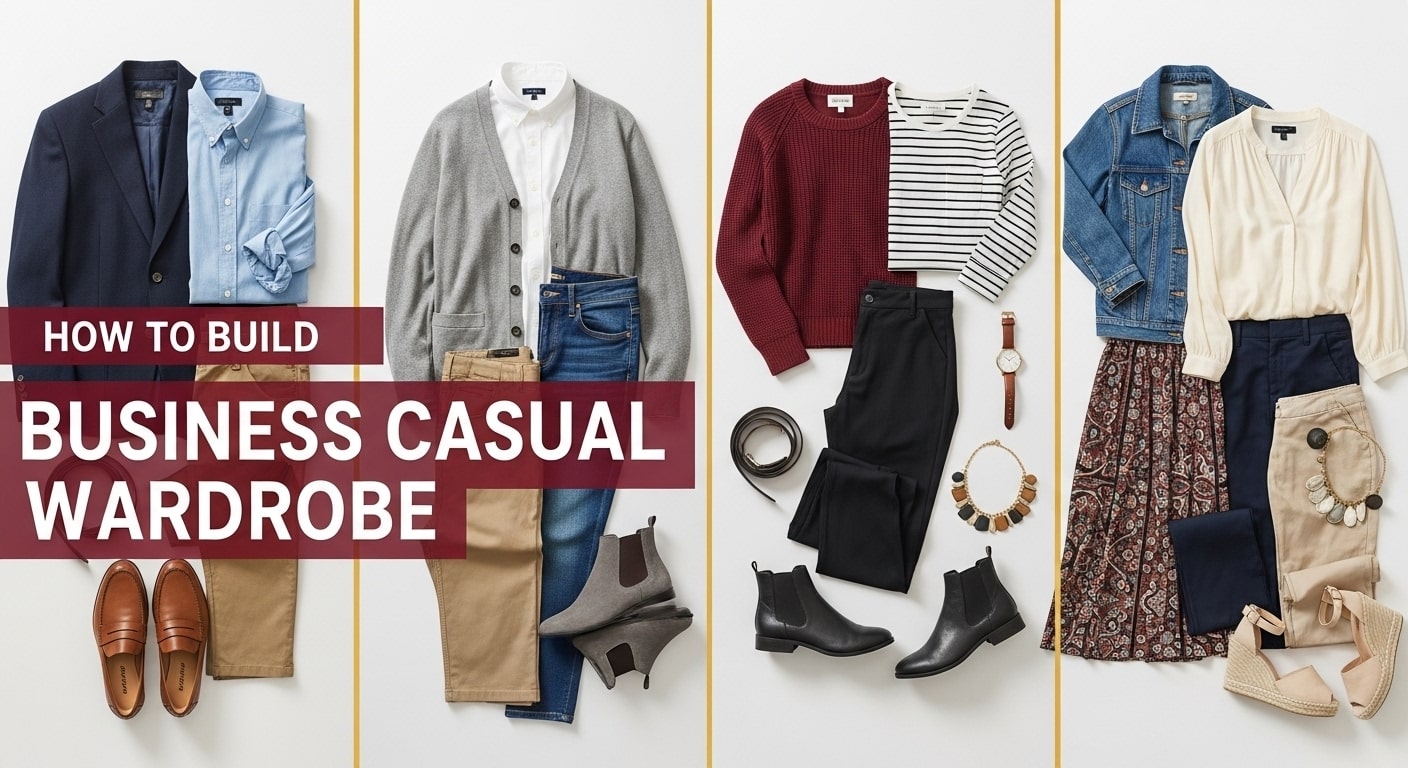
Crafting a business casual wardrobe starts with selecting versatile key pieces. Opt for neutral colors and classic designs that easily mix and match. Essential items include blazers, tailored pants, and collared shirts, forming a foundation for endless outfit combinations.
Choosing the right pieces is vital in building a business casual wardrobe. These pieces make dressing up easy and stylish. Key pieces offer flexibility and variety. They form the foundation of any business casual look.Essential Tops
Start with classic shirts. Opt for neutral colors like white, blue, and gray. These colors pair well with most outfits. Button-down shirts are versatile. They work for both formal and casual settings. Add some blouses for a touch of elegance. Choose fabrics that feel comfortable. Cotton and linen are great choices. They keep you cool and relaxed.Versatile Bottoms
Invest in a pair of tailored trousers. They offer a polished look. Neutral colors are best. Black, navy, and beige are top picks. Chinos are also a great option. They are comfortable and stylish. Choose a good fit for all-day comfort. A pencil skirt adds a feminine touch. Pair it with a blouse for a chic look.Outerwear Options
Blazers are essential for layering. They add sophistication to any outfit. Choose one in a neutral color. Gray or navy works well. Cardigans are also a great option. They keep you warm on cooler days. Choose lightweight fabrics for versatility. A stylish coat is a must for winter. Opt for classic designs. They never go out of style.
Credit: www.extrapetite.com
Color Palette Selection
Building a business casual wardrobe involves thoughtful color palette selection. Choosing the right colors sets the tone for your outfits. This task can seem overwhelming, but it is manageable by breaking it down into two main categories: neutral tones and accent colors. These categories help in creating a versatile wardrobe that balances professionalism and personal style.
Neutral Tones
Neutral tones are the foundation of a business casual wardrobe. They provide a base that complements any outfit. Common neutral colors include black, white, gray, beige, and navy. These colors are versatile and timeless, making them ideal for office settings. Neutral tones make matching easy and keep the look polished. They also allow other colors to shine without overpowering your ensemble.
Black and navy are particularly popular for their slimming effects. Gray and beige offer a softer alternative. White adds freshness and can lighten your look. These neutrals should form the bulk of your wardrobe, providing consistency and ease in styling.
Accent Colors
Accent colors add personality to your business casual attire. While neutral tones form the base, accents bring vibrancy. Popular accent colors include burgundy, mustard, olive, and teal. These colors can be used in accessories like ties, scarves, or shoes. They can also feature in blouses, shirts, or jackets.
Choose accent colors that complement your skin tone. This ensures the colors enhance rather than clash with your look. Pairing accent colors with neutrals creates a balanced appearance. Accent colors should be used sparingly to keep the outfit professional. They should highlight without overwhelming the overall look.
Fabric And Material
Choose breathable fabrics like cotton and linen for comfort and versatility. Incorporate wool blends for a refined touch. Mix textures to balance style and practicality, ensuring a polished business casual look.
Building a business casual wardrobe requires thoughtful consideration of fabric and material. The right choice can enhance comfort, durability, and adaptability to seasonal changes. These elements play a crucial role in ensuring your attire is suitable for various occasions and climates. Understanding fabric options helps in creating a versatile wardrobe.Comfort And Durability
Choosing fabrics that offer comfort is essential. Cotton is a popular choice due to its softness and breathability. It is suitable for daily wear, allowing ease of movement. Wool is another option known for its warmth and durability. It is ideal for cooler days, providing comfort without compromising style. Durability should not be overlooked. Invest in fabrics that maintain their shape and quality over time. Wool blends and high-quality cottons resist wear and tear. They can withstand frequent washing and still look fresh. Durable materials ensure your wardrobe remains stylish.Seasonal Choices
Seasonal changes demand versatile fabric selections. Light fabrics like linen and cotton suit warmer months. They keep you cool and comfortable, preventing overheating. These materials offer breathability, making them perfect for spring and summer. For colder seasons, opt for heavier fabrics. Wool and flannel provide warmth, keeping you cozy during winter. They offer insulation, protecting you from cold winds. Choosing the right material ensures your wardrobe adapts to seasonal shifts. Understanding fabric and material aids in creating a practical business casual wardrobe. Comfort, durability, and seasonal adaptability are key factors. Select the right fabrics to ensure your attire suits every occasion.Accessorizing Smartly
Accessorizing smartly can elevate your business casual wardrobe from ordinary to remarkable. It’s not just about adding items, but choosing pieces that complement your outfit and reflect your personal style. Do you sometimes feel overwhelmed by the choices in accessories? Here’s how to make smart selections to refine your look without going overboard.
Footwear Choices
Think of your shoes as the foundation of your outfit. A pair of sleek loafers or simple ballet flats can add sophistication without being too formal. If you’re aiming for comfort, stylish sneakers can work wonders, especially in creative workplaces.
A friend once told me that she chooses her footwear based on her mood. It’s a playful approach that keeps her style fresh. Why not try it? Play with textures and colors, but keep it cohesive with the rest of your outfit.
Jewelry And Watches
Jewelry can make a statement, but subtlety often wins in business casual settings. A delicate necklace or a pair of understated earrings can add elegance without overpowering your attire. Watches are not just for telling time; they’re a symbol of punctuality and sophistication.
I once wore a bold watch to a meeting, and it instantly became a conversation starter. Choose pieces that reflect your personality and fit the occasion. What does your jewelry say about you?
Bags And Briefcases
Functional yet stylish bags are a must in your business casual wardrobe. A leather tote or a sleek briefcase adds professionalism and can carry your essentials effortlessly. Consider the balance between practicality and style.
A colleague swears by his messenger bag, which doubles as his laptop case. It’s a smart choice that blends utility with fashion. Is your bag merely functional, or does it contribute to your overall look?
Accessorizing isn’t just an afterthought; it’s a vital part of building your business casual wardrobe. Each piece, from shoes to bags, should serve a purpose and enhance your style. What accessories will you choose to express your individuality?
Mixing And Matching
Creating a business casual wardrobe involves mixing and matching versatile pieces. Blend neutral colors with occasional bold hues for variety. Choose items like blazers, smart trousers, and comfortable shoes to ensure style and functionality.
Building a business casual wardrobe can be both exciting and daunting. The key lies in the art of mixing and matching, ensuring you make the most of your clothing pieces without breaking the bank. Imagine stepping into your closet and effortlessly putting together an outfit that feels both professional and comfortable. This is achievable through smart choices and a little creativity. Let’s dive into the techniques that can help you create a versatile business casual wardrobe that stands out.Creating Cohesive Outfits
Start with a neutral color palette. Whites, blacks, grays, and navy blues form the foundation of a wardrobe that’s easy to mix and match. Have you ever considered how a simple white shirt can be the hero of your closet? Pair it with tailored trousers for a meeting or with chinos for a relaxed day at work. Add pops of color with accessories. A vibrant scarf or a bold belt can transform the mood of your entire outfit. Remember, balance is key. Pair a patterned piece with something solid to maintain harmony.Layering Techniques
Layers add depth and interest to your outfits. They are perfect for transitioning between seasons. Think of a classic blazer or a lightweight cardigan. These pieces not only keep you warm but add a polished touch to your look. Have you noticed how layering can change an outfit from casual to sophisticated? A simple tee under a sleek jacket can make you feel ready for any work event. Experiment with textures. Mixing cotton with wool or silk can provide a unique feel and look, without overcomplicating your outfit. Are you making the most of your wardrobe with layers? Try combining different pieces and see how they work together to create a fresh ensemble. Building a business casual wardrobe doesn’t have to be overwhelming. With the right strategies for mixing and matching, you can enjoy flexibility and creativity in your daily attire.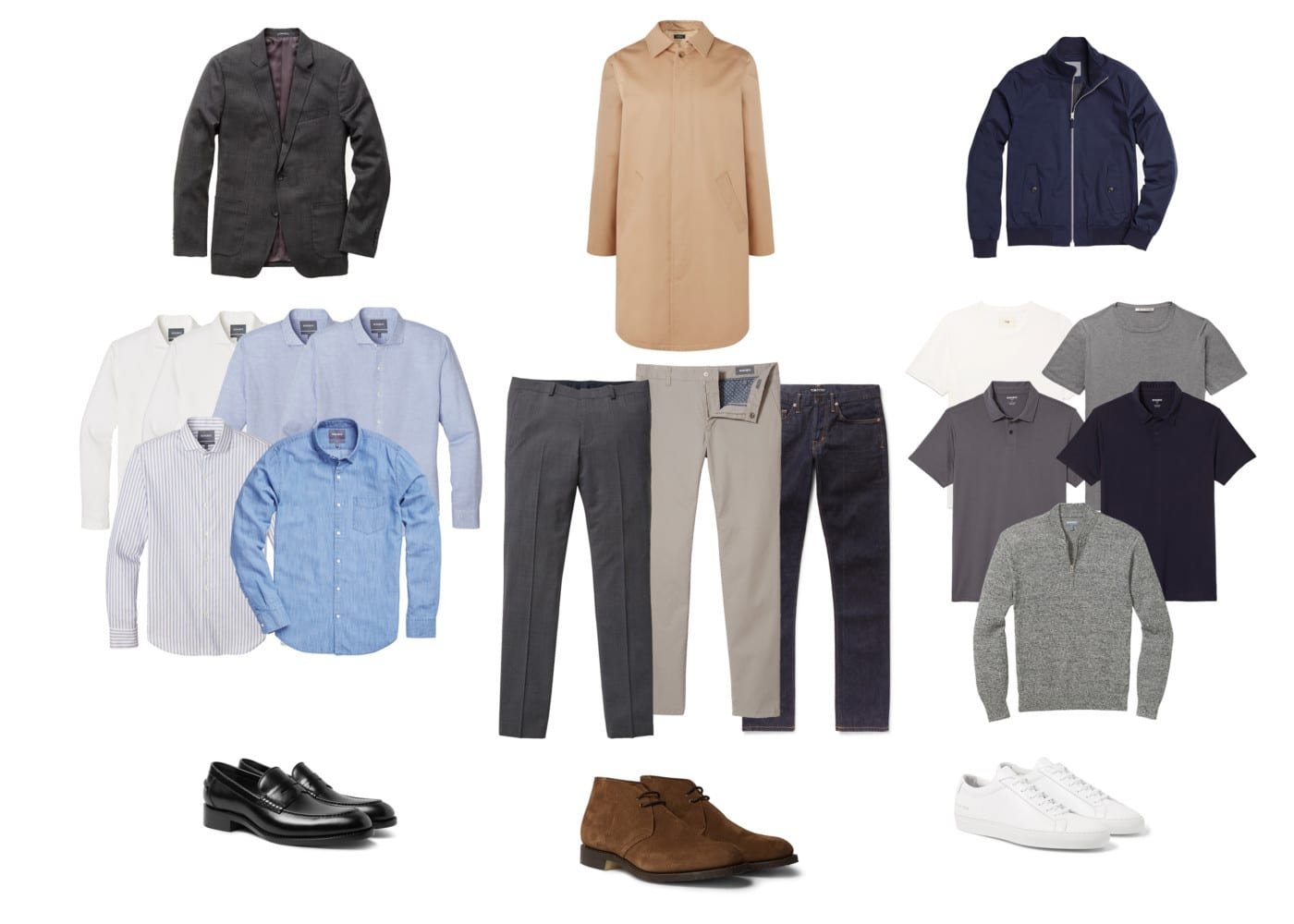
Credit: www.theessentialman.com
Maintaining Your Wardrobe
Building a business casual wardrobe involves selecting versatile pieces like blazers and tailored pants. Prioritize neutral colors for easy mixing and matching. Quality over quantity ensures long-lasting outfits.
Maintaining your business casual wardrobe is key to its longevity. A well-maintained wardrobe ensures you always look polished and professional. Simple care routines and regular updates keep your clothes in top shape. Here are some practical tips to maintain your wardrobe effectively.Care Tips
Proper care extends the life of your clothes. Always check the care labels on your garments. Washing clothes in cold water preserves color and fabric. Use gentle detergents to prevent damage. Hang your clothes to dry, avoiding the dryer when possible. Steam your clothes instead of ironing to reduce wear. Store your clothes in a cool, dry place to prevent mold.Updating Regularly
Keep your wardrobe fresh with regular updates. Every season, assess your wardrobe for outdated items. Donate clothes you no longer wear or need. Invest in versatile pieces that match multiple outfits. Stay aware of fashion trends but don’t feel pressured to follow them. A classic style never goes out of fashion. Mixing new and old pieces keeps your style unique.Shopping Tips
Building a business casual wardrobe can be exciting yet challenging. You want to look professional but also feel comfortable and true to your style. Shopping smartly is key to achieving this balance. Here are some useful tips to help you make the best choices for your wardrobe.
Budget-friendly Options
Shopping on a budget doesn’t mean sacrificing style. Thrift stores offer unique pieces at low prices. Check sales at department stores for quality clothing at discounted rates. Basic items like shirts and pants can often be found on sale.
Look for clothing swaps in your area. These events are perfect for trading items you no longer wear. Online marketplaces also offer affordable clothing options. Always prioritize quality over quantity for lasting wear.
Investment Pieces
Some items are worth the investment. A good blazer adds polish to any outfit. Choose a neutral color for versatility. Quality shoes are another smart investment. They offer comfort and elevate your entire look.
Consider investing in a classic watch. It adds a touch of sophistication. A well-made handbag can also be a staple. It complements your style and is practical for daily use.
Invest in clothing that fits well and stands the test of time. This approach saves money in the long run. Plus, you’ll always have reliable pieces for any occasion.

Credit: themomedit.com
Frequently Asked Questions
What Is Business Casual Attire For Women?
Business casual for women includes blouses, dress pants, skirts, and dresses. Choose neutral colors and simple patterns. Pair with closed-toe flats or low heels. Accessories should be minimal and professional. Blazers and cardigans can add a polished touch.
What Is Business Casual Attire For Men?
Men’s business casual includes button-down shirts, polos, chinos, or dress pants. Opt for neutral colors and simple patterns. Loafers or dress shoes work well. Avoid sneakers and jeans. A blazer or sweater can enhance the look.
Can Jeans Be Business Casual?
Jeans can be business casual if they’re dark-wash and free of rips. Pair them with a neat blouse or shirt. Avoid overly casual tops. Add a blazer to elevate the outfit. Ensure the overall look is polished and professional.
How To Transition From Casual To Business Casual?
To transition, replace casual items with structured pieces. Swap T-shirts for blouses or collared shirts. Choose chinos or dress pants instead of jeans. Add a blazer or cardigan. Opt for dress shoes over sneakers. Keep accessories minimal and professional.
Conclusion
Building a business casual wardrobe is simple and practical. Focus on versatile pieces. Mix and match for different looks. Choose quality over quantity. Neutral colors work best. Add personal style with accessories. Comfort is key for everyday wear. Shop smart and stick to a budget.
Always dress for the occasion. Your wardrobe reflects professionalism. Enjoy expressing yourself through fashion. Stay updated with current trends. Remember, confidence is your best accessory. A well-thought-out wardrobe saves time and stress. Start small and expand gradually. Make dressing up enjoyable, not overwhelming.
Keep these tips in mind for a stylish approach.

Home Interior Design & Renovation Expert at HomeFixio
Sierra Wellington is a skilled home interior designer with extensive experience in plumbing, fittings, and home renovations. Having worked on numerous residential projects, Sierra specializes in creating functional and aesthetically pleasing spaces. With a keen eye for design and a deep understanding of the technical aspects of home improvement, he provides expert advice on everything from layout planning to fixture installations. As a writer for HomeFixio, Sierra shares his practical insights and creative solutions, helping homeowners elevate their spaces with precision and style.