When a Light Bulb Has Burned Out It Will: Signal Change
When a light bulb has burned out, it can be more than just a minor inconvenience. It can disrupt your routine, leaving you groping in the dark—both literally and figuratively.
As you stand there, holding the lifeless bulb, you might wonder, “Is it just a simple replacement, or is there more to it? ” This might be a question you’ve never pondered deeply, but understanding what happens when a light bulb burns out can save you time, money, and even energy.
Imagine being able to prevent future burnouts or choosing the right bulb that lasts longer, offering you a brighter, more reliable glow. Stay with us as we shed light on what really happens when that bulb gives out and how you can take control of your lighting needs. This isn’t just about changing a bulb; it’s about illuminating your entire approach to home lighting.

Credit: electriciansserviceteam.com
Signs A Light Bulb Needs Replacement
Light that flickers or dims might need replacing. Flickering can mean a bulb is failing. Dimming suggests it is not working right. Check if the bulb is securely in its socket. Sometimes, a loose bulb can cause these issues.
A bulb that gives no light is likely burnt out. Ensure the bulb is not broken. If it is in good shape, try a new bulb. Check your lamp or fixture. Sometimes the problem is with the socket or wiring.
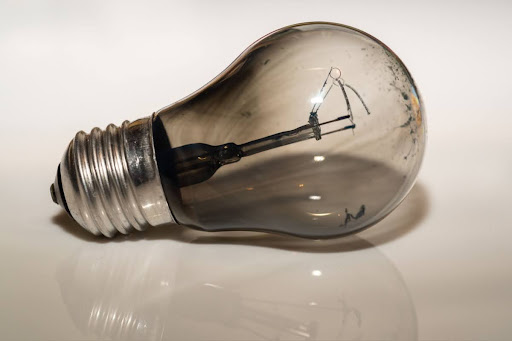
Bulbs with cracks or burn marks need replacing. Broken glass can be dangerous. Damaged bulbs might fail soon. Always replace damaged bulbs to keep your home safe.
Credit: magnifyelectric.com
Impact Of A Burned-out Bulb
A burned-out bulb can cause problems at home. Rooms might become too dark. This makes tasks hard to finish. Reading becomes tough. Cooking can be unsafe. Children may find it hard to do homework. Even simple chores take longer. Finding things in a dark room can be tricky. This can lead to frustration. Daily routines might get delayed.
Safety can be a big issue. Dark rooms hide objects on the floor. Tripping and falling can happen. Stairs become dangerous without light. Elderly people might feel unsafe. Emergency exits need light. Without it, finding them takes time. Accidents can happen in dark spaces. A new bulb brings back safety.
Choosing The Right Replacement
Light bulbs come in many types. Incandescent bulbs are the old kind. They give warm light but use a lot of energy. LED bulbs are the new kind. They save energy and last long. CFL bulbs are curly and bright. They use less energy than old bulbs. Halogen bulbs are bright but get hot.
Choosing a bulb that saves energy is smart. LED bulbs use the least energy. They help save money on bills. CFL bulbs use more energy than LEDs but less than old bulbs. Halogen bulbs use more energy than LEDs and CFLs. Saving energy helps the planet. It also saves money.

Credit: rytecelectric.com
Steps To Replace A Light Bulb
Gather all necessary tools before starting. You need a new bulb and a ladder. Choose the correct bulb type for your fixture. Check for a screwdriver if needed. Ensure your hands are dry. Wet hands can cause accidents.
Safety is very important. Turn off the power switch first. This avoids electric shocks. Let the bulb cool down. Hot bulbs can burn your skin. Wear gloves for extra safety. They protect your hands from glass.
Stand firmly on the ladder. Remove the old bulb by unscrewing it. Carefully take it out. Place the new bulb in the socket. Turn it slowly to secure. Make sure it fits well. Finally, switch on the power to test.
Benefits Of Upgrading Bulbs
New bulbs give better light. Rooms seem brighter. Colors look more real. Old bulbs can flicker or fade. This is not good for eyes. Upgrading gives a steady light. Reading and working become easier. Eyes feel less tired. Everyone enjoys a clear view.
Modern bulbs use less energy. This saves money. Bills go down. LED bulbs last longer. No need to buy bulbs often. Initial cost might be higher. But savings grow over time. Less replacement means less hassle. Energy-efficient bulbs help the planet too. Spend less and save more.
Environmental Impact
Old bulbs use a lot of energy. LED bulbs save more energy. Switching to LED bulbs helps the environment. They use less power and last longer. This means less electricity is needed. Saving energy helps the planet. It also saves money on electric bills. A small change can make a big difference.
Don’t throw old bulbs in the trash. Some bulbs have hazardous materials. They can harm the earth. Take them to a recycling center. Recycling helps keep the planet clean. It also helps reuse materials. Always check your local recycling rules. Proper disposal is good for nature.
Frequently Asked Questions
How Can You Tell If A Bulb Is Burned Out?
A burned-out bulb typically shows a broken filament or dark spots inside. It won’t light up when switched on. If it’s an LED, there might be no visible damage, but it simply won’t work.
What Happens When A Bulb Burns Out?
When a bulb burns out, it stops producing light. This occurs because the filament breaks or the LED components fail. It’s important to replace it promptly for proper lighting.
Why Do Light Bulbs Burn Out Frequently?
Frequent burnouts can result from poor-quality bulbs, electrical issues, or excessive usage. Ensure proper installation and consider using high-quality, energy-efficient bulbs to reduce this problem.
Is It Dangerous To Leave A Burned-out Bulb?
Leaving a burned-out bulb isn’t dangerous but can lead to electrical inefficiency. It may also cause other bulbs to burn out faster. Replace it to maintain optimal lighting and energy usage.
Conclusion
A burned-out light bulb can be frustrating. Replace it promptly for safety. Always have spare bulbs at home. Choose bulbs with longer lifespans. LED bulbs are a great option. They save energy and last longer. Proper disposal of old bulbs is important.
Recycling helps the environment. Check local guidelines for disposal. Regularly check all light fixtures. This prevents unexpected burnouts. Keep your home bright and safe. Simple steps make a big difference. Enjoy well-lit spaces every day. Your home deserves it.

Home Improvement Specialist & Writer at HomeFixio
Caden Rutherford is a seasoned home improvement specialist with extensive hands-on experience in residential construction, renovations, and design. With a keen eye for detail and a passion for transforming spaces, Caden shares practical advice and expert solutions to enhance the functionality and beauty of homes. As a writer for HomeFixio, Caden combines technical knowledge with creative flair, providing readers with informative guides on everything from structural improvements to aesthetic upgrades, empowering homeowners to achieve their ideal living spaces.