Can Normal Light Bulbs Grow Plants: Shedding Light on Growth
Imagine filling your home with lush greenery, all nurtured under the glow of everyday light bulbs. It sounds like a dream, doesn’t it?
If you’ve ever wondered whether your regular light bulbs could double as plant growers, you’re not alone. This concept can seem both intriguing and puzzling, making it a hot topic among plant enthusiasts and beginners alike. You might be questioning if it’s possible to cultivate thriving plants without investing in specialized grow lights.
Before you rush to the store or start rearranging your lamps, it’s crucial to understand the science behind plant growth and how light plays a pivotal role. Could your ordinary light bulb be the secret weapon for a flourishing indoor garden? Keep reading, and you’ll uncover the truth about whether your everyday light bulbs can support your green ambitions.
Basics Of Plant Growth
Plants make their own food through a process called photosynthesis. They use light, water, and air to do this. Light helps plants turn water and air into food. This is very important for their growth. Without light, plants cannot make food. This process happens in the leaves of the plant.
Light is very important for plant growth. Different types of light affect plants differently. Plants need light to grow strong and healthy. They use it to make food and energy. Not all light is the same for plants. Some lights help plants grow better than others. Normal light bulbs might not be enough for plants. Plants need a special kind of light to grow their best.
Types Of Light Bulbs
Incandescent bulbs are common in homes. They give off a warm light. These bulbs are not great for plants. Plants need more blue and red light. Incandescent bulbs give off more yellow and orange light. They also get hot fast. This can harm plants if too close. They use more electricity than other bulbs. Not the best choice for growing plants.
LED bulbs are popular for plants. They are energy-efficient. They stay cool and don’t harm plants. LEDs can give off blue and red light. These colors help plants grow. They last longer than incandescent bulbs. They use less electricity too. Good choice for plant growth.
Fluorescent bulbs are another option. They give off more blue light. This helps leaves grow strong. They don’t get too hot. Safe for plants. Fluorescent bulbs are used in offices and schools. They last longer than incandescent bulbs. These bulbs are good for growing seedlings.
Light Spectrum And Plant Growth
Plants need light to grow. Not all light is the same. Light has different colors. Each color helps plants in different ways. Blue light helps leaves grow. Red light helps flowers bloom.
Normal bulbs might not have the right colors. Plants need a mix of red and blue. Special bulbs give plants what they need. Normal bulbs might grow some plants. But not all plants grow well.
Red light is important for plant growth. It helps plants make food. Blue light helps plants grow strong stems. Together, they help plants be healthy. Plants look for these colors to grow best.
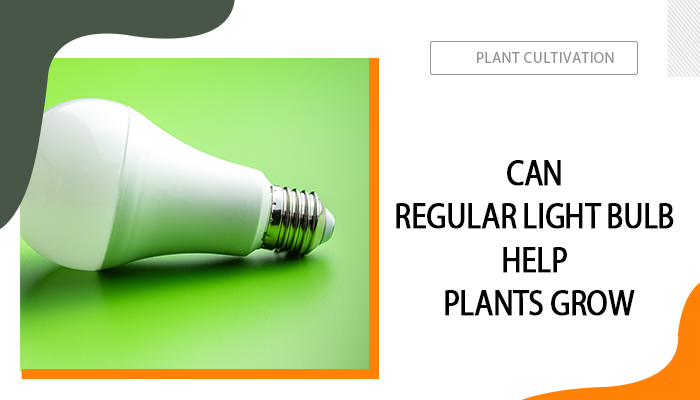
Normal bulbs might miss these colors. This can make plants weak. Plants might not grow flowers. They need balanced light. Special plant bulbs can help. They give plants the best light mix.
Credit: www.spider-farmer.com
Effectiveness Of Normal Light Bulbs
Normal light bulbs can help plants grow but aren’t ideal. They lack the full spectrum needed for photosynthesis. Plants might survive but won’t thrive like they would under specialized grow lights.
Pros And Cons
Normal light bulbscan help plants grow. They are easy to find. Light bulbs are cheapto buy. They use normal power. But they might not be the best choice. Plants need special light to grow well. Normal bulbs may not give enough of this light. Plants need lightto make food. Normal bulbs might miss some colors plants need. This makes plant growth slow.
Energy Efficiency
Energy efficiency means using less power. Normal bulbs use more power than LED bulbs. LED bulbssave energy. They are better for long use. Using normal bulbs can mean high power bills. It’s good to use bulbs that save power. Saving power helps the earth. It also saves money.
Alternatives For Optimal Growth
Plants need special light to grow strong and healthy. Normal bulbs often fail to provide this. Grow lights offer the right kind of light. They mimic the sun’s rays. This helps plants grow better. LED grow lights are popular. They save energy. They last long. Fluorescent grow lights also help. They are great for small plants. They are easy to use. They do not cost much. Choosing grow lights can help your plants grow big and strong.
Natural light is very important for plants. It helps them make food. Windows can let in natural light. Sunrooms are great too. They give plants lots of sunlight. Balconies can also be useful. Plants love sunlight. They need at least six hours of it. Outdoor spaces are best. They have direct sunlight. But, not all places have enough natural light. Grow lights can help when sunlight is not enough.
Credit: www.reddit.com
Practical Tips For Indoor Gardening
Regular bulbs are not always ideal for plants. They can give off heat. This heat can be too much for some plants. LED bulbs are a better choice. They produce less heat and save energy. They come in different colors too. This helps mimic sunlight.
Place the light close to your plants. But not too close. Six inches away is usually good. Leave the light on for 12 to 16 hours a day. Plants need rest too. So, turn off the light at night. This mimics the natural day and night cycle.
Common Myths And Misconceptions
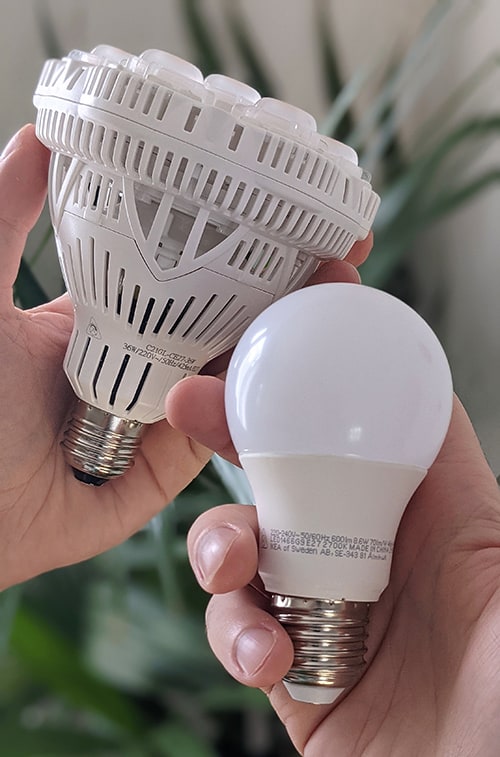
Many people think any light bulb can grow plants. This is not always true. Normal bulbs do not give all the light plants need. Plants need special lightcalled “full spectrum” light. This light helps plants make food.
Energy-saving bulbs save electricity. But they might not help plants grow well. They do not have the right light colors. Plants need blue and red lightto grow strong. These bulbs might not have enough of these colors.
Lamps at home give light. But they might not be good for plants. Plants need light for many hours each day. Regular lamps might not stay on long enough. They also might not be bright enough for plants.
Credit: www.ourhouseplants.com
Frequently Asked Questions
Can Normal Light Bulbs Support Plant Growth?
Normal light bulbs provide some light but lack essential wavelengths for plant growth. Plants need blue and red light, which standard bulbs don’t offer. For optimal growth, consider using bulbs designed for plants, like LED grow lights, which provide the necessary spectrum for photosynthesis and healthy plant development.
Do Plants Grow Well Under Incandescent Bulbs?
Incandescent bulbs are not ideal for plant growth. They emit more heat than light useful to plants. This can harm plants by drying them out. They also lack the specific light spectrum needed for photosynthesis. For better results, use fluorescent or LED grow lights that cater to plant needs.
Why Are Led Grow Lights Better For Plants?
LED grow lights are better because they offer the full light spectrum required by plants. They are energy-efficient and produce less heat, reducing the risk of plant damage. Their light intensity and wavelengths are easily adjustable, making them perfect for different plant growth stages, from seedling to flowering.
How Do Fluorescent Lights Compare To Normal Bulbs For Plants?
Fluorescent lights are more effective than normal bulbs for plant growth. They produce less heat and provide a broader spectrum of light. This makes them more suitable for photosynthesis. Their energy efficiency and versatility make them a popular choice for indoor gardening and starting seedlings.
Conclusion
Normal light bulbs can help plants grow. They provide some necessary light. But they’re not the best option. Plants need specific light wavelengths. LED grow lights are better for this. They support photosynthesis more effectively. If you only have normal bulbs, use them temporarily.
For long-term growth, consider investing in grow lights. They ensure healthier plants and better yields. Normal bulbs are a convenient start. Yet, specialized lights offer optimal growth conditions. Choose wisely for your gardening success. Your plants will thank you.

Home Improvement Specialist & Writer at HomeFixio
Caden Rutherford is a seasoned home improvement specialist with extensive hands-on experience in residential construction, renovations, and design. With a keen eye for detail and a passion for transforming spaces, Caden shares practical advice and expert solutions to enhance the functionality and beauty of homes. As a writer for HomeFixio, Caden combines technical knowledge with creative flair, providing readers with informative guides on everything from structural improvements to aesthetic upgrades, empowering homeowners to achieve their ideal living spaces.