
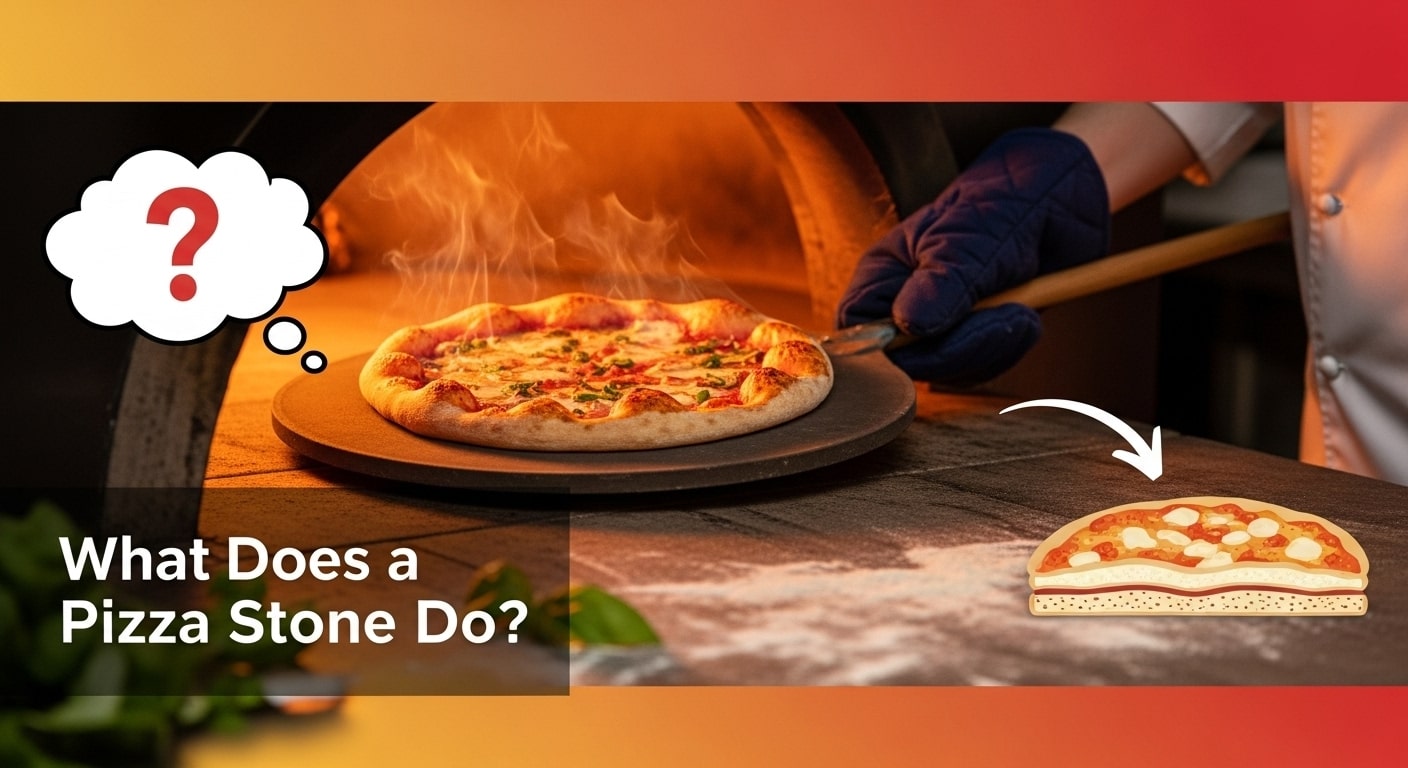
What Does a Pizza Stone Do: Your Baking
Imagine the aroma of freshly baked pizza wafting through your kitchen, the crust perfectly crisp and golden brown. You may wonder how some home cooks achieve such perfection.
The secret lies in a simple tool: the pizza stone. But what exactly does a pizza stone do, and how can it transform your homemade pizza game? You’re about to discover the key to unlocking restaurant-quality pizza right in your own oven.
With insights into how this culinary tool works, you’ll gain the confidence to impress family and friends with pizzas that rival your favorite pizzeria. Get ready to dive into the world of pizza stones and learn how they can elevate your cooking to new heights.
Credit: bakingbites.com
Benefits Of Using A Pizza Stone
Using a pizza stone can transform your homemade pizza experience. This handy kitchen tool offers several benefits that enhance the quality of your pizza. From achieving crispier crusts to ensuring even heat distribution, the advantages of using a pizza stone are worth exploring. Let’s delve into these benefits and understand why a pizza stone might be a great addition to your kitchen arsenal.
Crispier Crusts
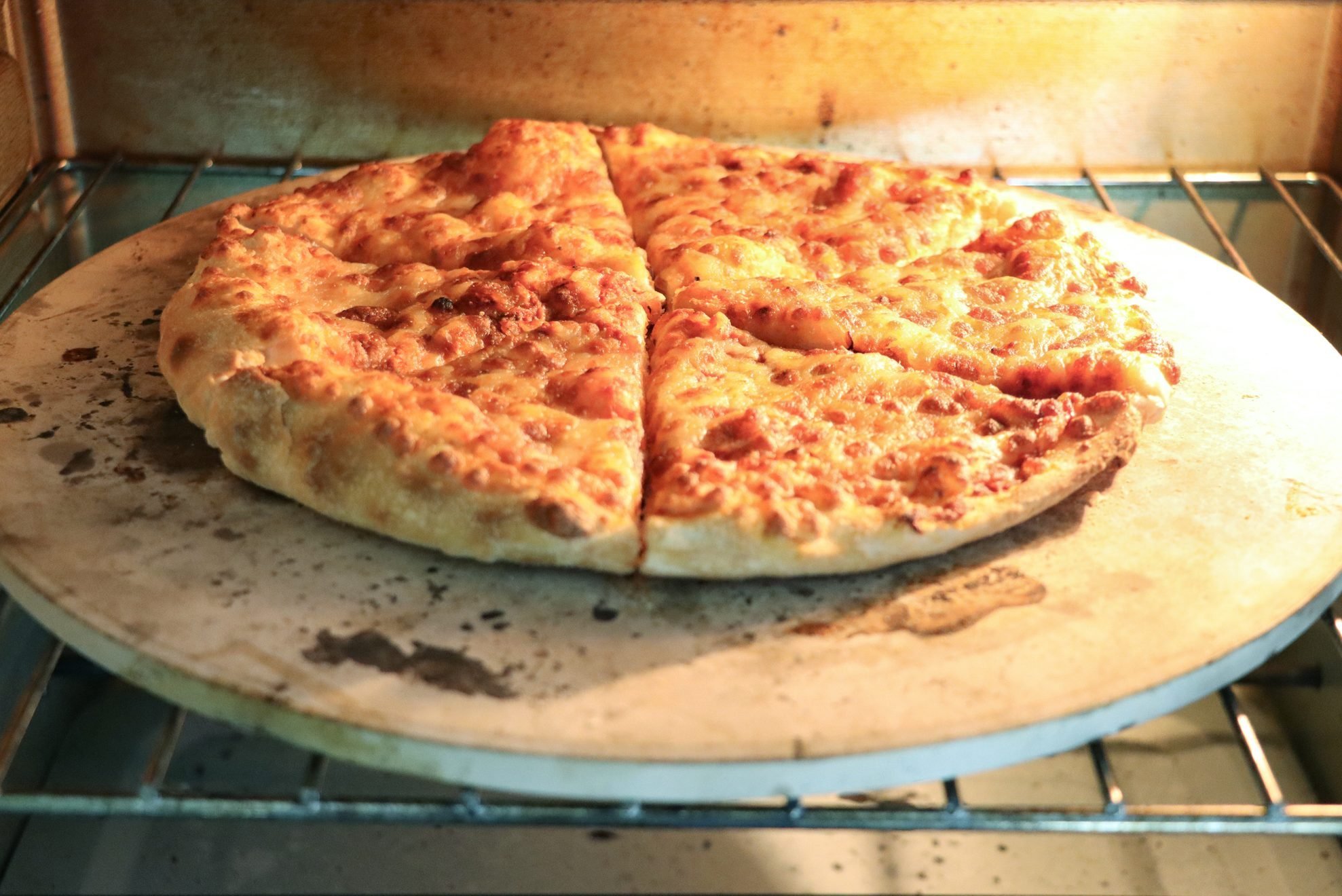
A pizza stone absorbs moisture from the dough. This leads to a crispier crust. Unlike a regular baking sheet, the stone’s porous surface helps remove excess moisture. It gives your pizza that desired crunch and texture. The crust turns golden and crispy, making each slice delightful.
Even Heat Distribution
Pizza stones distribute heat evenly across the surface. This ensures uniform cooking of your pizza. With even heat, there are no cold spots. The toppings cook to perfection, and the cheese melts evenly. It helps prevent burnt edges and undercooked centers.
Improved Cooking Times
Pizza stones retain heat longer than traditional pans. They help reduce cooking times significantly. This means your pizza can cook faster and more efficiently. You can enjoy perfectly baked pizzas in less time. A quicker cooking process preserves the freshness of ingredients.
How A Pizza Stone Works
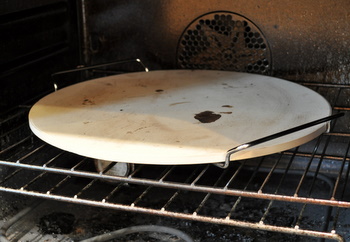
Understanding how a pizza stone works can enhance your baking skills. It mimics the effect of a brick oven. This simple tool transforms your home cooking. The magic lies in its material and design.
Heat Retention Properties
A pizza stone retains heat exceptionally well. Its dense material absorbs heat from the oven. It then distributes this heat evenly. This ensures your pizza cooks uniformly. No more soggy or unevenly cooked pizzas.
The stone’s ability to hold heat creates a crispy crust. It maintains a high temperature throughout the baking process. This helps in cooking the pizza base thoroughly.
Moisture Absorption
Moisture absorption is a key feature of pizza stones. The porous surface absorbs excess moisture. This prevents a mushy pizza bottom. It draws away water from the dough, enhancing the texture.
The result is a perfectly crispy crust. This feature distinguishes a pizza stone from regular baking sheets. It’s ideal for achieving that pizzeria-quality pizza at home.
Choosing The Right Pizza Stone
Choosing the right pizza stone can enhance your baking experience. Different stones offer unique benefits and affect your pizza’s texture and taste. The right choice depends on various factors. Let’s explore these considerations to help you make an informed decision.
Material Options
Pizza stones come in different materials. Ceramic stones are popular for their heat retention. They give pizzas a crispy crust. Cordierite stones resist thermal shock. They are durable and can handle high temperatures. Steel stones heat quickly and cook pizzas faster. Each material offers unique advantages. Consider what suits your cooking style best.
Size And Thickness Considerations
Size matters when picking a pizza stone. Ensure it fits your oven. A larger stone allows baking multiple pizzas at once. Thickness influences heat distribution. Thicker stones retain heat longer. This helps in achieving an evenly cooked pizza. But thicker stones take longer to heat up. Choose based on your patience and cooking needs.
Proper Care And Maintenance
A pizza stone can be your best friend in achieving that perfect, crispy crust. But like any trusty kitchen tool, it requires proper care and maintenance to keep delivering that delightful crunch. Whether you’re a pizza-making pro or just starting your culinary journey, understanding how to care for your pizza stone can make all the difference. Let’s dive into some practical tips for cleaning and storing your pizza stone.
Cleaning Tips
Cleaning your pizza stone might seem intimidating, but it’s simpler than you think. Always let your stone cool completely before attempting to clean it. Rushing the process can lead to cracks, which you definitely want to avoid.
Use a plastic scraper to remove any stuck-on food particles. Avoid using soap or detergents; these can seep into the stone and affect the taste of your next pizza. A damp cloth should suffice for wiping it down.
Wondering about stains? Don’t fret. Stains are part of the stone’s character and won’t affect its performance. Embrace them as a badge of honor from all those delicious pizzas you’ve baked!
Storage Advice
Storing your pizza stone properly ensures its longevity. Keep it in a dry place to prevent moisture absorption, which can lead to cracks.
Consider storing it in your oven. This not only keeps it safe but also preheats it whenever you use the oven, saving you time. Just remember to remove it when using the oven for other recipes that don’t require a stone.
Have a designated space in your kitchen for bulky tools like pizza stones? It’s a good habit to cultivate, as it keeps your kitchen organized and makes finding your stone easy when that pizza craving hits!
Are you investing enough time in caring for your pizza stone? A little effort goes a long way in keeping your kitchen tools functional and ready for action.
Creative Uses Beyond Pizza
Pizza stones are known for making perfect pizzas. But their uses go beyond that. They can transform your cooking experience in creative ways. Discover how these versatile stones can enhance your kitchen adventures.
Baking Bread
Bread baked on a pizza stone is crispier. The stone evenly distributes heat. This creates a crusty loaf with a soft center. Try baking baguettes or sourdough on it. The stone simulates a brick oven environment. Your homemade bread will taste delicious. The results are far better than regular baking sheets.
Roasting Vegetables
Roasting vegetables on a pizza stone is simple. The stone retains heat and cooks evenly. This results in caramelized, flavorful veggies. Cut vegetables into even sizes for best results. Toss them with olive oil and seasonings. The stone will give them a perfect char. This method is great for potatoes, carrots, or bell peppers. A pizza stone can make your veggie dishes stand out.
Credit: www.tasteofhome.com
Troubleshooting Common Issues
Pizza stones are a fantastic tool for achieving crispy, delicious crusts. Yet, many face issues that can hinder performance. Understanding these challenges can help you get the most from your pizza stone. Here, we explore common issues and practical solutions to enhance your pizza-making experience.
Preventing Cracks
Cracks often result from sudden temperature changes. Avoid placing a cold stone in a hot oven. Preheat the stone gradually to prevent thermal shock. Always let the stone cool before washing it. Rapid cooling can cause cracks as well.
Handle with care. Even minor drops can lead to fractures. Always transport the stone with both hands. Store it in a safe place where it won’t fall.
Avoiding Sticking
Sticking is a common complaint among pizza enthusiasts. To prevent this, dust the stone with cornmeal or flour before placing the dough. This creates a barrier, reducing the chance of sticking.
Ensure the dough isn’t too wet. Excess moisture leads to adhesion. Adjust the dough consistency by adding a bit more flour if necessary. Finally, use a pizza peel to slide the pizza onto the stone smoothly.

Credit: www.napoleon.com
Frequently Asked Questions
How Does A Pizza Stone Work?
A pizza stone absorbs and retains heat evenly, mimicking a brick oven. It helps bake the pizza crust evenly, making it crispy. This is achieved by drawing out moisture from the dough. Using a pizza stone can significantly enhance the texture and flavor of your homemade pizzas.
Can A Pizza Stone Improve Crust Texture?
Yes, a pizza stone can improve crust texture significantly. It absorbs moisture from the dough, creating a crispy and delicious crust. The even heat distribution ensures that the crust cooks uniformly, preventing soggy spots. This results in a professional-quality pizza right from your home oven.
What Are The Benefits Of Using A Pizza Stone?
Using a pizza stone offers several benefits. It ensures even cooking, resulting in a crispier crust. It also helps maintain a consistent oven temperature. Moreover, a pizza stone can be used for baking bread and other items, making it a versatile kitchen tool.
Is Preheating A Pizza Stone Necessary?
Yes, preheating a pizza stone is necessary for optimal results. Preheating allows the stone to reach the desired temperature, ensuring even cooking. It typically takes about 30 minutes to preheat. This step is essential for achieving a crispy and evenly baked pizza crust.
Conclusion
A pizza stone makes homemade pizza crust crispy. It mimics a traditional oven. Heat is evenly distributed. This prevents soggy centers and burnt edges. It’s perfect for pizza lovers. Cleaning is easy, and it lasts long. It’s great for other baked goods too.
Bread and cookies turn out well. The stone enhances flavors. It makes meals more enjoyable. Trying a pizza stone is worth it. Discover new cooking experiences. Enjoy delicious, homemade pizza at home.

Home Improvement Expert & Senior Writer at HomeFixio
Eliot Granger is a seasoned home improvement expert with years of experience transforming living spaces. Specializing in everything from kitchen renovations to bathroom upgrades, Eliot shares his knowledge through practical, insightful articles. His passion for creating functional, beautiful homes drives him to offer expert tips and solutions for every corner of your house. As a trusted writer for HomeFixio, Eliot is dedicated to helping homeowners make informed decisions and achieve precision in their projects.

