Does Fan on Furnace Bring in Outside Air: Truth Revealed
Have you ever wondered if the fan on your furnace is pulling in fresh air from outside? Understanding how your furnace fan works can help you improve your home’s comfort and air quality.
You might be surprised to learn what role that fan plays in your heating system. Keep reading to discover the truth about your furnace fan and why knowing this can make a big difference for your home.
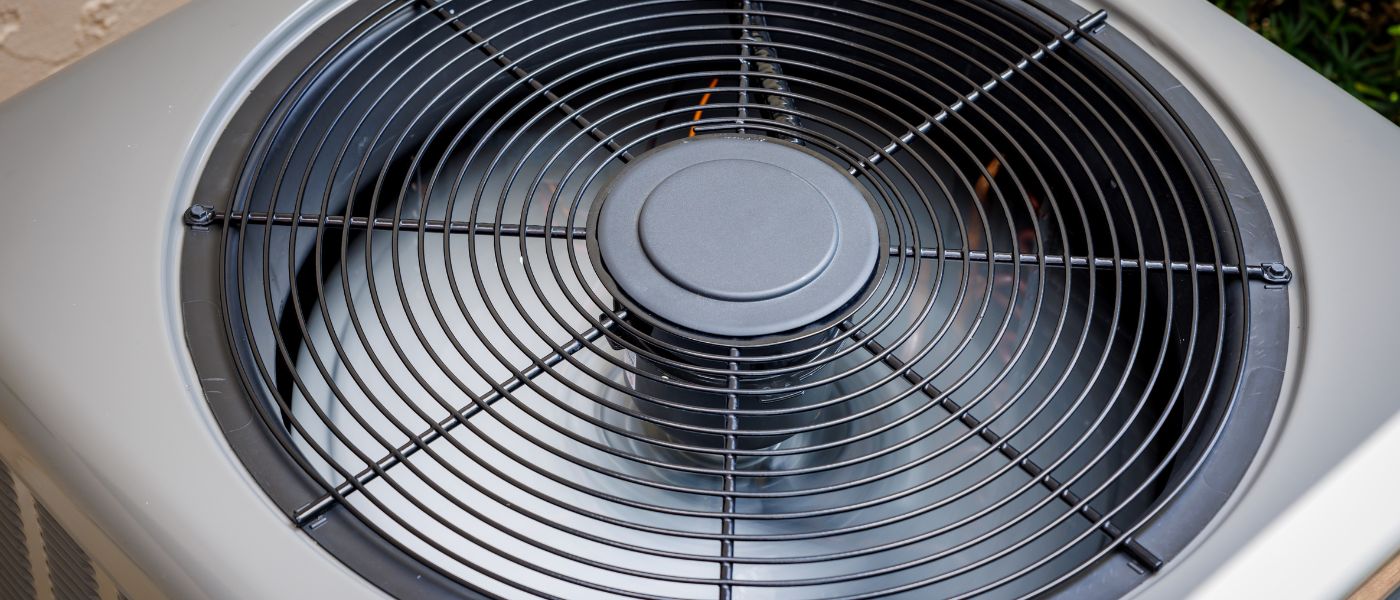
Credit: lionshvac.com
Furnace Fan Basics
Understanding the basics of your furnace fan can clear up a lot of confusion about how your heating system works. Many people wonder if the furnace fan brings in outside air or simply circulates the air inside your home. Getting a grip on these fundamentals helps you make smarter decisions about your home’s air quality and energy use.
Function And Purpose
The furnace fan’s main job is to move air through your heating system and into your living spaces. It pushes warm air from the furnace’s heat exchanger into your rooms to keep you comfortable. This fan runs either when the furnace is heating or, in some cases, continuously to circulate air.
It’s important to know that the furnace fan typically recirculates indoor air rather than pulling air from outside. This keeps your heating efficient and prevents cold drafts from entering your home. Have you noticed your furnace fan running even when the heater is off? That’s usually to keep air moving and maintain even temperatures.
Common Misconceptions
A common myth is that the furnace fan draws fresh outside air into your home. In reality, most standard furnace fans only circulate the air already inside. Bringing in outside air requires a dedicated fresh air intake or ventilation system, not just the furnace fan.
Another misconception is that running the fan constantly will improve air quality. While it helps with air circulation, it doesn’t filter out pollutants unless paired with a proper air filter. If you’re worried about stale air, consider adding an air purifier or improving your home’s ventilation instead.
Have you ever felt your home getting stuffy despite the fan running? This might be because the fan isn’t designed to replace indoor air with fresh outdoor air. Knowing this can help you decide whether you need extra ventilation solutions for better indoor air quality.
Air Circulation In Furnaces
Understanding air circulation in furnaces is key to knowing whether the fan brings in outside air. Your furnace relies on a system designed to move air efficiently through your home’s heating system. This airflow affects comfort, energy use, and indoor air quality.
Internal Airflow Mechanism
The furnace moves air through a closed loop inside your home. It pulls warm air from your rooms, heats it, then pushes it back out. This cycle keeps the air inside, rather than pulling in air from outside.
Think about your furnace like a giant air pump. It doesn’t open to the outdoors; instead, it recirculates the air you already have. This design helps maintain steady indoor temperatures and prevents cold outdoor air from disrupting your comfort.
Role Of The Blower Fan
The blower fan is the heart of this airflow system. It pushes the warmed air through the ductwork and vents into your living spaces. Without the blower fan running, heated air wouldn’t reach your rooms effectively.
One common misconception is that the fan pulls fresh outside air in. Actually, the fan moves the indoor air that has already been heated or cooled. If your system brings in outside air, it’s usually through a separate ventilation system or an air exchanger, not the blower fan itself.
Have you noticed how your home feels when the fan runs without heat? That air is just circulating inside, not pulling in new air. This shows how the blower fan keeps your indoor air moving but doesn’t directly bring in outdoor air.
Source Of Air In Furnace Systems
The source of air in furnace systems often confuses many homeowners. You might wonder if the fan on your furnace pulls fresh air from outside or simply moves the air already inside your home. Understanding where the air originates can help you improve indoor air quality and heating efficiency.
Recirculating Indoor Air
Most furnace fans primarily recirculate indoor air. They draw air from your home’s rooms through return vents, heat it, and then send it back through the supply vents. This cycle keeps the air inside your house warm without constantly bringing in cold outside air.
This approach helps save energy since heating outside air requires more fuel or electricity. However, it can also trap dust, allergens, and odors if your filters or ducts aren’t clean. Have you ever noticed that your home feels stuffy or smells stale after running the furnace for a while? That’s often the result of recirculated air that hasn’t been refreshed.
Impact Of Ductwork Design
The way your ductwork is designed greatly influences the air your furnace fan moves. If your system includes dedicated fresh air intakes, it can mix outside air with indoor air before heating. Without these intakes, the furnace relies solely on indoor air.
Improper duct design can also lead to leaks, pulling unconditioned air from attics, crawl spaces, or even outdoors unintentionally. This can reduce efficiency and introduce contaminants. Do you know where your return ducts lead and if they are sealed well? Checking this can make a big difference in your home’s air quality and heating costs.
Furnace Fan Settings
Furnace fan settings control how air moves through your home. Understanding these settings helps you manage comfort and air quality. The fan can run in different modes, each with its own effect on airflow and energy use.
On Vs. Auto Mode
The furnace fan has two main modes: On and Auto. In On mode, the fan runs continuously, circulating air even when the furnace is off. This keeps air moving but can use more energy. Auto mode runs the fan only when the furnace heats the air. It stops when the heating cycle ends, saving energy but reducing constant airflow.
Energy Efficiency Considerations
Running the fan in Auto mode uses less electricity than On mode. Continuous fan operation can increase energy bills. Some homes benefit from On mode for better air circulation. Others save more energy by choosing Auto mode. Programmable thermostats can help switch fan modes at different times. This balances comfort and energy savings effectively.
Ventilation And Fresh Air Intake
Understanding how ventilation and fresh air intake work with your furnace fan is key to maintaining a healthy indoor environment. Many people wonder if their furnace fan actually brings outside air into their home or simply recirculates the indoor air. Let’s take a closer look at how ventilation systems handle fresh air and how they interact with your HVAC setup.
Separate Ventilation Systems
Separate ventilation systems are designed specifically to bring fresh air from outside into your home. These systems don’t rely on your furnace fan to introduce outside air. Instead, they use dedicated ducts and fans to pull in fresh air and exhaust stale air.
This means your furnace fan mostly recirculates the indoor air for heating or cooling, without adding outside air. If you’ve noticed stuffy air indoors despite running your furnace fan, it might be because fresh air isn’t being brought in adequately. Have you ever felt the difference when a ventilation system is working properly? The air feels lighter and less stale, which can improve comfort and reduce odors.
Integration With Hvac Systems
Some modern HVAC systems combine heating, cooling, and ventilation into one setup. In these cases, the furnace fan can work with fresh air intakes to bring outside air into your home. This integration allows controlled ventilation without losing energy efficiency.
For example, an energy recovery ventilator (ERV) or heat recovery ventilator (HRV) can be connected to your HVAC system. These devices bring in fresh air and transfer heat between the incoming and outgoing air, so you don’t waste energy heating or cooling the fresh air.
Do you know if your HVAC system includes these features? Checking your system’s specifications or consulting a professional can help you understand how fresh air is managed in your home. Proper integration means your furnace fan isn’t just blowing air around—it’s helping maintain a healthier atmosphere.
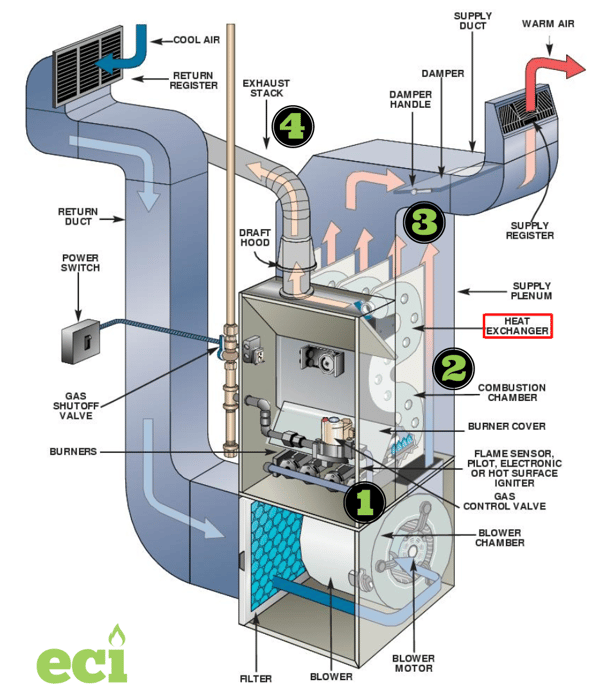
Credit: www.ecicomfort.com
Factors Affecting Air Quality
Understanding the factors that affect air quality in your home is essential, especially when using a furnace fan. The fan can influence the air you breathe, but its impact depends on several key elements. Paying attention to these can help you maintain a healthier indoor environment.
Filter Maintenance
The condition of your furnace filter plays a huge role in air quality. A dirty or clogged filter struggles to catch dust, pollen, and other airborne particles. This means contaminants can circulate freely, reducing the air quality inside your home.
Changing or cleaning your filter regularly is a simple way to improve airflow and keep the air cleaner. Depending on your environment, this might be every 1 to 3 months. Have you checked your filter lately? It could be the silent culprit behind stale or dusty air.
Humidity Control
Humidity levels directly affect how comfortable and healthy your indoor air feels. Too much moisture encourages mold and mildew growth, which releases spores harmful to breathe. On the other hand, very dry air can cause irritation to your skin and respiratory system.
Using a humidifier or dehumidifier alongside your furnace fan can help maintain balanced humidity levels. Aim for a range between 30% and 50% to support optimal air quality. What’s your current humidity level? Simple gadgets can measure it and help you adjust accordingly.
Myths And Facts About Furnace Fans
Furnace fans often spark confusion about their role in bringing outside air into your home. Many people believe these fans pull fresh air from outside, but the reality is more nuanced. Clearing up these myths can help you understand your system better and maintain a healthier indoor environment.
Common Misunderstandings
One widespread myth is that the furnace fan constantly draws in outside air to circulate indoors. In fact, most standard furnace fans recirculate the air already inside your home rather than pulling fresh air from outside.
Another misconception is that running the fan improves air quality by bringing in fresh air. While the fan does move air through filters, it doesn’t introduce new air unless your system is specifically designed with an outdoor air intake.
Many also believe that turning on the fan alone can heat or cool the house efficiently. However, the fan’s primary job is to distribute air, not change its temperature. The heating or cooling happens through other components of the HVAC system.
Expert Insights
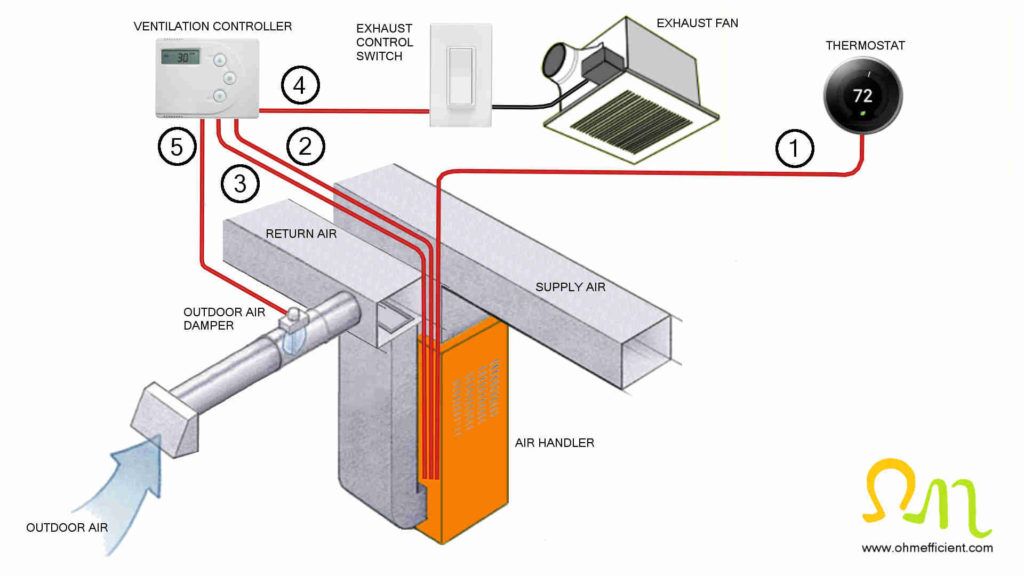
HVAC professionals explain that furnace fans work within a closed system, recirculating indoor air to maintain temperature. If your goal is to bring outside air in, you need a ventilation system or an HVAC setup with a dedicated fresh air intake.
Some modern furnaces include an option for fresh air intake, but it’s not the norm. If you want to improve indoor air quality, consider adding an air exchanger or opening vents designed for outdoor air.
Have you ever wondered why your furnace fan runs even when the heater is off? Experts say this can help keep air moving and reduce stuffiness, but it won’t bring in fresh air on its own. Understanding this can help you make better decisions about your home’s ventilation.
Credit: ohmefficient.com
Frequently Asked Questions
Does Furnace Fan Bring In Fresh Outside Air?
No, the furnace fan typically circulates indoor air only. It does not pull fresh outside air into your home unless it’s part of a dedicated ventilation system.
How Does Furnace Fan Affect Indoor Air Quality?
The furnace fan moves air through filters, improving air quality by trapping dust and allergens. It does not introduce outside air unless connected to a fresh air intake.
Can Furnace Fan Increase Ventilation In My Home?
Not by itself. Furnace fans recirculate indoor air. Proper ventilation requires a separate system designed to bring in and exhaust outside air.
Is Outside Air Needed For Furnace Operation?
Some furnaces require outside air for combustion, but the fan itself does not bring this air inside. Combustion air usually enters through a dedicated vent.
Conclusion
The fan on your furnace usually moves indoor air, not outside air. It helps spread warm air inside your home. Bringing in fresh air needs a different system. Understanding this can help you keep your home comfortable. Always check your furnace setup to know how it works.
Proper ventilation keeps your air clean and healthy. Stay informed and make smart choices for your home’s air quality.

Home Improvement Specialist & Writer at HomeFixio
Caden Rutherford is a seasoned home improvement specialist with extensive hands-on experience in residential construction, renovations, and design. With a keen eye for detail and a passion for transforming spaces, Caden shares practical advice and expert solutions to enhance the functionality and beauty of homes. As a writer for HomeFixio, Caden combines technical knowledge with creative flair, providing readers with informative guides on everything from structural improvements to aesthetic upgrades, empowering homeowners to achieve their ideal living spaces.