
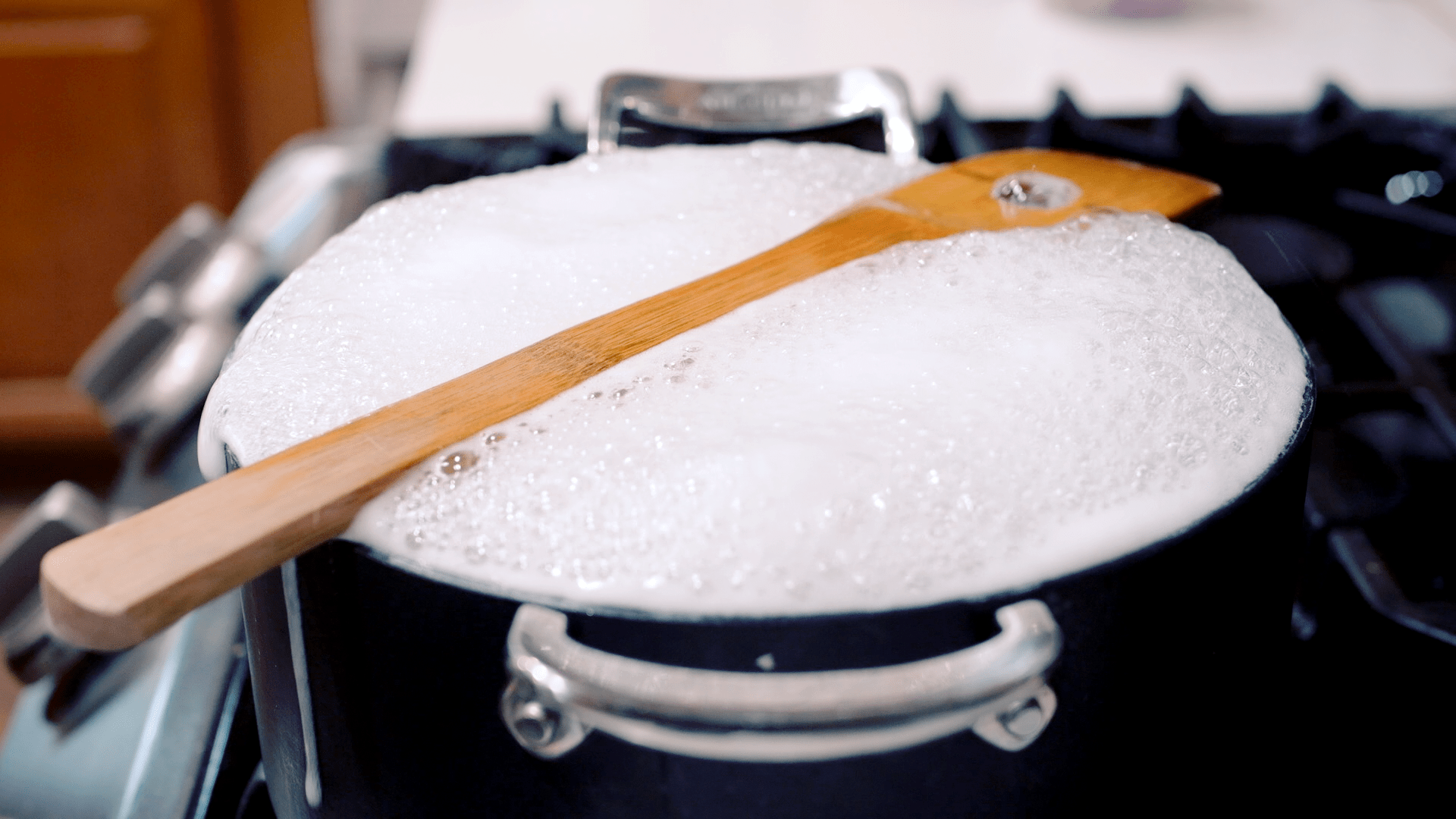
Does a Wooden Spoon Stop Boiling Over: Myth or Magic?
Have you ever stood by the stove, anxiously watching a pot of pasta or soup, only to see it boil over and create a mess? You’re not alone.
Kitchens everywhere have witnessed this frustrating scene. But what if a simple wooden spoon could prevent it? It’s a trick many swear by, claiming that placing a wooden spoon across a pot can stop the bubbling chaos. Is this just another kitchen myth, or is there science backing this up?
Before you grab your spoon and try it out, let’s dive into the reasons why this might—or might not—work. Stick around, because you’re about to discover a surprising kitchen hack that could save you from that dreaded stovetop disaster.

Credit: www.instagram.com
The Wooden Spoon Technique
The wooden spoon technique is popular among home cooks. It’s simple and effective. Many believe it stops pots from boiling over. A wooden spoon can save time and mess. Let’s explore how this technique works.
How It Works
Wood is porous and absorbs heat. Placing a wooden spoon across a pot can break bubbles. The bubbles pop on the spoon’s surface. This reduces the chance of boiling over. It acts as a gentle barrier. The spoon interrupts steam, keeping things calm.
Common Practices
Place the spoon horizontally over the pot. Ensure it covers most of the surface. Use it when boiling pasta, rice, or potatoes. Stir the pot occasionally. This helps the spoon work effectively. Many cooks trust this method. It’s a quick fix for kitchen spills.
Science Behind Boiling Over
Many wonder if a wooden spoon can prevent boiling over. Understanding the science helps. Let’s dive into the reasons why pots boil over and how a wooden spoon might help.
Causes Of Boiling Over
Boiling occurs when a liquid heats up and forms bubbles. These bubbles rise to the surface and pop, releasing steam. Sometimes, bubbles form too quickly, causing the liquid to overflow. Starchy foods like pasta or rice release more starch. This increases bubble formation. The excess bubbles lead to a mess on the stove.
Role Of Surface Tension
Surface tension plays a key role in boiling over. It is the force that holds liquid molecules together. Surface tension creates a thin film on top of the liquid. This film can break easily if bubbles form too quickly. A wooden spoon disrupts the surface tension. It pops bubbles as they reach the top. This prevents the liquid from spilling over the edge.
Evaluating The Wooden Spoon Method
The wooden spoon method is a popular trick to prevent boiling over. Many cooks believe placing a spoon on a pot stops overflow. This section evaluates the effectiveness of this technique. It also compares it with other boil-over prevention methods.
Effectiveness In Preventing Boil Over
Does the wooden spoon really work? Placing a wooden spoon on a pot creates a barrier. It breaks the surface tension of rising foam. This slows down boiling over. The spoon absorbs heat, cooling the foam slightly. Yet, it might not fully prevent spills during rapid boiling.
The spoon works best with moderate boiling. It is less effective with heavy bubbling. The type of wood can also impact results. Hardwood spoons might work better than softwoods. They have denser fibers which absorb heat more efficiently.
Comparing With Other Methods
Other methods can be more reliable than a wooden spoon. Using a larger pot allows more space for bubbles to expand. This is a straightforward way to prevent overflow. Reducing heat is another simple tactic. Lowering the temperature slows bubbling and helps control boiling.
Cooking with lids slightly ajar releases steam. This reduces pressure and prevents boil over. Some cooks use oil or butter around the pot’s rim. This creates a slippery barrier, stopping foam from sticking. Comparing methods shows wooden spoons work, but alternatives might be better.
Pros And Cons Of Using Wooden Spoons
Using wooden spoons in the kitchen isn’t just about tradition or aesthetics. They have specific pros and cons that can affect your cooking experience. If you’ve ever wondered whether a wooden spoon really stops boiling over, understanding its benefits and limitations can help you decide whether this tool is right for your culinary needs.
Benefits Of Wooden Spoons
Wooden spoons are gentle on cookware. Unlike metal utensils, they won’t scratch your pots and pans. This is especially important for non-stick surfaces where scratches can ruin the coating.
They are also heat-resistant. Unlike plastic, which can melt if left in a hot pan, wooden spoons can handle high temperatures without warping or melting.
With their natural composition, wooden spoons don’t conduct heat. You won’t burn your hand if you accidentally leave one resting on the edge of a pot. This can be a real lifesaver in busy kitchens.
Consider their durability. Wooden spoons can last for years if cared for properly. Remember that time you borrowed one from your grandmother? It likely had decades of use and still functioned perfectly.
Limitations And Concerns
Wooden spoons can absorb flavors and odors. If you’ve ever stirred a strong curry, you might find the spoon smells like spices even after washing. This can affect the taste of other dishes.
These spoons require proper care to prevent bacteria buildup. Unlike dishwasher-safe utensils, wooden spoons need hand washing and thorough drying to avoid mold and germs.
They can be less precise than metal spoons. If you’re looking to scrape every bit from the pan, a wooden spoon might not be your best choice.
Consider the environmental impact. While wood is natural, the production process can contribute to deforestation. Are you choosing sustainably sourced wood? This is something to ponder.
In essence, wooden spoons offer great benefits but aren’t without flaws. Is the charm of a wooden spoon enough to outweigh these concerns in your kitchen? Your culinary journey will guide your decision.
Alternative Solutions
Curious cooks often place a wooden spoon on a pot to prevent boiling over. Its porous surface disrupts bubbles, reducing spill risks. This simple method offers an alternative to traditional techniques, helping maintain a clean stovetop without constant supervision.
Boiling over is a common kitchen mishap that can lead to frustrating cleanup sessions. While many swear by the wooden spoon trick, there are alternative solutions worth considering. These methods not only help in preventing spills but also enhance your cooking experience. Let’s dive into some practical tips that can save you time and stress.Lid Modifications
A simple tweak to your pot lid can be a game changer. Try leaving the lid slightly ajar, allowing steam to escape. This reduces pressure and helps prevent boiling over. If you’ve ever watched a pot boil, you’ll know that steam builds up quickly. By giving it an escape route, you avoid the mess. You can also use a specially designed lid with a steam vent, found in many kitchen stores. These modifications can make a noticeable difference in your cooking routine.Use Of Oil And Butter
Adding a bit of oil or butter can work wonders. The fats help break the surface tension of boiling liquids. This simple addition can prevent the bubbles from rising too high. Have you ever noticed how pasta often sticks together? A splash of oil not only prevents boiling over but also keeps your noodles separate. Experiment with different types of oils or butter for added flavor. Next time you’re cooking, ask yourself: could a dash of oil save you from a spill?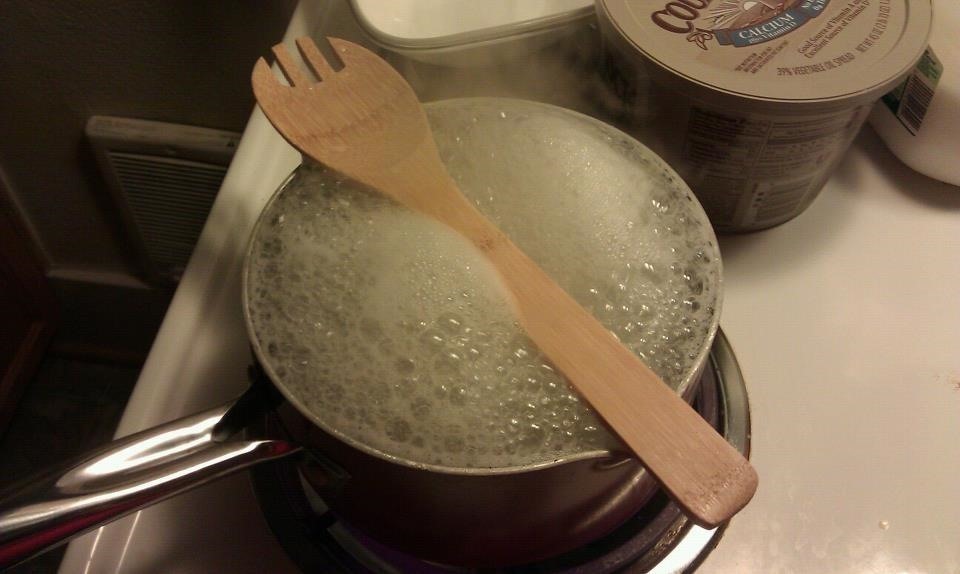
Credit: thecutleryreview.com
Culinary Myths And Realities
Cooking is full of traditions and tales. Some have stood the test of time. Others? Not so much. One popular myth is the wooden spoon. Does it really stop pots from boiling over? Let’s explore this and other kitchen myths. We will separate fact from fiction.
Common Kitchen Myths
Many believe a wooden spoon prevents pots from boiling over. It’s a common kitchen trick. But is it true? Some say the spoon breaks bubbles. Others think it absorbs heat. There are many other myths, too. Salt in water speeds up boiling. Cold water boils faster than hot. These myths persist despite evidence.
Scientific Testing And Results
Science often debunks kitchen myths. Tests show wooden spoons don’t stop boiling. They may delay it. By disrupting bubbles. But it’s not foolproof. The spoon might help briefly. But water will eventually boil over. Experts have tested other myths too. Salt does not significantly speed up boiling. Hot water reaches boiling faster than cold. These tests reveal truths behind common beliefs.
Personal Experiences And Anecdotes
Ever tried using a wooden spoon to stop boiling water from overflowing? It seems to work for many cooks. The spoon breaks the bubbles, preventing spillovers, and saves cleanup time.
Does a wooden spoon really stop water from boiling over? This question has sparked curiosity and debates in kitchens around the world. While scientific explanations abound, personal experiences and anecdotes often provide the most relatable insights. They offer a glimpse into how this kitchen trick is perceived and applied by both home cooks and professional chefs. Let’s dive into some real-life stories and expert insights.Stories From Home Cooks
Many home cooks swear by the effectiveness of a wooden spoon. It’s a simple trick passed down through generations. For example, Sarah, a mother of three, always places a wooden spoon across her pasta pot. She says it saves her from the mess of a boiling over pot during her hectic evenings. Another home cook, Mark, enjoys experimenting with kitchen myths. He tested the wooden spoon trick while making a big batch of soup. He noticed that the spoon did seem to help, although he wasn’t entirely convinced it was foolproof. Have you ever tried this technique in your kitchen? Does it work for you, or is it just a comforting ritual?Professional Chefs’ Insights
Professional chefs often have their own take on this kitchen hack. Some appreciate its traditional charm but rely on other methods for more consistent results. Chef Laura, who runs a bustling restaurant kitchen, acknowledges the wooden spoon trick. However, she prefers adjusting the heat and using larger pots to prevent boil overs. She notes that while the spoon can be helpful, it’s not a substitute for mindful cooking. Chef Tom shares that his grandmother taught him the wooden spoon trick. He uses it occasionally but emphasizes that timing and attention are key to preventing boil overs in a professional setting. These insights from the culinary world might prompt you to reevaluate your own kitchen practices. Would you rely on a wooden spoon, or do you have other tricks up your sleeve?
Credit: www.todayyoushouldknow.com
Frequently Asked Questions
How Does A Wooden Spoon Prevent Boiling Over?
A wooden spoon interrupts bubble formation, disrupting the surface tension. This prevents the liquid from boiling over. The spoon also absorbs some heat, lowering the temperature slightly. It’s a simple yet effective method used in kitchens worldwide to manage boiling liquids.
Is A Wooden Spoon Effective For All Pots?
A wooden spoon works best in smaller pots with less liquid. In larger pots, the effect may be less noticeable. It’s essential to monitor the pot and adjust heat as necessary. Using a lid with a vent can also help control boiling over.
Why Choose Wood Over Metal Or Plastic Spoons?
Wooden spoons are heat-resistant and won’t melt or conduct heat like metal. They are safe for non-stick surfaces, preventing scratches. Wood is also more porous, aiding in absorbing heat and surface tension. This makes wooden spoons ideal for managing boiling over.
Can A Wooden Spoon Stop Boiling Pasta?
Yes, a wooden spoon can help manage boiling pasta. It disrupts the bubbles, reducing the chances of boiling over. Ensure to adjust the heat and stir occasionally for best results. Keeping the pot uncovered slightly can also prevent excessive boiling.
Conclusion
Wooden spoons can help prevent pots from boiling over. They break surface tension, allowing bubbles to settle. It’s a simple trick that many cooks use. But it’s not foolproof. Large boils still spill over sometimes. Keep an eye on your pot.
Adjust heat if necessary. Use a larger pot for more space. Wooden spoons are handy, but not magic. Cooking requires attention and care. Experiment with different methods. Find what works best for your kitchen. Whether wooden spoons or another trick, stay involved.
Cooking is part science, part art. Enjoy the process!

Home Improvement Expert & Senior Writer at HomeFixio
Eliot Granger is a seasoned home improvement expert with years of experience transforming living spaces. Specializing in everything from kitchen renovations to bathroom upgrades, Eliot shares his knowledge through practical, insightful articles. His passion for creating functional, beautiful homes drives him to offer expert tips and solutions for every corner of your house. As a trusted writer for HomeFixio, Eliot is dedicated to helping homeowners make informed decisions and achieve precision in their projects.


