
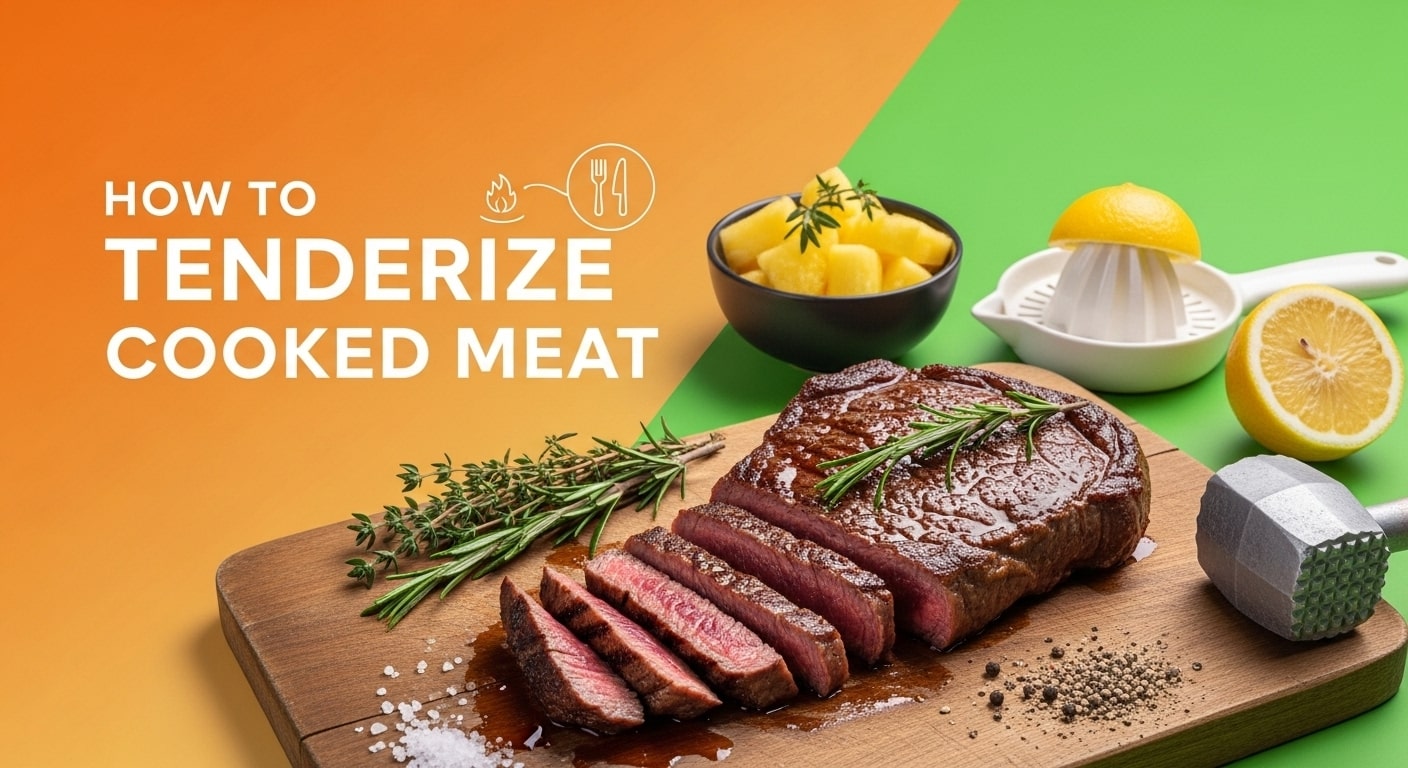
How to Tenderize Cooked Meat: Expert Tips Revealed
Imagine serving a beautifully cooked meal, only to find the meat is tough and chewy. Frustrating, right?
You want your dishes to delight, not disappoint. The good news is, there are simple techniques to rescue your cooked meat and make it tender and enjoyable. You’ll discover how to transform your dish from tough to tender, ensuring that every bite melts in your mouth.
By mastering these methods, you can turn a culinary mishap into a triumph, impressing your guests and bringing satisfaction to your dining table. Dive in and learn how to make your cooked meat tender, keeping your meals deliciously memorable.
Common Mistakes With Cooked Meat
Tenderizing cooked meat can be tricky. Overcooking often leads to tough meat. Try using broth or vinegar to soften it. Resting the meat before serving also helps retain moisture.
Cooking meat to perfection is an art, but even the best chefs encounter hiccups. Mistakes often arise after the cooking process, and these blunders can make your meat tough and chewy. Understanding these common pitfalls can save your meal and ensure it remains tender and delicious.
Overcooking The Meat
One of the most frequent errors is overcooking. It’s tempting to leave the meat on a bit longer, just to be sure it’s cooked through. But this can lead to dryness and a tough texture. Use a meat thermometer to check doneness, ensuring you hit the sweet spot for juiciness.
Skipping The Resting Period
Do you slice your meat right out of the pan? That’s a mistake many make. Resting allows juices to redistribute throughout the meat, keeping it moist. Next time, wait a few minutes before cutting and enjoy the difference.
Ignoring The Cut Of Meat
Not all cuts are created equal. Each cut has its own cooking needs and tenderizing techniques. For example, tougher cuts like brisket benefit from slow cooking methods. Consider your cut’s characteristics to avoid tough outcomes.
Forgetting To Add Moisture
Cooked meat can dry out if left unattended. Adding a splash of broth or sauce can work wonders in rehydrating it. A simple homemade gravy or glaze can elevate the flavor while restoring moisture.
Reheating Without Care
Reheating can be tricky. Microwaves often zap the moisture out of meat. Instead, try reheating in a covered dish in the oven or on the stovetop with a bit of liquid. You’ll notice a significant improvement in tenderness.
Not Considering Marinades
Did you know marinades can tenderize even after cooking? A quick post-cook marinade or sauce can add flavor and moisture. Just make sure to choose a marinade that complements your dish. Reflect on your last cooking experience. Did you identify with any of these mistakes? Avoiding these errors can make your next meal a triumph. What tips do you have for keeping meat tender and juicy? Let’s hear your thoughts in the comments!
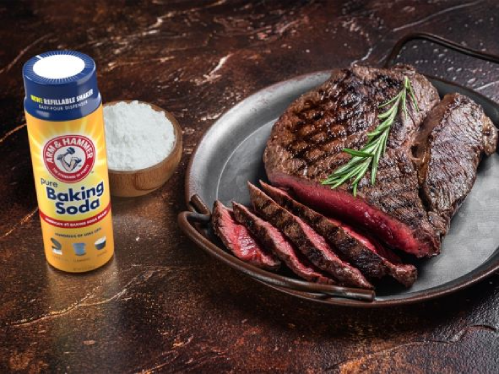
Credit: www.armandhammer.com
Choosing The Right Tools
When you’re faced with a piece of cooked meat that’s tougher than you’d like, choosing the right tools can make all the difference. Whether you’re aiming for a melt-in-your-mouth texture or just a little more tenderness, the right equipment can be your best ally. Let’s dive into the tools that can transform your culinary outcomes.
First things first, you need to assess what you have in your kitchen. A simple fork can be surprisingly effective. You can use the prongs to gently poke the meat, helping to break down the fibers. It’s something most of us have on hand and it’s easy to use.
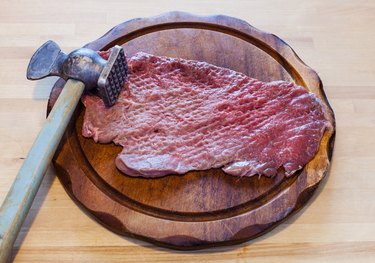
Another tool worth mentioning is a meat mallet. This tool is designed specifically for tenderizing. Its flat side is perfect for cooked meat, offering a gentle touch that won’t turn your dish into mush. Remember, you want to coax the tenderness, not force it.
Consider investing in a quality meat slicer. Slicing cooked meat thinly can improve its tenderness by breaking down the structure. It’s a technique that can save a tough roast or steak, making each bite more enjoyable.
Using Everyday Items
What if you don’t have specialized tools? Don’t worry; everyday items can come to your rescue. A rolling pin, for instance, can function similarly to a meat mallet. It’s a bit unconventional, but it works in a pinch to soften those stubborn cuts.
Another unexpected helper is a plastic wrap and a pan. Cover the meat with plastic wrap and gently press down with a heavy pan. This method helps distribute pressure evenly, improving texture without damaging the meat.
Choosing The Right Technique
It’s not just about the tools, but also how you use them. Think about how you can pair techniques with tools for optimal results. For example, combining a fork with marination can enhance tenderness significantly. The prongs help the marinade penetrate deeper.
Have you tried using a slow cooker post-cooking? This might sound unusual, but slow cooking can revive a tough piece of meat, blending flavors while tenderizing. It requires patience, but the results can be rewarding.
Which tool will you choose next time you face a tough piece of meat? Sometimes, experimenting with different methods can lead to delightful surprises. Remember, the goal is to enjoy every bite, not just chew through it.
Moisture Retention Techniques
Tenderizing cooked meat involves techniques that help retain moisture. Wrapping meat in foil traps steam, keeping it juicy. Adding broth or sauce during reheating softens fibers, enhancing tenderness.
Tenderizing cooked meat can feel like a culinary puzzle. But the key often lies in moisture retention techniques. Whether you’ve overcooked your steak or your roast feels a bit dry, there are practical methods to bring back the juiciness. Imagine your delight when your guests bite into that perfectly tender piece of meat. The secret often lies in using the right liquids and flavors. Let’s dive into some tried-and-tested techniques to help you achieve that mouthwatering texture.
Using Broth Or Stock
Adding broth or stock is a simple yet effective way to tenderize cooked meat. It reintroduces moisture and flavor, almost like giving your dish a second chance. Warm a pot on the stove and add enough broth to just cover the meat. Let it simmer gently for about 10-15 minutes. This can transform leftovers into a new meal. Remember the last time you had a dry piece of chicken? A quick simmer in chicken stock could have brought it back to life. Different broths can impart unique flavors. Try beef stock for red meats and vegetable broth for lighter dishes.
Applying Marinades And Sauces
Marinades and sauces aren’t just for raw meats; they work wonders on cooked ones too. A well-chosen sauce can mask imperfections and add layers of flavor. Think about that last barbecue where the ribs were a bit tough. A tangy barbecue sauce could have made a world of difference. Choose marinades with acidic elements like vinegar or citrus. They break down tough proteins and add zest to your dish. Brush or pour the marinade over the meat and let it sit for a few hours in the fridge. You’ll be amazed at how much more tender and flavorful your meat becomes. So, what’s your go-to method for saving overcooked meat? Experiment with these techniques and discover what works best for you. Embrace the challenge and turn those cooking mishaps into culinary triumphs.
:max_bytes(150000):strip_icc()/20230829-SEA-Tenderizingmeat-AmandaSuarez-15-81e12339556d4b78a129b871e65e8602.jpg)
Credit: www.seriouseats.com
Mechanical Methods
Mechanical methods can soften cooked meat by breaking down fibers. Use a meat mallet or tenderizing tool. Gently pound the meat to improve texture and flavor.
Tenderizing cooked meat can seem like a daunting task, but mechanical methods offer straightforward solutions. These techniques focus on physically altering the meat’s texture, making it more palatable and enjoyable. By applying pressure or force, you can transform that tough steak into a tender delight.
Pounding And Piercing
Pounding cooked meat is a simple yet effective method. Have you ever tried using a meat mallet or rolling pin? It’s surprising how a few taps can break down those stubborn fibers. Piercing is another excellent strategy. Grab a fork and puncture the surface of the meat repeatedly. This allows sauces and marinades to seep in, enhancing flavor while softening the texture.
Shredding Techniques
Shredding cooked meat with forks or hands can work wonders. You might have seen this with pulled pork or chicken. The process involves separating the meat along the grain, which naturally tenderizes it. Consider using a pair of shredding claws if you’re dealing with larger portions. These tools make shredding quicker and more efficient. Plus, it’s a fun way to engage with your meal prep. Have you ever thought about how you can make your leftovers as tender as the first meal? Mechanical methods offer these practical solutions. Try them out and see which technique suits your taste and style best!
Utilizing Heat Correctly
Gently apply heat to tenderize cooked meat. This helps soften fibers and improve texture. It enhances flavors, making the dish more enjoyable.
Tenderizing cooked meat can be a bit tricky, but mastering the art of utilizing heat correctly can make all the difference. Achieving that perfect texture is not just about flavor, but also about enhancing your overall dining experience. Whether you’ve overcooked your roast or your steak turned out tougher than expected, there’s no need to fret. By applying the right heat technique, you can transform that tough piece of meat into a juicy, tender delight. Let’s dive into how you can achieve this with some practical methods.
Low And Slow Cooking
Slow cooking is your friend when it comes to tenderizing cooked meat. The magic of this method lies in its simplicity. By keeping the temperature low and allowing the meat to cook over a longer period, you give the fibers ample time to break down. Try placing your meat in a slow cooker or a pot on the stove. Add a bit of broth or water to keep it moist. Let it simmer gently—this way, you’re effectively giving the collagen in the meat time to melt, which naturally tenderizes it. Do you remember the last time you had a pot roast that just fell apart with a fork? That’s the result of low and slow cooking. It’s a game-changer if you’re patient enough to let the heat work its magic.
Pressure Cooking Options
Pressure cooking can also be a lifesaver for tough meat. By using high pressure and heat, this method significantly reduces cooking time while tenderizing the meat. It’s perfect for those days when you’re short on time but still want a tender meal. Place your meat in the pressure cooker with some liquid. This could be water, broth, or even wine. Seal it up and let the pressure do its job. The results can be surprisingly tender and flavorful, with juices sealed in during the quick cooking process. Have you ever been amazed at how fast you can cook a stew in a pressure cooker? It’s not just quick—it’s effectively tenderizing your meat in a fraction of the time. Why not give it a try next time you need a quick fix for your tough meat woes? By using the right heat technique, you can transform your cooked meat into a tender, mouthwatering dish. What method will you try first?
Acidic Ingredients For Tenderness
Tenderizing cooked meat can seem tricky, but acidic ingredients can help. They break down tough fibers, making meat softer and more enjoyable. Using ingredients like vinegar and citrus juice can enhance tenderness effectively.
Using Vinegar
Vinegar is a great choice for tenderizing meat. Its acid content breaks down protein fibers. This process makes the meat easier to chew. White vinegar or apple cider vinegar works well. Simply soak your cooked meat in a vinegar solution. Let it rest for about 15-20 minutes. Then rinse and enjoy the improved texture.
Citrus Juice Benefits
Citrus juice also acts as a natural tenderizer. The acids in lemon, lime, or orange juice soften tough meat fibers. This method adds a fresh flavor to your dish. Squeeze some juice over your cooked meat. Allow it to sit for a short time. This not only tenderizes but also adds a zesty taste.
Enzyme-based Solutions
Have you ever cooked a piece of meat that turned out tougher than expected? You’re not alone. Many of us have faced the challenge of salvaging a dish without compromising its taste. One effective way to tenderize cooked meat is through enzyme-based solutions. Enzymes break down proteins, making the meat more tender and enjoyable. Let’s dive into how you can use natural and commercial enzyme sources to rescue your culinary creations.
Natural Enzyme Sources
Mother Nature offers various enzymes that can help tenderize meat. Pineapple, papaya, and kiwi are among the top contenders. They contain enzymes like bromelain and papain, which are excellent for breaking down tough proteins.
Have you ever tried marinating your meat with pineapple juice? It works wonders. Just a few hours in a pineapple marinade can make a significant difference in texture. However, be cautious not to overdo it, or you might end up with mushy meat.
Kiwi is another fantastic option. A simple kiwi puree can soften your meat without altering its flavor too much. Next time, try adding it to your marinade for an unexpected twist.
Commercial Enzyme Products
For those who prefer ready-made solutions, commercial enzyme products are available. These are convenient and often come with clear instructions, making them easy to use.
Consider brands that offer meat tenderizers with natural enzymes. They usually come in powder form and are sprinkled over the meat. Follow the guidelines to get the desired texture without compromising taste.
Do you worry about additives? Many commercial products focus on using natural enzymes, so you can enjoy tender meat without extra preservatives. Check labels and choose wisely.
So, what’s your go-to method for tenderizing meat? Have you tried using enzymes, or do you rely on other techniques? Share your experiences below and let’s learn from each other!
Credit: www.livestrong.com
Resting And Serving Techniques
When it comes to tenderizing cooked meat, the process doesn’t stop at just choosing the right marinade or cooking method. How you rest and serve your meat can significantly impact its tenderness and flavor. Let’s explore some techniques that can make a real difference in your next meal.
Letting Meat Rest
After the meat is cooked, letting it rest is crucial. This allows the juices to redistribute, making the meat more flavorful and tender. Have you ever noticed how the first cut into a steak can sometimes release a flood of juices?
If you allow the meat to rest for a few minutes, those juices stay within the meat, enhancing its texture. A good rule of thumb is to rest for about 10-15 minutes. Try it once, and you’ll notice the difference.
Proper Slicing Methods
Slicing meat correctly can also influence tenderness. Cutting against the grain breaks down muscle fibers, making each bite more enjoyable. Identify the direction of the grain and cut across it for optimal tenderness.
Consider a roast beef experience—slicing it incorrectly can result in chewy, tough bites. By simply adjusting the angle of your knife, you transform a potentially frustrating meal into a delightful one.
How do you slice your meat? If you haven’t tried cutting against the grain, it might be time for a culinary experiment.
These techniques are not just for the professionals; they are easy enough for anyone to master. With a little practice, you’ll serve meals that are both tender and delicious. Why not give these methods a try with your next dish? Your taste buds will thank you!
Frequently Asked Questions
How Can I Soften Already Cooked Meat?
To soften cooked meat, use a meat tenderizer or marinate it overnight. You can also simmer it in broth or sauce. Adding acidic ingredients like vinegar or lemon juice can break down tough fibers. Slow cooking the meat in a slow cooker can help as well.
Can Cooked Meat Be Tenderized After Cooking?
Yes, cooked meat can be tenderized after cooking. Use a meat mallet to gently pound the meat. Alternatively, simmer the meat in a flavorful broth or sauce. This will help break down tough fibers and improve its texture. Slow cooking in a slow cooker is another effective method.
What Is The Best Way To Tenderize Cooked Beef?
The best way to tenderize cooked beef is by simmering it in a broth. Adding some acidic ingredients like vinegar or lemon juice can help. You can also use a meat mallet to gently pound the beef. Slow cooking in a slow cooker can also make the beef tender.
Can Vinegar Tenderize Cooked Meat?
Yes, vinegar can tenderize cooked meat. It contains acetic acid which breaks down tough fibers. Marinate the meat in a vinegar-based sauce for a few hours. This will help soften the meat. You can also simmer it in a vinegar-infused broth for added flavor and tenderness.
Conclusion
Tenderizing cooked meat can save your meal. Simple methods work best. Use a meat mallet or fork. Acidic marinades help break fibers. Moist heat restores juiciness. Slow cooking can soften tough cuts. Try these tips for better texture. Your meals will taste much better.
Enjoy tender, flavorful meat every time. Cooking should be fun, not stressful. Experiment with these techniques. Discover what suits your taste. You’ll soon impress family and friends. Tender meat enhances any dish. Happy cooking and enjoy your delicious meals!

Home Improvement Expert & Senior Writer at HomeFixio
Eliot Granger is a seasoned home improvement expert with years of experience transforming living spaces. Specializing in everything from kitchen renovations to bathroom upgrades, Eliot shares his knowledge through practical, insightful articles. His passion for creating functional, beautiful homes drives him to offer expert tips and solutions for every corner of your house. As a trusted writer for HomeFixio, Eliot is dedicated to helping homeowners make informed decisions and achieve precision in their projects.