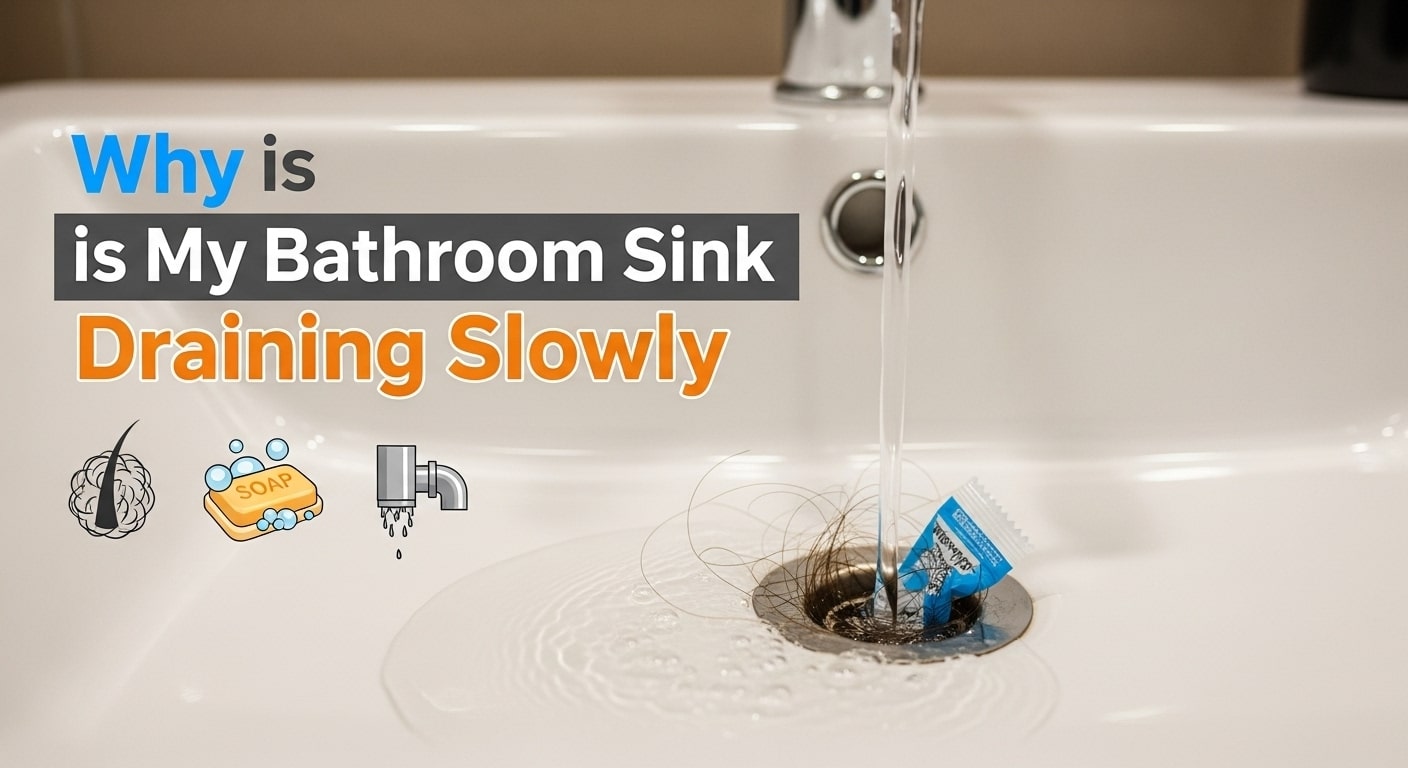
Why is My Bathroom Sink Draining Slowly? Uncover Causes
Does your bathroom sink seem to take forever to drain? You’re not alone.
A slow-draining sink is a common household annoyance that can turn into a bigger problem if left unchecked. Imagine starting your day with a sink full of soapy water that just won’t go away. Frustrating, right? But don’t worry; understanding why this happens is the first step to fixing it.
By the end of this article, you’ll know exactly what’s causing your sink to drag its feet and what you can do about it. Say goodbye to standing water and hello to a smoothly draining sink. Let’s dive into the details and get your bathroom back in top shape.
Common Causes Of Slow Draining
Clogged drains often cause slow draining in bathroom sinks. Hair, soap scum, and toothpaste buildup are common culprits. Regular cleaning can help maintain proper drainage.
A slow-draining bathroom sink can be a frustrating morning surprise. You might find yourself wondering why the water isn’t flowing as smoothly as it used to. Fortunately, understanding the common causes can help you tackle the issue effectively. Let’s explore the usual culprits behind this annoying problem and get your sink back to its speedy self.
Hair And Soap Build-up
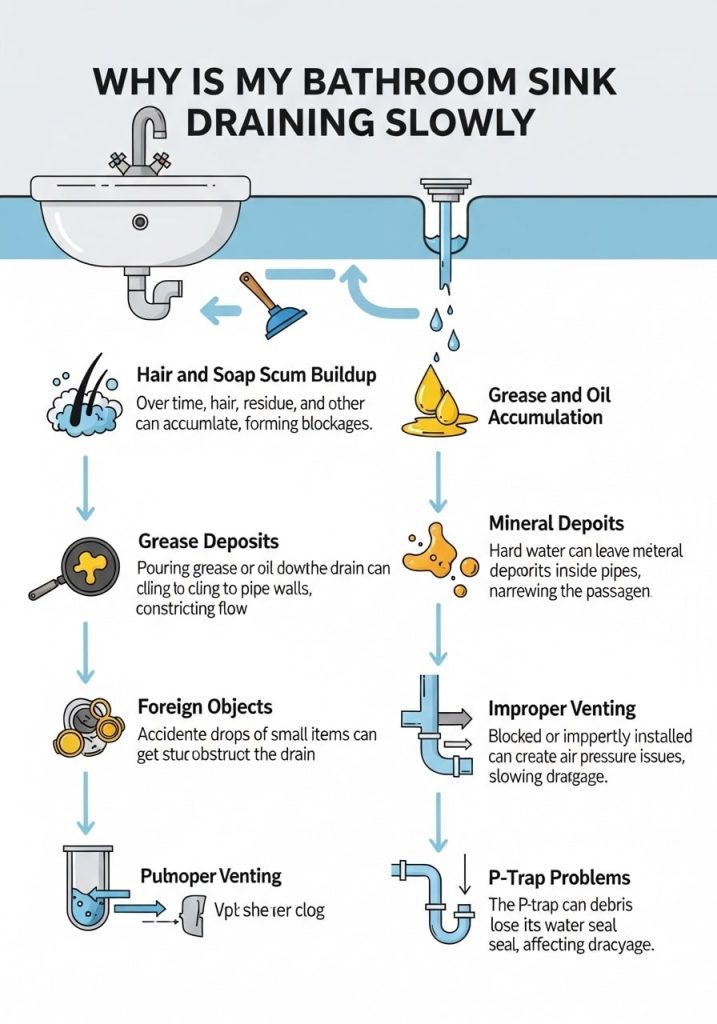
One of the most common reasons your sink might be draining slowly is due to hair and soap build-up. Every time you wash your hands or face, a bit of hair and soap gets washed down the drain. Over time, these materials can accumulate and create a stubborn clog. Consider using a drain guard to catch hair before it enters the pipes. Regularly cleaning this guard can prevent major blockages from forming.
Mineral Deposits
If you live in an area with hard water, mineral deposits might be the culprit behind your slow drain. Hard water contains high levels of calcium and magnesium, which can build up and restrict water flow over time. To combat this, try using a vinegar and baking soda solution to break down the deposits. This natural remedy can help clear out the pipes without harsh chemicals.
Pipe Obstructions
Beyond the sink’s immediate vicinity, the pipes themselves may harbor obstructions. Items like toothpaste caps, small toys, or even chunks of soap can slip down the drain and get lodged in the pipes. If you suspect a deeper blockage, a plumbing snake can be a handy tool to dislodge these hidden obstacles. Alternatively, calling a professional might be the best route if the blockage proves too stubborn. Have you checked your sink for these common issues lately? Addressing these areas can save you time and hassle, keeping your bathroom routine smooth and stress-free.
Identifying The Problem
Is your bathroom sink draining slowly? It’s frustrating to wait for water to disappear. Identifying the problem is the first step to fixing it. Understanding what’s causing the issue can save time and money.
Signs Of Clogged Drains
Look for water pooling in the sink. Notice a gurgling sound or foul smell? These are classic signs of a clog. Slow drainage might be gradual or sudden. Knowing these signs helps pinpoint the problem.
Tools For Diagnosis
Basic tools can help identify the issue. A flashlight can illuminate the drain, revealing blockages. Plungers are useful for minor clogs. Drain snakes reach deeper problems. Use these tools carefully for effective diagnosis.
Diy Solutions
Is your bathroom sink draining slowly? This common issue can be frustrating. Often, the cause is a buildup of hair, soap scum, or other debris. Before calling a plumber, try some simple DIY solutions. These methods are cost-effective and easy to execute. They can help restore your sink’s drainage and save you money.
Using Baking Soda And Vinegar
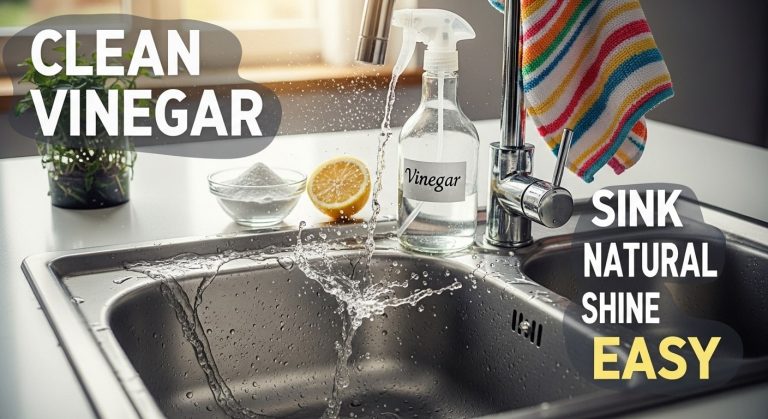
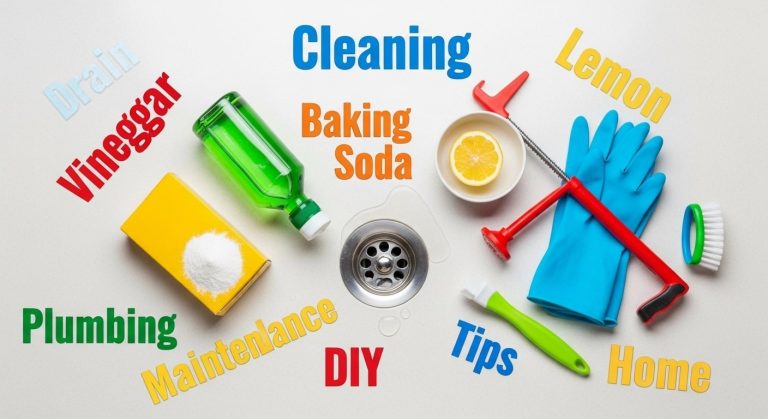
Baking soda and vinegar can work wonders for a slow-draining sink. Start by pouring boiling water down the drain. Add half a cup of baking soda and let it sit for a few minutes. Next, pour a cup of vinegar and cover the drain. You will notice fizzing and bubbling. This reaction helps break down the clog. After 15 minutes, flush the drain with more boiling water.
Plunger Techniques
A plunger is not just for toilets. It can be effective for sinks too. Ensure the sink has some water in it. Place the plunger over the drain hole and press down firmly. Create a tight seal. Then, pump the plunger up and down several times. This motion can dislodge debris. Check if the water is draining better. Repeat if necessary.
Drain Snake Usage
A drain snake can reach deep clogs that are hard to clear. Insert the snake into the drain. Turn the handle to push it further. You might feel resistance. This indicates the snake is hitting the clog. Rotate the snake to break up the blockage. Pull it back out carefully. Sometimes, you will see debris attached to the snake. Dispose of it properly and test the drain again.
When To Call A Professional
Your bathroom sink is draining slowly, and despite your best efforts, the problem persists. It might be time to consider calling a professional. Knowing when to reach out for expert help can save you time, money, and frustration. But how do you know when it’s really necessary? Let’s dive into some scenarios where a professional plumber is your best bet.
Persistent Drain Issues
If your bathroom sink drain is slow, even after you’ve tried basic fixes like using a plunger or a drain snake, it might be more than just a simple clog. Persistent issues often indicate a deeper problem within your plumbing system. You don’t want to risk damaging your pipes with repeated amateur attempts.
Think about how long you’ve been dealing with the slow drain. A problem that returns quickly after each fix is a clear sign that it’s time to call in the pros. They have the tools and expertise to diagnose and resolve the issue effectively.
Complex Plumbing Problems
Some drainage issues are more complicated than they seem. If you suspect issues like tree roots invading your pipes or a problem with the main sewer line, it’s best left to a professional. These problems require specialized equipment and knowledge that most DIY enthusiasts simply don’t have.
Consider the layout of your plumbing. Homes with older or complex systems can present challenges that are not immediately apparent. A professional plumber can navigate these complexities without causing additional damage.
Remember, being proactive can prevent minor issues from escalating into major problems. Do you really want to risk the inconvenience and potential expense of significant plumbing repairs down the line?
Preventive Measures
Preventing your bathroom sink from draining slowly is all about adopting smart habits. By integrating simple, proactive strategies, you can keep your sink flowing smoothly and avoid those pesky clogs. Let’s explore how regular maintenance can save you from future headaches.
Regular Cleaning
A clean sink is a happy sink. Make it a habit to clean your sink weekly. Use a mix of vinegar and baking soda to naturally dissolve grime and buildup. This easy routine can prevent clogs before they start. Imagine a sink that sparkles and drains effortlessly!
Install Drain Covers
Drain covers are your first line of defense against unwanted debris. They catch hair and large particles, preventing them from going down the drain. It’s a simple addition that makes a big difference. Next time you see those drain covers, think of them as tiny superheroes protecting your plumbing.
Avoid Pouring Grease And Oil
Grease and oil are slow-drain culprits. They solidify and cling to your pipes, causing blockages over time. Instead, dispose of cooking grease in the trash. Can you remember the last time you poured grease down the sink? It’s time to change that habit for a smoother drainage experience.
By adopting these preventive measures, you can keep your bathroom sink draining efficiently and avoid future plumbing issues. Are you ready to take action today?
Frequently Asked Questions
What Causes A Bathroom Sink To Drain Slowly?
A slow-draining bathroom sink can be caused by hair, soap scum, and debris buildup. Over time, these materials accumulate and create clogs. These clogs restrict water flow, resulting in slow drainage. Regular cleaning and maintenance can help prevent these issues and keep your sink functioning properly.
How Can I Unclog My Bathroom Sink?
To unclog your bathroom sink, try using a plunger or baking soda and vinegar. First, remove any visible debris. Then, pour baking soda followed by vinegar down the drain. Wait a few minutes, and flush with hot water. This method helps break down clogs and restores water flow.
Is Professional Help Necessary For A Slow Drain?
Professional help is needed if DIY methods fail to unclog your sink. Persistent slow drainage may indicate deeper plumbing issues. A plumber can inspect the pipes for damage or blockages. Their expertise ensures effective solutions, preventing further complications and maintaining your bathroom sink’s efficiency.
Can Soap Cause Sink Drainage Issues?
Yes, soap can cause sink drainage issues by forming residue that accumulates in pipes. This residue mixes with hair and other debris, leading to clogs. Regularly cleaning your sink and using a drain trap can minimize soap buildup and improve drainage.
Effective maintenance helps prevent slow draining problems.
Conclusion
A slowly draining bathroom sink can be frustrating. It often signals a clog. Check for hair and soap buildup. Regular cleaning helps prevent this issue. Baking soda and vinegar can clear minor clogs. For stubborn blockages, try a plumber’s snake.
Keep your sink clear with routine maintenance. Avoid pouring grease or food scraps down the drain. These tips can help you maintain a smoothly draining sink. Address issues early to avoid bigger plumbing problems. A clean sink means a happy bathroom experience.
Keep these suggestions in mind for a hassle-free home.

Home Improvement Expert & Senior Writer at HomeFixio
Reed Atwood is a seasoned home improvement expert with a passion for transforming everyday living spaces into functional and stylish havens. With years of experience in DIY projects, renovations, and home upgrades, Reed brings a wealth of knowledge to HomeFixio. As a senior writer, he provides readers with practical, easy-to-follow guides, expert tips, and innovative solutions for every room in the house. His goal is to empower homeowners to tackle their projects with confidence, ensuring both quality results and a rewarding experience.