Can LED Lights Interfere With Garage Door Opener?
Imagine this: you’re coming home after a long day, eager to park your car in the garage and unwind. As you press the button on your garage door opener, nothing happens.
Frustration sets in, and you wonder what could possibly be wrong. Surprisingly, the culprit might be the LED lights you recently installed. Yes, those energy-efficient bulbs that illuminate your space might be interfering with your garage door opener. But why does this happen, and what can you do about it?
We’ll unravel the mystery behind how LED lights can affect your garage door opener. You’ll discover why this interference occurs and, most importantly, learn simple solutions to prevent it from disrupting your daily life. Stick with us, and you’ll be armed with the knowledge to keep your garage door opener functioning smoothly, ensuring that your homecoming remains stress-free.
How Led Lights Work
Understanding how LED lights work can help solve interference issues. LEDs are popular for their energy efficiency and long lifespan. They convert electricity into light using a semiconductor material. But, how does this process impact other devices like garage door openers?
How Led Lights Emit Light
LEDs emit light through a process called electroluminescence. This occurs when an electric current passes through the semiconductor. The semiconductor releases energy in the form of photons. These photons are what we see as light.
Role Of Semiconductor Materials
The semiconductor material determines the LED’s color and efficiency. Different materials emit different wavelengths of light. This is why LEDs can produce a variety of colors. The efficiency of the semiconductor affects energy consumption.
Led Light Components
An LED light consists of several components. These include the semiconductor chip, a reflector, and lenses. The semiconductor chip is the core part. The reflector directs light, while lenses focus it.
Power Supply In Led Lights
LEDs require a specific power supply to function. They use direct current (DC) power. Most homes use alternating current (AC), so LEDs have a converter. This converter changes AC to DC.
Why Led Lights May Cause Interference
The power conversion process can generate radio frequency interference (RFI). RFI occurs when electronic devices emit unwanted signals. These signals can interfere with other devices, like garage door openers.

Credit: www.allstyledoor.com
Garage Door Opener Mechanism
The garage door opener mechanism is a crucial part of your home. It keeps your garage secure and provides convenience. Understanding how it works can help with troubleshooting issues. One common problem is interference from LED lights.
How Garage Door Openers Work
Garage door openers use radio signals to communicate. A transmitter in your remote sends signals to the receiver in the opener. This process opens or closes your garage door. The system relies on clear, uninterrupted signals.
Components Of A Garage Door Opener
Several components make up the opener mechanism. These include the motor, remote control, and safety sensors. The motor powers the movement of the door. The remote sends commands to the motor. Safety sensors prevent accidents by detecting obstacles.
Frequency And Signal Transmission
Garage door openers typically operate on radio frequencies. Common frequencies are 315 MHz and 390 MHz. These frequencies allow the remote to communicate with the opener. Signal interference can disrupt this communication, causing malfunctions.
Potential Sources Of Interference
Several factors can interfere with garage door signals. LED lights are a common source. Some LED bulbs emit radio frequency noise. This noise can disrupt the signals between the remote and opener.
Led Lights And Rf Interference
LED lights are energy-efficient and popular. But they can cause issues with electronics. The interference from LEDs can affect garage door openers. Choosing the right LED bulbs can reduce this problem.
Mitigating Interference Issues
To minimize interference, use shielded LED bulbs. You can also relocate the opener or change its frequency. Ensuring a stable connection can prevent signal disruption.
Common Interference Issues
Have you ever experienced the frustration of your garage door opener refusing to work properly? It might surprise you to learn that the culprit could be as simple as your LED lights. As more people switch to energy-efficient LED lighting, interference issues with garage door openers have become increasingly common. Understanding these problems can save you time and stress.
LED lights, while great for saving energy, can sometimes emit electromagnetic interference. This interference can disrupt the signals between your garage door remote and the opener. Imagine standing in the rain, pressing the remote repeatedly, only to realize it’s those bright new LED bulbs causing the trouble.
Garage door openers rely on radio frequencies to operate. If your LED lights are emitting frequencies that overlap with these, you may find your door stuck in place. Ever wondered why it worked perfectly before you installed those new lights? The answer could be right above your head.
How To Identify The Problem
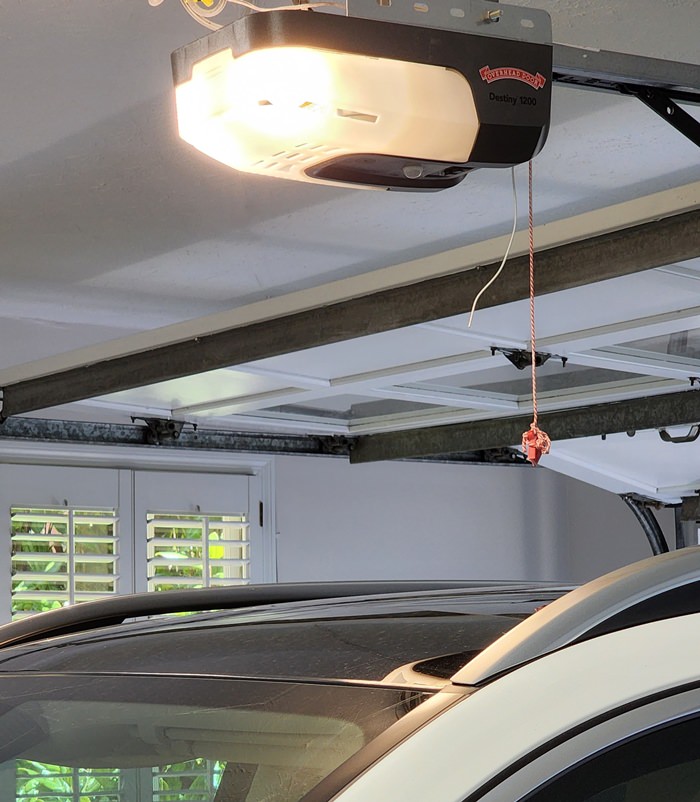
One practical way to pinpoint interference is to test the garage door with the LED lights off. Does the door work smoothly without them? If so, you’ve likely found your issue. This simple test can save you hours of troubleshooting.
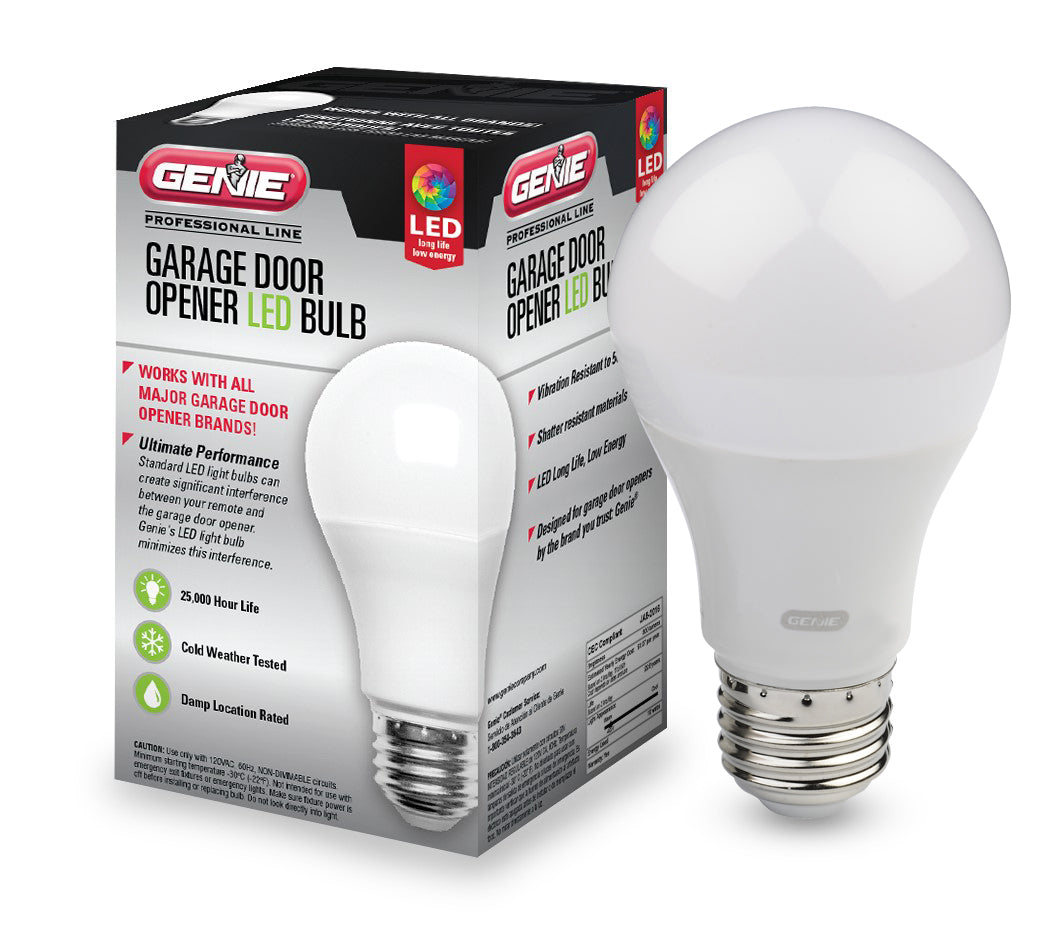
Consider replacing your LED bulbs with those designed to minimize interference. Many brands now offer options specifically for use near garage door openers. Have you checked the packaging for any interference-related information? It could be worth a look.
Steps To Resolve Interference
Switching to bulbs with lower interference levels can make a big difference. Look for LEDs labeled as “garage door opener friendly.” This small change can prevent future headaches.
Another solution is moving the antenna on your garage door opener. By repositioning it away from interference sources, you might find your opener responding better. Have you tried adjusting the antenna yet?
It’s also wise to check for other electronics in the garage. Devices like routers or microwaves can contribute to interference. Have you considered moving these items further from the garage door opener?
Incorporating these tips can enhance the reliability of your garage door opener. Next time you face issues, remember that sometimes the smallest changes can have the biggest impact. Are you ready to tackle those interference problems head-on?
Credit: betweennapsontheporch.net
Signals And Frequencies
Signals and frequencies play a crucial role in how devices communicate. Understanding this interaction is key to knowing how LED lights might affect garage door openers. These systems rely on specific signals to function properly. Disruptions can cause inconvenient malfunctions.
Radio Frequency Basics
Garage door openers often use radio frequencies to operate. These frequencies allow wireless communication between the opener and its remote control. The remote sends a signal to the opener, triggering it to open or close the door. This process relies on a clear and uninterrupted signal. Signals need to be free from interference for seamless operation.
Led Light Emissions
LED lights emit electromagnetic frequencies during operation. These emissions can sometimes overlap with radio frequencies used by garage door openers. When this occurs, interference can disrupt the opener’s signal. This overlap creates challenges for the garage door system. Interference may cause the door to not respond correctly to remote commands.
Signs Of Interference
LED lights are energy-efficient, but they might interfere with garage door openers. This interference can disrupt the signal between the remote and the opener. Recognizing the signs can help in resolving the issue quickly.
Delayed Response
A common sign of interference is a delayed response. You press the remote button, but the garage door takes time to react. This delay can be frustrating, especially when in a hurry. Ensure your LED lights are not causing this lag.
Unresponsive Controls
Another sign is unresponsive controls. The remote might fail to open or close the garage door. This usually happens when LED lights interfere with the signal. Testing the remote without the LED lights can help confirm the problem.
Credit: store.geniecompany.com
Troubleshooting Tips
LED lights might disrupt garage door openers due to radio frequency interference. Switching to RF-friendly bulbs could solve the issue. Shielding the opener or changing bulb placement also helps.
Troubleshooting LED light interference with a garage door opener can be tricky. It often involves a bit of trial and error. Follow these tips to find the problem and fix it. This guide will help you keep your garage door working smoothly.Identifying The Source
Start by finding the source of interference. Turn off all LED lights in the garage. Test the garage door opener. If it works smoothly, an LED light might be the cause. Pay attention to when the problem happens. This can help pinpoint the specific bulb causing the issue.Testing With Different Bulbs
Try using different LED bulbs. Replace one bulb at a time. Check if the problem persists. Some bulbs emit more radio interference. Switching to another brand or model might solve the issue. Look for LED bulbs labeled as “garage door opener friendly.” These are designed to reduce interference. Keep testing until you find the right bulb. This process can help maintain a reliable garage door system.Solutions For Interference
LED lights bring energy efficiency and bright illumination to garages. Yet, they might cause issues with garage door openers. Interference can be a common problem, disrupting the signal. Luckily, there are practical solutions to tackle this.
Changing Bulb Types
Switching to a different bulb type might help. Not all LED bulbs cause interference. Choose bulbs labeled as interference-free. Look for brands known for compatibility with electronic devices. Consider CFL or incandescent bulbs as alternatives. They often work without causing disruptions.
Installing Filters
Installing filters can reduce interference. Filters block unwanted signals from affecting your garage door opener. Purchase a filter designed for LED lights. Place it between the light and the power source. This simple addition can make a big difference. Ensure the filter is compatible with your setup. Read instructions carefully for best results.
Choosing Compatible Leds
Choosing compatible LEDs for your garage can be crucial in ensuring your garage door opener functions smoothly. Have you ever installed a new LED bulb only to find your garage door opener suddenly acting up? You’re not alone. Many have faced this puzzling situation, scratching their heads and wondering how a simple light bulb could interfere with such a vital home system.To avoid this issue, it’s essential to choose the right LEDs that won’t interfere with your garage door opener. Let’s dive into how you can do just that.
Checking Labels
When selecting LED bulbs, examine the labels carefully. Look for bulbs marked “garage door opener compatible” or similar phrases. These labels are your first clue that the manufacturer has tested the bulbs for minimal interference with electronic devices.
Consider the frequency range mentioned on the label. LEDs with frequencies close to your garage door opener can cause disturbances. Opt for bulbs that explicitly state they operate on different frequencies.
Consulting Manufacturers
Reach out to the manufacturers if you’re unsure about a bulb’s compatibility. Many companies offer customer support to address these concerns. They can provide detailed information about their products and potential interference issues.
Consulting manufacturers can also lead you to specialized LED options designed to work harmoniously with garage door openers. Have you ever thought about the benefits of using manufacturer-specific recommendations?
Choosing compatible LEDs isn’t just about avoiding interference; it’s about ensuring your garage door operates reliably every time. So, what steps will you take to make sure your lighting choices don’t disrupt your daily routine?
Future Of Lighting And Technology
The future of lighting and technology is bright and innovative. LEDs lead this transformation, offering efficiency and versatility. They are not just illuminating spaces but reshaping them. This evolution in lighting brings new possibilities and challenges.
Leds And Their Growing Popularity
LED lights are energy-efficient and long-lasting. Their popularity is surging worldwide. They consume less power than traditional bulbs. This saves money and benefits the environment. Their versatility makes them ideal for homes and businesses.
Interference With Garage Door Openers
Some LED lights can interfere with garage door openers. They emit radio frequencies that may disrupt signals. This interference can prevent the opener from working properly. Not all LEDs cause this issue. Choosing the right brand can help avoid problems.
Innovations In Led Technology
Manufacturers are addressing interference issues. New LEDs are designed to minimize signal disruption. Technological advancements continue to improve LED performance. These innovations enhance functionality and user experience.
Integrating Smart Technology
Smart LEDs are a growing trend. They can be controlled via apps or voice commands. This integration offers convenience and customization. Users can adjust lighting to suit their needs. Smart technology complements modern lifestyles.
The Role Of Sustainable Lighting
Sustainability is crucial in today’s world. LED lights contribute to eco-friendly living. They reduce energy consumption and carbon footprint. Choosing LEDs supports a sustainable future. This aligns with global environmental goals.
Frequently Asked Questions
Do Led Lights Affect Garage Door Signals?
Yes, LED lights can interfere with garage door signals. They emit electromagnetic interference that disrupts the radio frequency. This can prevent the opener from receiving commands. Using shielded LED lights or changing the bulb position might help.
Why Does My Garage Door Opener Malfunction?
LED lights could be causing interference with your garage door opener. The radio frequency disruption affects the signal reception. Switching to different LED bulbs or adjusting their placement might solve the issue.
How Can I Fix Garage Door Interference?
To fix interference, replace LED bulbs with non-interfering ones. Ensure they’re labeled as garage door compatible. You can also try repositioning the bulbs. This minimizes their impact on the opener’s signal reception.
Are All Led Bulbs Problematic For Openers?
Not all LED bulbs cause interference with garage door openers. Some are designed to minimize electromagnetic interference. Choose bulbs labeled as compatible with garage door systems for better performance.
Conclusion
LED lights can sometimes affect your garage door opener. This happens due to signal interference. To prevent this, choose LED bulbs with low electromagnetic interference. Shielding and filters can also help. It’s wise to test bulbs before full installation. This ensures your opener works smoothly.
Always consult your garage door opener’s manual. It offers specific guidance. Remember, not all LED bulbs cause issues. Choose wisely to avoid problems. Your garage door will function correctly with the right bulbs. Keep these tips in mind for a hassle-free experience.

Home Improvement Expert & Senior Writer at HomeFixio
Eliot Granger is a seasoned home improvement expert with years of experience transforming living spaces. Specializing in everything from kitchen renovations to bathroom upgrades, Eliot shares his knowledge through practical, insightful articles. His passion for creating functional, beautiful homes drives him to offer expert tips and solutions for every corner of your house. As a trusted writer for HomeFixio, Eliot is dedicated to helping homeowners make informed decisions and achieve precision in their projects.