Can You Drink Bottled Water Left in a Hot Car: Safety Tips
Have you ever grabbed a bottle of water that’s been sitting in your car on a hot day and wondered if it’s still safe to drink? You’re not alone.
Many of us have been in this situation and questioned the safety of sipping on that warm bottle. But what really happens to bottled water when it’s left in a hot car? Is it still safe, or are there hidden dangers lurking in that plastic container?
We’ll dive into the science behind bottled water and heat, uncovering the truths and myths. You might be surprised at what you learn, and it could change the way you think about that seemingly innocent bottle of water. So, before you take another swig, read on to find out if your health could be at risk.
Health Risks
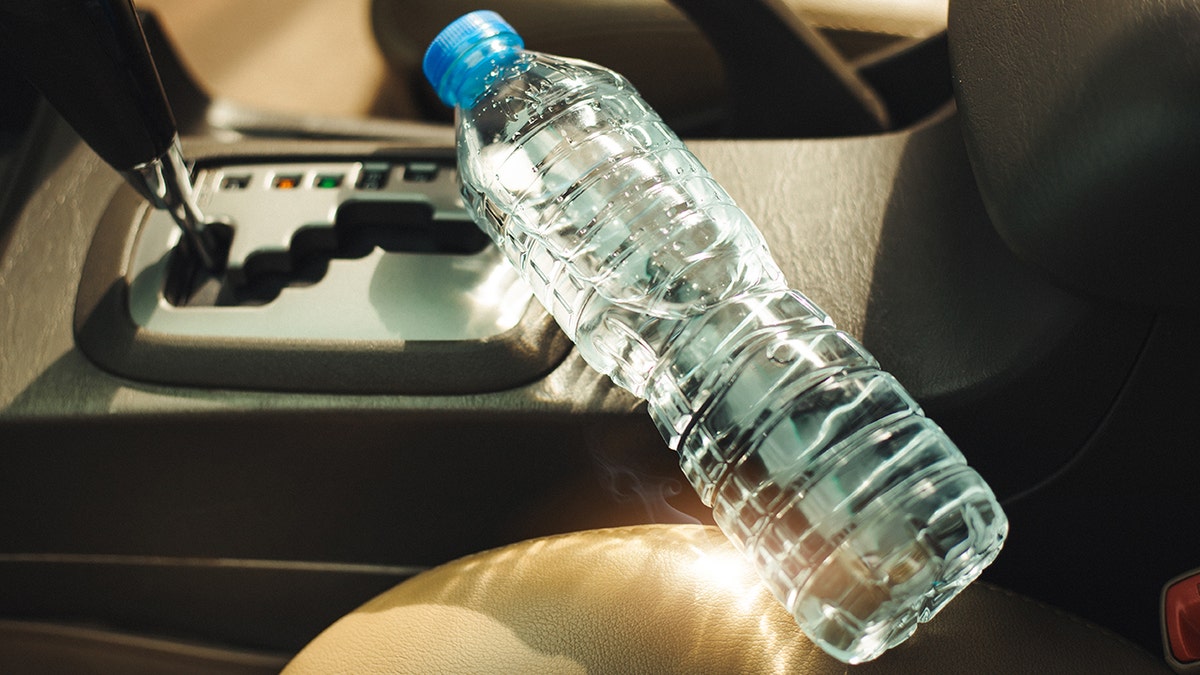
Leaving bottled water in a hot car can pose health risks. Heat may cause chemicals from the plastic to leach into the water. Drinking this contaminated water could be harmful to your health.
Imagine you’re on a road trip, and your thirst kicks in. You reach for that bottle of water left in the backseat, only to realize it’s been baking in the sun for hours. Is it safe to drink? Let’s delve into the health risks associated with drinking bottled water left in a hot car.Chemical Leaching
Heat can cause chemicals from the plastic bottle to leach into the water. This includes substances like BPA and antimony, which are concerning. You might think it’s just water, but these chemicals can mimic hormones in your body. This raises questions about potential long-term effects on health. Have you ever noticed an odd taste in water left in the sun? That could be a sign of chemical leaching, which you definitely want to avoid.Bacterial Growth
Warm environments are breeding grounds for bacteria. A hot car can transform your bottle into a mini incubator. If the bottle was opened before, bacteria can enter and multiply rapidly. Next time you reach for that bottle, consider the potential bacterial party inside. Ever found yourself with an upset stomach after drinking water from a hot car? That could be due to bacterial growth. It’s a risk worth considering before you take a sip.
Credit: www.instagram.com
Chemical Concerns
When you leave a bottle of water in a hot car, you might be more concerned about quenching your thirst than the potential chemicals seeping into the liquid. However, the heat can cause certain chemicals from the plastic to leach into the water, raising health concerns. Understanding the types of plastics used in bottled water and how they react to heat is crucial for making safe choices.
Plastic Types
Not all plastics are created equal. Bottled water containers are typically made from polyethylene terephthalate (PET) or polycarbonate. PET is commonly used because it’s lightweight and shatter-resistant, but it can release antimony, especially when heated.
Polycarbonate, on the other hand, often contains bisphenol A (BPA), a chemical linked to various health issues. While many manufacturers have moved to BPA-free plastics, it’s essential to check the label to know what you’re dealing with. Each type has its own risks when exposed to high temperatures.
Effects Of Heat
Imagine your water bottle sitting in a car under the blazing sun. The heat can accelerate the breakdown of plastic polymers, causing them to release chemicals into the water. Studies suggest that as temperatures rise, the rate of chemical leaching increases significantly.
This means that a bottle left in a hot car for hours could contain higher levels of unwanted substances. You might be wondering if a quick sip is worth the risk. It’s a valid concern when you consider that these chemicals could potentially contribute to health issues over time.
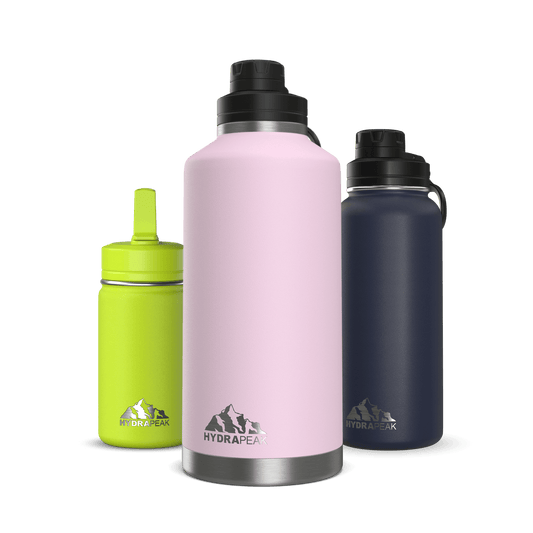
To ensure safety, consider alternatives like using stainless steel or glass bottles that can withstand high temperatures without leaching chemicals. These options might save you from worrying about what’s in your drink the next time you reach for a bottle left in the car.
Temperature Thresholds
Understanding temperature thresholds is vital for ensuring bottled water safety. Leaving bottled water in a hot car can lead to concerns about chemical leaching. The temperature inside cars can soar rapidly, making it important to know safe limits.
Safe Temperature Levels
Water bottles should ideally stay below 70°F. This temperature helps prevent chemicals from entering the water. PET plastic, commonly used for bottles, can start breaking down at higher temperatures. Keeping the bottle cool minimizes health risks. In hot climates, water can heat up quickly inside a car. Check local temperatures to gauge safety.
Impact Of Prolonged Exposure
Prolonged heat exposure can alter the water’s taste. The plastic may release harmful substances over time. Bisphenol A (BPA) is one concern. Though many bottles are BPA-free, other chemicals might leach. Heat accelerates these processes, posing potential health risks. Drinking from a hot bottle once may not harm you. But frequent exposure increases the chance of issues. Always opt for cooler storage when possible.
Bottled Water Storage
Leaving bottled water in a hot car can lead to chemical leaching from the plastic. This may affect the water’s taste and safety. It’s best to store bottles in a cool place to maintain their quality.
Storing bottled water correctly can make a significant difference in maintaining its quality and safety. Leaving a bottle of water in a hot car might seem convenient, but it’s worth considering the potential health risks and environmental impact. Proper storage of bottled water ensures you have a refreshing drink without compromising safety.Proper Storage Tips
To keep your bottled water safe and fresh, consider these storage tips:- Keep it Cool: Store bottled water in a cool, shaded area to maintain its quality. A pantry or a cupboard away from sunlight is ideal.
- Check Expiry Dates: Although water doesn’t spoil, the plastic bottle can degrade over time. Regularly check the expiry date printed on the label.
- Avoid Heat Exposure: High temperatures can cause harmful chemicals from the plastic to leach into the water. Avoid leaving bottles in places like hot cars.
Alternatives To Plastic
If you’re concerned about the environmental impact or potential health risks of plastic bottles, there are plenty of alternatives:- Stainless Steel Bottles: These are durable, reusable, and can keep your water cool for hours. They’re perfect for both daily use and outdoor activities.
- Glass Bottles: While heavier, glass bottles don’t leach chemicals and are easy to clean. They offer a safe, eco-friendly option for home and office use.
- Aluminum Bottles: Lightweight and often lined to prevent any metallic taste, aluminum bottles are a great compromise between plastic and glass.
Safety Guidelines
Leaving a bottle of water in a hot car might seem harmless, but safety guidelines can make a big difference in ensuring the water remains safe to drink. The heat can cause chemicals from the plastic bottle to leach into the water, potentially posing health risks. Knowing when to discard and how to identify signs of contamination can help you make informed decisions.
When To Discard
Consider the temperature and duration the bottle has been in the car. If the temperature inside the car exceeds 70°F (21°C) for several hours, it’s wise to discard the water. This is especially important if the bottle has been sitting in the car for more than a day.
Also, think about how often the bottle has been exposed to such conditions. Frequent exposure to heat can increase the risk of contamination. It’s better to be cautious and replace the bottle rather than risk your health.
Signs Of Contamination
Visual and sensory checks are quick ways to identify contamination. Look for changes in the water’s color or presence of floating particles. These can indicate that the water is no longer safe to consume.
Smell the water. A plastic or chemical odor is a clear sign to discard it. Trust your instincts—if the water doesn’t seem right, it’s safer not to drink it.
Remember, your health is the priority. Would you rather risk drinking potentially contaminated water or simply replace the bottle? Keeping these guidelines in mind can protect you and your loved ones from unnecessary health risks.

Credit: www.facebook.com
Environmental Considerations
Leaving bottled water in a hot car not only raises health concerns, but it also has environmental implications. The widespread use of plastic bottles contributes significantly to plastic waste, which harms ecosystems and wildlife. Understanding these impacts can guide us in making more sustainable choices.
Reducing Plastic Waste
Plastic bottles often end up in landfills or oceans. They can take hundreds of years to decompose, releasing harmful chemicals into the environment. Each discarded bottle is a missed opportunity to reduce waste. Consider recycling or reusing bottles to lower your environmental footprint.
Every small action counts. Opt for reusable containers and encourage others to do the same. This helps decrease the demand for single-use plastic bottles.
Choosing Eco-friendly Options
Switching to eco-friendly water containers can significantly minimize environmental impact. Stainless steel and glass bottles are sustainable alternatives. They don’t leach chemicals and are often more durable.
Some companies offer biodegradable bottles. These decompose faster, reducing harm to nature. Look for certifications or labels indicating eco-friendly products.
Investing in a water filtration system can also reduce reliance on bottled water. It ensures clean drinking water while cutting down on plastic use.
Credit: www.foxnews.com
Frequently Asked Questions
Is Bottled Water Safe To Drink After Being In A Hot Car?
Bottled water can be unsafe if left in a hot car for extended periods. Heat can cause chemicals from the plastic to leach into the water. It’s best to store water in a cool place to ensure safety and freshness.
How Long Can Bottled Water Stay In A Car?
Bottled water can stay in a car for 1-2 weeks if temperatures are moderate. Heat can degrade plastic quality. It’s best to store water in a cool place and avoid prolonged exposure to sunlight. Regularly check for signs of spoilage or changes in taste to ensure safety.
Can Bottled Water Go Bad In Heat?
Yes, bottled water can go bad in heat. High temperatures can cause chemicals from the plastic to leach into the water, affecting its taste and safety. It’s best to store bottled water in a cool, shaded place to maintain its quality and safety.
Is It Safe To Drink Bottled Water That Has Been Sitting In The Sun?
Drinking bottled water left in the sun can be unsafe. Heat may cause chemicals to leach from plastic. Always store bottles in a cool, shaded place to ensure safety. Opt for BPA-free bottles to minimize risks. It’s best to avoid consuming water exposed to direct sunlight for extended periods.
Conclusion
Leaving bottled water in a hot car poses risks. Heat can break down plastic. Harmful chemicals might seep into the water. Drinking it could be unsafe. Always check bottles for damage. Smell the water before sipping. Consider alternatives like stainless steel bottles.
They resist heat better. Keep water in cool places. Stay hydrated safely. It’s important for your health. Simple actions make a difference. Protect yourself from potential harm. Enjoy clean, refreshing water. Make smart choices for your well-being. Be mindful of water storage.
It matters.

Home Improvement Expert & Senior Writer at HomeFixio
Eliot Granger is a seasoned home improvement expert with years of experience transforming living spaces. Specializing in everything from kitchen renovations to bathroom upgrades, Eliot shares his knowledge through practical, insightful articles. His passion for creating functional, beautiful homes drives him to offer expert tips and solutions for every corner of your house. As a trusted writer for HomeFixio, Eliot is dedicated to helping homeowners make informed decisions and achieve precision in their projects.