Can You Mix Vinegar And Bleach in Laundry? Safety Tips
Are you wondering if you can mix vinegar and bleach in your laundry? It’s a question many people ask when trying to get their clothes extra clean.
But before you pour these two common household items together, it’s important to know what really happens—and if it’s safe for you and your family. Keep reading to discover the truth behind mixing vinegar and bleach, and learn how to keep your laundry fresh without risking your health.
Credit: www.rd.com
Chemical Reaction Risks
Mixing vinegar and bleach in laundry carries serious chemical reaction risks. These two household cleaners should never combine. Their interaction creates dangerous substances that can harm your health and damage fabrics. Understanding the risks helps keep your laundry routine safe and effective.
What Happens When Mixed
Bleach contains sodium hypochlorite, a strong disinfectant. Vinegar is an acid, mainly acetic acid. When mixed, the acid reacts with bleach. This reaction releases chlorine gas and other harmful compounds. The mixture also reduces the effectiveness of both cleaners. It can ruin your clothes and washing machine too.
Toxic Gas Production
The main risk is chlorine gas production. This gas is highly toxic and irritating. It looks like a greenish-yellow cloud and smells sharp and bleach-like. Even small amounts can cause coughing, chest pain, and breathing trouble. Large amounts can lead to severe lung damage or death. Never use vinegar and bleach together in an enclosed space.
Health Hazards
Exposure to chlorine gas causes many health problems:
- Eye irritation and redness
- Burning sensation in the throat and nose
- Difficulty breathing and wheezing
- Chest tightness and coughing
- Headaches and dizziness
People with asthma or lung issues are at higher risk. Always keep bleach and vinegar separate to protect your health and home.
Credit: www.bobvila.com
Safe Laundry Practices
Safe laundry practices protect your clothes and your health. Chemicals in laundry products can react dangerously if mixed. This is true for vinegar and bleach, which should never be combined.
Understanding how to use these products separately keeps your laundry routine safe and effective. Follow clear guidelines to avoid harmful fumes and damage to fabrics.
Using Vinegar Separately
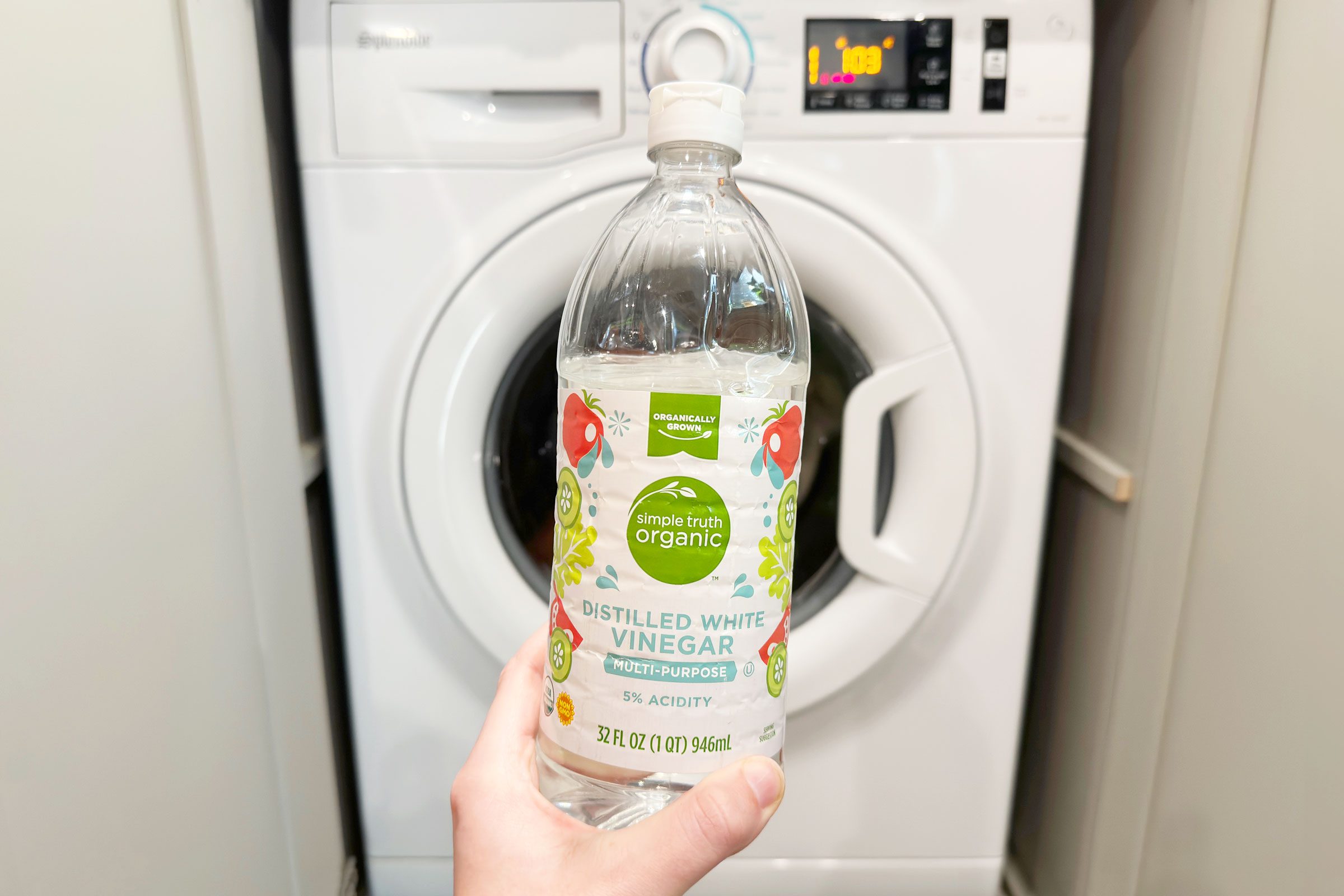
Vinegar works well as a natural fabric softener and odor remover. Add it during the rinse cycle, after the detergent has been washed out. Avoid mixing vinegar with bleach or detergent directly to prevent chemical reactions.
Proper Bleach Usage
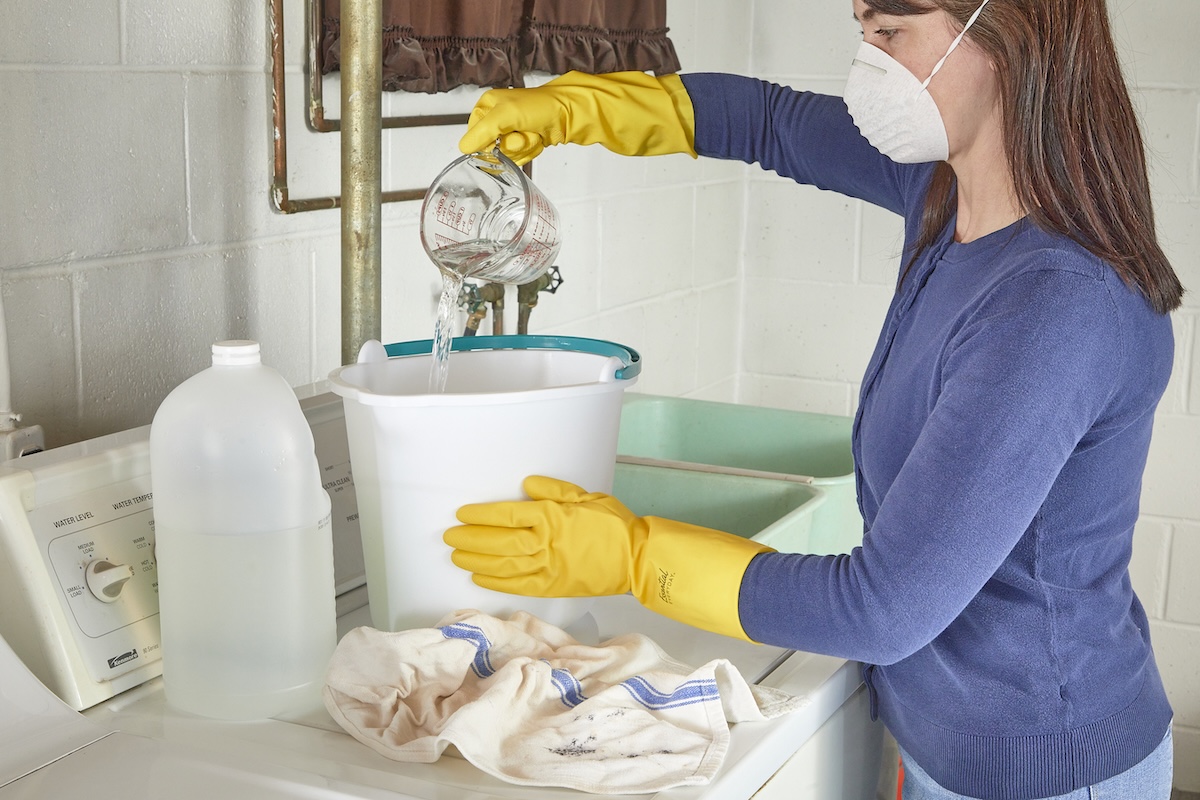
Bleach is a powerful disinfectant and stain remover. Always dilute bleach according to the label instructions before use. Use it only with water, never with vinegar or ammonia. Bleach works best in the wash cycle, not during rinsing.
Alternating Cleaning Agents
Use vinegar and bleach in separate laundry loads to keep safety intact. For example, use bleach for white clothes on one day, and vinegar for colored clothes another day. This method prevents dangerous gas formation and keeps fabrics looking their best.
Alternatives For Cleaning
Mixing vinegar and bleach in laundry is a risky choice that can produce harmful fumes. Luckily, there are safer and effective alternatives to boost your laundry cleaning without compromising your health or fabric quality. Let’s look at some practical options you can try at home or find easily in stores.
Natural Laundry Boosters
Natural boosters like baking soda and lemon juice offer a gentle yet powerful clean. Baking soda softens water, helping detergents work better and neutralizing odors. Lemon juice acts as a natural whitener and stain remover, adding a fresh scent to your clothes.
Adding half a cup of baking soda to your wash can improve brightness and freshness. You can also soak whites in lemon juice mixed with water to tackle tough stains. Have you ever noticed how your clothes feel fresher after using these simple ingredients?
Commercial Laundry Additives
Commercial additives are designed to enhance your laundry results without the dangers of mixing incompatible chemicals. Oxygen-based bleach alternatives are safe and effective for whitening and removing stains. Enzyme boosters help break down protein-based stains like grass or food.
- Look for oxygen bleach powders or liquids labeled as safe for colors and fabrics.
- Enzyme additives work well if you have kids or active lifestyles generating tough stains.
- Fabric softeners can also improve the feel and reduce static without harsh chemicals.
Have you tried switching to oxygen bleach? It’s less harsh but just as effective for keeping whites bright.
Homemade Solutions
Creating your own laundry solutions can save money and reduce exposure to chemicals. A mix of white vinegar and water added during the rinse cycle softens fabrics and removes detergent residues. Salt can help set colors and prevent fading when added to the wash.
Here’s a simple recipe you might like: combine 1 cup white vinegar with 1 cup water in a spray bottle to pretreat stains. You can also sprinkle salt directly on fresh stains to absorb moisture before washing.
What homemade laundry hacks have you tried that actually worked? Sharing your experiences might help others avoid costly mistakes.
Emergency Measures
Mixing vinegar and bleach in laundry is a dangerous mistake that can lead to toxic fumes. Knowing what to do if this happens is crucial. Quick and calm action can prevent serious health risks for you and those around you.
What To Do If Mixed
If you realize vinegar and bleach have been combined, stop using the mixture immediately. Leave the area where the fumes are strongest. Avoid breathing in the air and open windows and doors to disperse the gas.
Remove any clothing that may have been soaked with the mixture to prevent skin irritation. Rinse your skin with plenty of water if it has come into contact with the solution. Stay calm and move to fresh air right away.
Ventilation And First Aid
Ventilate the space by opening all windows and doors wide. Using fans can help push the fumes outside faster. The goal is to dilute the harmful gases quickly so they don’t cause more damage.
If you feel dizzy, cough, or experience difficulty breathing, sit down and breathe slowly. Rinse your eyes with clean water if they are irritated. Avoid using any other chemicals to neutralize the fumes; water is safest.
When To Seek Medical Help
If symptoms like chest pain, severe coughing, nausea, or persistent difficulty breathing occur, seek medical help immediately. Tell the healthcare provider about the bleach and vinegar exposure. This information helps them provide the right treatment quickly.
Don’t hesitate to call emergency services if anyone loses consciousness or has trouble staying awake. Your prompt response can save lives. Have you checked your laundry area for proper ventilation lately? It might prevent an emergency before it starts.
Myths And Facts
Many people wonder about mixing vinegar and bleach in laundry. This topic has many myths and facts. Understanding the truth helps keep laundry safe and effective. Let’s look at some common beliefs and what science says.
Common Misconceptions
- Some think vinegar and bleach mix safely to boost cleaning power.
- Others believe combining them removes stains faster.
- There is a myth that mixing these two chemicals kills all germs instantly.
- Many assume vinegar neutralizes bleach, making it harmless.
- People sometimes use them together to save time and effort.
Scientific Evidence
Mixing vinegar and bleach is dangerous. It creates toxic chlorine gas. This gas can cause coughing, breathing trouble, and eye irritation.
Chemists warn against combining acids like vinegar with bleach. The reaction produces harmful fumes.
Bleach works best alone or diluted with water. Vinegar is effective as a mild acid cleaner by itself.
Using these products separately in laundry avoids risks. Each has its own cleaning purpose.

Credit: puracy.com
Frequently Asked Questions
Can You Safely Mix Vinegar And Bleach In Laundry?
No, mixing vinegar and bleach creates toxic chlorine gas. It can cause respiratory issues and eye irritation. Always use them separately to avoid health risks and ensure safe laundry practices.
What Happens If Vinegar And Bleach Are Combined?
Combining vinegar with bleach releases harmful chlorine gas. This gas is dangerous to breathe and can cause coughing, chest pain, and breathing difficulties. Avoid mixing these two substances under any circumstances.
Is It Effective To Use Vinegar And Bleach Together For Cleaning?
No, using vinegar and bleach together is unsafe and not more effective. Each works well alone but mixing them produces toxic fumes and reduces cleaning benefits.
How Should I Use Vinegar And Bleach Safely In Laundry?
Use bleach for disinfecting whites and vinegar as a fabric softener separately. Add bleach during the wash cycle and vinegar during the rinse cycle. Never mix them directly together.
Conclusion
Mixing vinegar and bleach in laundry is very risky. The two create harmful gases that can hurt your health. Always use them separately to keep your home safe. Choose one cleaning product at a time for best results. Safe laundry habits protect your clothes and your family.
Remember, safety is more important than quick cleaning. Stay cautious and follow product instructions carefully. Keep your laundry routine simple and safe.

Home Improvement Expert & Senior Writer at HomeFixio
Reed Atwood is a seasoned home improvement expert with a passion for transforming everyday living spaces into functional and stylish havens. With years of experience in DIY projects, renovations, and home upgrades, Reed brings a wealth of knowledge to HomeFixio. As a senior writer, he provides readers with practical, easy-to-follow guides, expert tips, and innovative solutions for every room in the house. His goal is to empower homeowners to tackle their projects with confidence, ensuring both quality results and a rewarding experience.