Can You Put Porcelain in the Microwave? Safety Tips
Have you ever found yourself staring at a porcelain dish, wondering if it’s safe to pop it in the microwave? You’re not alone.
With so many types of cookware and tableware out there, it’s easy to get confused about what can and cannot go into your microwave. The last thing you want is to ruin a beautiful piece of porcelain or, worse, damage your microwave.
By the end of this article, you’ll have a clear answer, ensuring both your porcelain and your microwave stay in top condition. Get ready to clear up the mystery and gain peace of mind in your kitchen routine.
Microwave-safe Materials
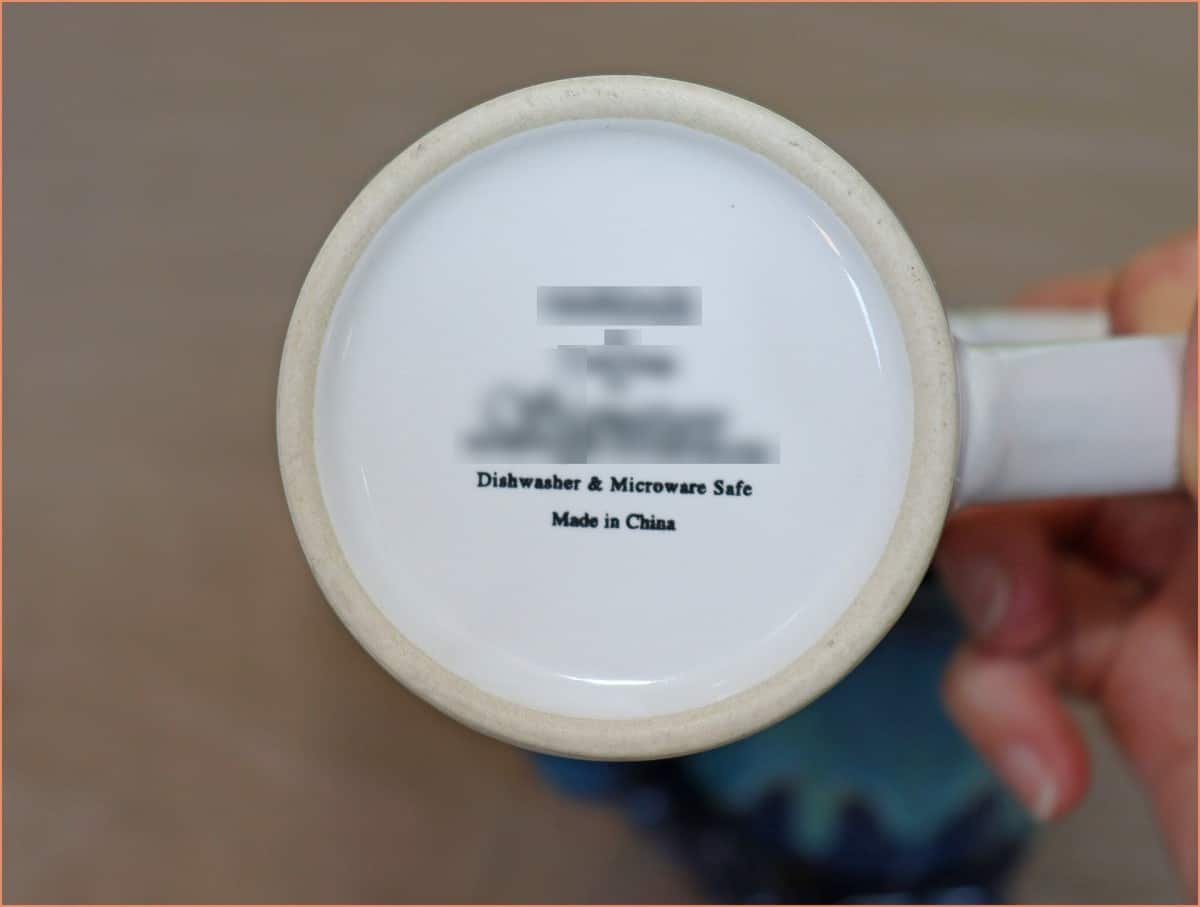
Porcelain can generally be used in the microwave. It is important to check for metal accents or decals. These can cause sparks. Always ensure the porcelain is labeled as microwave-safe for safe use.
Microwave-safe materials can be a bit of a mystery. You might find yourself asking whether that beautiful porcelain dish can safely go in the microwave. Knowing which materials are safe is crucial for avoiding any kitchen mishaps. Let’s delve into the specifics of what makes a material microwave-safe.Understanding Microwave-safe Materials
Microwaves heat your food by causing water molecules to vibrate, which generates heat. Materials that are microwave-safe allow these vibrations to pass through without heating the material itself. Common examples include glass, ceramic, and certain plastics. Not all ceramics and glass are microwave-safe, though. For instance, porcelain can be a tricky one. Porcelain often contains metallic elements or intricate designs, which might spark or damage your microwave.Identifying Safe Porcelain
Look for labels. Many porcelain items will have a “microwave-safe” label. This is the manufacturer’s assurance that the item won’t cause any issues. If the label is missing, you can test a small area by microwaving it briefly to see how it reacts. Remember, if your porcelain has metallic decorations or an unusual glaze, it’s best to keep it out of the microwave.Why Some Materials Aren’t Safe
Certain materials can absorb microwaves and heat up themselves, instead of just heating the food. This can lead to cracks, or worse, cause a fire hazard. Metal is the biggest offender here, but some ceramics with intricate glazes can act similarly. Have you ever put a dish in the microwave only to see sparks fly? That’s often because of hidden metallic elements in the design.Personal Story: A Lesson Learned
I once learned this the hard way when I microwaved a porcelain mug with a gold rim. The sparks were alarming, and I quickly realized that not all porcelain is created equal. Since then, I always check the labels and avoid metallic designs. What about you? Have you ever had a microwave mishap? It’s these little lessons that make us more cautious and informed in the kitchen.Practical Tips For Microwave Use
– Check labels: Always look for a “microwave-safe” label. – Avoid metal: Steer clear of metallic decorations or glazes. – Test cautiously: If unsure, test a small area first. By knowing what materials are safe, you can protect your microwave, your kitchenware, and ensure a smooth cooking experience.Porcelain Properties
Microwave-safe porcelain exists, but not all porcelain is suitable. Check for labels indicating it’s safe for microwaves. Porcelain with metallic accents or decorations should never be microwaved.
Porcelain is a popular material. It’s used for dishes and kitchenware. Many people wonder if it’s microwave-safe. Understanding porcelain’s properties helps answer this. Let’s dive into what makes porcelain special.Durability
Porcelain is known for its strength. It’s fired at high temperatures. This makes it tough and durable. It resists scratches and chips well. This is why it’s a favorite for everyday use.Heat Resistance
Porcelain can handle heat. It doesn’t melt or warp easily. This makes it suitable for cooking and serving hot food. It’s important to check if it’s microwave-safe before use.Non-porosity
Porcelain is non-porous. It doesn’t absorb water or food stains. This property helps it stay clean and fresh. It also prevents bacteria build-up. It’s an excellent choice for hygienic kitchenware.Glazed Surface
Porcelain often has a glazed finish. This gives it a shiny, smooth look. Glazing provides an extra layer of protection. It enhances its beauty and makes cleaning easier.Weight
Porcelain can be heavy. Its dense structure adds weight. This makes it sturdy but less easy to handle. It’s important to handle it carefully to avoid drops.Testing Porcelain Safety
Understanding if porcelain is microwave-safe is crucial for everyday use. You don’t want to damage your microwave or your dishes. Testing its safety involves a few steps. Each step helps ensure your porcelain is fit for microwave use.
Visual Inspection
Start with a simple visual check. Examine the porcelain for any cracks. Even small cracks can lead to shattering. Look for metallic decorations too. They can cause sparks in the microwave.
Manufacturer Guidelines
Check any labels or markings on the porcelain. Manufacturers often label items as microwave-safe. If there’s no label, refer to the product manual. Some brands offer specific guidelines for their products.
Conducting A Microwave Test
Perform a simple microwave test. Place the porcelain in the microwave. Add a cup of water next to it. Heat on high for one minute. Afterward, check the temperature of the porcelain. If it’s hot, it’s not microwave-safe. If only the water is hot, the porcelain is safe.
Potential Risks
Using porcelain in the microwave might seem harmless, but there are risks. Some issues can arise from heat exposure or design features. Knowing these can help you avoid accidents.
Thermal Shock
Porcelain can crack under sudden temperature changes. This is known as thermal shock. Microwaves heat porcelain unevenly. This can cause stress in the material. A hot dish placed on a cold surface may break. Sudden temperature shifts can damage fine porcelain.
Metallic Trim Dangers
Porcelain with metallic trim poses a risk. Microwaves react with metal. Sparks can form, leading to fires. Always check for metal decorations before microwaving. Small metal details are sometimes hard to spot. Even thin metallic lines can be dangerous.
Safe Microwave Practices
Using porcelain in the microwave is generally safe, but ensure it has no metallic trim. Check the manufacturer’s guidelines to avoid damage or hazards. Always inspect for cracks to prevent breakage during heating.
Microwaving porcelain can be safe if you follow certain practices. Understanding these safe microwave practices can help you avoid damaging your porcelain and ensure your meals are cooked perfectly. Let’s explore how you can use your microwave effectively without compromising your porcelain pieces.Using Microwave-safe Labels
Checking for microwave-safe labels is a simple yet crucial step. Many porcelain items are marked with a label indicating their suitability for microwave use. Look for a symbol or wording that clearly states “microwave-safe.” If your porcelain doesn’t have a label, you might want to reconsider using it in the microwave. Using items with clear labels ensures you’re not accidentally damaging your dinnerware or your microwave.Avoiding Sudden Temperature Changes
Sudden temperature changes can lead to cracks in your porcelain. Imagine placing a cold porcelain dish straight into a hot microwave; the rapid temperature shift can cause stress fractures. To prevent this, allow your porcelain to reach room temperature before microwaving. This simple practice protects your porcelain and prolongs its life, keeping it beautiful and functional for years. Have you ever heard a loud pop from your microwave? It could have been the result of a sudden temperature change. Now, you can avoid that surprise by being mindful of temperature transitions.
Credit: www.surlatable.com
Alternatives To Porcelain
Porcelain is a common choice for dinnerware. But it isn’t always safe for microwaves. Fortunately, there are alternatives that work well. Exploring these options can ensure safe, efficient cooking.
Glass Options
Glass is a great microwave-safe choice. It heats food evenly. Choose tempered glass for added safety. It’s durable and resists thermal shock. Another option is borosilicate glass. Known for its high heat resistance, it handles microwave use well. Be sure the glassware is labeled microwave-safe. This prevents accidents and ensures peace of mind.
Microwave-safe Plastics
Microwave-safe plastics offer convenience. They are lightweight and easy to handle. Look for BPA-free options to avoid chemicals. Check the label to ensure it’s microwave-safe. Some plastics can warp or melt. Proper labeling prevents this issue. Plastic containers come in various sizes and shapes. They are ideal for quick heating or reheating meals. With these options, you can microwave with confidence.
Common Misconceptions
When it comes to using porcelain in the microwave, many people are unsure, often due to common misconceptions. It’s crucial to separate fact from fiction to avoid damaging your beautiful dishes or the microwave itself. Let’s dive into some of these misunderstandings and clarify them for you.
Porcelain Vs. Ceramic
One common misconception is that porcelain and ceramic are the same, thus they behave the same way in a microwave. While they might look similar, porcelain is typically denser and less porous. This difference means porcelain is generally safer in microwaves as it doesn’t absorb moisture like ceramic, which can lead to overheating.
Next time you reach for that dish, check if it’s porcelain. The density helps it withstand microwave power better. Have you ever thought about how much heat your dish is absorbing? This detail can save your microwave and your dish from damage!
Microwave Power Levels
Another misconception is that all dishes, including porcelain, can handle any microwave power level. This is not always true. Porcelain might withstand microwave heat better, but using high power levels can still risk overheating the dish or causing uneven heating.
Adjust your microwave to a medium setting when heating food on porcelain. This simple change can prevent cracks and preserve the longevity of your dish. Are you using the right power setting? A small adjustment could make all the difference!

Credit: www.linkedin.com
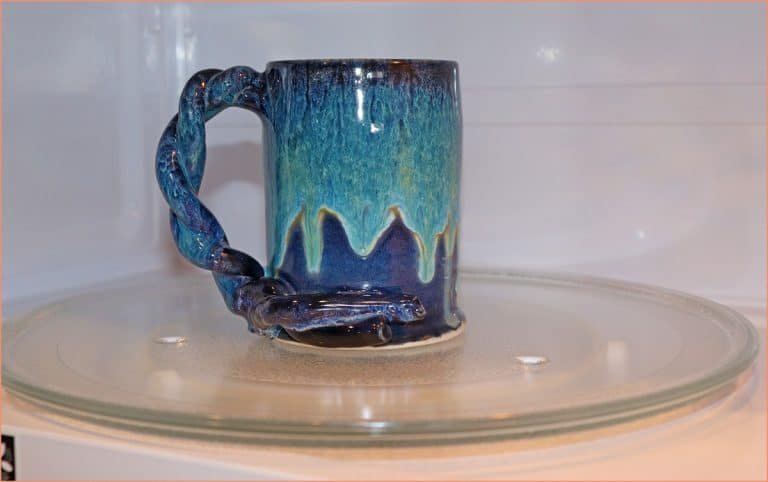
Credit: potterycrafters.com
Frequently Asked Questions
Is Porcelain Safe In The Microwave?
Yes, most porcelain is microwave-safe if it doesn’t have metallic designs. Always check the manufacturer’s label. Avoid using porcelain with metallic paints or trims in the microwave, as they can cause sparks.
Can Porcelain Crack In The Microwave?
Porcelain can crack if exposed to sudden temperature changes. Use microwave-safe porcelain and avoid heating empty dishes. Allow the porcelain to cool gradually before washing to prevent cracking.
How Do I Test Porcelain For Microwave Safety?
To test porcelain, microwave it with water for one minute. If the porcelain stays cool, it’s likely microwave-safe. If it heats up, avoid using it in the microwave.
What Happens If Porcelain Gets Too Hot?
If porcelain gets too hot, it can crack or shatter. Always handle with care and use microwave-safe porcelain. Ensure even heating by stirring food and using lower power settings.
Conclusion
Microwaving porcelain can be tricky. Always check for microwave-safe labels. Some porcelain items contain metal, which can spark. This is dangerous and should be avoided. If unsure, test the item first. Use a lower power setting and short intervals. This reduces risk.
Porcelain can withstand heat but sudden changes can cause cracks. Handle with care. Understand the properties of your porcelain. It ensures safe use. Remember, safety first. Proper precautions protect both your microwave and your dishes. Enjoy your meals without worry, knowing your porcelain is safe.

Home Improvement Expert & Senior Writer at HomeFixio
Eliot Granger is a seasoned home improvement expert with years of experience transforming living spaces. Specializing in everything from kitchen renovations to bathroom upgrades, Eliot shares his knowledge through practical, insightful articles. His passion for creating functional, beautiful homes drives him to offer expert tips and solutions for every corner of your house. As a trusted writer for HomeFixio, Eliot is dedicated to helping homeowners make informed decisions and achieve precision in their projects.