Do Air Purifiers Make the Air Dry: Surprising Facts Revealed
Have you ever wondered if using an air purifier could make your room feel dry or uncomfortable? You might notice your skin feeling tight or your throat getting scratchy and start to blame the air purifier.
But does it really dry out the air around you? Understanding how air purifiers work can help you decide if they are right for your home and your health. Keep reading to find out the truth about air purifiers and dryness—and discover simple tips to keep your space fresh and comfortable.
How Air Purifiers Work
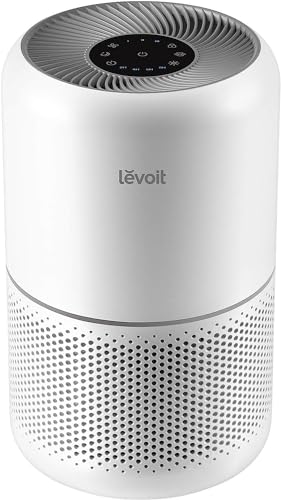
Air purifiers clean the air by capturing tiny particles and pollutants. They pull air through filters or use other methods to trap dust, pollen, smoke, and germs. The cleaned air then flows back into the room, helping to improve indoor air quality. They do not add or remove moisture from the air, which means they do not make the air dry.
Types Of Air Purifiers
- HEPA Filters:Use dense fibers to trap particles as small as 0.3 microns.
- Activated Carbon Filters:Remove odors and gases by trapping chemical molecules.
- UV Light Purifiers:Kill bacteria and viruses using ultraviolet light.
- Ionizers:Release charged ions that attach to particles, making them fall out of the air.
- Ozone Generators:Produce ozone to destroy pollutants but can be harmful if used incorrectly.
Common Misconceptions
- Air purifiers do not dry the air like heaters or air conditioners.
- They do not add moisture or humidify the room.
- Some believe ionizers release harmful ozone, but most modern models limit ozone levels.
- Air purifiers cannot remove all indoor pollutants, like gases from paint or cleaning products.
- They improve air quality but do not replace regular cleaning and ventilation.

Credit: www.livesans.com
Humidity And Air Quality
Humidity plays a key role in indoor air quality. It affects comfort, health, and how clean the air feels. Proper humidity levels help reduce dust, allergens, and germs. Understanding humidity helps explain if air purifiers make the air dry.
Role Of Humidity In Indoor Air
Humidity is the amount of water vapor in the air. It keeps the air moist and comfortable. Ideal indoor humidity ranges between 30% and 50%. This range helps prevent mold growth and dust mites.
Good humidity levels support breathing and skin health. They also help preserve furniture and wood items. Too much or too little humidity harms air quality and comfort.
Impact Of Low Humidity
Low humidity means dry air. It can cause dry skin, irritated eyes, and sore throats. Dry air also increases static electricity and dust in the room.
Many air purifiers remove particles but do not add moisture. This can make the air feel drier. Dry air may make breathing harder for some people.
Use a humidifier with an air purifier to keep balanced humidity. This helps maintain healthy indoor air quality and comfort.
Air Purifiers And Humidity Levels
Understanding how air purifiers impact the moisture in your home is important, especially if you’re concerned about dry air. Many people wonder if using an air purifier will make the air feel drier. Let’s look closely at how these devices interact with humidity levels in your living space.
Can Air Purifiers Reduce Humidity?
Air purifiers are designed to clean the air by removing particles like dust, pollen, and smoke. However, they do not have built-in functions to reduce or increase humidity directly. Unlike dehumidifiers or humidifiers, air purifiers focus solely on filtering the air rather than changing moisture levels.
That said, some people notice drier air after running an air purifier for a while. This feeling often comes from the purifier circulating air continuously, which can increase evaporation from surfaces in the room. Still, this effect is usually very mild and not enough to significantly lower humidity.
Factors Affecting Humidity Changes
Several elements can influence whether you feel the air is drying out when using an air purifier:
- Room size and ventilation:Small, closed rooms with poor airflow may experience a slight drop in humidity as air circulates more.
- Type of air purifier:Some purifiers with ionizers or ozone generators can affect air quality differently, but these don’t typically change moisture levels.
- External humidity sources:If your home is already dry due to weather or heating systems, you might be more sensitive to changes caused by air movement.
Have you noticed that your skin or plants feel different after running an air purifier? Sometimes it’s not the device itself but the combination of your environment and how long the purifier runs. Paying attention to these details can help you decide if you need a humidifier alongside your purifier for better comfort.
:max_bytes(150000):strip_icc():focal(1999x0:2001x2)/peo-detail-levoit-core-300s-smart-true-hepa-air-purifier-hwortock-003-1-6f374d95c8234e7ea642565a4925b4df.jpeg)
Credit: people.com
Surprising Effects On Air Quality
Air purifiers change indoor air in ways many people don’t expect. Their main job is cleaning the air, but they also affect air quality in surprising ways. Some effects improve health and comfort. Others might cause minor issues. Understanding these effects helps you use air purifiers better.
Benefits Beyond Purification
Air purifiers remove dust, pollen, and smoke. This lowers allergy and asthma symptoms. Cleaner air helps you breathe easier and sleep better.
Some models also reduce odors and kill germs. This adds another layer of protection. The air feels fresher and more pleasant.
Air purifiers can also reduce airborne chemicals. This protects your lungs from harmful pollutants. Many users report feeling less tired and more focused.
Potential Drawbacks
Some air purifiers can lower indoor humidity. This may cause dry skin, throat, or eyes. Dry air feels uncomfortable and can irritate your respiratory system.
Overuse in small rooms might make air too dry. It is important to balance purifier use with humidity control.
Some devices produce ozone, a gas that can harm lungs. Choose air purifiers that do not emit ozone to avoid this risk.
Tips For Optimizing Indoor Air
Optimizing indoor air improves health and comfort. Clean air feels fresh and helps breathing. Balancing air quality and humidity is key. Dry air can irritate skin and throat. Proper tools keep air fresh without dryness. Here are tips to keep indoor air healthy and moist.
Combining Air Purifiers And Humidifiers
Air purifiers remove dust, pollen, and smoke from the air. They do not add moisture. Sometimes, purifiers can make air feel dry. Using a humidifier adds moisture back. Both devices work well together. Place them in the same room but not too close. This setup cleans air and keeps humidity balanced.
Maintaining Optimal Humidity
Ideal indoor humidity is between 30% and 50%. Too low humidity causes dry skin and nose. Too high humidity can cause mold and dust mites. Use a hygrometer to check humidity levels. Adjust your humidifier or ventilation accordingly. Regularly clean humidifiers to prevent germs. Open windows briefly to refresh air when possible.
Choosing The Right Air Purifier
Choosing the right air purifier matters for healthy air and comfort. Not all purifiers work the same or fit every space. Picking the correct one helps avoid dry air and other issues. Understanding features and room size matching guides better choices.
Key Features To Consider
- Filter type: HEPA filters capture tiny particles well.
- Noise level: Quiet units suit bedrooms and offices better.
- Airflow rate: Higher airflow cleans air faster.
- Humidifying function: Some purifiers add moisture to the air.
- Energy efficiency: Saves power and lowers electricity bills.
- Maintenance needs: Easy filter changes save time and effort.
Matching Purifiers To Room Size
Choose an air purifier that fits your room size. Small units work well in bedrooms or small offices. Large rooms need powerful purifiers with high coverage.
Check the Clean Air Delivery Rate (CADR) to find the right fit. A proper match ensures effective air cleaning without over-drying.

Credit: www.livemint.com
Frequently Asked Questions
Do Air Purifiers Reduce Indoor Humidity Levels?
No, air purifiers do not reduce humidity. They filter airborne particles but do not remove moisture from the air. To control humidity, use a dehumidifier or humidifier alongside an air purifier for balanced indoor air quality.
Can Air Purifiers Cause Dry Air Symptoms?
Air purifiers themselves don’t cause dry air symptoms. Dryness results from low humidity, not from air purification. If you feel dry skin or throat, check your home’s humidity levels and consider adding a humidifier.
How Do Air Purifiers Affect Indoor Air Quality?
Air purifiers improve indoor air quality by removing dust, allergens, and pollutants. They do not alter moisture levels or temperature. Proper ventilation combined with air purifiers ensures healthier, fresher air without drying out your home.
Should I Use A Humidifier With An Air Purifier?
Yes, using a humidifier with an air purifier helps maintain optimal moisture levels. This combination improves air quality and prevents dryness, enhancing comfort and protecting respiratory health, especially in dry climates or winter months.
Conclusion
Air purifiers clean the air but do not usually dry it out. Some types may reduce humidity slightly. Using a humidifier can help keep moisture balanced. Clean air feels fresher and healthier to breathe. Choose the right purifier for your room size.
Regular maintenance keeps the purifier working well. Breathing comfortable air supports better health and sleep. Simple steps help you enjoy fresh, clean air every day.
How to Sleep on a Wedge Pillow After Shoulder Surgery: Expert Tips

Home Interior Design & Renovation Expert at HomeFixio
Sierra Wellington is a skilled home interior designer with extensive experience in plumbing, fittings, and home renovations. Having worked on numerous residential projects, Sierra specializes in creating functional and aesthetically pleasing spaces. With a keen eye for design and a deep understanding of the technical aspects of home improvement, he provides expert advice on everything from layout planning to fixture installations. As a writer for HomeFixio, Sierra shares his practical insights and creative solutions, helping homeowners elevate their spaces with precision and style.