How Much Space between Pendant Lights: Expert Tips
Are you redesigning your kitchen or dining area and wondering how much space you should leave between pendant lights? You’re not alone.
This seemingly small detail can significantly impact the ambiance and functionality of your space. Getting the spacing right is crucial for creating a balanced look and ensuring adequate lighting. But how do you determine the perfect distance? In this guide, we’ll unravel the mystery behind pendant light spacing, helping you make your home more inviting and stylish.
Imagine a room that feels just right, where lighting enhances every moment. Ready to transform your space? Let’s dive in and illuminate the path to perfection.
Choosing The Right Pendant Light Size
Choosing the right pendant light size can transform your space. It’s not just about aesthetics; it’s about functionality. The right size ensures your room looks balanced and feels comfortable. But how do you figure out the perfect dimensions for your pendant lights? Let’s dive into some practical tips and insights.
Understanding Room Dimensions
The first step in selecting pendant light size is understanding your room’s dimensions. Measure the length and width of the area where the lights will hang. Are you working with a small cozy nook or a grand dining room?
Knowing these dimensions helps you avoid choosing a light fixture that’s too overwhelming or too diminutive for the space.
Proportionate Size Selection
Think about proportionality. A large pendant in a small space can overpower the room, while a tiny light in a vast area might fade into the background.
Consider the scale of furniture and other decor elements around the pendant lights. You want the lights to complement, not clash with, the existing setup.
Practical Tips For Size Calculation
Calculate the ideal pendant size using simple math. Add the room’s length and width in feet, and the sum gives you the ideal diameter in inches for your pendant light.
For instance, if your room is 10 feet by 12 feet, a 22-inch diameter pendant would suit the space perfectly.
Reflecting Personal Style
Your home tells your story. Choose pendant lights that reflect your personal style and taste. Do you prefer minimalist designs or ornate fixtures?
Remember, lighting is an extension of your personality. Let your choice shine through.
Considering Functionality
While style is important, functionality matters too. Think about what you need from your pendant lights.
Are they purely decorative, or do they need to illuminate a workspace? This will influence the size and number of lights you choose.
Seeking Inspiration And Advice
Have you ever wondered how designers choose pendant lights for different spaces? Seeking inspiration from interior design magazines or online platforms can provide valuable insights.
Don’t hesitate to ask friends or experts who have tackled similar projects. Sometimes, a different perspective can lead you to the perfect choice.
Choosing the right pendant light size involves a mix of measurements, personal style, and practical needs. As you embark on this journey, keep these considerations in mind, and soon you’ll have the perfect lighting to enhance your space. What do you think your ideal pendant light size would be?

Credit: www.suzanneallen.nz
Determining Ideal Space
Finding the perfect spacing between pendant lights can transform a room. Proper placement enhances aesthetics and functionality. The right arrangement ensures balanced illumination and a pleasing visual flow. Ideal spacing depends on various factors, including the room’s size and the number of lights.
Factors Affecting Space Between Lights
The size of the room plays a crucial role. Larger rooms require more space between lights. Ceiling height also impacts spacing. Higher ceilings need wider gaps to avoid overcrowding. Consider the purpose of the lights. Task lighting in kitchens might need closer placement. Ambient lighting in living spaces benefits from wider spacing.
General guidelines can help achieve optimal placement. A common rule is to maintain a gap of 24 to 30 inches between pendants. This spacing is ideal for most residential settings. Ensure pendants are not too close, as this can cause overlapping light. Uniform spacing provides a harmonious look.
Using Room Layout For Guidance
Room layout should guide pendant light placement. Over a kitchen island, align lights with seating arrangements. In dining areas, center pendants over the table. Use furniture placement to determine light positioning. This approach ensures lights complement the room’s design.
Adjusting For Visual Appeal
Adjust spacing for visual balance and appeal. Consider the size and shape of the pendants. Larger pendants need more room to shine. Smaller ones can be placed closer together. Experiment with different arrangements. Test various distances before finalizing placements.
Factors Affecting Spacing
When planning the layout of pendant lights in your space, the distance between them isn’t merely a matter of aesthetics. It’s influenced by a variety of factors that can enhance or hinder your lighting arrangement. Understanding these factors can help you make informed decisions that transform your room into a well-lit haven. Let’s dive into these key considerations:
Ceiling Height
Ceiling height plays a pivotal role in determining how far apart your pendant lights should be. High ceilings allow for more dramatic spacing and larger fixtures. On the other hand, if your ceilings are lower, you might opt for smaller pendants and tighter spacing to avoid overwhelming the space. Imagine walking into a room where the lights hang too low or too high; it can change the entire vibe. Always measure your ceiling height before making any decisions. Have you considered how your ceiling height might impact the overall look?
Room Size
The size of the room also dictates the spacing between pendant lights. In a large room, wider spacing ensures even light distribution without crowding the area. Smaller rooms benefit from closer spacing to maintain a cozy atmosphere. Picture a small kitchen with pendants spaced too far apart; it may feel disjointed and under-lit. Conversely, a spacious living room with tightly packed lights can feel cramped. Assess your room dimensions carefully, keeping in mind the furniture arrangement and walking paths.
Lighting Purpose
What do you want your pendant lights to achieve? This question will guide your spacing choices. Task lighting, such as over a kitchen island, might require closer spacing for focused illumination. If you’re aiming for ambient lighting, wider gaps can create a soft, inviting glow across the room. Consider a dining area where pendant lights are intended to enhance the ambiance; inappropriate spacing can either make it too bright or too dim. Reflect on the primary purpose of your lights, and let that guide your spacing strategy.
Ultimately, the perfect spacing between pendant lights is a combination of these factors. Think about how each aspect interacts with the others to create a balanced and functional environment. What unique challenges does your space present, and how can you address them with thoughtful lighting design?
Standard Spacing Guidelines
When you’re planning the lighting for your home, getting the spacing right can make all the difference. Properly spaced pendant lights not only illuminate your space effectively but also enhance the visual appeal. Let’s dive into some standard spacing guidelines to help you create a stunning setup.
Kitchen Islands
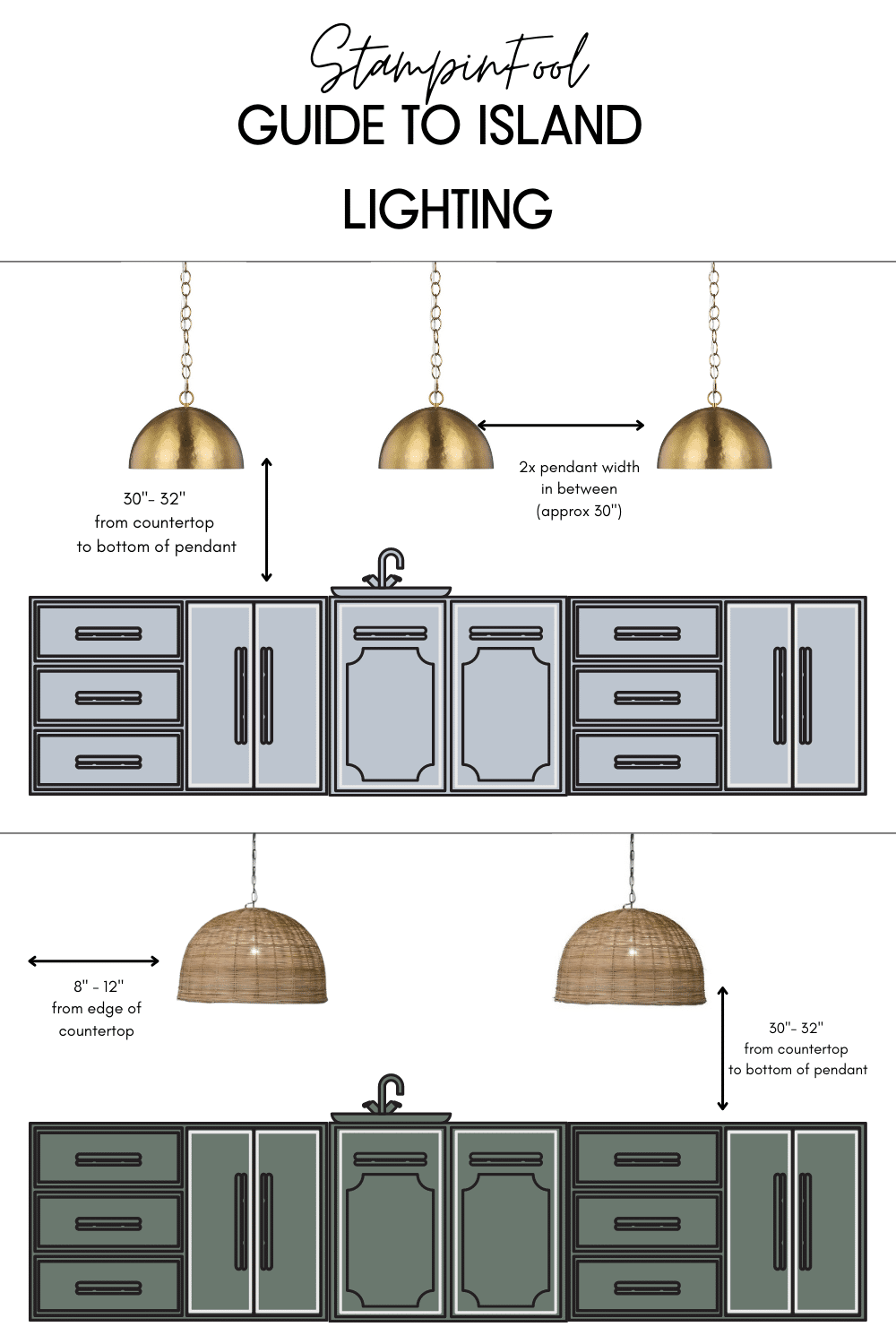
In the heart of your home, the kitchen island is a hub of activity. Pendant lights should be spaced approximately 24 to 30 inches apart to ensure even illumination. Hanging your lights about 30 to 36 inches above the island surface will provide optimal lighting without obstructing your view or interfering with your tasks.
Imagine preparing a meal with shadows falling over your workspace. Not ideal, right? Keeping these spacing guidelines in mind will prevent that and give your kitchen a balanced look. You’ll find cooking and entertaining become much more enjoyable.
Dining Tables
Your dining area is where moments are shared and memories are made. Pendant lights here should also be spaced 24 to 30 inches apart. This ensures each part of the table is well-lit, creating a warm and inviting atmosphere.
Consider the height too. Hanging them 30 to 34 inches above the table surface works well, allowing guests to converse comfortably without the lights obstructing their view. Proper spacing here enhances your dining experience, turning meals into cherished occasions.
Hallways
Hallways often get overlooked when it comes to lighting. Yet, they serve as gateways to different parts of your home. For hallways, spacing pendant lights 6 to 8 feet apart provides ample coverage without overwhelming the space.
Hanging them at a height that clears headroom comfortably, usually about 7 feet from the floor, ensures safety and adds a touch of elegance. Have you ever walked through a dimly lit hallway feeling slightly uneasy? Correct spacing alleviates this, creating a welcoming path through your home.
Are there areas in your home where pendant lights could transform the ambiance? Perhaps it’s time to reassess your lighting design. Every space has its unique needs, and with thoughtful planning, you can achieve both functionality and style.
Adjusting For Style And Aesthetics
Pendant lights offer a unique way to enhance home decor. Their placement affects both style and functionality. Finding the right space between pendant lights can transform a room. It sets the mood and defines the overall aesthetic. The spacing depends on the design style you choose. Each style creates a different ambiance. Below are some popular styles to consider.
Contemporary Designs
Contemporary spaces often feature clean lines and minimalism. Pendant lights should be spaced evenly to maintain balance. A gap of 24 to 30 inches between lights suits modern aesthetics. This spacing emphasizes simplicity and elegance. It allows each light to stand out without overwhelming the room.
Traditional Layouts
Traditional designs lean towards warmth and comfort. Pendant lights should be closer together, around 18 to 24 inches apart. This closer spacing creates a cozy atmosphere. It adds charm and character to classic interiors. Harmony is achieved by aligning lights with furniture and other fixtures.
Eclectic Arrangements
Eclectic styles embrace creativity and individuality. Spacing can vary based on personal taste. You might choose a mix of sizes and heights for pendant lights. This creates a dynamic look, full of interest and intrigue. Each light becomes a focal point, contributing to a vibrant setting.
Practical Installation Tips
Choosing the right space between pendant lights enhances any room’s ambiance. Aim for a gap of 24 to 30 inches. This spacing ensures balanced light distribution and a visually pleasing arrangement.
When hanging pendant lights in your home, getting the spacing right can truly transform your space. It’s not just about aesthetics; it’s about functionality and safety too. Let’s dive into some practical installation tips to ensure you achieve both beauty and utility when installing pendant lights.Tools And Equipment
Before you start, gather all necessary tools and equipment. A tape measure is essential for precise spacing. You’ll also need a level to ensure your lights hang evenly. Other must-haves include a screwdriver, wire strippers, and a ladder. Make sure all your tools are within easy reach to avoid unnecessary trips up and down the ladder. Don’t underestimate the importance of protective gear. Safety goggles and gloves can protect you from potential hazards.Common Mistakes
One common mistake is hanging pendant lights too low or too high. The standard recommendation is about 30 to 36 inches above a countertop or table. This height provides adequate lighting and prevents the lights from obstructing your view. Another frequent error is uneven spacing between lights. Ensure uniformity by measuring the distance between each fixture, considering the room’s size and layout. Overlooking the light’s weight and support structure can also cause issues. Ensure your ceiling can support the fixture’s weight to avoid any mishaps.Safety Considerations
Safety should be your priority during installation. Always turn off the electrical circuit at the breaker box before starting. This simple step can prevent electrical shocks. Double-check that all wires are securely connected. Loose connections can lead to flickering lights or even electrical fires. Consider consulting a professional if you’re unsure about any step. It’s better to be safe than sorry, and professional guidance can provide peace of mind. Are you ready to enhance your home with perfectly spaced pendant lights? Remember, a little planning goes a long way in creating a safe and beautiful environment.Expert Advice And Recommendations
Pendant lights should be spaced 24 to 30 inches apart for optimal illumination. This ensures balanced lighting without overcrowding. Proper spacing enhances room aesthetics while providing functional light.
Choosing the right space between pendant lights can transform your kitchen, dining area, or any room into a beautifully illuminated space. Expert Advice and Recommendations can guide you to make informed decisions, ensuring both functionality and style. Imagine walking into a room where the pendant lights are perfectly aligned, creating a harmonious blend of light and space. This is not just a coincidence; it’s the result of expert advice that considers various factors like room size, light fixture dimensions, and personal preference.How To Measure The Ideal Distance
The first step is to measure the total length of the area where you plan to install the lights. This helps determine how many lights you need and how far apart they should be. A practical tip is to leave about 30 inches between the bottom of the pendant light and the surface below, like a countertop or table.Consider The Size Of The Fixtures
Larger pendant lights require more space between them to avoid overwhelming the room. If your pendants are smaller, you can place them closer together for a more intimate feel. A good rule of thumb is to space them at least 24 inches apart to maintain a balanced look.Height Matters
The height of your ceiling plays a significant role in spacing pendant lights. For ceilings higher than 8 feet, consider hanging the lights slightly higher, around 36 to 40 inches above the surface. This not only ensures proper illumination but also keeps the design cohesive.Purpose And Functionality
Think about what you need the lights for. If you’re lighting a workspace, closer spacing might be necessary for adequate brightness. For ambient lighting, a wider spacing can create a softer glow. What purpose do you want your pendant lights to serve?Personal Style And Aesthetics
Your taste and style are important. Do you prefer a minimalist design or a more elaborate setup? Personal experiences, like a dinner at a friend’s home where the lighting was just perfect, might inspire you. Your style should guide your choice in spacing and arrangement.Seek Professional Input
Don’t hesitate to consult with lighting professionals. They can offer insights and recommendations tailored to your specific needs. Sometimes, an expert eye can spot potential issues you might not notice, ensuring your space is both functional and beautiful. In the end, the perfect spacing between pendant lights blends aesthetics with practicality. By considering these expert tips, you’re well on your way to creating a stunning and functional lighting arrangement in your home. What will your lighting say about your space?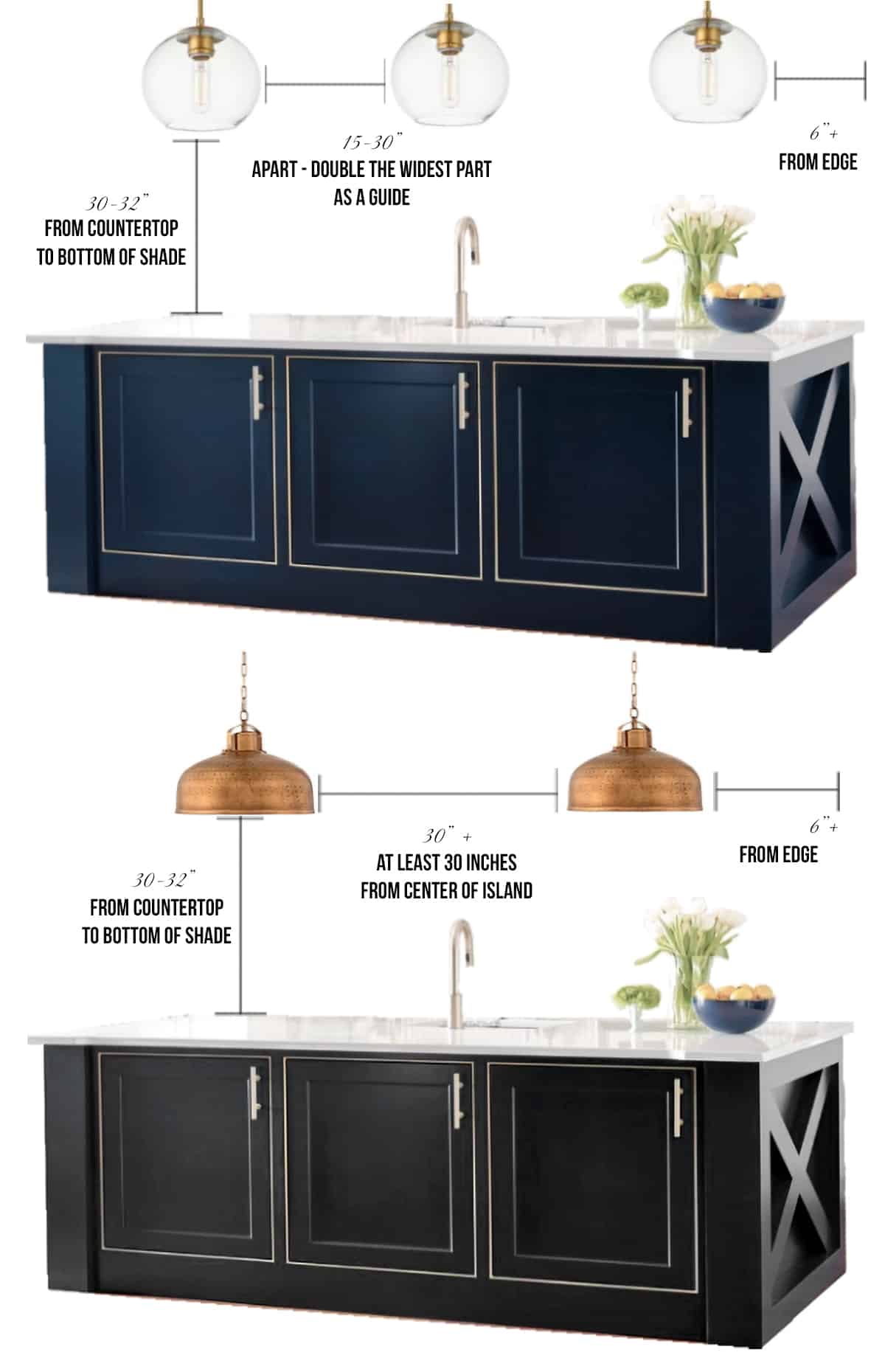
Credit: www.cravingsomecreativity.com
Credit: stampinfool.com
Frequently Asked Questions
How Much Space Should Be Between Pendant Lights?
The ideal space between pendant lights is usually 24 to 30 inches. This spacing allows for even illumination and prevents overcrowding. However, the specific distance can vary based on the size of the lights and the room’s dimensions. Always consider the overall design and functionality.
What Height Should Pendant Lights Be Hung?
Pendant lights should be hung 30 to 36 inches above a countertop or table. This height ensures adequate lighting and avoids glare. For taller ceilings, consider hanging them slightly higher. Adjust the height based on the room’s purpose and the style of the pendants.
How Do I Arrange Pendant Lights Over A Kitchen Island?
For a kitchen island, space pendant lights 24 to 30 inches apart. Hang them 30 to 36 inches above the countertop. This setup provides balanced lighting and complements the island’s dimensions. Choose pendants that match the kitchen’s design and provide sufficient illumination for tasks.
Can Pendant Lights Be Too Close Together?
Yes, pendant lights can be too close if they are less than 24 inches apart. This can lead to excessive brightness and uneven lighting. Proper spacing ensures a balanced and functional lighting scheme. Consider the size and number of pendants when planning their placement.
Conclusion
Choosing the right distance between pendant lights creates a balanced space. It ensures even lighting and enhances room aesthetics. Consider ceiling height and room size when spacing. This helps achieve the best visual effect. Keep functionality in mind for tasks like reading or cooking.
A well-spaced pendant light setup improves your home’s overall appeal. Experiment with spacing to find what suits your style. Each room may need a unique approach. The perfect arrangement not only lights up the room, but also adds charm. Proper spacing makes your lighting inviting and functional.

Home Improvement Specialist & Writer at HomeFixio
Caden Rutherford is a seasoned home improvement specialist with extensive hands-on experience in residential construction, renovations, and design. With a keen eye for detail and a passion for transforming spaces, Caden shares practical advice and expert solutions to enhance the functionality and beauty of homes. As a writer for HomeFixio, Caden combines technical knowledge with creative flair, providing readers with informative guides on everything from structural improvements to aesthetic upgrades, empowering homeowners to achieve their ideal living spaces.