How to Cook Tongue in a Slow Cooker: Deliciously Tender
Cooking tongue might seem daunting at first, but with a slow cooker, it becomes a simple and rewarding process. You might have heard about its tender texture and rich flavor, but the thought of preparing it yourself can be intimidating.
Imagine transforming this unique ingredient into a mouthwatering dish that impresses everyone at your table. With the right guidance, you can unlock the secrets to cooking tongue perfectly in a slow cooker, bringing out flavors you never knew existed. As you explore these easy steps, visualize the irresistible aroma filling your kitchen, enticing your senses, and sparking curiosity.
You’re about to discover a cooking method that not only saves time but also enhances the taste of this classic delicacy. Are you ready to turn a seemingly complex recipe into a delightful culinary experience? Keep reading to uncover the secrets and simplify your cooking process.
Choosing The Right Tongue
Beef tongue is the most common choice. It’s big and tasty. Pork tongue is smaller. It has a mild flavor. Lamb tongue is tiny. It cooks fast. Each type offers a unique taste. Beef tongue is ideal for a large meal. Pork tongue suits smaller dishes. Lamb tongue is a quick option. Choose based on your meal size.
Tongue is available in many places. Local butchers often have fresh stock. Supermarkets sometimes sell them too. Look in the meat section. Online stores offer delivery. They have many options. Ensure freshness before buying. Check the packaging. Visit farmer markets for local produce. They provide quality meats. Choose a trusted source for buying tongue.
:max_bytes(150000):strip_icc()/236880_SlowcookerLenguaBeefTongue_ddmfs_Shot1_3x4_3740-bfcc643964d14fd282faf854a1b183db.jpg)
Credit: www.allrecipes.com
Preparing The Tongue
First, rinse the tongue under cold water. Remove any dirt or bits. Use a sharp knife to trim away excess fat. Be careful, the tongue is slippery. Cut off any unwanted parts. You want a clean piece to cook.
Place the tongue in a bowl. Pour your favorite marinade over it. Make sure it’s covered. Let it soak overnight in the fridge. This helps the flavors soak in. Strong flavors are best for tongue. Garlic, soy sauce, and herbs work well.
Essential Ingredients
Cooking tongue needs special spices and herbs. Use bay leaves for a sweet smell. Peppercorns add a spicy kick. Paprika gives a red color. Thyme brings a fresh taste. Garlic adds strong flavor. Cumin gives an earthy touch. These flavors mix well. They make the dish tasty.
Onions are a must for cooking tongue. They add sweetness. Carrots bring color and sweetness. Celery gives a fresh taste. Parsley adds a green touch. Leeks can be used for a mild flavor. These veggies help in making the tongue tender. Aromatics make the dish smell good. They blend well with spices.
Credit: www.youtube.com
Setting Up The Slow Cooker
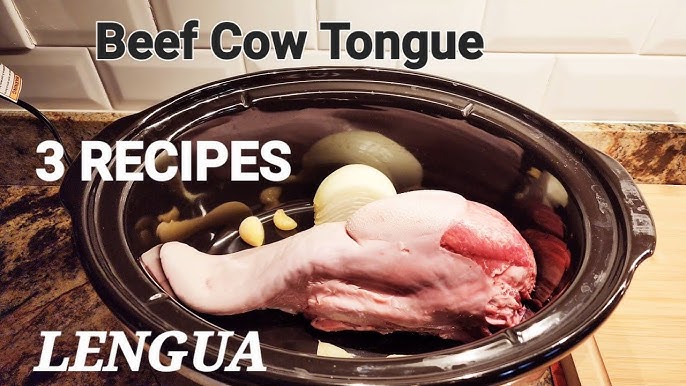
Preparing tongue in a slow cooker ensures tender, flavorful meat. Start by cleaning and seasoning the tongue. Then, place it in the slow cooker with broth and vegetables. Cook on low for several hours until soft. Enjoy a delicious, melt-in-your-mouth dish.
Optimal Temperature Settings
Use the low setting for tender meat. Slow cooking makes the tongue soft. High heat can make it tough. The slow cooker should be set to low for most recipes. This helps cook the tongue evenly. The temperature should be about 200°F. This is good for slow cooking.
Cooking Time Guide
Cooking time varies. It usually takes 6 to 8 hours. The time depends on the size of the tongue. Larger tongues may need more time. Check the tongue after 6 hours. If not soft, cook longer. Use a fork to test softness. The fork should go in easily. Patience is key in slow cooking.
Cooking Techniques
Start by placing the tongue in the slow cooker. Add vegetables on top. Carrots and onions work best. These add flavor. Herbs can go next. Bay leaves and thyme are great choices. Pour broth over everything. Use chicken or beef broth. This keeps it moist. Cover and cook on low. It needs six to eight hours.
Slow cooking makes meat tender. Long hours help break down fibers. The tongue becomes soft and easy to eat. Check the texture after cooking. Use a fork to test. It should be easy to pierce. If not, cook a bit more. Rest the tongue before serving. This helps it stay juicy. Slice and enjoy with your favorite sides.
:max_bytes(150000):strip_icc()/236880_SlowcookerLenguaBeefTongue_ddmfs_3x4_3766-029340252f3f4d25a6c7dd3dc06ec10b.jpg)
Credit: www.allrecipes.com
Flavor Enhancements
Liquids make the tongue juicy and tasty. You can use broths to add flavor. Chicken broth is a good choice. Beef broth makes the dish richer. You can also use water if you have no broth. It is a simple option.
Wines bring a special taste to your dish. Red wine gives a deep flavor. White wine adds a light touch. Use wine with broth for a rich taste. This mix makes the tongue tender. Just use a little wine for a subtle taste.
Serving Suggestions
Slow-cooked tongue becomes tender and flavorful, perfect for sandwiches or tacos. Serve sliced with pickles or mustard for a tasty bite. Pair with mashed potatoes or steamed vegetables for a complete meal.
Pairing With Sides
Cooking tongue in a slow cooker makes it tender and juicy. Pair it with mashed potatoes for a comforting meal. Add steamed vegetables like carrots or green beans. These add color and nutrients. Some enjoy tongue with rice. It soaks up the flavors well. A side of crusty bread can be a great addition. It helps to scoop up delicious juices.
For a creative touch, serve tongue with pickled vegetables. They add a tangy flavor. A simple green salad on the side can be refreshing. A salsa or chimichurri sauce adds zest. It gives the dish a new twist. Pairing with sides makes the meal complete and delightful.
Storing And Reheating
Tongue cooked in a slow cooker becomes tender and flavorful, making it perfect for meals. Store leftovers in airtight containers and refrigerate for freshness. Reheat gently on the stove or microwave to preserve its texture and taste.
Proper Storage Methods
Place cooked tongue in an airtight container. Store in the fridge. It lasts for 3-4 days. For longer storage, freeze it. Wrap in foil or freezer bags. Label with date. Use within three months.
Reheating Tips
Reheat tongue carefully. Use a microwave or stove. For microwave, cover with a damp paper towel. Heat for two minutes. Check temperature. On the stove, use low heat. Add a splash of water. Cover pan to keep moisture.
Frequently Asked Questions
How Long Does It Take To Cook Tongue In A Slow Cooker?
Cooking tongue in a slow cooker usually takes about 6 to 8 hours. This slow cooking process ensures the tongue becomes tender. For best results, set the cooker to low heat. Always check tenderness before serving. Enjoy your flavorful and well-cooked dish!
What Ingredients Are Needed For Cooking Tongue In A Slow Cooker?
To cook tongue in a slow cooker, you’ll need onion, garlic, bay leaves, and broth. Additionally, salt, pepper, and optional spices enhance flavor. These ingredients ensure a rich and delicious taste. Adjust seasonings to your preference for the best results.
Can You Overcook Tongue In A Slow Cooker?
Yes, overcooking tongue in a slow cooker is possible. If overcooked, the tongue becomes mushy and less flavorful. To avoid this, check tenderness after 6 hours. Adjust time as needed for your preferred texture. Monitor closely for the best taste.
Do You Need To Peel Tongue Before Cooking?
Yes, peeling tongue before cooking is recommended. The outer layer is tough and should be removed. After cooking, the skin peels off easily. This ensures a more enjoyable texture and taste. Peeling enhances the overall culinary experience.
Conclusion
Cooking tongue in a slow cooker transforms it into a tender delight. Simple steps lead to flavorful results. Patience pays off with this unique dish. Season well for a rich taste experience. Serve with your favorite sides for a complete meal.
Slow cooking keeps flavors intact and meat juicy. Perfect for family dinners or special occasions. Experiment with spices to suit your taste. Enjoy the satisfaction of a homemade delicacy. Embrace this culinary adventure. Cooking tongue is easier than it seems.
Try it, and surprise your taste buds!

Home Improvement Expert & Senior Writer at HomeFixio
Eliot Granger is a seasoned home improvement expert with years of experience transforming living spaces. Specializing in everything from kitchen renovations to bathroom upgrades, Eliot shares his knowledge through practical, insightful articles. His passion for creating functional, beautiful homes drives him to offer expert tips and solutions for every corner of your house. As a trusted writer for HomeFixio, Eliot is dedicated to helping homeowners make informed decisions and achieve precision in their projects.