What Causes Pillows to Turn Yellow: Unveiling Secrets
Have you ever peeled back your pillowcase only to discover unsightly yellow stains on your pillow? It’s a common household mystery that leaves many scratching their heads.
You might wonder, “What causes pillows to turn yellow? ” Before you toss your pillow in the trash or invest in expensive replacements, let’s uncover the simple reasons behind these stains. The truth is, your pillow is like a sponge, soaking up nightly secrets that your body reveals.
Sweat, oils, and drool—things you might not even realize are happening while you sleep—gradually build up over time. But don’t worry; understanding the cause is the first step to a cleaner, fresher pillow. You’ll not only learn what causes these yellow stains but also how to prevent them, ensuring your pillows stay fresh and inviting for a restful night’s sleep. Curious to find out more? Keep reading to discover the simple solutions to a common problem.
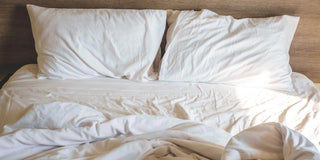
Credit: www.tomsguide.com
Yellowing Due To Sweat
Have you ever wondered why your pillows seem to develop a yellow hue over time? It’s a common issue that many face, but not everyone knows the culprit. One of the primary reasons pillows turn yellow is due to sweat. When you lay your head down to rest, your body naturally releases sweat, and this can accumulate on the pillow’s surface. Over time, the moisture, combined with other factors, leads to discoloration.
As you sleep, your body temperature rises, causing you to sweat. This sweat doesn’t just evaporate; it seeps into your pillow. Even if you’re not a heavy sweater, you might notice yellow stains appearing after a while. It’s a natural process, but it’s one that can be managed.
Think about how often you wash your bed sheets. You probably do so regularly, yet pillows often get overlooked. Imagine the amount of sweat absorbed by your pillow over months or even years without cleaning. It’s like leaving a sponge to soak continuously. The results are inevitable and visible.
Have you ever tried flipping your pillow to the “cool” side? You might notice that one side is more discolored than the other. This might be a sign that sweat is indeed causing the yellowing. Could this be a cue to wash your pillow more often?
Another factor to consider is the material of your pillow. Cotton or down pillows may absorb sweat differently than memory foam ones. Understanding your pillow’s material can help you choose the best cleaning method to combat yellowing.
To protect your pillow from turning yellow, consider using pillow protectors. These act as an additional barrier against sweat, prolonging the life and appearance of your pillow. It’s a small investment for a long-term benefit.
How often do you change your pillowcases? Frequent changes can help, but don’t forget that the pillow itself needs attention too. Regular washing can significantly reduce yellowing caused by sweat. Wouldn’t it be nice to lay your head on a pillow that feels fresh and looks clean?
Next time you notice your pillow turning yellow, remember that sweat is a major contributor. Simple steps like using protectors and regular washing can make a big difference.
Effects Of Body Oils
Pillows often turn yellow due to various factors. One significant factor is body oils. Our bodies naturally produce oils and sweat. These substances seep into pillow fabric over time. Understanding this process can help manage pillow maintenance.
Effects Of Body Oils On Pillow Fabric
Body oils penetrate pillow covers, reaching inner materials. This leads to discoloration, which turns pillows yellow. The oils mix with dust and sweat, creating stubborn stains.
Frequency Of Body Oil Transfer
We spend many hours sleeping each night. With time, body oils consistently transfer to pillows. This continuous exposure accelerates the yellowing process.
How Skin Care Products Contribute
Many use lotions and creams before bed. These products add extra oils to skin. They easily transfer to pillows, enhancing yellowing effects.
Impact Of Not Washing Pillowcases Regularly
Pillowcases act as the first barrier against oils. Washing them infrequently lets oils accumulate. Regular washing helps reduce oil buildup and yellowing.
Preventive Measures To Reduce Yellowing
- Wash pillowcases weekly for best results.
- Use pillow protectors for extra protection.
- Consider face cleansing before sleep.
Role Of Moisture
Pillows turning yellow is common and moisture plays a big role. Moisture can come from sweat, drool, and the environment. This moisture seeps into pillows, causing yellow stains over time.
Humidity And Sweat
High humidity levels contribute to pillow yellowing. Sweat from our heads and necks is a major factor. Our bodies naturally sweat during sleep, even if we don’t notice it. This sweat gets absorbed by the pillow, leading to discoloration.
Drool And Saliva
Many people drool during sleep without realizing it. Drool contains saliva, which is mostly water. Over time, saliva can cause yellow stains on pillows. It mixes with other substances, worsening the discoloration.
Environmental Moisture
The environment can also add moisture to pillows. Living in a damp or humid area can increase pillow moisture. This extra moisture speeds up the yellowing process. Keeping pillows in less humid areas can help.
Preventing Moisture Buildup
Reducing moisture can help keep pillows fresh. Use pillow protectors to create a barrier against sweat and drool. Wash pillowcases regularly to remove absorbed moisture. Allow pillows to air out in dry spaces when possible.
Impact Of Cosmetics
Sweat, oils, and cosmetics can cause pillows to turn yellow over time. These substances seep into the fabric, leading to discoloration. Regular cleaning and pillow protectors can help maintain pillow freshness.
Cosmetics can be your skin’s best friend, but did you know they might be contributing to your pillow’s yellowing? From nightly skincare routines to makeup residue, cosmetics play a surprising role in pillow discoloration. You might not realize how much product your skin can transfer while you sleep.Residue Transfer
Every night, skincare products and makeup remnants get left behind on your pillowcase. Even if you wash your face, traces can remain, especially if you use heavy creams or oils. Over time, these residues build up, leaving a noticeable yellow tint.Oil-based Products
Oil-based cosmetics are particularly notorious for causing stains. These products cling to fabrics and are hard to remove completely. If you love using nourishing night creams or serums, be aware that they might be seeping into your pillow.Makeup Remnants
Sleeping with makeup on—even occasionally—can wreak havoc on your pillows. Mascara, foundation, and lipstick are not only bad for your skin but also tough on your linens. Consider how often you might skip a nightly cleanse and how that impacts your pillow over time. To protect your pillows, consider using a pillow protector or washing your pillowcases regularly. Opt for skincare products that absorb quickly and leave less residue. What if a simple tweak in your routine could keep your pillows fresh and clean?Product Awareness
Understanding the ingredients in your cosmetics can also help. Look for non-comedogenic products that promise minimal residue. Wouldn’t it be great if your beauty routine kept both your skin and your pillows in top condition? By being mindful of your cosmetic use and its impact, you can enjoy both glowing skin and fresh pillows.Influence Of Hair Products
Pillows are essential for a good night’s sleep, but over time, they can turn yellow and lose their freshness. One surprising contributor to this discoloration is the hair products you use regularly. From gels and sprays to conditioners and oils, these products can leave residue on your pillowcase and eventually seep into the pillow itself. Understanding how hair products influence pillow yellowing can help you take steps to prolong the life of your pillows.
Impact Of Residue Build-up
Hair products can leave a residue that accumulates on your pillowcase. This build-up, especially from oils and conditioners, transfers onto your pillow when you rest your head. Over time, this residue can cause the fabric to yellow. You might not notice it immediately, but consistently using hair products can accelerate this discoloration process.
Frequent Washing: A Necessary Habit?
If you’re a fan of styling your hair daily, you might need to wash your pillowcases more often. Consider how frequently you use products and adjust your laundry schedule accordingly. Regular washing can help remove residues before they penetrate deeper into the pillow material.
Product Choices Matter
Are you aware of the ingredients in your hair products? Some chemicals and oils are more prone to causing stains. Opt for products labeled as non-greasy or residue-free. This choice can significantly reduce the risk of yellowing your pillows.
Protective Measures: Pillow Covers And Liners
Investing in pillow covers or liners can add a layer of protection between your pillowcase and the pillow itself. These covers can be easily washed and replaced, preventing direct contact with any residue from hair products.
Personal Experience: A Change In Routine
Once I switched to a lighter, water-based hair product, I noticed a decrease in pillow discoloration. Simply adjusting my product choice not only improved my pillow’s longevity but also enhanced my overall sleep hygiene. Have you ever considered how small changes in your hair care routine can impact your sleep environment?
By being mindful of the hair products you use and taking simple protective measures, you can keep your pillows fresh and inviting for a longer time. What changes can you make today to preserve your pillow’s appearance?
Environmental Factors
Pillows often turn yellow due to various environmental factors. These factors affect the fabric and filling of the pillow over time. Understanding these elements helps maintain your pillows’ freshness and color.
Exposure To Sunlight
Sunlight has a bleaching effect on many fabrics. But it also causes discoloration. Prolonged exposure can lead to yellowing. The UV rays break down the material’s fibers. This results in color changes and weakening of the fabric.
Keep pillows out of direct sunlight. This can prevent premature yellowing. Using pillowcases with UV protection can also help.
Room Humidity Levels
Humidity levels in a room affect pillow color. High humidity can lead to moisture buildup. This creates a breeding ground for mold and mildew. These fungi can cause yellow stains on pillows.
Maintaining optimal humidity is essential. Use dehumidifiers to control moisture. This will help preserve your pillows’ appearance. Regularly airing out pillows can also prevent yellowing.
Material And Fabric Types
Pillows turn yellow due to sweat, skin oils, and moisture. These factors seep into the fabric over time. Material type affects how quickly discoloration happens.
Understanding the material and fabric types of pillows helps explain why they turn yellow. Different materials react differently to moisture, oils, and sweat. The type of fabric can significantly influence how quickly a pillow discolors. Let’s explore some common pillow materials and their effects on yellowing.Cotton Pillows
Cotton pillows are popular for their softness and breathability. They absorb sweat and oils easily, making them prone to yellowing. Regular washing can help minimize discoloration. Cotton’s natural fibers make it more susceptible to moisture.Memory Foam Pillows
Memory foam is dense and less breathable than cotton. It absorbs less moisture but can still yellow over time. Sweat and oils can seep into the foam, causing discoloration. Using a protective cover can help reduce this effect.Feather And Down Pillows
Feather and down pillows are luxurious and soft. They trap heat and moisture, leading to yellowing. Regular airing and a protective cover can help maintain their freshness. They need more care to prevent discoloration.Synthetic Pillows
Synthetic pillows, like polyester, resist moisture and stains. They are less prone to yellowing but not immune. Oils and sweat can still accumulate, causing discoloration. Frequent washing can help keep them looking fresh.Bamboo Pillows
Bamboo pillows are breathable and moisture-wicking. They resist yellowing better than other materials. They still need regular cleaning to prevent buildup. Bamboo’s natural properties help maintain their color longer. Understanding the material and fabric types of your pillow can help you take better care of it. Regular maintenance and protective covers can significantly extend their lifespan.
Credit: www.homesandgardens.com
Cleaning And Maintenance
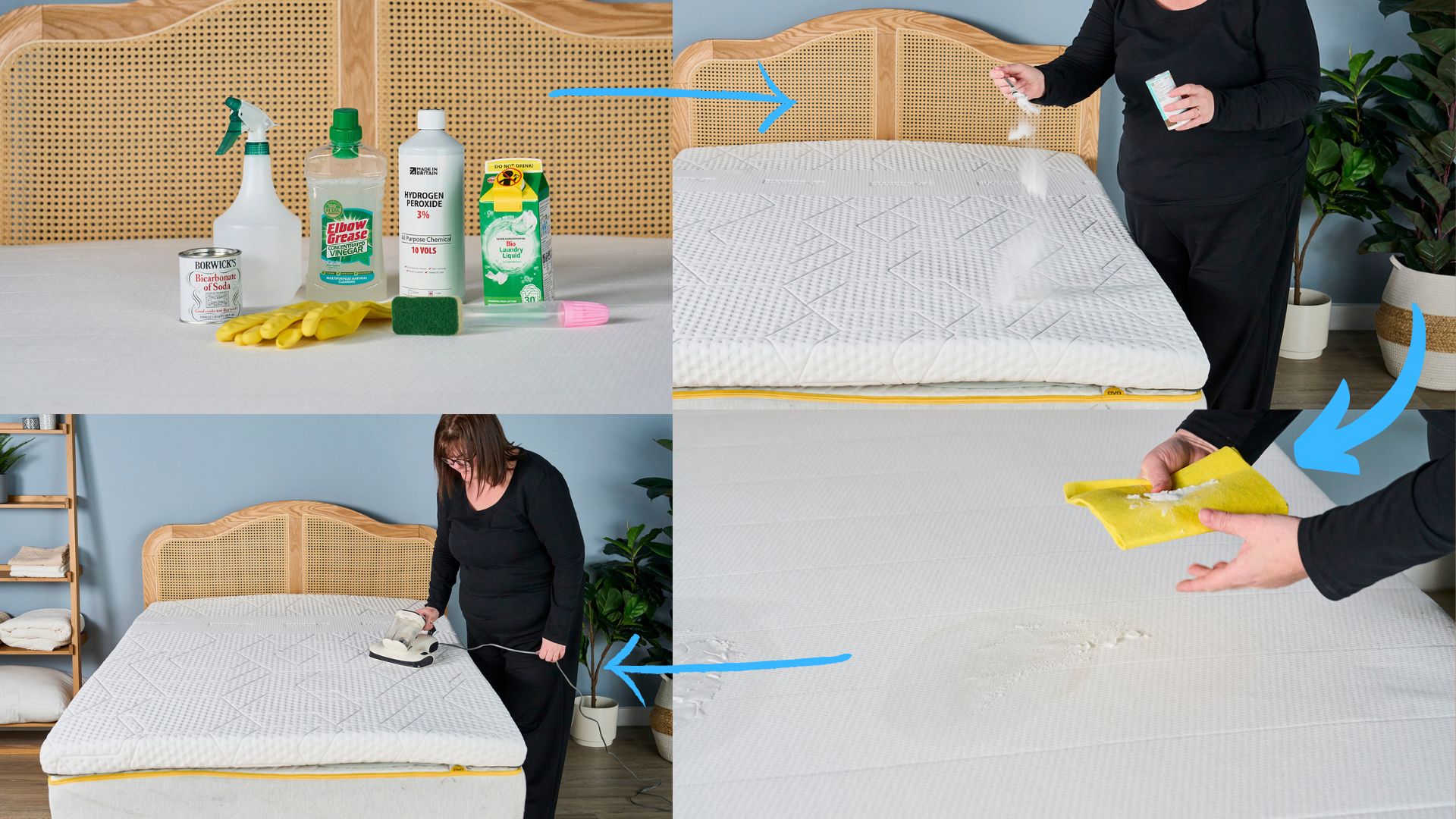
Cleaning and maintaining your pillows is essential to keep them fresh and inviting. Without proper care, pillows can turn yellow due to sweat, oils, and dust. Regular cleaning not only prevents discoloration but also extends the life of your pillow. Let’s dive into some practical tips to keep your pillows looking their best.
Washing Frequency
How often do you wash your pillows? It’s easy to forget, but regular washing is crucial. Aim to wash your pillows at least twice a year. This helps remove accumulated sweat, oil, and dust mites. If you notice yellowing or odors, it might be time for a wash.
Ever washed your pillow and found it turned lumpy or lost its shape? Try using a gentle cycle and cold water. Add a couple of tennis balls in the dryer to keep them fluffy. This simple trick can make a world of difference!
Use Of Pillow Protectors
Consider investing in pillow protectors. They act as a barrier against sweat and oils. Think of them as a first line of defense. Pillow protectors are washable and can significantly reduce the frequency of washing the actual pillow.
Have you ever felt the difference between using a pillow protector and not? It’s like having an extra layer of security! Plus, they’re easy to slip on and off for cleaning.
What small changes can you make in your routine to preserve your pillows? A little effort goes a long way in keeping them fresh and inviting for a good night’s sleep.
Chemical Reactions
Pillows seem to have a hidden life of their own, slowly morphing into a yellowed version of themselves over time. This mysterious transformation isn’t just about dirt or sweat—it’s also about chemical reactions. These reactions play a significant role in the yellowing process, often happening right under your nose without you even realizing it.
Understanding Oxidation
Oxidation is a common chemical reaction that occurs when certain elements, like sweat and skin oils, interact with oxygen. Over time, these reactions cause pillows to change color, resulting in those unmistakable yellow stains. It’s similar to how a sliced apple turns brown when exposed to air.
Moisture from sweat or humidity can accelerate chemical reactions within pillow materials. When moisture is present, it can speed up oxidation, making your pillow yellow faster. Consider how dampness can cause rust—it’s a similar concept.
Impact Of Body Oils
Your skin naturally produces oils, which can seep into your pillow. These oils contain fatty acids that react chemically with the materials in the pillow. This interaction can lead to a slow, progressive yellowing, much like how oil stains can alter the color of fabric.
Effect Of Detergents And Cleaning Agents
Sometimes, the products you use to clean your pillows can contribute to yellowing. Detergents and cleaning agents may leave residues that react with the pillow’s fabric over time. It’s always a surprise when something meant to clean ends up complicating the issue!
Have you ever noticed how your pillow seems to change faster than you expected? It’s fascinating to realize that these everyday chemical reactions are happening right in your bedroom. So next time you see your pillow turning yellow, remember—it’s not just a sign of wear and tear; it’s a testament to the invisible chemistry at play.

Credit: dzeehome.com
Preventive Measures
Sweat, oils, and moisture can cause pillows to turn yellow. Regularly washing pillowcases and using protective covers can help prevent discoloration.
Preventing yellow stains on pillows is easier than you think. Simple habits can keep your pillows fresh and clean. Let’s explore some key measures to maintain your pillows.Regular Pillow Replacement
Replace your pillows every 1-2 years. Old pillows accumulate sweat and oils. These elements cause yellow stains. New pillows provide better support and hygiene. Check your pillow’s condition regularly. If it looks flat or stained, it’s time to replace it.Choosing Breathable Materials
Select pillows made from breathable fabrics. Cotton and bamboo are good choices. These materials allow air to circulate. They wick away moisture and reduce sweat buildup. Breathable covers can also help. They protect the pillow from direct contact with oils.Frequently Asked Questions
Why Do Pillows Turn Yellow Over Time?
Pillows turn yellow due to sweat, oils, and dead skin cells. These natural elements accumulate and cause discoloration. Over time, even regular washing can’t fully prevent this yellowing effect.
How Can Sweat Affect Pillow Color?
Sweat contains salts and oils that seep into pillow fabric. This leads to yellow stains. The constant absorption of sweat accelerates the yellowing process, making pillows look old and worn out.
Can Pillow Protectors Prevent Yellowing?
Yes, pillow protectors can help reduce yellowing. They act as a barrier against sweat and oils. Regularly washing protectors can maintain pillow freshness and prolong their lifespan.
Does Washing Pillows Stop Yellowing?
Washing can reduce yellow stains, but it doesn’t completely stop yellowing. Regular washing removes some oils and dirt. However, over time, discoloration may still occur despite frequent cleaning.
Conclusion
Yellow pillows are common and easily preventable. Sweat is a major cause. Saliva and natural body oils contribute too. Regular cleaning can help. Protect pillows with covers. Sunlight can brighten them naturally. Choose pillows that resist staining. Simple habits keep pillows fresh.
Avoid moisture buildup. Air circulation is important. Ensure a clean, comfortable sleep environment. Pillows need attention just like any bedding. A little care goes a long way. Keep pillows clean to enjoy restful sleep. Stay aware of pillow hygiene. This ensures they last longer and stay inviting.
Happy sleeping with fresh, clean pillows!

Home Improvement Expert & Senior Writer at HomeFixio
Reed Atwood is a seasoned home improvement expert with a passion for transforming everyday living spaces into functional and stylish havens. With years of experience in DIY projects, renovations, and home upgrades, Reed brings a wealth of knowledge to HomeFixio. As a senior writer, he provides readers with practical, easy-to-follow guides, expert tips, and innovative solutions for every room in the house. His goal is to empower homeowners to tackle their projects with confidence, ensuring both quality results and a rewarding experience.