What Does 20 Bar Espresso Mean: Unveiling Coffee Secrets
Have you ever wondered what makes a perfect espresso shot? Perhaps you’ve heard the term “20 bar espresso” and felt a bit puzzled.
You’re not alone. Many coffee enthusiasts and casual drinkers alike are curious about what this actually means. Understanding the concept behind 20 bar espresso can transform the way you enjoy your coffee. Imagine savoring every sip, knowing exactly how the brewing process works to create that rich and flavorful taste you love.
We’ll unravel the mystery of 20 bar espresso, revealing how it impacts your coffee experience and why it might just be the secret ingredient to your perfect cup. Stay with us as we dive into the world of espresso, where precision meets flavor, and discover why this term is more than just a number.

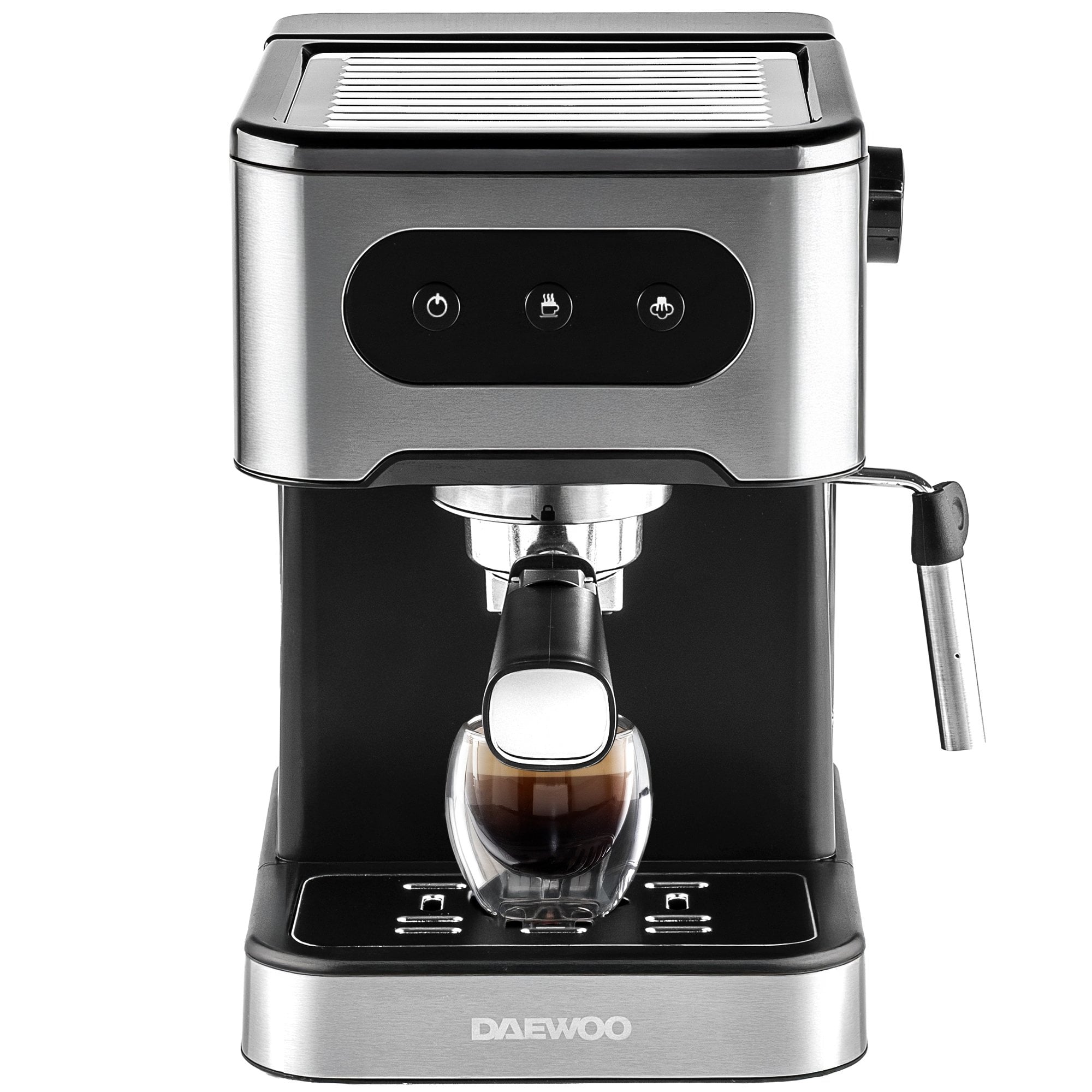
Credit: www.daewooelectricals.com
The Essence Of Espresso
Espresso is more than just coffee. It’s a rich, flavorful experience. Each sip delivers a concentrated burst of taste. For coffee lovers, espresso is pure joy. It all starts with the perfect pressure: 20 bar. This pressure ensures a full-bodied shot with a delicious crema. But what is the true essence of espresso?
Origins Of Espresso
Espresso originated in Italy in the late 19th century. Italians wanted a faster coffee brewing method. Luigi Bezzera invented the first espresso machine in 1901. His design used steam pressure to brew coffee quickly. This innovation changed how people enjoyed coffee.
Espresso quickly became a staple in Italian culture. Cafés sprouted up everywhere, serving this new beverage. The espresso culture soon spread across the globe. Today, it’s a symbol of Italian coffee craftsmanship.
Key Characteristics
Espresso is known for its intense flavor and aroma. It’s made by forcing hot water through finely-ground coffee beans. This process extracts deep flavors and oils from the beans. The result is a thick, concentrated shot of coffee.
One key feature of espresso is its crema. Crema is the golden layer on top of the espresso. It forms when hot water emulsifies the coffee oils. Crema adds a smooth texture and enhances flavor. True espresso should have a rich, velvety crema.
Espresso is typically served in small portions. This is because of its strong flavor and high caffeine content. Despite its small size, espresso packs a punch. It’s the foundation for many popular coffee drinks. Lattes, cappuccinos, and macchiatos all start with espresso.

Credit: outin.com
Understanding Bar Pressure
When you hear about a 20 bar espresso machine, it might sound technical and a bit intimidating. But what does “20 bar” really mean, and why should you care? Understanding bar pressure is key to unlocking the full potential of your espresso machine and crafting that perfect cup of espresso.
Definition Of Bar
The term “bar” is a unit of pressure. In the context of espresso making, one bar is equivalent to the atmospheric pressure at sea level. So, when you hear about a machine having 20 bars of pressure, it means the machine can exert pressure 20 times that of the earth’s atmosphere.
This might sound like overkill, but it’s crucial for the espresso-making process. The high pressure forces hot water through finely-ground coffee, extracting flavors and aromas that define a great espresso.
Role In Espresso Making
Pressure is a critical factor in espresso making. The right amount of pressure ensures a balanced extraction, delivering rich flavors and a creamy crema on top. Too much pressure, and you risk over-extraction, leading to a bitter taste.
But here’s the secret: most espresso machines operate best at around 9 bars, not 20. The 20-bar rating is often more about marketing than practical use. It’s like having a sports car that can hit 200 mph, but you usually drive it at 60 mph. The extra bars ensure the machine can maintain optimal pressure throughout the brewing process.
Next time you fire up your espresso machine, take a moment to appreciate the science behind those bars. Are you using the right pressure for your perfect cup? What adjustments might elevate your coffee experience? By understanding bar pressure, you’re not just making coffee—you’re crafting an art form.
20 Bar Pressure Explained
The term “20 Bar Espresso” often raises questions for coffee enthusiasts and beginners alike. Espresso machines are all about pressure, and 20 Bar pressure is a point of intrigue. But what does this mean for your morning brew?
Standard Pressure Levels
Espresso machines typically operate around 9 Bar pressure, which is considered the standard for extracting a perfect shot. This level of pressure ensures that water pushes through finely ground coffee with the right force to extract flavors effectively.
Why then, do we see machines boasting 20 Bar pressure? It’s important to know that while 20 Bar is a maximum capacity, most home machines don’t actually brew coffee at this pressure. Instead, they use it to kickstart the brewing process before settling into that sweet spot of around 9 Bar.
Impact On Flavor And Texture
The pressure level in espresso machines directly affects flavor and texture. A higher pressure can extract more oils and flavors from the coffee beans, potentially leading to a richer and more robust taste. However, too much pressure can also result in over-extraction, making the espresso bitter.
Have you ever wondered why some espresso shots have a silky crema and others don’t? The pressure plays a significant role. The right balance helps produce that creamy, flavorful layer on top—perfect for a quick morning pick-me-up.
Consider this: if you’re experimenting with different beans and grind sizes, understanding pressure can be your secret weapon in creating a personalized coffee experience. Are you ready to tweak and taste test your way to the perfect espresso shot?
The Science Behind Pressure
Understanding the science behind espresso pressure opens a new world. A 20 bar espresso machine produces coffee with intense flavors. Pressure plays a critical role in extracting the rich taste from coffee grounds. It’s not just about speed; it’s about precision and control.
Physics Of Espresso Extraction
Pressure forces water through finely ground coffee. At 20 bars, this pressure is significant. It ensures that water extracts oils and flavors effectively. The result is a concentrated espresso shot. The interaction between pressure and coffee creates the crema layer. This layer is a sign of a well-brewed espresso.
Influence On Coffee Grounds
Pressure impacts how coffee grounds react. Finer grounds offer more resistance, enhancing extraction. The high pressure breaks down coffee particles. This releases aromatic oils and compounds. Larger grounds require less pressure, impacting flavor. Espresso machines adjust to these variations to perfect the brew.
Comparing Espresso Machines
Comparing espresso machines can be a daunting task, especially when you’re faced with technical terms like “20 bar pressure.” Understanding these terms is crucial for making an informed decision that suits your caffeine needs. Whether you’re an espresso aficionado or a casual coffee drinker, the right machine can transform your coffee experience.
Different Pressure Capabilities
Espresso machines operate using varying pressure levels, and this can significantly affect your coffee’s taste and texture. A machine with a 20 bar pressure capability might sound impressive, but what does that mean for your coffee?
Most espresso machines operate between 9 to 15 bars of pressure, which is sufficient for extracting flavors from coffee grounds. The higher the pressure, the more refined the extraction process, potentially leading to richer flavors. However, exceeding 15 bars doesn’t necessarily improve the taste. It’s like driving a sports car at full speed when you only need to get from point A to B. You might not need all that power.
Imagine you’re choosing between a machine with 9 bars and one with 20 bars. While 20 bars might promise a more robust extraction, it could also lead to over-extraction, resulting in a bitter cup. It’s crucial to weigh the benefits against the risk of overdoing it.
Choosing The Right Machine
So, how do you choose the right espresso machine for your needs? Start by considering your personal coffee preferences. Do you prefer a strong and intense shot, or something smoother and more balanced?
- If you love experimenting with different coffee flavors, a machine with adjustable pressure settings might be a good choice.
- If you’re more of a traditionalist, a standard 9-bar machine could serve you well.
- Consider the frequency of use. If you make espresso every day, investing in a high-quality machine is worthwhile.
Think about your kitchen space and budget. A compact machine with solid features can be perfect for small kitchens. On the other hand, if budget is not a concern, you might opt for a high-end model with advanced features.
Ask yourself: How often will I use this machine? Will I be making espresso just for myself, or entertaining guests? Your answers will guide you to the machine that fits your lifestyle.

Credit: www.amazon.ca
Common Misconceptions
Espresso enthusiasts often discuss pressure levels in coffee machines. A common term is “20 bar espresso,” which refers to the pressure used during brewing. However, many misconceptions surround this topic. Understanding these myths helps coffee lovers make informed choices.
Myths About High Pressure
Some believe higher pressure guarantees better coffee. This is not always true. Quality espresso relies on multiple factors. Bean quality, grind size, and water temperature matter. Pressure above 9 bars can cause over-extraction. This might lead to bitter coffee flavors. More pressure doesn’t mean better taste.
True Impact On Brewing
Pressure influences how coffee extracts. But, it should be balanced with other brewing elements. Too much pressure can lead to uneven extraction. Ideal pressure usually ranges between 9 and 15 bars. This helps in achieving smooth and rich espresso. Machines with 20 bars can be marketing gimmicks. They may not improve the brewing process significantly.
Enhancing Your Espresso Experience
Enhancing your espresso experience is not just about choosing the right machine; it’s about understanding the subtle nuances that can elevate your brew from good to exceptional. A 20 bar espresso machine might sound technical, but it directly impacts the richness and depth of flavor in your cup. The pressure level is crucial in extracting the perfect espresso shot, ensuring that every sip is a delight. Let’s dive into some tips to make sure you get the most out of your espresso experience.
Tips For Optimal Brewing
Brewing a perfect espresso requires attention to detail. Start by ensuring your machine is clean and well-maintained. A spotless machine not only performs better but also prevents any unwanted flavors from contaminating your coffee.
Experiment with grind size. A finer grind increases extraction, while a coarser one allows water to flow through more quickly. Adjusting the grind can dramatically change the taste profile of your espresso.
Pay attention to the brewing time. Ideally, a shot should take between 25 to 30 seconds to brew. If it’s too fast or too slow, tweak the grind size or pressure settings. You might find that a small adjustment makes a huge difference.
Importance Of Quality Beans
The beans you choose are the heart of your espresso. Opt for freshly roasted beans, as they retain more oils and flavors. Stale beans can lead to a flat and uninteresting brew.
Consider the origin and roast level of your beans. Different regions produce beans with distinct flavor profiles. A light roast might offer fruity notes, while a dark roast provides a robust, smoky flavor.
Don’t be afraid to try blends. They can offer a balanced and complex taste, combining the strengths of different beans. Your palate is unique, so explore what excites your taste buds.
Are you ready to transform your espresso experience? Small changes can lead to big improvements. Dive in and discover what suits your taste best. Enjoy the journey as much as the destination.
Frequently Asked Questions
What Does 20 Bar Espresso Pressure Mean?
A 20 bar espresso machine refers to the pressure it generates during brewing. This high pressure ensures optimal extraction of coffee flavors, resulting in a rich and aromatic espresso. While some machines claim 20 bars, typically only 9 bars are needed for a perfect espresso shot.
Is 20 Bar Better Than 15 Bar Espresso?
Higher pressure, like 20 bar, can enhance extraction, but it’s not always better. Most experts agree that around 9 bars is ideal for brewing. Excessive pressure can sometimes lead to over-extraction, affecting taste and quality. Therefore, 15 bar machines are often sufficient for quality espresso.
How Does Espresso Pressure Affect Taste?
Espresso pressure directly impacts flavor extraction. Adequate pressure ensures balanced extraction, leading to a rich and flavorful shot. Too little pressure results in under-extracted, weak espresso, while too much pressure can over-extract, causing bitterness. Finding the right balance is key for optimal taste.
Can Home Machines Achieve 20 Bar Pressure?
Many home espresso machines claim 20 bar pressure, but actual brewing pressure is often lower. Most machines use a pump to reach desired pressure, typically around 9 bars for optimal brewing. It’s important to understand machine specifications and performance for achieving quality espresso at home.
Conclusion
Understanding “20 bar espresso” can enhance your coffee experience. It refers to the pressure used to brew espresso. This high pressure helps extract rich flavors and aromas. Many espresso machines offer this feature. It ensures a strong and flavorful shot.
Choosing a machine with 20 bars can enhance your brews. Always consider your personal taste preferences. Experimenting with pressure can lead to the perfect cup. Enjoy your espresso journey and explore different settings. Your morning coffee ritual might just get better.
Happy brewing!

Home Improvement Expert & Senior Writer at HomeFixio
Eliot Granger is a seasoned home improvement expert with years of experience transforming living spaces. Specializing in everything from kitchen renovations to bathroom upgrades, Eliot shares his knowledge through practical, insightful articles. His passion for creating functional, beautiful homes drives him to offer expert tips and solutions for every corner of your house. As a trusted writer for HomeFixio, Eliot is dedicated to helping homeowners make informed decisions and achieve precision in their projects.