
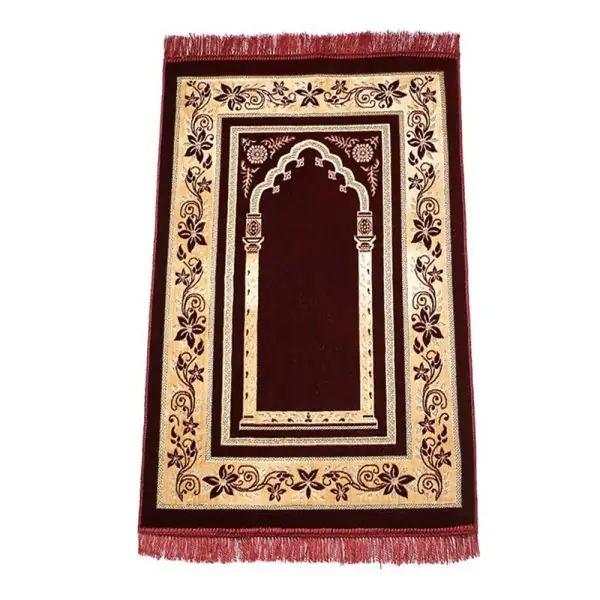
What is a Muslim Prayer Rug Called: Discover Its Name
Imagine stepping into a realm where spirituality meets tradition, where each intricate thread tells a story of devotion. Have you ever wondered what those beautifully woven mats, used by Muslims during prayer, are actually called?
As you delve deeper into understanding this significant aspect of Islamic worship, you’ll uncover fascinating details that might surprise you. This article promises to enlighten you on the mystery behind the name and purpose of this essential item. By the end, you won’t just know its name; you’ll appreciate its profound significance in the lives of millions.
Are you ready to discover what truly lies beneath the surface of a Muslim prayer rug?

Credit: al-hadaya.com
Origins And History
Muslim prayer rugs are called “sajjada” in Arabic. They have been used for centuries in Islamic practice. These rugs provide a clean space for prayer, emphasizing devotion and spirituality.
The Muslim prayer rug, often called a “sajadah” or “musalla,” is more than just a piece of fabric. It holds deep historical and cultural significance that stretches back centuries. Understanding its origins and history can enrich your appreciation for this sacred item.Origins Of The Prayer Rug
Prayer rugs have their roots in ancient cultures, where textiles were used in religious practices. Early examples can be traced to the nomadic tribes of Central Asia. They crafted rugs using materials available in their environment, like wool from their livestock. The design of these rugs often mirrored the natural surroundings and cultural symbols. Over time, they evolved into the prayer rugs we know today, with intricate patterns and designs.The Spread Across Cultures
As Islam spread across the globe, so did the use of prayer rugs. Each region added its own unique touch to the design, reflecting local artistry and traditions. The Persian influence, for instance, introduced elaborate floral motifs and rich colors. Through trade routes and cultural exchanges, these rugs traveled far and wide, becoming a symbol of unity in diversity. Have you ever wondered how something so simple could connect people across continents?Prayer Rugs In Modern Times
Today, prayer rugs are widely available and come in countless designs. They range from simple, minimalistic styles to those adorned with gold threads and detailed embroidery. Whether you purchase one from a local market or a distant country, each prayer rug carries the legacy of history and culture. What stories does your prayer rug tell? Understanding the origins and history of the Muslim prayer rug allows you to appreciate not just its aesthetic beauty, but also its profound cultural significance. As you lay it down for prayer, you’re partaking in a tradition that spans generations.Purpose And Significance
The prayer rug, known as a “sajada” in Arabic, is used by Muslims during their daily prayers. It signifies a clean space for worship and is often beautifully decorated.
The Muslim prayer rug, often referred to as a “sajada,” holds a special place in Islamic worship. Its purpose goes beyond just providing a clean surface for prayer. It embodies a personal space of reflection and devotion, symbolizing purity and focus during the act of worship.Purpose Of The Prayer Rug
The primary purpose of the prayer rug is to ensure cleanliness while praying. Islam emphasizes purity, and the rug acts as a barrier between the worshipper and the ground. This helps maintain physical cleanliness, which is crucial for the act of prayer known as “salah.” Beyond physical cleanliness, the rug serves as a spiritual tool. It delineates a sacred space where you can connect more deeply with your faith. When you unroll your prayer rug, it marks the beginning of a spiritual journey, helping you focus your thoughts and intentions.Significance In Daily Worship
The prayer rug is significant in daily worship because it symbolizes a dedicated space for prayer. This physical demarcation can help enhance concentration, making your prayers more meaningful. Think of it as a pause button on the chaos of daily life, allowing you to step into a moment of tranquility. For many, the prayer rug becomes a cherished item, often carried along during travels. Its portability ensures that no matter where you are, you have a familiar space for prayer. This can be comforting and grounding, especially in unfamiliar environments.Personal Connection And Experience
Many people find a personal connection to their prayer rug through its use in daily rituals. Over time, it can become a symbol of your spiritual journey. Have you ever noticed how certain objects can evoke deep emotions or memories? A prayer rug often holds these personal stories, making it much more than just a piece of fabric. Consider how a prayer rug can become a family heirloom, passed down through generations. This tradition can imbue the rug with historical significance, linking you to your ancestors and their spiritual practices. Does your prayer rug have a story or memory attached to it? Sharing these stories can enrich your understanding and appreciation of its role in worship.Design And Materials
A Muslim prayer rug is called a “sajadah” or “janamaz. ” These rugs are often made from wool, cotton, or silk. Intricate designs and motifs symbolize Islamic art and culture.
The Muslim prayer rug, often a cherished item in a believer’s life, is more than just a piece of fabric. Its design and materials are meticulously chosen to serve both aesthetic and spiritual purposes. Whether you are exploring a local market or browsing online, you’ll notice a variety of prayer rugs, each with unique features that reflect cultural and religious significance.Design Features
The design of a Muslim prayer rug is often deeply symbolic. You might find intricate geometric patterns or floral motifs, each representing different aspects of Islamic art. Many rugs incorporate a mihrab pattern, which is a niche or arch symbolizing the direction of Mecca. This design element not only adds beauty but also serves as a guide during prayer. Colors can vary, but you’ll often see rich reds, blues, and greens that are both visually striking and calming. Some rugs are adorned with calligraphic verses from the Quran, adding a layer of spiritual connection. Imagine kneeling on a rug that feels like a piece of art, guiding your focus and enhancing your prayer experience.Materials Used
The materials of a prayer rug are chosen for comfort and durability. Wool is a popular choice, known for its softness and resilience. Silk rugs, though more expensive, offer a luxurious feel and are often used for special occasions. Cotton is another option, appreciated for its affordability and ease of maintenance. Consider the texture when selecting a rug. A smooth surface allows for comfortable kneeling, while a thicker pile can provide extra cushioning. The choice of material can affect not only the feel but the longevity of the rug. You might find yourself drawn to a rug that complements your personal style while meeting practical needs.Personal Connection
Choosing a prayer rug is a personal journey. It’s not just about finding a design that appeals to your eye but also one that resonates with your heart. Perhaps you have a family rug passed down through generations, carrying memories and traditions. Or maybe you are seeking a new rug to mark a personal spiritual milestone. What does your ideal prayer rug look like? Is it vibrant and detailed, or simple and understated? Each rug tells a story, and selecting one can be a meaningful way to express your faith and individuality.
Credit: stargoldworld.com
Variations Across Cultures
The Muslim prayer rug, also known as a “sajjadah,” is an essential part of spiritual practice for many Muslims around the world. However, did you know that the design and style of these rugs can vary significantly depending on cultural influences? While they serve the same purpose, the visual representations and materials used can differ, offering a glimpse into the rich tapestry of Islamic art and tradition.
Turkish Influences
In Turkey, prayer rugs often feature intricate geometric patterns and vibrant colors. These designs reflect a long history of skilled craftsmanship and artistry. Many Turkish prayer rugs use wool, which provides durability and comfort. You might find yourself appreciating not just the aesthetic but the warmth it brings during prayer.
Persian Elegance
Persian prayer rugs are renowned for their elegance and detailed floral designs. Typically made from silk or fine wool, these rugs are a testament to Persia’s rich artistic heritage. The intricate patterns often tell stories or symbolize spiritual themes, inviting you to ponder their meanings as you prepare for prayer.
North African Simplicity
In North Africa, prayer rugs tend to be simpler, often featuring minimalistic designs. Made from cotton or wool, they focus on functionality over ornate decoration. This simplicity can remind you of the importance of humility and focus in prayer, stripping away distractions to foster a deeper connection.
Indonesian Innovations
Indonesian prayer rugs are unique, often incorporating local batik patterns and bright colors. These rugs blend traditional Islamic designs with local art, creating a vibrant tapestry that celebrates cultural diversity. Using these rugs might inspire you to think about how faith and culture intertwine in everyday life.
Central Asian Symbolism
Central Asian prayer rugs frequently feature symbolic motifs such as stars, mosques, and minarets. These designs are often deeply rooted in local traditions and beliefs. When you use a Central Asian prayer rug, consider the deeper spiritual narratives these symbols might convey.
As you explore the varied styles of prayer rugs, think about how they reflect the cultural nuances of different regions. Does your prayer rug tell a story or hold a special meaning for you? The diversity in design not only enhances your prayer experience but also connects you to a global community of believers. Embrace the cultural richness each rug brings to your spiritual journey.
Etiquette And Use
A Muslim prayer rug is called a “sajadah” or “musalla. ” These rugs are used during prayers to provide a clean surface. They often feature intricate designs and symbolic patterns, enhancing the spiritual atmosphere.
A Muslim prayer rug, known as a “sajjada” or “janamaz,” is not just an ordinary mat. It holds deep spiritual significance and is integral to daily prayers. Using it correctly is essential, not only to maintain its sanctity but also to show respect for the prayer practice itself.Proper Placement
Your prayer rug should face the direction of the Kaaba in Mecca, known as the qibla. This orientation is fundamental in Islamic prayers, linking every Muslim across the globe to a single spiritual center. It’s crucial to ensure that the rug is placed on a clean surface, free from any impurities, to maintain its purity.Respectful Handling
Before and after use, the rug should be treated with respect. Avoid stepping on it with shoes or using it for non-prayer purposes. Folding it neatly after each use shows reverence and helps keep it clean.Personal Connection
Your prayer rug often becomes a personal item, imbued with your spiritual energy. Many Muslims travel with their prayer rugs, using them as a portable sanctuary. This personal connection can enhance your focus and mindfulness during prayers, fostering a deeper spiritual experience.Community And Sharing
While personal, prayer rugs can also be shared in communal settings. Offering your rug to a guest or using it during group prayers reflects hospitality and community spirit. It’s a gesture that strengthens bonds and shows unity in faith.Choosing The Right Rug
Selecting a prayer rug can be a personal journey. Some prefer simple designs, while others opt for intricate patterns that aid concentration. Consider what resonates with you spiritually and aesthetically, ensuring it enhances, rather than distracts from, your prayer experience.
Credit: al-hadaya.com
Role In Islamic Practices
The Muslim prayer rug, also known as a “sajjadah,” plays a vital role in Islamic practices. It is more than just a piece of fabric. This rug holds spiritual significance and supports Muslims during their daily prayers.
Spiritual Significance
Muslims use the prayer rug as a clean space for worship. It creates a sacred area for communication with Allah. The rug’s design often features intricate patterns and symbols. These elements help focus the mind during prayer.
Facilitating Concentration
The sajjadah provides a dedicated spot for prayer. It helps Muslims concentrate by marking a specific area for worship. This separation from daily surroundings allows for deeper spiritual connection.
Portable Worship
The prayer rug is lightweight and easy to carry. Muslims can perform prayers anywhere with this tool. Its portability ensures that spiritual practices are maintained during travel.
Symbolic Boundaries
The rug defines the boundaries of the prayer space. It signifies a transition from the physical world to a spiritual realm. This boundary helps Muslims focus solely on their devotion.
Cultural And Artistic Expression
Prayer rugs often reflect cultural and artistic traditions. They showcase regional designs and craftsmanship. These patterns offer a glimpse into the diverse Islamic heritage.
Frequently Asked Questions
What Is The Purpose Of A Muslim Prayer Rug?
A Muslim prayer rug provides a clean area for prayer. It helps maintain focus during worship and symbolizes purity. Its decorative design often includes religious symbols, enhancing spiritual ambiance. Prayer rugs are portable, allowing Muslims to perform prayers anywhere conveniently.
How Is A Muslim Prayer Rug Used?
Muslims place the prayer rug on the floor, facing Mecca. They stand, bow, and prostrate on it during Salah. The rug marks a sacred space, ensuring cleanliness. After prayer, it’s usually folded and stored. This practice is integral to Islamic worship.
What Materials Are Muslim Prayer Rugs Made Of?
Muslim prayer rugs are typically made of wool, cotton, or silk. These materials offer comfort and durability. Wool is popular for its softness. Cotton is lightweight and easy to clean. Silk is luxurious, often used for special occasions. Each material enhances the prayer experience.
Are Muslim Prayer Rugs Culturally Significant?
Yes, Muslim prayer rugs hold cultural significance. They reflect regional artistry and religious values. Designs vary by culture, depicting Islamic motifs. Rugs symbolize faith and tradition. They’re cherished family heirlooms, passed down through generations. This cultural importance enriches their spiritual value.
Conclusion
A Muslim prayer rug is called a “sajjada” or “musalla. ” These rugs hold deep cultural significance. They provide a clean space for prayer. Using them shows respect and devotion. Prayer rugs come in many designs and colors. They often feature intricate patterns.
Some include symbols important to Islam. Each rug tells a story. Whether simple or ornate, they serve a sacred purpose. Understanding their role enhances our appreciation. They connect spiritual practice with tradition. Now you know what a Muslim prayer rug is called.
A small but meaningful part of faith.

Home Improvement Expert & Senior Writer at HomeFixio
Reed Atwood is a seasoned home improvement expert with a passion for transforming everyday living spaces into functional and stylish havens. With years of experience in DIY projects, renovations, and home upgrades, Reed brings a wealth of knowledge to HomeFixio. As a senior writer, he provides readers with practical, easy-to-follow guides, expert tips, and innovative solutions for every room in the house. His goal is to empower homeowners to tackle their projects with confidence, ensuring both quality results and a rewarding experience.


