What is the Kwanzaa Candle Holder Called: Discover Kinara
Have you ever wondered about the special candle holder used during Kwanzaa celebrations? If you’re curious about its name and meaning, you’re in the right place.
Understanding this important symbol can deepen your appreciation for the holiday and its rich traditions. Keep reading to discover what the Kwanzaa candle holder is called and why it holds such a special place in this vibrant celebration. Your journey to learning something new starts here!
Credit: medium.com
Kwanzaa Candle Holder Name
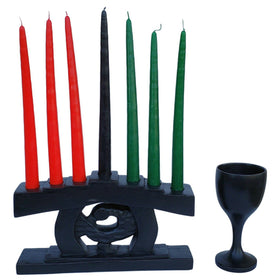
The Kwanzaa candle holder is a vital part of the celebration. It holds seven candles representing the seven principles of Kwanzaa. Knowing its proper name helps deepen appreciation of the tradition.
The candle holder is called a Kinara. This Swahili word means “candle holder.”
The Meaning Of Kinara
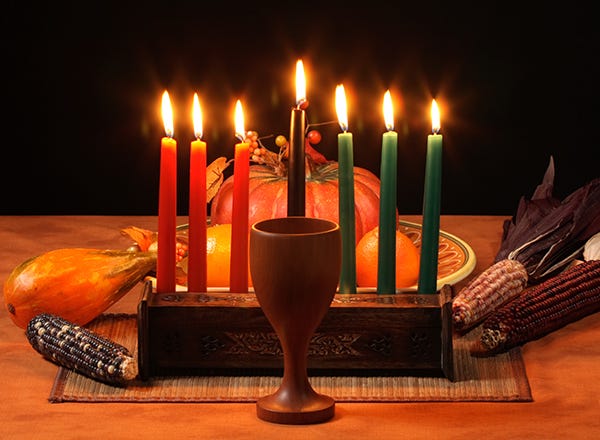
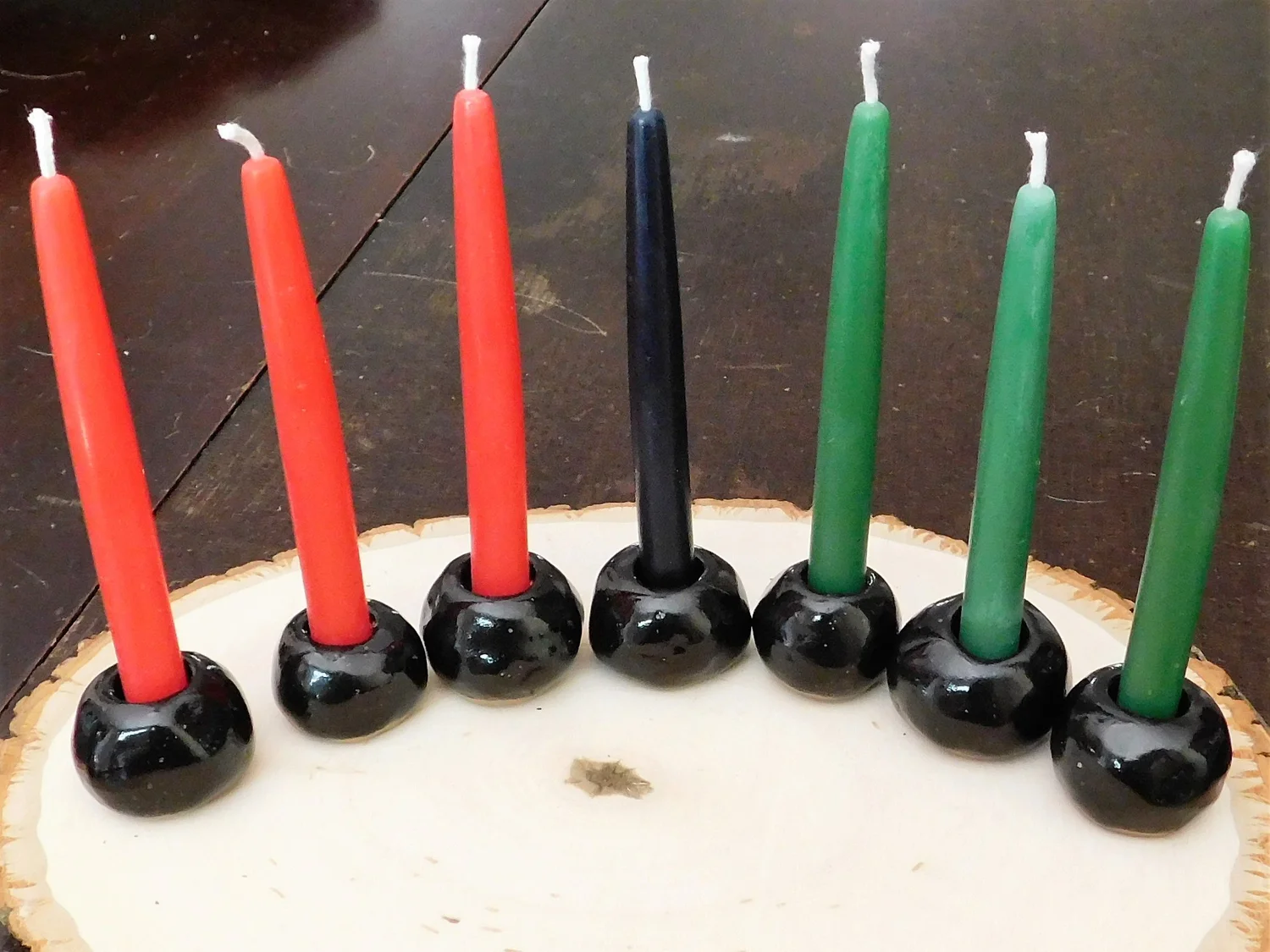
The Kinara holds three red, three green, and one black candle. Each color represents an important symbol in Kwanzaa. Black stands for the people. Red symbolizes struggle. Green represents the future and hope.
Kinara’s Design And Structure
The Kinara usually has seven slots or holes for candles. It can be made from wood or other natural materials. Its simple design focuses attention on the candles and their meaning.
Role Of The Kinara In Kwanzaa
During Kwanzaa, the Kinara is central to ceremonies. Each night, a candle is lit to honor one of the seven principles. This act brings families and communities together.
Credit: medium.com
Kinara’s Role In Kwanzaa
The Kinarais more than just a candle holder in Kwanzaa celebrations; it holds deep symbolic importance. It serves as the centerpiece that brings the seven principles of Kwanzaa to life through the lighting of its candles. Understanding the Kinara’s role helps you connect more meaningfully with the holiday’s spirit and traditions.
The Symbolism Behind The Kinara
The Kinara holds seven candles, each representing one of the Nguzo Saba, or seven principles, of Kwanzaa. These principles guide community values like unity, self-determination, and creativity. The placement and colors of the candles—three red, one black, and three green—also carry special meanings tied to African heritage and the struggle for freedom.
How The Kinara Shapes The Kwanzaa Ceremony
Every evening during Kwanzaa, a candle on the Kinara is lit to honor a specific principle. This act invites reflection and conversation among family and friends. Lighting the Kinara transforms the gathering into a moment of learning and reaffirmation of cultural identity.
Personal Connection: Lighting The Kinara
When I first lit the Kinara in my own home, I realized it wasn’t just a ritual—it was a powerful way to bring everyone together. Each candle sparked stories and aspirations that made the celebration personal and inspiring. How might lighting the Kinara influence your own family’s tradition and conversations?
Design And Structure Of The Kinara
The Kinara, the central candle holder used during Kwanzaa celebrations, is more than just a decorative item. Its design and structure hold deep cultural meaning that connects participants to the holiday’s principles. Understanding the Kinara’s layout helps you appreciate the tradition behind each candle you light.
Number And Color Of Candles
The Kinara holds seven candles in total. There is one black candle placed in the center. On the left side, you’ll find three red candles, and on the right, three green candles.
Each color represents something specific. Black stands for the African people, red symbolizes their struggle, and green represents the future and hope. The candles’ arrangement and colors are intentional, reminding you of the values Kwanzaa honors.
Symbolism Of Candle Placement
The placement of the candles in the Kinara is meaningful. The black candle sits in the center and is lit first. It represents unity and serves as the foundation for the other principles.
Red candles on the left reflect the challenges and sacrifices made. Green candles on the right highlight growth and the promise of tomorrow. Lighting the candles in this order invites reflection on the balance of struggle and hope in your own life.
Lighting The Kinara
The Kinara is the special candle holder used during Kwanzaa, a celebration honoring African heritage and culture. Lighting the Kinara is a central ritual that brings focus and intention to the week-long festivities. Each candle represents a core principle, and the order in which you light them holds deep significance.
Order Of Lighting Candles
The Kinara holds seven candles: one black, three red, and three green. You begin by lighting the black candle in the center, which represents unity. After that, you alternate lighting red and green candles, starting with the red candle to the left of the black candle.
- Light the black candle first (center)
- Light the red candle to the immediate left
- Light the red candle to the far left
- Light the red candle next to the far left
- Light the green candle to the immediate right of the black candle
- Light the green candle next to the far right
- Light the green candle to the far right
This specific order reflects the balance and flow of the principles celebrated during Kwanzaa.
Meaning Behind Each Candle
Each candle symbolizes one of the Nguzo Saba, the seven principles of Kwanzaa. The black candle stands for Umoja (Unity), the foundation of the celebration. The red candles represent struggle, or Kujichagulia (Self-Determination), Ujima (Collective Work and Responsibility), and Ujamaa (Cooperative Economics).
The green candles highlight growth and hope through Nia (Purpose), Kuumba (Creativity), and Imani (Faith). Lighting each candle invites you to reflect on these values and how they apply to your life. Have you thought about which principle resonates most with you this year?
History And Origin Of The Kinara
The Kinara is a special candle holder used during Kwanzaa. It holds seven candles that represent important values. The Kinara’s history connects deeply to African traditions and the African American experience.
The Kinara was created in 1966 by Dr. Maulana Karenga. He designed Kwanzaa to celebrate African heritage and culture. The candle holder reflects the unity and strength of the African community. It symbolizes hope and the light of the ancestors.
The Kinara holds seven candles: one black, three red, and three green. Each color has meaning. Black stands for the people. Red represents struggle. Green means the future and growth. The candle arrangement shows balance and harmony.
Roots In African Culture
The Kinara’s design is inspired by traditional African candle holders. Many African cultures use candles in ceremonies. They light candles to honor ancestors and mark special events. The Kinara keeps this tradition alive in a new way.
Symbolism Behind The Candle Colors
- Black:Represents the African people and unity.
- Red:Stands for the struggles faced by the community.
- Green:Symbolizes hope, growth, and the future.
The Kinara’s Role In Kwanzaa Celebrations
During Kwanzaa, families light one candle each day. This act honors the seven principles of Kwanzaa. The Kinara helps focus on values like unity, self-determination, and creativity. It brings families together in reflection and joy.
Credit: randracres.com
Using The Kinara In Modern Celebrations
The Kinara is the candle holder used during Kwanzaa. It holds seven candles, each symbolizing a principle of the celebration. Using the Kinara in modern Kwanzaa celebrations connects people to African heritage and culture.
Today, many families keep the tradition alive by placing the Kinara at the center of their gatherings. The lighting of the candles remains a powerful ritual. It creates a moment for reflection and unity among family and friends.
Incorporating Traditions
Many families blend old customs with new ways. They use the Kinara as a focal point during storytelling and discussions. This helps teach younger generations about Kwanzaa’s values.
Some also include songs, dances, and meals around the Kinara. The candles are lit in a specific order, each representing a day’s theme. This practice keeps the meaning of Kwanzaa alive and clear.
Creative Kinara Designs
Modern Kinara designs vary widely. Some are made from wood, metal, or ceramic. Artists often add bright colors and patterns inspired by African art.
Families may also create their own Kinara using simple materials. This adds a personal and creative touch to the celebration. Unique designs help make the tradition more engaging and fun.
Frequently Asked Questions
What Is The Kwanzaa Candle Holder Called?
The Kwanzaa candle holder is called a Kinara. It holds seven candles representing the principles of Kwanzaa.
How Many Candles Are On A Kinara?
A Kinara holds seven candles. There are three red, three green, and one black candle.
What Do The Colors Of Kinara Candles Mean?
The black candle represents unity, red symbolizes struggle, and green stands for hope and future.
Where Is The Kinara Placed During Kwanzaa?
The Kinara is placed on a table, often with other Kwanzaa symbols, during the celebration.
Conclusion
The Kwanzaa candle holder is called a kinara. It holds seven candles, each with special meaning. Lighting the kinara is a key part of Kwanzaa. It helps families celebrate unity and culture. Remembering the kinara adds depth to the holiday.
It connects people to tradition and hope. This simple object carries strong messages. Understanding the kinara makes Kwanzaa more meaningful. It brings light and warmth to the celebration.

Home Improvement Expert & Senior Writer at HomeFixio
Reed Atwood is a seasoned home improvement expert with a passion for transforming everyday living spaces into functional and stylish havens. With years of experience in DIY projects, renovations, and home upgrades, Reed brings a wealth of knowledge to HomeFixio. As a senior writer, he provides readers with practical, easy-to-follow guides, expert tips, and innovative solutions for every room in the house. His goal is to empower homeowners to tackle their projects with confidence, ensuring both quality results and a rewarding experience.