When Were Folding Chairs Invented: A Timeless Tale
Imagine hosting a perfect garden party, or attending an outdoor concert, or even setting up a cozy reading nook on your balcony. What do these scenarios have in common?
The humble folding chair. These versatile seats are a staple in our lives, offering convenience and comfort in countless situations. But have you ever paused to wonder when these ingenious chairs were first invented? Delving into the history of folding chairs isn’t just about discovering a date; it’s about uncovering a fascinating journey of human ingenuity and design evolution.
By understanding their origins, you’ll gain a new appreciation for this everyday item that seamlessly blends into your life. So, are you curious to learn more about the history of folding chairs and how they came to be an essential part of our modern world? Keep reading to uncover the surprising story behind their invention.

Credit: en.wikipedia.org
Origins Of Folding Chairs
The history of folding chairs is both fascinating and practical. These chairs have evolved over centuries, serving various purposes. They have been a staple in many cultures for their utility and convenience. Let’s delve into their origins and transformations over time.
Ancient Beginnings
The concept of folding chairs dates back to ancient civilizations. Egyptians used them as symbols of power and prestige. These early chairs were often crafted from wood or metal. They featured intricate designs and were used by high-ranking officials. Archaeological findings reveal folding chairs in ancient tombs. These chairs were not just functional but also ceremonial.
Medieval Transformations
During the medieval era, folding chairs saw significant changes. They became more common across Europe for practical use. The design shifted to accommodate everyday activities. The materials used included wood, iron, and leather. They were popular in churches, courts, and gatherings. Medieval folding chairs were sturdy and portable, reflecting the needs of the time.
Credit: medium.com
Evolution Through The Ages
The folding chair has a rich history. Its journey reflects human innovation. From simple designs to modern marvels, each era brought change. Let’s explore its evolution through the ages.
Renaissance Developments
During the Renaissance, art and design flourished. Craftsmen began experimenting with furniture. Folding chairs became more ornate. They featured intricate carvings. These chairs were symbols of status. Nobility used them during gatherings. Their portability made them popular. They could be carried easily to events.
Industrial Revolution Impact
The Industrial Revolution changed everything. It introduced new materials and techniques. Mass production became possible. Folding chairs became affordable. Metal frames replaced wood. This made chairs lighter. They could be produced in large numbers. Factories churned them out quickly. Design focused on function. Comfort and durability improved.
Modern Innovations
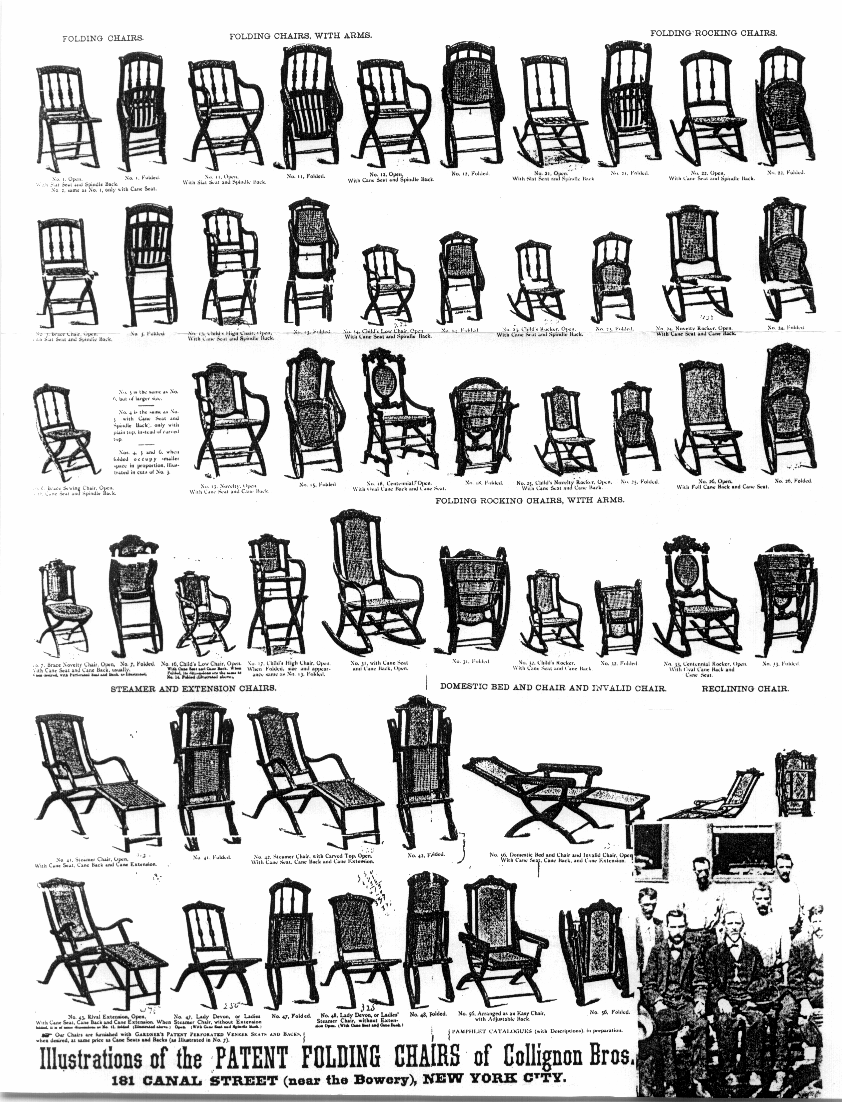
Folding chairs first appeared in the late 1800s, combining convenience with functionality. These chairs offered practical seating solutions for various events and gatherings. Their design has evolved over time, making them a staple in homes and venues worldwide.
Folding chairs have been a staple in homes, offices, and events for decades, known for their convenience and space-saving qualities. But have you ever wondered how these essential items have evolved over the years? In the realm of modern innovations, folding chairs have seen significant transformations, blending practicality with style, and adapting to changing needs and preferences.
20th Century Advancements
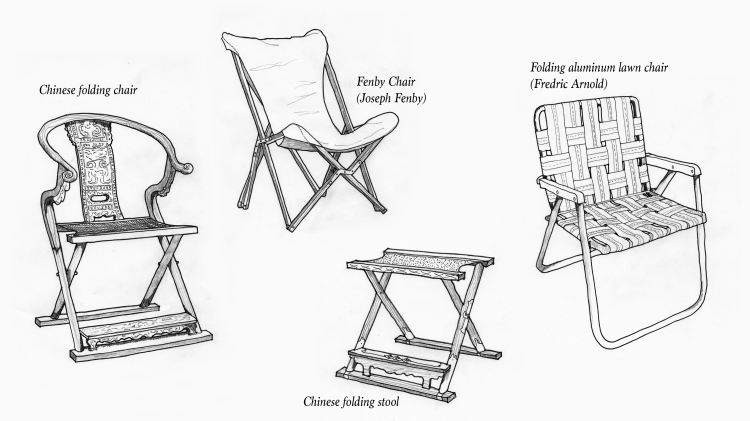
The 20th century was a period of remarkable change for folding chairs. During this time, materials like aluminum and steel became popular, replacing wood as the primary component. This shift not only made chairs lighter but also more durable. Manufacturers began experimenting with new designs. They introduced features like padded seats and backs, offering enhanced comfort for longer use. These innovations made folding chairs suitable for a variety of settings, from family gatherings to professional conferences. Think back to a family reunion or a school event where folding chairs were set up. Remember how easy it was to arrange seating for everyone? That’s the impact of 20th-century advancements, making life simpler and more accommodating.
Contemporary Designs
In recent years, folding chairs have undergone a design revolution. Modern versions boast sleek lines and vibrant colors, aligning with contemporary aesthetics. These chairs are no longer just functional; they are stylish additions to any space. Materials have evolved too. Today’s folding chairs often feature eco-friendly options like recycled plastics and sustainable metals. This shift reflects a growing awareness of environmental impact and a commitment to sustainable living. Consider the last time you attended a chic outdoor event or a trendy café.
Did you notice how the folding chairs complemented the ambiance, adding a touch of sophistication? This is the essence of contemporary designs—melding fashion with function. As you think about the evolution of folding chairs, ask yourself: how do these changes influence your choices for events or home décor? Would you prefer a classic design or a modern twist? These questions open up exciting possibilities for incorporating folding chairs into your life. Ultimately, the journey of folding chairs from practical necessity to stylish staple showcases human ingenuity and adaptability. Whether you’re planning a large gathering or looking for compact solutions at home, folding chairs remain a versatile and indispensable choice.
Credit: blossomfurnishings.com
Cultural Significance
Folding chairs are more than just practical furniture. They hold a significant place in various cultures. Their design allows for easy storage and transport. This makes them a common choice for gatherings. From ancient times to modern days, folding chairs have played a role in social events.
Their presence in ceremonies, religious practices, and public meetings highlights their importance. Folding chairs offer a unique blend of utility and tradition. This makes them a staple in many cultures worldwide.
Symbolism In History
Throughout history, folding chairs have symbolized status and authority. In ancient Egypt, only high-ranking officials used folding chairs. These chairs were often adorned with gold and ivory. They signified power and respect. In medieval Europe, folding chairs were associated with royalty. Kings and nobles used them during travel and hunts. This tradition carried on, showing the chair’s link to prestige.
Such symbolism highlights how folding chairs are more than mere objects. They have been part of significant historical moments. Their design and usage reflect societal values across time.
Folding Chairs In Popular Culture
Folding chairs have found their way into popular culture. In movies, they often appear in scenes of outdoor events. Their presence at concerts and sports games is common. This shows their role in entertainment and leisure.
Folding chairs are featured in art and photography. Artists use them to convey simplicity and function. Their design represents versatility and adaptability. Their presence in various media underscores their cultural significance.
These chairs serve as a symbol of communal gatherings. They are part of everyday life, bridging past traditions with modern practices. Folding chairs continue to be a popular choice for gatherings, celebrations, and more.
Global Influence
Folding chairs have subtly woven themselves into the fabric of global culture, proving that simplicity can have a widespread impact. Their ability to collapse into a compact form has made them a staple in homes, events, and gatherings worldwide. Have you ever considered how this humble piece of furniture connects us across continents?
Folding Chairs Around The World
From bustling cities to tranquil villages, folding chairs have found their place. In Japan, these chairs often grace small apartments, providing a practical seating solution without consuming space. In Italy, they are part of alfresco dining setups, allowing for easy movement and flexibility.
In the United States, folding chairs are synonymous with backyard barbecues and community hall meetings. Meanwhile, in India, you’ll spot them at weddings, where they transform venues into welcoming spaces. This global reach speaks to their adaptability and universal appeal.
Cross-cultural Variations
Folding chairs may share a basic design, but cultural influences have left their mark. Scandinavian designs emphasize minimalist aesthetics, often using lightweight materials like aluminum. In contrast, African variations might feature vibrant colors and patterns, reflecting the rich artistic heritage.
Have you ever noticed the difference in craftsmanship? In China, bamboo folding chairs showcase traditional weaving techniques, blending functionality with artistry. This diversity in design and material highlights how folding chairs mirror cultural values and creativity.
How do these variations affect your choice? When selecting folding chairs, consider how their cultural influences might suit your space or event. Their global journey provides a tapestry of options, each with its own story and flair.
Sustainability And Future Trends
Folding chairs, known for their convenience, were invented in the late 19th century. Their compact design marked a significant shift in furniture trends, promoting easy storage and mobility. Today, folding chairs continue to evolve, aligning with sustainable practices and future trends in eco-friendly materials and innovative designs.
Folding chairs have been a staple in many households and events for decades, but as we move towards a more sustainable future, their design and materials are evolving. The focus on sustainability and future trends is not just about using less plastic or recycling. It’s about rethinking the entire lifecycle of a chair, from production to disposal. As the demand for eco-friendly products grows, folding chairs are at the forefront of this transition. Have you ever wondered how the chairs you sit on impact the planet?
Eco-friendly Materials
Today’s manufacturers are increasingly using eco-friendly materials to make folding chairs. Bamboo, a rapidly renewable resource, is becoming a popular choice due to its strength and durability. Recycled metals and plastics are also being used, reducing the need for new raw materials and lowering carbon footprints. Some companies are experimenting with biodegradable plastics, which break down naturally over time. Imagine a chair that doesn’t leave a permanent mark on the environment after it’s disposed of. Wouldn’t that be a step forward for sustainability?
Innovative Designs For Tomorrow
Designers are not just focused on materials; they’re also reimagining how folding chairs function. Compact, lightweight designs make transportation easier and more energy-efficient. Chairs that fold flatter can save space during shipping, reducing the carbon emissions associated with transport.
Some brands are even introducing modular designs, allowing users to customize their chairs. This means longer-lasting products as parts can be replaced rather than discarding the entire chair. Have you ever thought about how such flexibility could change the way we buy and use furniture? As you consider your next folding chair purchase, think about how these innovations might impact your decision. What role do you want to play in the future of sustainable living?
Frequently Asked Questions
When Were Folding Chairs First Invented?
Folding chairs date back to ancient Egypt around 2000 BC. They were primarily used by high-ranking officials. These chairs were made from wood and often featured intricate designs. Over time, folding chairs evolved, becoming more accessible and widely used for various occasions.
Who Invented The Modern Folding Chair?
The modern folding chair was invented by John Cram in 1855. He was an American inventor who aimed to create a practical seating solution. His design focused on portability and convenience, which became popular for events and gatherings. Since then, folding chairs have undergone various improvements.
What Materials Are Used In Folding Chairs?
Folding chairs are commonly made from metal, plastic, or wood. Metal chairs, often using steel or aluminum, provide durability and strength. Plastic chairs are lightweight and weather-resistant, making them ideal for outdoor use. Wooden folding chairs offer a classic aesthetic, often used for special events.
How Did Folding Chairs Become Popular?
Folding chairs gained popularity due to their convenience and portability. They became essential for events, gatherings, and outdoor activities. Their ability to save space and provide temporary seating made them a versatile choice. Today, they are widely used in homes, offices, and public spaces.
Conclusion
Folding chairs have a rich history. They emerged from necessity and innovation. These chairs have evolved over time. From simple designs to stylish options. They offer convenience and versatility. Perfect for events and everyday use. Folding chairs save space and are easy to transport.
They reflect human creativity. Their invention changed seating solutions. They remain a popular choice worldwide. Next time you sit on one, think of its journey. From ancient times to modern days. Folding chairs are more than just seats. They are a testament to practical design.

Home Interior Design & Renovation Expert at HomeFixio
Sierra Wellington is a skilled home interior designer with extensive experience in plumbing, fittings, and home renovations. Having worked on numerous residential projects, Sierra specializes in creating functional and aesthetically pleasing spaces. With a keen eye for design and a deep understanding of the technical aspects of home improvement, he provides expert advice on everything from layout planning to fixture installations. As a writer for HomeFixio, Sierra shares his practical insights and creative solutions, helping homeowners elevate their spaces with precision and style.