
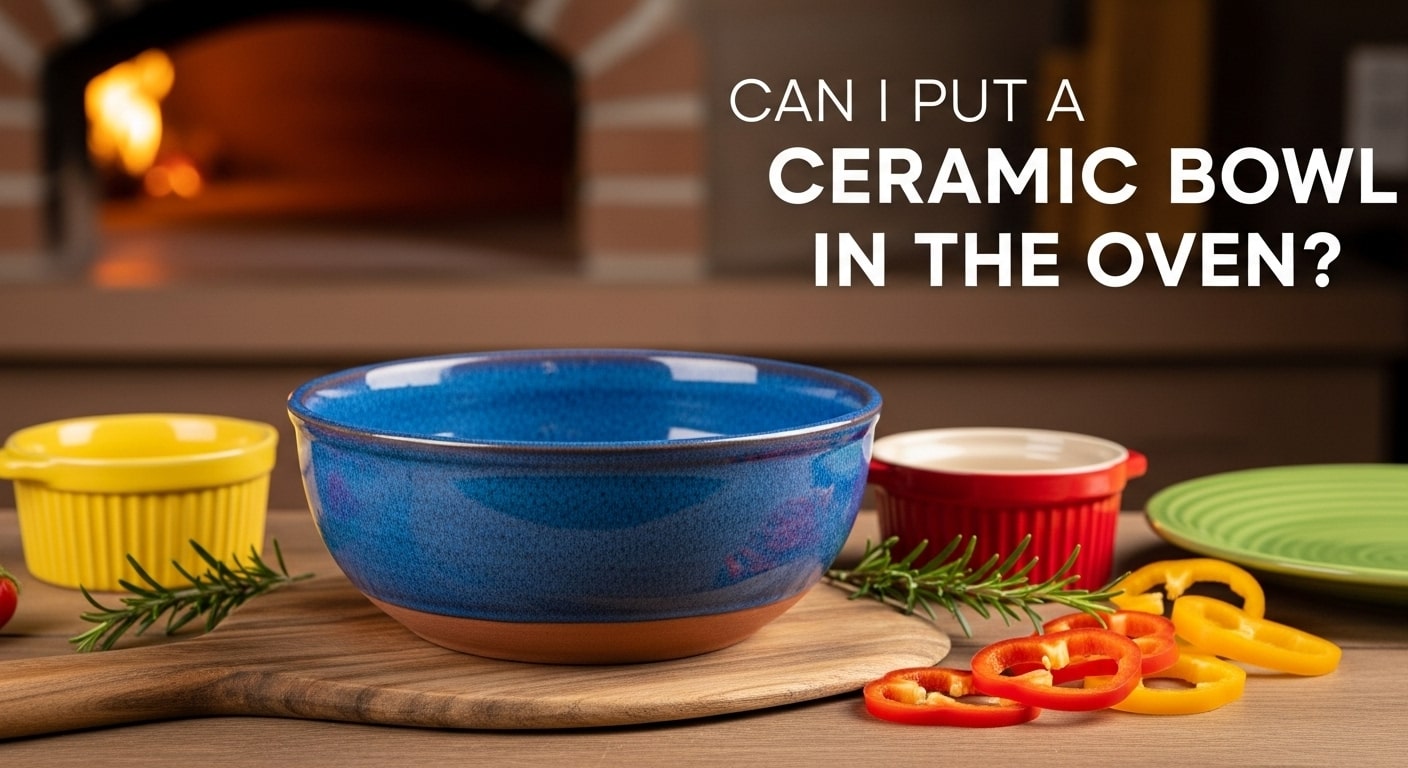
Can I Put a Ceramic Bowl in the Oven: Safe Cooking Tips Revealed
Have you ever wondered if your favorite ceramic bowl can go straight from the kitchen counter into the oven? You might be hesitant to heat it up, worried it could crack or shatter.
But what if you could use that beautiful bowl not just for serving but also for baking? Knowing the answer can save you time, prevent accidents, and help you make the most of your kitchen tools. Keep reading, and you’ll discover exactly when and how to safely put a ceramic bowl in the oven.
Ceramic Bowl Basics
Understanding ceramic bowls starts with knowing what they really are and how they’re made. Before you toss that ceramic bowl into the oven, it’s smart to recognize the differences between types and how manufacturing impacts their heat resistance. This knowledge helps you avoid cracked dishes and ruined meals.
Types Of Ceramic Bowls
Ceramic bowls come in various forms, each with unique properties:
- Earthenware:These are porous and fired at lower temperatures, making them more prone to cracking under heat.
- Stoneware:Fired at higher temperatures, stoneware is denser and better suited for oven use.
- Porcelain:Known for its smooth texture and strength, porcelain can usually handle oven heat well, but always check manufacturer guidelines.
Knowing which type you have is crucial because not all ceramics handle oven heat the same way. Have you ever experienced a bowl cracking mid-cook? It might be because it wasn’t designed for oven use.
Manufacturing Process
The way a ceramic bowl is made greatly affects its oven safety. Bowls fired at high temperatures (over 1200°C) become vitrified, meaning they absorb less water and withstand heat better.
Glazing also plays a role. A properly applied glaze seals the bowl and reduces the risk of moisture absorption, which can cause thermal shock when heated.
Think about the last time you grabbed a ceramic bowl from the cupboard—did it have a label or stamp indicating it’s oven-safe? If not, you might be risking damage by guessing.
Oven Compatibility
Oven compatibility is a key factor when deciding to use a ceramic bowl in the oven. Not all ceramics can handle high heat safely. Understanding the material’s properties and labels helps prevent damage and accidents.
Heat Resistance Of Ceramics
Ceramics vary in their ability to withstand heat. Some types can handle oven temperatures up to 500°F (260°C). Others may crack or break under heat stress. The firing process and glaze type affect heat resistance. Stoneware and porcelain ceramics usually tolerate oven heat well. Low-fired ceramics or decorative bowls often are not heat-resistant. Rapid temperature changes can cause thermal shock, leading to cracks. Always allow ceramics to warm gradually in the oven.
Identifying Oven-safe Labels
Check the bottom or packaging of your ceramic bowl for oven-safe symbols. Labels might include terms like “oven-safe,” “heatproof,” or maximum temperature limits. Some bowls show a small oven icon. Absence of these labels means the bowl may not be safe for oven use. Manufacturer instructions often provide the safest guidance. If unsure, avoid using the bowl in the oven. Using unmarked ceramics risks damage and safety hazards.
Safety Precautions
Using a ceramic bowl in the oven requires careful attention to safety. Ceramic materials can be sensitive to sudden temperature changes and rough handling. Following safety precautions helps prevent damage and injury. It also extends the life of your ceramic cookware. Understanding the right steps can make oven use safe and worry-free.
Avoiding Thermal Shock
Thermal shock happens when a ceramic bowl changes temperature too quickly. This can cause cracks or breaks. Avoid placing a cold ceramic bowl directly into a hot oven. Let the bowl come to room temperature first. Also, avoid putting a hot ceramic bowl on a cold surface. Use a trivet or heat-resistant mat instead.
- Do not pour cold liquids into a hot ceramic bowl.
- Preheat the oven before placing the bowl inside.
- Gradually increase the oven temperature if needed.
Proper Handling Techniques
Handle ceramic bowls with care to avoid accidents. Use oven mitts or thick towels to protect your hands. Lift the bowl firmly but gently. Avoid sudden movements or dropping the bowl. Place the bowl securely on the oven rack to prevent tipping. Do not stack heavy items on top of ceramic bowls while baking.
- Check the bowl for cracks before use.
- Use only ceramic bowls labeled oven-safe.
- Clean the bowl thoroughly before and after use.
Credit: www.surlatable.com
Cooking Tips
Cooking with ceramic bowls in the oven can be simple and effective. Understanding the right tips helps avoid cracks and uneven cooking. Proper handling extends the life of your ceramic cookware. Follow these key tips to get the best results every time you cook.
Preheating Considerations
Do not put a cold ceramic bowl directly into a hot oven. Sudden temperature changes can cause the bowl to crack. Let the oven preheat fully before placing your ceramic bowl inside. Place the bowl on the middle rack for even heat distribution. Avoid placing ceramic bowls on the bottom of the oven to prevent overheating.
Using Ceramic For Different Recipes
Ceramic bowls work well for baking casseroles, lasagnas, and desserts. They retain heat evenly, which helps cook food through without burning. Use ceramic for slow cooking recipes to keep food moist. Avoid recipes that need very high heat, as it may damage the ceramic. Always check if your ceramic bowl is labeled oven-safe before use.
Maintenance And Care
Proper maintenance and care extend the life of ceramic bowls. It keeps them safe for oven use and daily meals. Simple habits protect your investment and maintain beauty.
Regular cleaning removes food residue and prevents stains. Gentle handling avoids damage like cracks and chips. Follow these tips to keep ceramic bowls in top shape.
Cleaning Ceramic Bowls
Use warm water and mild dish soap for cleaning. Avoid harsh chemicals or abrasive scrubbers that can scratch surfaces. Soft sponges or cloths work best to preserve glaze.
For stuck-on food, soak the bowl in soapy water briefly. Avoid sudden temperature changes during washing to prevent cracking. Dry the bowl thoroughly with a soft towel to avoid water spots.
Preventing Cracks And Chips
Handle ceramic bowls gently to avoid dropping or banging them. Use oven mitts when moving hot bowls to prevent accidents. Never place a cold bowl directly into a hot oven or vice versa.
Place bowls on a baking sheet before putting them in the oven for even heat. Avoid stacking heavy items on ceramic bowls to prevent pressure cracks. Inspect bowls regularly and stop using if cracks appear to avoid hazards.
Credit: www.surlatable.com
Alternatives To Ceramic
If you’re unsure about putting a ceramic bowl in the oven, exploring alternatives can save you time and avoid potential messes. Different materials handle heat differently, so picking the right one is key to cooking success.
Choosing the right cookware can also affect the taste and texture of your food. Have you ever noticed how some dishes cook unevenly in certain bowls? The material plays a big role in that.
Glass And Metal Options
Glass bowls, especially those made from tempered or borosilicate glass, are popular oven-safe alternatives. They heat evenly and let you watch your food as it cooks, which is a big plus when you want to monitor progress without opening the oven door.
Metal bowls, like stainless steel or aluminum, are another option. They heat up quickly and are very durable, but they don’t let you see inside. Plus, metal can sometimes cause food to stick if you’re not careful.
Pros And Cons Of Each Material
| Material | Pros | Cons |
|---|---|---|
| Glass |
|
|
| Metal |
|
|
Have you tried switching from ceramic to glass or metal for your oven dishes? You might find your cooking experience becomes more predictable and even enjoyable. What’s your favorite material for baking and why?

Credit: www.facebook.com
Frequently Asked Questions
Can Ceramic Bowls Go In The Oven Safely?
Yes, many ceramic bowls are oven-safe. Always check the manufacturer’s label before use. Oven-safe ceramics withstand high heat without cracking or breaking.
How To Know If A Ceramic Bowl Is Oven-safe?
Look for labels like “oven-safe” or temperature limits on the bowl. If unsure, avoid using it in the oven to prevent damage.
What Temperature Can Ceramic Bowls Withstand In Ovens?
Most oven-safe ceramic bowls handle up to 450°F (232°C). Avoid sudden temperature changes to prevent thermal shock and cracking.
Can Thermal Shock Damage Ceramic Bowls In The Oven?
Yes, sudden temperature changes can cause ceramic bowls to crack. Always preheat the oven and avoid placing cold bowls directly into hot ovens.
Conclusion
Ceramic bowls can go in the oven if they are oven-safe. Check the label or maker’s instructions first. Not all ceramic bowls handle heat well. Using the wrong bowl may cause cracks or breaks. Always avoid sudden temperature changes to keep your bowl safe.
Oven-safe ceramics are great for baking and serving. Handle with care and enjoy your cooking. Simple steps keep your ceramic bowl ready for many uses.

Home Improvement Expert & Senior Writer at HomeFixio
Reed Atwood is a seasoned home improvement expert with a passion for transforming everyday living spaces into functional and stylish havens. With years of experience in DIY projects, renovations, and home upgrades, Reed brings a wealth of knowledge to HomeFixio. As a senior writer, he provides readers with practical, easy-to-follow guides, expert tips, and innovative solutions for every room in the house. His goal is to empower homeowners to tackle their projects with confidence, ensuring both quality results and a rewarding experience.


