
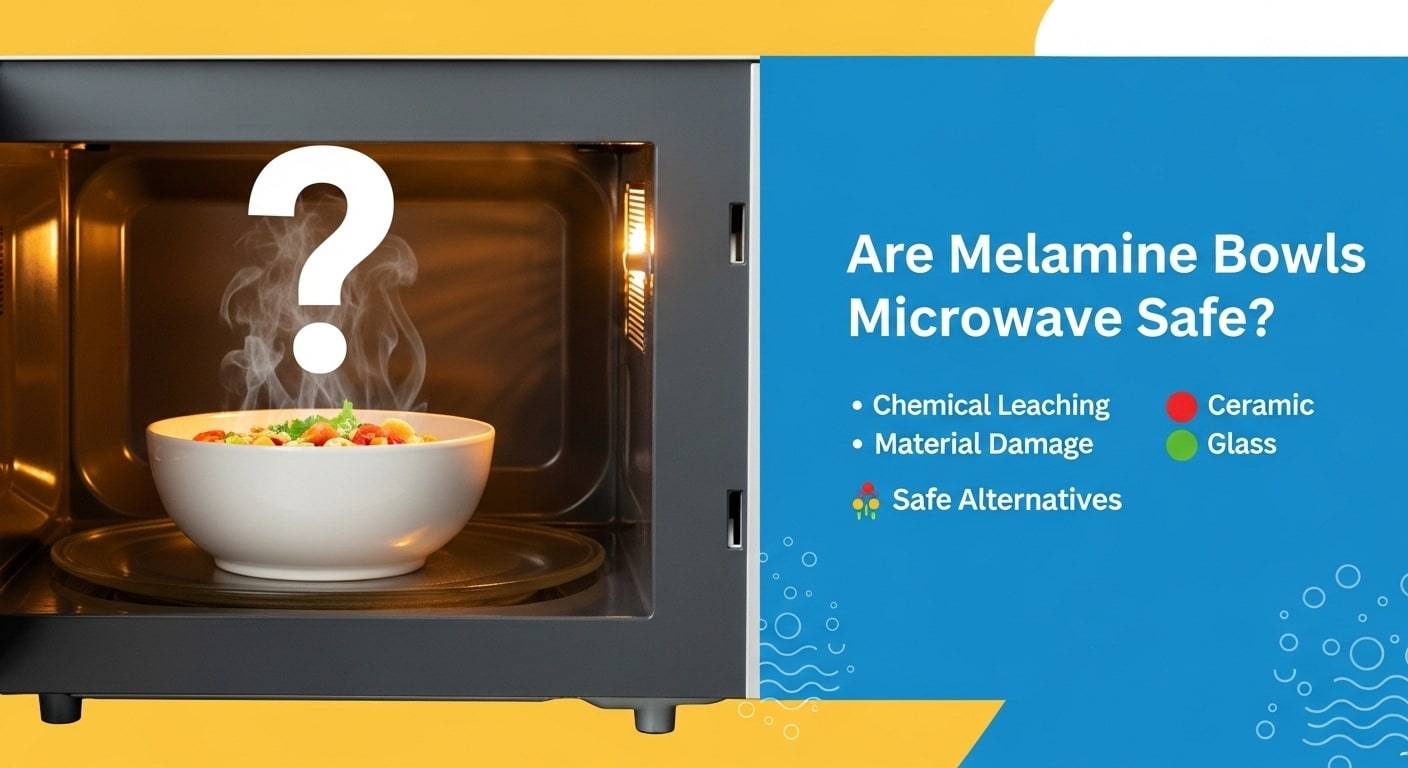
Are Melamine Bowls Microwave Safe: Safety Facts Revealed
Are you wondering if your melamine bowls can safely go into the microwave? You’re not alone.
Many people love melamine for its bright colors and durability but worry about whether it’s safe to heat food in it. Using the wrong bowls in the microwave can damage your dishes or even harm your health. You’ll discover the truth about melamine bowls and microwave safety.
By the end, you’ll know exactly how to protect your kitchenware and keep your meals safe and tasty. Keep reading—you won’t want to miss these important tips!
Melamine Bowls: Composition And Characteristics
Understanding what melamine bowls are made of helps you decide if they belong in your microwave. These bowls are popular for their durability and bright designs, but their composition affects how safe they are with heat.
What Is Melamine Made Of?
Melamine bowls are created from a combination of melamine resin and formaldehyde. This hard plastic-like material is molded under heat and pressure to form strong, lightweight dishware. Because of this process, melamine bowls are resistant to breaking and chipping.
Durability And Heat Resistance
Melamine bowls handle everyday use well—they don’t crack or shatter easily. However, their heat resistance has limits. Excessive heat, like that from microwaves, can cause melamine to warp or release harmful chemicals.
Appearance And Texture
The smooth surface of melamine bowls makes them easy to clean. They often come in vibrant colors and patterns that don’t fade quickly. But, you might notice a slight plastic smell when they get too hot, which is a sign to avoid further heating.
Why Composition Matters For Microwave Use
Knowing melamine’s chemical makeup helps you understand why microwaving can be risky. Unlike ceramic or glass, melamine isn’t designed to withstand the rapid heat changes in a microwave. This could affect your food’s safety and the bowl’s longevity.

Credit: www.walmart.com
Microwave Use: Risks And Concerns
Microwaving melamine bowls raises several important safety concerns you should consider before heating your food. These risks mainly stem from melamine’s chemical composition and how it reacts under high heat. Understanding these concerns can help you decide whether using melamine bowls in the microwave is a safe choice for your kitchen.
Potential Chemical Leaching
Melamine is a type of plastic made from melamine resin. When heated, especially above certain temperatures, it can release small amounts of harmful chemicals into your food. This leaching is more likely if the bowl has cracks or scratches, which you might not notice at first glance.
Have you ever warmed food in a plastic container only to find an odd taste? That could be a sign of chemical leaching. This risk is why many manufacturers advise against microwaving melamine bowls.
Heat Resistance Limits
Melamine bowls are durable but not designed for extreme heat. Most melamine products can tolerate temperatures up to about 160°F (70°C). Microwaves often exceed this, especially when heating liquids or dense foods, which may cause the bowl to warp or break down.
If you’ve felt your melamine bowl become unusually hot during microwaving, that’s a red flag. It means the bowl is absorbing heat and might be releasing unsafe substances or even melting.
Fire Hazard And Damage
Using melamine in a microwave can sometimes cause sparks or fire if the bowl contains metallic paint or decorations. Even without metals, overheating melamine can damage your microwave or create a fire risk. This danger is rarely talked about but is very real.
Have you checked if your melamine bowl has any metallic trim? If yes, avoid microwaving it altogether to protect your home and appliance.
Impact On Food Quality
Heating melamine in the microwave can affect the taste and smell of your food. Some users report a plastic-like odor or taste after microwaving food in melamine bowls. This not only spoils your meal but could indicate chemical contamination.
Would you want your meal to taste like the container it’s heated in? Probably not. This issue alone might make you reconsider using melamine bowls in your microwave.
Potential Health Impacts Of Melamine
Understanding the potential health impacts of melamine is essential, especially if you use melamine bowls regularly. Melamine is a type of plastic often praised for its durability and bright colors. However, there are concerns about how it behaves under heat, particularly in microwaves.
When melamine is heated, especially beyond recommended temperatures, it can release harmful chemicals. These substances might pose risks to your health if ingested over time. Knowing these risks helps you make safer choices in your kitchen.
How Melamine Reacts To Heat
Melamine is not designed to withstand the intense heat of microwaves. When microwaved, the material can start to break down and release melamine resin. This breakdown can contaminate your food with tiny amounts of chemicals that might be harmful.
Have you ever noticed a strange smell or discoloration after microwaving food in a melamine bowl? These signs could indicate chemical release. Avoid using melamine in the microwave to prevent this risk.
Health Risks Linked To Melamine Exposure
Melamine exposure has been linked to kidney damage in extreme cases, especially with high levels of ingestion. While occasional exposure might not cause immediate harm, repeated intake could build up risks over time.
Children and pregnant women should be particularly cautious. Their bodies are more sensitive to chemical contaminants, so avoiding melamine in heated food containers is wise.
Safer Alternatives For Microwaving
If you want to heat food safely, consider using glass, ceramic, or microwave-safe plastics. These materials are tested and approved for microwave use and won’t release harmful chemicals.
- Use glass bowls with lids to retain moisture.
- Choose ceramic dishes marked as microwave-safe.
- Avoid plastics unless clearly labeled microwave-safe.
Have you switched your microwave containers after learning about these risks? Your health can benefit from simple choices like these.
Credit: www.kimecopak.ca
Safe Alternatives For Microwave Use
If you’re wondering about safe alternatives for microwaving your food, it’s important to choose containers that won’t release harmful chemicals or get damaged. While melamine bowls are popular for their durability and style, they often don’t hold up well in the microwave. Finding microwave-safe options ensures your meals heat evenly and stay safe to eat.
Microwave-safe Glass Bowls
Glass bowls are a reliable choice for microwaving. They don’t absorb odors or stains and won’t leach chemicals into your food. Plus, they heat evenly, reducing the risk of hot spots that can burn your food or your fingers.
Next time you microwave leftovers, try using a sturdy glass bowl. You might notice your food heats more consistently, and cleanup is usually easier too.
Ceramic Bowls With Microwave-safe Labels
Ceramic bowls often look beautiful on the table and can go straight into the microwave if labeled microwave-safe. These bowls typically handle high heat without cracking or releasing toxins.
Check the bottom of the bowl for a microwave-safe symbol before use. Using the right ceramic can save you from a messy or hazardous microwave experience.
Silicone Containers Designed For Microwaving
Silicone containers are flexible and heat-resistant, making them a great option for reheating meals. They don’t stain or retain smells, and many are dishwasher safe as well. If you’ve never used silicone containers, you might find they make reheating and storage simpler.
What To Avoid When Choosing Microwave Containers
- Stay away from plastic containers not labeled microwave-safe—they can melt or release harmful chemicals.
- Avoid metal bowls and dishes; metal can spark and damage your microwave.
- Be cautious with decorated ceramics or glassware that may have metallic paint.
Have you ever experienced melting plastic or uneven heating in the microwave? Choosing the right container can prevent those frustrating moments.
Proper Care And Maintenance Of Melamine Bowls
Proper care and maintenance help melamine bowls last longer. These bowls resist breaks and stains but need gentle handling. Cleaning and storing them right keeps their color and shape intact.
Follow simple steps to protect your melamine bowls. Avoid harsh actions that cause cracks or fading. Care tips also ensure safety if you use them near heat.
Cleaning Melamine Bowls Safely
- Wash with warm, soapy water after each use.
- Use a soft sponge to prevent scratches.
- Avoid abrasive cleaners or steel wool pads.
- Rinse thoroughly to remove soap residue.
- Dry with a soft cloth to avoid water spots.
Storing Melamine Bowls Correctly
- Stack bowls carefully to avoid chipping edges.
- Place a cloth or paper towel between stacked bowls.
- Store in a cool, dry place away from sunlight.
- Keep away from heat sources like ovens or stoves.
Avoiding Heat Damage
- Do not use melamine bowls in microwave ovens.
- Keep bowls away from direct heat or open flames.
- Do not put hot food directly into cold bowls.
- Let hot food cool slightly before serving in melamine bowls.

Credit: heavenofhomes.com
Frequently Asked Questions
Are Melamine Bowls Safe To Use In Microwaves?
Melamine bowls are generally not microwave safe. Heating can cause melamine to release harmful chemicals. Use microwave-safe containers to avoid health risks.
What Happens If You Microwave Melamine Bowls?
Microwaving melamine bowls may cause warping, cracking, or chemical leaching. Avoid microwaving to maintain bowl integrity and food safety.
Can Melamine Bowls Withstand High Microwave Temperatures?
Melamine bowls cannot withstand high microwave heat. They may degrade or release toxins. Always check product labels for microwave safety.
How To Identify Microwave-safe Melamine Bowls?
Look for microwave-safe labels or symbols on the bowl. If no label exists, avoid microwaving to ensure safety and prevent damage.
Conclusion
Melamine bowls are not safe for microwave use. Heat can cause them to warp or release harmful chemicals. Always check the label before heating food. Use microwave-safe containers for your safety. This simple step protects your health and your kitchenware.
Choose wisely to avoid risks. Stay safe and enjoy your meals without worry.

Home Improvement Expert & Senior Writer at HomeFixio
Reed Atwood is a seasoned home improvement expert with a passion for transforming everyday living spaces into functional and stylish havens. With years of experience in DIY projects, renovations, and home upgrades, Reed brings a wealth of knowledge to HomeFixio. As a senior writer, he provides readers with practical, easy-to-follow guides, expert tips, and innovative solutions for every room in the house. His goal is to empower homeowners to tackle their projects with confidence, ensuring both quality results and a rewarding experience.


