

Are Porcelain Bowls Oven Safe: Expert Tips for Safe Cooking
Are you wondering if your beautiful porcelain bowls can go straight from the kitchen counter into the oven? It’s a common question that many home cooks face.
You want to save time, avoid extra dishes, and keep your food looking great. But is it safe to heat porcelain bowls in the oven without cracking or damaging them? You’ll discover the truth about porcelain bowls and oven use.
By the end, you’ll know exactly how to handle your bowls to keep them safe and your meals perfect every time. Keep reading—you won’t want to miss these essential tips!
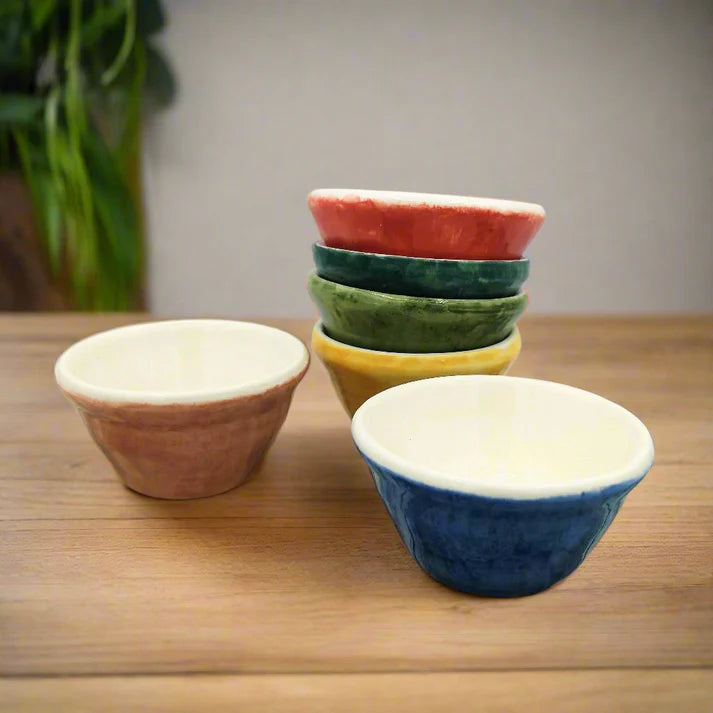
Credit: ceramicaanarafael.com
Porcelain Bowl Basics
Porcelain bowls are popular in kitchens worldwide. They offer a blend of beauty and function. Understanding their basics helps you use them safely. This section explores what makes porcelain bowls special. It also covers how they are commonly used in cooking.
Material Characteristics
Porcelain is a type of ceramic made from fine clay. It is fired at very high temperatures. This process makes porcelain dense and strong. The surface is smooth and often shiny. Porcelain bowls are non-porous, so they resist stains and odors. They handle heat well but can crack if shocked suddenly. Their elegant look suits both casual and formal meals.
Common Uses In Cooking
Porcelain bowls serve many kitchen roles. They are great for mixing ingredients safely. Their heat resistance allows use in microwaves and some ovens. Many use them for serving hot soups and stews. They also work well for baking small dishes. Porcelain bowls keep food warm longer than plastic or metal. Their beauty makes meals feel special.

Credit: www.amazon.com
Oven Safety Factors
Oven safety is key when using porcelain bowls. Not all porcelain is made for high heat. Knowing the limits helps prevent cracks and damage. Careful handling keeps your bowls safe and lasting longer.
Temperature Limits
Porcelain bowls have a heat tolerance limit. Most oven-safe porcelain can handle up to 450°F (232°C). Going beyond this can cause the bowl to crack or break. Always check the manufacturer’s instructions. Some porcelain is not designed for oven use at all.
Low-quality porcelain or decorative bowls usually have lower heat resistance. Use bowls labeled as “oven-safe” to avoid accidents. Gradual heating is better than sudden high heat.
Impact Of Sudden Temperature Changes
Sudden changes in temperature can harm porcelain bowls. Taking a cold bowl straight into a hot oven risks cracking. The rapid expansion and contraction cause stress on the material.
To protect your bowl, warm it slowly or let it reach room temperature first. Avoid placing hot porcelain on cold surfaces too. Sudden cooling can also cause damage.
Handling temperature changes with care improves the lifespan of your porcelain bowls.
Identifying Oven-safe Porcelain
Identifying whether your porcelain bowl can safely go into the oven is crucial to avoid damage and accidents. Not all porcelain is created equal, and some designs can handle high heat while others cannot. Understanding how to spot oven-safe porcelain will save your favorite dishes and keep your cooking smooth.
Manufacturer Guidelines
The quickest way to know if your porcelain bowl is oven-safe is by checking the manufacturer’s instructions. Look for labels or stamps on the bottom of the bowl or the packaging that clearly state “oven-safe” or include temperature limits.
If you can’t find any markings, visit the manufacturer’s website or contact customer support for details. Some brands provide detailed care guides that specify whether their porcelain can handle oven temperatures and up to what degree.
Ignoring these guidelines can lead to cracks or shattering, so always trust the source before assuming your bowl is oven-safe.
Signs Of Oven-safe Design
Oven-safe porcelain usually has certain characteristics that set it apart from decorative or delicate varieties. These bowls tend to be thicker and heavier, designed to withstand thermal stress without breaking.
Another sign is the glaze finish. Oven-safe porcelain often has a smooth, uniform glaze that resists crazing (tiny cracks in the surface) caused by heat changes.
If your bowl feels lightweight or has intricate painted designs that might not be heat-resistant, it’s safer to avoid using it in the oven. Have you ever seen a porcelain dish change color or crack after baking? That’s a clear warning sign that it wasn’t made for oven use.

Credit: www.amazon.com
Tips For Safe Oven Cooking
Cooking with porcelain bowls in the oven requires care to keep your dishes safe and intact. Following some simple tips helps avoid cracks and damage. These tips improve your cooking experience and protect your cookware.
Preheating Considerations
Always preheat the oven before placing the porcelain bowl inside. Do not put the bowl in a cold oven and then turn on the heat. Sudden temperature changes stress the porcelain and cause cracks.
Set the oven to the desired temperature first. Wait until it reaches the correct heat. Then place the bowl on the middle rack for even cooking. This method helps porcelain warm gradually and safely.
Avoiding Thermal Shock
Thermal shock happens when porcelain faces quick changes in temperature. Avoid moving the bowl directly from the freezer or fridge into the hot oven. Let it come to room temperature first.
Do not pour cold liquids into a hot porcelain bowl. This sudden change can cause cracks or breakage. Use oven mitts to handle hot bowls and place them on heat-safe surfaces to cool down slowly.
Common Mistakes To Avoid
Using porcelain bowls in the oven can be convenient, but many people make mistakes that damage their dishes or even cause accidents. Avoiding these common errors can save your favorite bowls and keep your kitchen safe.
Ignoring Manufacturer Instructions
Every porcelain bowl is different. Some can handle high oven temperatures, while others can crack or shatter easily.
Have you ever assumed your bowl is oven-safe because it looks sturdy? That’s risky. Always check the manufacturer’s label or packaging.
Ignoring these instructions is like driving without a speed limit sign—you might get away with it once, but the risk is high. If the label says “not oven-safe,” don’t test it. You could end up with broken dishes and a mess to clean.
Using Damaged Bowls
Even if your porcelain bowl is oven-safe, using it with chips or cracks is dangerous. Heat can worsen these flaws, causing the bowl to break unexpectedly.
I once used a slightly chipped bowl in the oven and it cracked mid-cook, ruining my meal and creating a hazard.
Before placing any porcelain bowl in the oven, inspect it carefully. Look for hairline cracks, chips, or any imperfections. If you find any, choose a different dish to avoid accidents.
Alternative Safe Cooking Options
Not all porcelain bowls can handle the heat of an oven, so it’s smart to have other cooking options ready. Choosing the right cookware can save your dishes and your kitchen from unwanted accidents. Let’s look at some alternatives that keep your meals safe and tasty.
Using Oven-safe Cookware
Oven-safe cookware is designed to withstand high temperatures without cracking or releasing harmful substances. Materials like cast iron, stainless steel, and certain ceramics are great choices for baking or roasting.
Look for labels that clearly state “oven-safe” and check the maximum temperature limit. You might have a favorite baking dish or pan that’s perfect for casseroles, roasting vegetables, or even baking bread.
Have you noticed how your trusty cast iron skillet can go from stovetop to oven seamlessly? It’s a versatile tool that can handle almost any recipe requiring heat.
Exploring Microwave-safe Alternatives
If you’re short on time, microwave-safe containers offer a quick way to heat or cook food without worrying about damage. Glass and certain plastics marked microwave-safe work well here.
Always confirm the safety marks before using any container in the microwave. Some porcelain pieces might crack or break due to sudden temperature changes, but microwave-safe options avoid that risk.
Consider using microwave-safe bowls for reheating leftovers or steaming vegetables. This can save you time and reduce the number of dishes to clean, making cooking more efficient.
Frequently Asked Questions
Are All Porcelain Bowls Oven Safe?
Not all porcelain bowls are oven safe. Only those labeled as oven-safe can withstand high temperatures. Always check manufacturer instructions before using porcelain in the oven to avoid cracks or damage.
How To Know If Porcelain Is Oven Safe?
Look for an oven-safe symbol or label on the bowl. Manufacturer details or packaging often indicate heat resistance. If unsure, avoid using porcelain bowls in the oven to prevent breakage.
Can Porcelain Bowls Handle High Oven Temperatures?
Oven-safe porcelain bowls can typically handle temperatures up to 450°F (232°C). Exceeding this limit risks cracking. Always follow the specific temperature guidelines provided by the manufacturer.
What Happens If Porcelain Bowls Are Not Oven Safe?
Non-oven safe porcelain bowls may crack or shatter when exposed to heat. Using them in the oven can cause sudden breakage and potential injury. Always use only oven-safe porcelain cookware.
Conclusion
Porcelain bowls can be oven safe, but it depends on the brand. Always check the label or manufacturer’s instructions before use. Avoid sudden temperature changes to prevent cracks or breaks. Use oven mitts to handle hot bowls safely. When used correctly, porcelain bowls add style and function to your kitchen.
Remember, not all porcelain is made for ovens. Choose wisely to keep cooking safe and enjoyable. Simple steps make a big difference in protecting your dishes. Oven-safe porcelain bowls can be a great kitchen tool.

Home Improvement Expert & Senior Writer at HomeFixio
Reed Atwood is a seasoned home improvement expert with a passion for transforming everyday living spaces into functional and stylish havens. With years of experience in DIY projects, renovations, and home upgrades, Reed brings a wealth of knowledge to HomeFixio. As a senior writer, he provides readers with practical, easy-to-follow guides, expert tips, and innovative solutions for every room in the house. His goal is to empower homeowners to tackle their projects with confidence, ensuring both quality results and a rewarding experience.


