

How to Flush Water Filter before Use: Easy Steps for Pure Water
You just got a new water filter, and you’re eager to enjoy clean, fresh water. But wait—before you start drinking, there’s an important step you can’t skip: flushing your water filter.
This simple process helps remove any loose particles or impurities that might be inside the filter from manufacturing or packaging. If you want your water to taste great and stay safe, knowing how to flush your water filter properly is key.
Keep reading, and you’ll learn exactly what to do to get the best results every time.

Credit: www.indiamart.com
Why Flushing Matters
Flushing a water filter before use is a crucial step that many overlook. It prepares the filter to work effectively and ensures safe, clean water. This simple action removes unwanted particles and improves the filter’s overall performance. Understanding why flushing matters helps you maintain better water quality and taste right from the start.
Removing Manufacturing Residue
Water filters may have dust or tiny particles left from the factory. Flushing clears out these residues. This keeps your water clean and free from unwanted materials. It also protects the filter’s internal parts from clogging early on.
Preventing Initial Contamination
New filters can contain harmless bacteria from storage or packaging. Flushing helps wash away these microbes. It reduces the risk of contamination before you start drinking filtered water. This step ensures healthier and safer water for your family.
Improving Water Taste
Flushing removes any strange or chemical tastes from the filter. It makes the water taste fresh and natural. Clean water feels better and encourages you to drink more. Good taste means better hydration and satisfaction every time.
Credit: www.vevor.ca
Tools Needed For Flushing
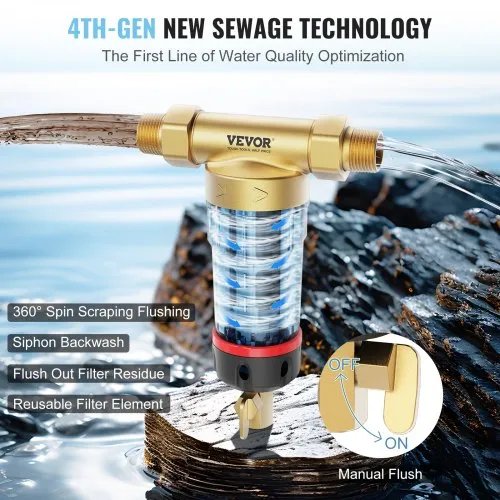
Flushing a water filter before use is crucial for clean, safe drinking water. It removes any loose particles or dust from the filter. Having the right tools ready makes the process easier and more efficient. Prepare everything before starting to avoid interruptions.
Basic Supplies Checklist
- Fresh water source for rinsing the filter
- Clean container or bucket to catch flushed water
- Wrench or filter housing tool to open the filter
- Clean cloth or paper towel for wiping parts
- Gloves to keep hands clean
- Towel or cloth to dry wet surfaces
Safety Precautions
- Wear gloves to protect your hands from contaminants
- Flush filter in a well-ventilated area
- Avoid direct contact with flushed water
- Keep children and pets away during flushing
- Follow manufacturer’s instructions closely
- Dispose of flushed water properly
Step-by-step Flushing Process
Flushing a water filter before use is essential for clean, safe water. This process removes any dust, carbon fines, or manufacturing residues. Follow these clear steps to prepare your filter properly. Doing this helps your filter work well and keeps water tasting fresh.
Preparing The Filter
Start by reading the filter’s instructions carefully. Remove any packaging or protective covers. Check that all parts are clean and undamaged. Attach the filter securely to the water source or faucet. Ensure all connections are tight to prevent leaks.
Running Initial Water Flow
Turn on the water slowly to begin flushing. Let water run through the filter for several minutes. This helps clear out loose particles inside the filter. Keep the flow steady but not too strong. Avoid drinking this first batch of filtered water.
Checking Water Clarity
Observe the water coming from the filter. It should look clear and free of debris. If the water is cloudy or has particles, continue flushing. Repeat until the water is clean and clear. Once clear, the filter is ready for regular use.
Common Mistakes To Avoid
Flushing a water filter before use might seem straightforward, but many people stumble on simple mistakes that compromise water quality and filter performance. Avoiding these errors ensures your filter works effectively from day one. Let’s look at some common pitfalls you should watch out for.
Skipping The Flushing Step
Not flushing your water filter before the first use is a costly mistake. New filters often contain loose carbon dust or manufacturing residues that can affect taste and safety. Flushing removes these impurities and prepares the filter for clean water.
Imagine turning on your tap expecting fresh water but tasting something odd or seeing cloudy water. That’s usually a sign the filter wasn’t flushed properly. Taking just a few extra minutes to flush can save you from unpleasant surprises.
Using Contaminated Water
Flushing your filter with dirty or contaminated water defeats the purpose and can damage the filter. Some people use untreated water sources for flushing, thinking it’s harmless. This can introduce bacteria or sediments that clog the filter or reduce its lifespan.
Always use clean, potable water for flushing. If you’re unsure about your water source, consider using bottled or boiled water. This step protects your filter and ensures the water you drink is safe.
Incorrect Filter Installation
Even if you flush correctly, installing the filter wrong can cause leaks or allow unfiltered water through. Common mistakes include not tightening the filter properly or placing it in the wrong direction. These errors compromise the entire filtration process.
Check the manufacturer’s instructions carefully and double-check your work. If the filter feels loose or water bypasses the filter, stop and fix it immediately. Proper installation is as critical as flushing to get the best results.
Maintenance Tips For Long-lasting Filters
Maintaining your water filter properly helps it last longer and work better. Simple steps keep water clean and fresh every day. Regular care prevents build-up and blockages inside the filter. This saves money and ensures safe drinking water for your family.
Regular Flushing Schedule
Flush your water filter before first use and regularly after that. Flushing removes trapped dust and loose particles from the filter. Set a flushing routine based on the filter type and water quality. For most filters, flushing once a month works well. Use clean water and run it through the filter for several minutes. This keeps the filter clean and ready to use.
Replacing Filter Cartridges
Change filter cartridges as recommended by the manufacturer. Old cartridges lose their ability to clean water effectively. Signs to replace include slow water flow or strange taste. Keep spare cartridges handy to avoid delays. Always flush new cartridges before using them. This removes manufacturing residues and improves performance.
Monitoring Water Quality
Check your water quality regularly to spot problems early. Look for changes in taste, smell, or color. Test water for common contaminants if possible. Good water means your filter works well. Poor water signals it may need cleaning or cartridge replacement. Keep a log of water quality checks to track changes over time.
Frequently Asked Questions
Why Flush A Water Filter Before Use?
Flushing a water filter removes manufacturing debris and activated carbon dust. This ensures optimal performance and clean water. It also prevents clogs and maintains water flow. Always follow the manufacturer’s instructions for the best results.
How Long Should I Flush My Water Filter?
Typically, you should flush your water filter for about 5 minutes. Check the manufacturer’s guidelines for specific time recommendations. Proper flushing ensures the filter operates efficiently and provides clean water.
Is It Necessary To Flush Every New Water Filter?
Yes, it’s essential to flush every new water filter. Flushing removes dust and debris from manufacturing. This step ensures clean, safe water and optimal filter performance. Always follow the manufacturer’s instructions for best results.
Can I Use Unflushed Water From A New Filter?
No, avoid using unflushed water from a new filter. Unflushed filters may contain carbon dust and debris. This could affect water quality and taste. Always flush the filter first to ensure clean and safe water.
Conclusion
Flushing your water filter before use helps remove dust and loose particles. It improves the taste and quality of your water. Follow the steps carefully for the best results. Clean water means better health for you and your family. Take a few minutes to flush the filter properly.
This simple step protects your filter and ensures it works well. Clean water starts with a clean filter. Easy, quick, and worth the effort.

Home Improvement Expert & Senior Writer at HomeFixio
Reed Atwood is a seasoned home improvement expert with a passion for transforming everyday living spaces into functional and stylish havens. With years of experience in DIY projects, renovations, and home upgrades, Reed brings a wealth of knowledge to HomeFixio. As a senior writer, he provides readers with practical, easy-to-follow guides, expert tips, and innovative solutions for every room in the house. His goal is to empower homeowners to tackle their projects with confidence, ensuring both quality results and a rewarding experience.


