

Does Zero Water Filter Remove Fluoride: Unveiling Truth
Are you worried about fluoride in your drinking water? You’re not alone.
Many people want to know if their water filter can actually remove fluoride. If you’re using a Zero Water filter or thinking about buying one, you probably wonder: does it really get rid of fluoride? Understanding this can protect your health and give you peace of mind every time you pour a glass.
Keep reading to find out the truth about Zero Water filters and fluoride removal—this could change the way you drink water forever.
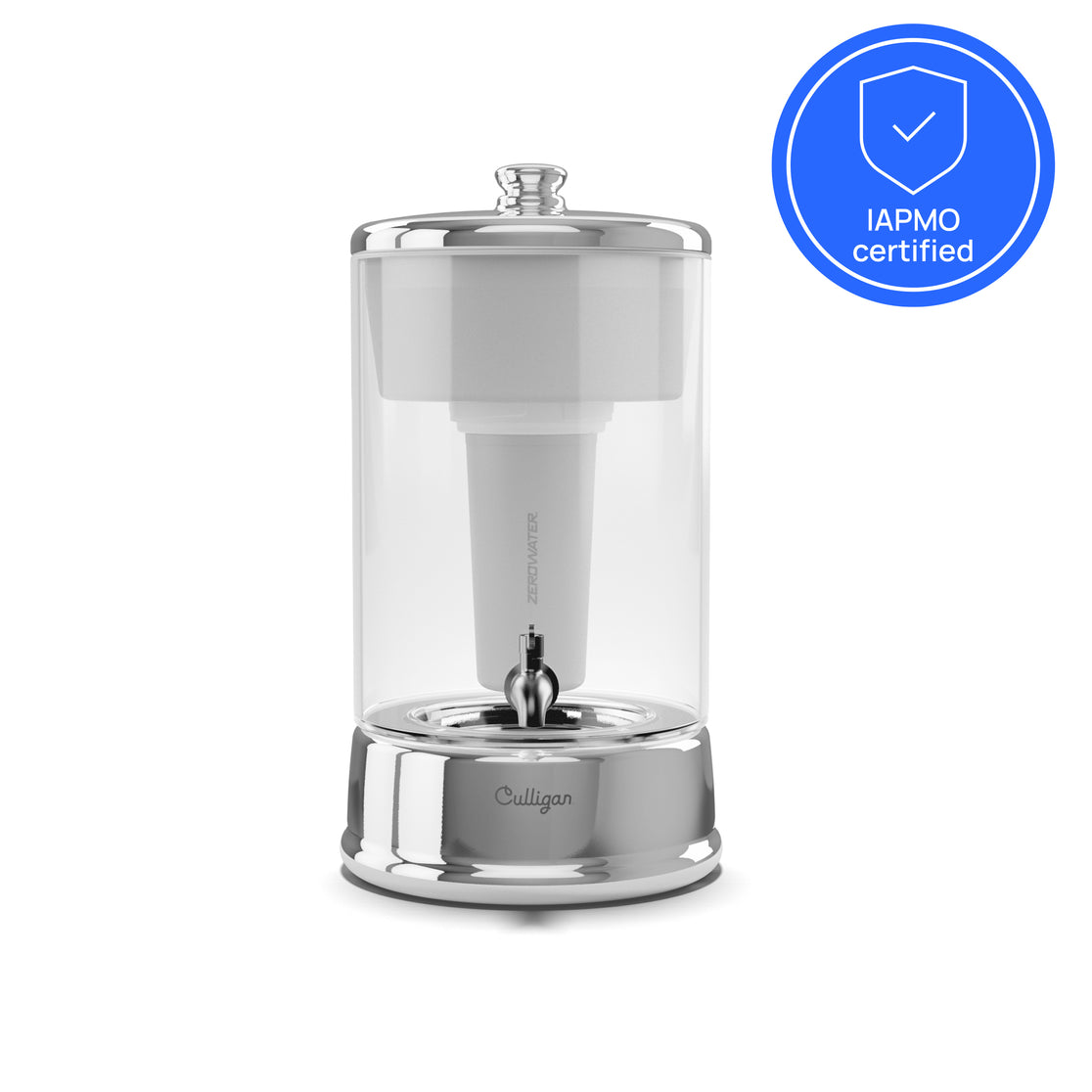
Credit: shop.culligan.com
Fluoride In Drinking Water
Fluoride is a common additive in many public water supplies. It helps reduce tooth decay but has sparked debate about its safety and effects on health. Understanding fluoride in drinking water can help you make better choices about your water source and filtration needs.
Sources Of Fluoride
Fluoride naturally occurs in rocks, soil, and water. Some areas have higher natural fluoride levels due to local geology. Additionally, many municipal water systems add fluoride to promote dental health.
- Natural fluoride from underground sources
- Added fluoride in public water supplies
- Fluoride in dental products like toothpaste and mouth rinses
Are you aware of the fluoride levels in your tap water? Checking your local water quality report can reveal how much fluoride is present.
Health Effects Of Fluoride
Fluoride can strengthen tooth enamel and reduce cavities when consumed in small amounts. However, too much fluoride over time can cause dental fluorosis, leading to discoloration of teeth.
There are concerns about excessive fluoride exposure potentially impacting bone health and other bodily functions. It’s important to balance fluoride intake to avoid adverse effects while still protecting your dental health.
Have you considered how much fluoride you really consume daily? Your water source, diet, and dental care products all contribute to your total intake.
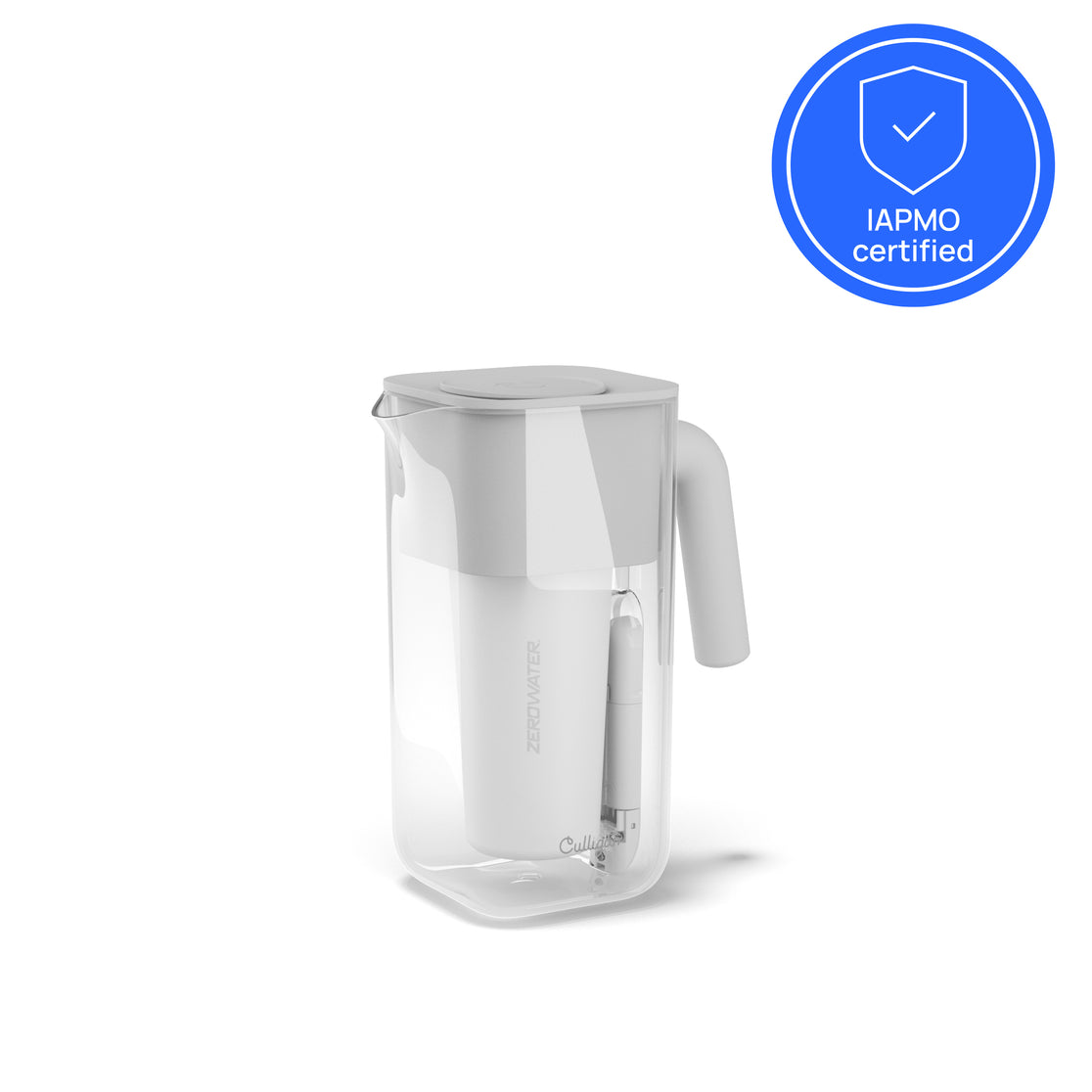
Credit: shop.culligan.com
Zero Water Filter Basics
Understanding the basics of the Zero Water Filter helps clarify its effectiveness. This filter aims to provide clean, pure water by removing many impurities. It uses a specific technology designed to reduce total dissolved solids in water. The system is popular for those wanting clearer water without many chemicals or minerals.
Filter Technology
The Zero Water Filter uses a five-stage filtration process. It combines multiple materials, including activated carbon and ion exchange resins. These work together to trap and remove contaminants. The ion exchange resin is key to reducing dissolved solids. This technology ensures water tastes fresh and clean.
Contaminants Targeted
This filter targets a wide range of impurities in tap water. It removes chlorine, heavy metals, and organic compounds. It also reduces particles like lead and mercury. The filter can lower salts and minerals that affect taste. Fluoride removal depends on the specific filter model and its materials. Not all Zero Water Filters fully remove fluoride.
Fluoride Removal Capabilities
Fluoride is a common additive in tap water, praised for dental health but concerning for those wanting to limit intake. If you’ve been eyeing the Zero Water filter, you might wonder how well it handles fluoride removal. Understanding its capabilities can help you decide if it fits your needs.
Testing Results
Independent lab tests show that Zero Water filters reduce fluoride levels, but the effectiveness varies. On average, it removes about 50-70% of fluoride from water. This is decent but may not be enough if you need near-complete fluoride elimination.
One user shared that after switching to Zero Water, their home water’s fluoride dropped significantly but wasn’t completely gone. This means if fluoride is your top concern, you might want to measure your water before and after filtering to see if it meets your expectations.
Comparison With Other Filters
Not all filters treat fluoride equally. Activated carbon filters, like many standard pitcher filters, usually don’t remove fluoride effectively. On the other hand, reverse osmosis (RO) systems and specialized fluoride filters can remove up to 95-99% of fluoride.
| Filter Type | Fluoride Removal Rate | Typical Cost | Maintenance |
|---|---|---|---|
| Zero Water Filter | 50-70% | Moderate | Replace cartridges every 2-3 months |
| Reverse Osmosis System | 95-99% | High | Filter and membrane replacement yearly |
| Standard Activated Carbon | Minimal to none | Low | Replace cartridges monthly |
If you want the cleanest water possible, an RO system might be a better fit. But if you’re balancing cost and fluoride reduction, Zero Water offers a middle ground. What’s your priority — cost, fluoride removal, or convenience?
User Experiences And Reviews
When considering if the Zero Water filter effectively removes fluoride, user experiences and reviews offer valuable insights. Real-life feedback helps highlight how the filter performs beyond technical claims. Reading through what actual users say can guide your decision and set realistic expectations.
Positive Feedback
Many users praise Zero Water for significantly improving the taste and clarity of their drinking water. Several report that after switching to Zero Water, they noticed a reduction in the chemical taste often linked with fluoride and other contaminants.
One user shared, “I tested my water before and after using Zero Water, and the fluoride levels dropped noticeably.” Others mention the filter’s ability to handle various impurities, making their water feel cleaner and healthier.
Users also appreciate the easy-to-use TDS meter that comes with the filter, which helps them track water purity and feel confident about the filtration process. This practical tool adds transparency to the experience.
Common Complaints
On the flip side, some users express frustration over the filter’s lifespan when dealing with high fluoride concentrations. They report needing to replace filters more frequently than expected, which can become costly.
Others mention that while the filter reduces fluoride, it may not remove it completely, especially in areas with very high fluoride levels. This raises the question: Is Zero Water enough if fluoride removal is your top priority?
There are also comments about slower water flow and occasional leaks, which can be inconvenient for daily use. Some users suggest that the filter might work best as part of a multi-stage system rather than a standalone solution.
Alternatives For Fluoride Removal
Removing fluoride from drinking water requires specific filtration methods. Some filters do not target fluoride effectively. Exploring alternatives can help find the right solution. Several options exist that reduce fluoride safely and efficiently.
Activated Alumina Filters
Activated alumina filters absorb fluoride from water. They use a porous form of aluminum oxide. This material attracts and holds fluoride ions. These filters work best with a neutral pH level. Regular replacement of the filter media is necessary. They are affordable and easy to maintain. Activated alumina is effective for moderate fluoride levels. It also removes arsenic and selenium, improving overall water quality.
Reverse Osmosis Systems
Reverse osmosis (RO) systems force water through a semi-permeable membrane. This process blocks fluoride and many other contaminants. RO systems remove up to 95% of fluoride. They also reduce lead, chlorine, and bacteria. These systems need professional installation and regular maintenance. RO units produce clean, safe drinking water. They work well for households concerned about multiple pollutants. RO systems are a reliable choice for fluoride removal.
Choosing The Right Water Filter
Choosing the right water filter is crucial if you want to effectively remove fluoride from your drinking water. Not all filters are designed to handle fluoride, so understanding what works best for your needs can save you time and money. Let’s break down the key factors that should influence your choice.
Factors To Consider
First, check the filter’s certification and its ability to reduce fluoride specifically. Many common filters remove chlorine and sediments but fail at reducing fluoride.
Look for filters using activated alumina, reverse osmosis, or bone char—these technologies are proven to reduce fluoride effectively. Also, consider how often you’ll need to replace the filter and if it fits your water usage habits.
Think about your water’s fluoride concentration. If it’s very high, a stronger filtration system might be necessary. Don’t overlook the filter’s capacity and maintenance requirements either; a filter that’s hard to maintain might end up unused.
Cost Vs. Effectiveness
You might find filters that are cheap but don’t remove fluoride well. On the other hand, highly effective filters like reverse osmosis systems can be costly upfront and require regular maintenance.
Ask yourself: is it worth paying more for cleaner, safer water? Sometimes spending a bit extra can lead to better health benefits and peace of mind.
Consider the long-term costs too, such as replacement filters and energy consumption. Balancing price with performance ensures you get value without compromising on safety.

Credit: blog.filtersfast.com
Frequently Asked Questions
Does Zero Water Filter Remove Fluoride Completely?
Zero Water filters reduce fluoride levels significantly but do not remove it completely. They use a five-stage filtration system that lowers fluoride content, making water safer to drink. For complete fluoride removal, specialized filters like reverse osmosis are recommended.
How Effective Is Zero Water Against Fluoride?
Zero Water is moderately effective in reducing fluoride. It removes about 90% of fluoride through its ion exchange technology. However, it may not be the best choice if complete fluoride elimination is your goal.
Can Zero Water Handle High Fluoride Levels?
Zero Water can handle moderate fluoride levels effectively. For very high fluoride concentrations, it may not be sufficient alone. Consider combining it with other filtration methods for better results.
Is Zero Water Better Than Other Filters For Fluoride?
Zero Water performs well in fluoride reduction compared to basic filters. However, reverse osmosis systems generally outperform it in fluoride removal. Choose based on your specific water quality needs.
Conclusion
Zero Water filters reduce many impurities in water. They do remove fluoride but not completely. For those needing low fluoride levels, other filters may work better. Always check product details before buying. Clean, safe water matters most for health. Choose a filter that fits your needs and budget.
Stay informed and drink water with confidence.

Home Improvement Expert & Senior Writer at HomeFixio
Reed Atwood is a seasoned home improvement expert with a passion for transforming everyday living spaces into functional and stylish havens. With years of experience in DIY projects, renovations, and home upgrades, Reed brings a wealth of knowledge to HomeFixio. As a senior writer, he provides readers with practical, easy-to-follow guides, expert tips, and innovative solutions for every room in the house. His goal is to empower homeowners to tackle their projects with confidence, ensuring both quality results and a rewarding experience.


