How Do You Make a Dresser into a Bathroom Vanity: DIY Guide
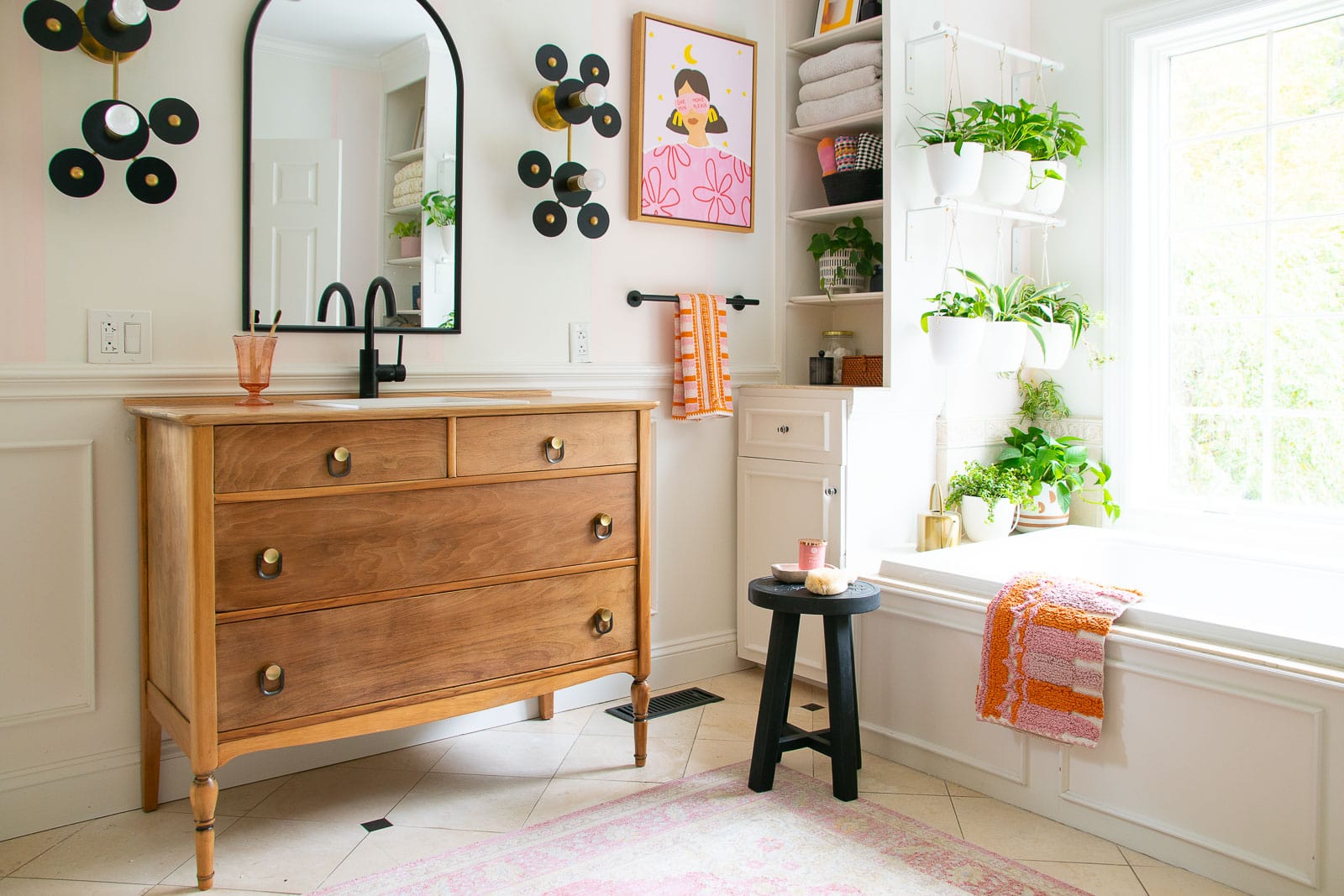
Imagine transforming a simple dresser into a stunning bathroom vanity that perfectly reflects your personal style. Not only does this project breathe new life into an old piece of furniture, but it also adds a unique touch to your bathroom decor.
You might think this process is complex, but with the right guidance, it’s easier than you’d expect. You’ll discover a step-by-step guide that simplifies the transformation, offering you practical tips and creative ideas along the way. This DIY project not only saves you money but also allows you to express your creativity and craftsmanship.
Ready to turn that old dresser into the bathroom centerpiece of your dreams? Let’s dive in and unlock the secrets to making your bathroom truly one-of-a-kind.

Credit: m.youtube.com
Choosing The Right Dresser
Transforming a dresser into a bathroom vanity is an exciting DIY project that can add character and charm to your space. But before you dive in, it’s crucial to select the right dresser. This choice will set the tone for your bathroom and determine how functional your new vanity will be. Let’s explore how to make the best choice for your project.
Assessing Size And Space
Start by measuring the area where you plan to place your vanity. This ensures the dresser fits comfortably without overwhelming the space. Consider the depth of the dresser as well; it should be adequate to house plumbing without encroaching on walking space.
Think about how much storage you need. If you have a lot of toiletries, opt for a dresser with multiple drawers. A bigger dresser provides more storage but requires more space. Decide what’s more important for your bathroom: space to move or space to store.
Considering Material And Style
Material matters. A solid wood dresser is ideal for durability and can withstand the humidity of a bathroom. Avoid particle board or laminate, which may warp over time. Wood can be refinished or painted to match your bathroom decor.
Style is equally important. Do you want a vintage look or something modern? A mid-century dresser can add a retro flair, while a sleek, minimalist piece might complement a contemporary bathroom. Choose a style that reflects your taste and enhances your bathroom’s aesthetics.
Have you ever picked a dresser only to realize it didn’t match the rest of your decor? It happens. So, take time to visualize how the dresser will look alongside existing bathroom elements like tiles and fixtures. This ensures harmony in design and prevents buyer’s remorse.
Choosing the right dresser is not just about aesthetics; it’s about creating a space that feels like home. How will your choice impact the daily routine in your bathroom? Think about it: every morning starts here, and your dresser should make the start of your day smoother and more enjoyable.

Credit: anoregoncottage.com
Preparing The Dresser
Transforming a dresser into a bathroom vanity involves careful planning and creativity. Start by measuring the space and selecting a dresser that fits. Ensure plumbing access, then modify drawers and top surface for sink installation.
Transforming a dresser into a bathroom vanity can be a rewarding DIY project, giving your space a unique touch. Before you dive into the creative aspects, it’s essential to focus on preparing the dresser. This step ensures the dresser is sturdy and ready for its new life as a vanity. Preparation not only involves enhancing its durability but also making sure it can accommodate plumbing. Let’s break it down further under the key steps.Removing Drawers And Hardware
Start by taking out all the drawers. This gives you access to the interior and allows you to visualize how the plumbing will fit. Unbolt the existing hardware like handles and knobs. If you plan to reuse them, keep them safe; otherwise, consider upgrading to something that complements your bathroom decor. Think about how the plumbing will affect the internal structure. You may need to cut out sections of the drawer to make room for pipes.Reinforcing The Structure
Check the dresser’s frame. Is it sturdy enough to support a sink and countertop? You might need to strengthen it with additional wood or metal brackets. Consider adding cross beams to ensure it can withstand the weight of water and daily use. This prevents sagging and future structural issues. Have you considered the water damage? Applying a sealant can protect the wood from moisture. This small step extends the life of your vanity. By taking these steps, you’re setting the foundation for a successful transformation. What unexpected challenges might arise during this process, and how would you tackle them?Modifying For Plumbing
Transforming a dresser into a bathroom vanity involves removing drawers to make space for plumbing. Cut openings for the sink and faucet, ensuring a snug fit. Apply waterproof finishes to protect the wood from moisture.
Transforming a dresser into a bathroom vanity is a creative and rewarding project. One of the key steps involves modifying the dresser for plumbing. This can feel daunting, but with some practical guidance, it becomes manageable. By carefully planning where and how to cut the dresser, you can ensure it accommodates plumbing needs without losing its aesthetic appeal.Cutting Holes For Pipes
Begin by identifying where the pipes will enter and exit the dresser. You might find it useful to measure and mark these areas before making any cuts. Use a drill with a hole saw attachment to create clean and precise holes. The size of the hole should fit the pipe snugly, to prevent any unnecessary movement. If you’re unsure, consider starting with a smaller hole and gradually increasing the size. Remember, it’s easier to make a hole bigger than to fix one that’s too large.Ensuring Proper Drainage
Proper drainage is essential to prevent water damage. Make sure the sink’s drain aligns well with the plumbing in your bathroom. This might require adjusting the dresser’s drawers or shelf space. Consider using flexible plumbing hoses, as they offer more adaptability in tight spaces. Test the drainage by running water through the sink. Check for leaks and make necessary adjustments. Have you ever thought about how small adjustments can make a big difference in preventing future plumbing issues? Attention to detail now can save you from headaches later. Personalizing your bathroom vanity not only showcases your style but ensures the functional elements are just right for your space. Getting these modifications right will bring you one step closer to the perfect blend of form and function in your bathroom.Selecting The Sink And Faucet
Transforming a dresser into a bathroom vanity is a creative project. The sink and faucet play a crucial role in this transformation. Picking the right ones can enhance the style and functionality. Let’s explore how to choose the perfect sink and faucet for your vanity.
Types Of Sinks Suitable For Dressers
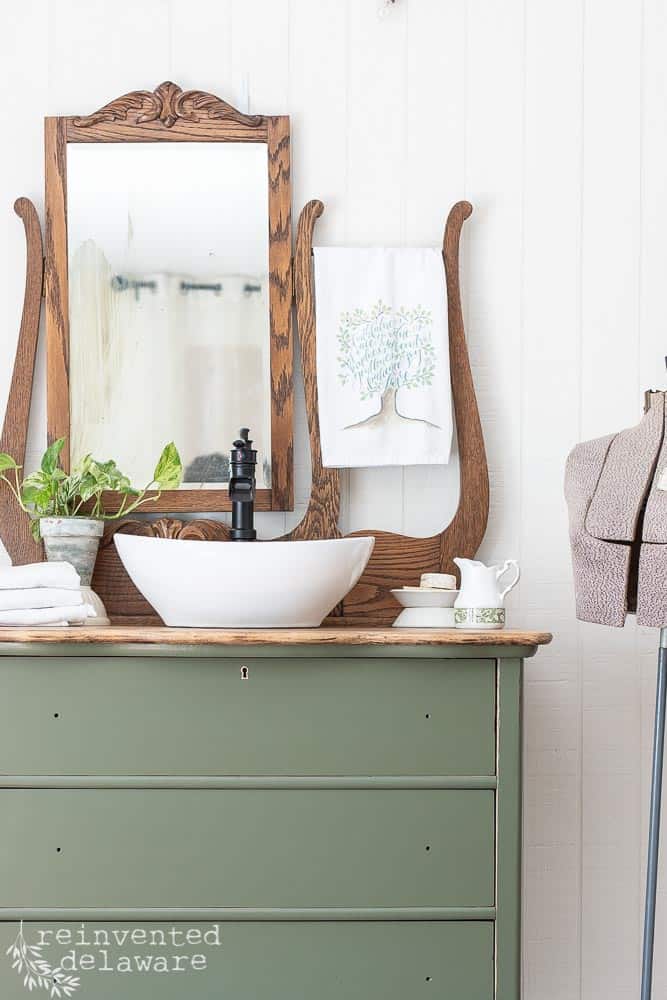
Different sink types suit different dresser styles. Vessel sinks sit on top of the dresser, creating a modern look. Undermount sinks provide a seamless appearance, ideal for traditional designs. Drop-in sinks are versatile and easy to install. Consider your dresser’s height and width before choosing.
Choosing A Complementary Faucet
The faucet completes your vanity’s look. Wall-mounted faucets save space and offer a sleek design. Deck-mounted faucets are easy to install and come in various styles. Choose a finish that matches your sink and dresser. Chrome, brushed nickel, or oil-rubbed bronze can add elegance.
Installing The Vanity Top
Transforming a dresser into a bathroom vanity involves selecting the right vanity top. Cut a hole for plumbing, then install the sink and faucet. Secure the vanity top with adhesive for stability. Enjoy a unique, customized look in your bathroom.
Transforming a dresser into a bathroom vanity is a creative and rewarding DIY project. Once you’ve chosen the perfect dresser, the next step is installing the vanity top. This is where your vision truly starts to come together, turning a piece of furniture into a functional bathroom centerpiece. But how do you ensure that the vanity top is both stylish and securely attached to your dresser? Let’s dive into the details.Materials For Vanity Tops
Selecting the right material for your vanity top is crucial for durability and aesthetics. Granite and marble offer timeless elegance and are highly resistant to moisture. Quartz is another excellent choice, known for its durability and range of colors. If you’re on a budget, laminate can mimic the look of natural stone without breaking the bank. Consider the style of your bathroom. If you’re aiming for a rustic feel, wood can add warmth and character. Remember, each material has its pros and cons. For example, while wood is beautiful, it requires regular sealing to prevent damage from water.Securing The Top To The Dresser
Once you’ve selected your vanity top, it’s time to secure it to the dresser. Begin by ensuring the dresser is level and sturdy. You don’t want any wobbling once everything is set up. Use a measuring tape to align the top precisely with the dresser edges. Next, apply a bead of silicone adhesive along the top edges of the dresser. This acts as both a sealant and a bonding agent. Place the vanity top gently onto the adhesive, pressing down firmly to ensure a strong bond. Consider adding brackets or clips underneath for added security. This is especially important if your dresser is on the heavier side or if you anticipate frequent use. Have you ever wondered how a simple adhesive can hold such weight? It’s all in the application. Ensure even distribution and check that no gaps are left, which could weaken the hold. Making your dresser into a bathroom vanity isn’t just about functionality; it’s about creating a space that reflects your style. What will your unique touch be?Finishing Touches
Transforming a dresser into a bathroom vanity is rewarding. The final step is adding finishing touches. These details make your vanity unique and beautiful. Let’s explore how painting, staining, and decorative elements can enhance your project.
Painting Or Staining The Dresser
Decide whether to paint or stain your dresser. Painting gives a fresh, vibrant look. Choose a color that complements your bathroom theme. Staining highlights the natural beauty of the wood. It adds a warm, classic touch. Sand the dresser well before applying paint or stain. This ensures a smooth, clean surface. Use quality brushes or rollers for an even finish. Apply a sealant to protect from moisture and wear.
Adding Decorative Elements
Decorative elements add personality to your vanity. Consider changing the drawer handles. Choose handles that match your bathroom style. Ornate knobs add elegance. Sleek handles give a modern feel. Mirrors are another decorative option. Place a stylish mirror above the vanity. It adds visual interest and functionality. Consider adding a backsplash. It protects the dresser and adds charm. Use tiles or a waterproof material for a lasting effect.
Maintenance Tips
Transforming a dresser into a bathroom vanity is creative and practical. Once completed, maintaining it ensures its beauty and functionality over time. Proper care prevents damage and extends its lifespan. Here are essential maintenance tips for your vanity.
Caring For Wood And Finish
Wood needs gentle cleaning. Use a damp cloth for regular dusting. Avoid harsh chemicals; they harm the finish. Polish occasionally to maintain its shine. Apply wood conditioner to prevent drying and cracking. This keeps the vanity looking fresh.
Preventing Water Damage
Water can damage wood quickly. Wipe spills immediately to avoid stains. Use a waterproof sealant to protect the surface. Check for leaks under the sink regularly. Fix any plumbing issues promptly. This prevents water from seeping into the wood.
Credit: www.reinventeddelaware.com
Frequently Asked Questions
What Tools Are Needed To Convert A Dresser?
To convert a dresser into a vanity, you’ll need basic tools. Essential items include a saw, drill, and measuring tape. Additional tools like a screwdriver and sandpaper may be helpful. Make sure to have plumbing tools ready if you’re installing a sink.
Safety gear like gloves and goggles is recommended.
How Do You Prepare The Dresser For Conversion?
Start by removing drawers and hardware from the dresser. Measure and cut a hole for the sink, ensuring it’s centered. Sand the dresser to remove any rough edges. If needed, reinforce the structure for added stability. Apply a waterproof sealant to protect against moisture damage in the bathroom.
Can Any Dresser Be Used As A Vanity?
Not all dressers are suitable for conversion. Choose a sturdy dresser that can support a sink’s weight. Ensure it’s made from water-resistant materials or can be sealed. Check the dimensions to fit your bathroom space. Consider the dresser’s style to match your bathroom decor for a cohesive look.
How Do You Protect The Vanity From Water?
Apply a waterproof sealant to the dresser’s surface to prevent water damage. Use moisture-resistant paint for added protection. Ensure the sink is properly sealed to prevent leaks. Regularly check for any signs of water damage and address them promptly. Maintain a dry environment to extend the vanity’s lifespan.
Conclusion
Transforming a dresser into a bathroom vanity is rewarding. It adds character and uniqueness to your space. With simple tools and creativity, you can achieve a stunning result. Measure accurately and choose waterproof finishes. Proper plumbing is crucial for functionality.
This DIY project saves money and boosts your home’s aesthetic appeal. Embrace the challenge and enjoy the process. Soon, your bathroom will have a charming new look. Remember, every piece tells a story. Your vanity will be a conversation starter.
Dive in and create a beautiful focal point. Your dream bathroom awaits!

Home Improvement Specialist & Writer at HomeFixio
Caden Rutherford is a seasoned home improvement specialist with extensive hands-on experience in residential construction, renovations, and design. With a keen eye for detail and a passion for transforming spaces, Caden shares practical advice and expert solutions to enhance the functionality and beauty of homes. As a writer for HomeFixio, Caden combines technical knowledge with creative flair, providing readers with informative guides on everything from structural improvements to aesthetic upgrades, empowering homeowners to achieve their ideal living spaces.