Can You Paint a Bathroom Vanity? Expert Tips Unveiled
Are you staring at your bathroom vanity, wishing it had a fresh, new look? You’re not alone.
Many homeowners grapple with the dilemma of whether they can simply paint their existing vanity instead of splurging on a brand-new one. The good news is, with the right guidance, you can absolutely transform your bathroom vanity with a coat of paint.
This not only revitalizes your space but also saves you money. Imagine the satisfaction of admiring a vanity that looks brand new but was updated with your own hands. We’ll guide you step-by-step through the process, so you can achieve a stunning transformation without any guesswork. Keep reading to discover how you can breathe new life into your bathroom with this simple DIY project.
Choosing The Right Paint
Choosing the right paint for your bathroom vanity can transform the space from mundane to magnificent. With the right selection, you can create a fresh and vibrant atmosphere that reflects your personal style. But how do you pick the perfect paint that withstands the unique demands of a bathroom?
Types Of Paint For Bathroom Vanities
Not all paints are created equal, especially for the humid environment of a bathroom. You need a paint that resists moisture and prevents mold growth.
- Acrylic paint:This is water-resistant and adheres well to different surfaces. It’s a popular choice for bathroom vanities.
- Oil-based paint:Known for its durability, it provides a smooth finish but takes longer to dry. Consider this if you’re aiming for a glossy look.
- Chalk paint:Offers a matte finish and is easy to apply. While not inherently moisture-resistant, a protective topcoat can safeguard it.
Have you ever had paint peel off in your bathroom? That’s usually because it wasn’t moisture-resistant. Investing in the right type will save you time and effort in the long run.
Color Selection And Trends
The color you choose can dramatically change the mood of your bathroom. Do you want a serene spa-like feel or a vibrant and energetic space?
Neutral tones like whites and greys remain timeless, offering a clean and calming effect. They also make small spaces feel larger.
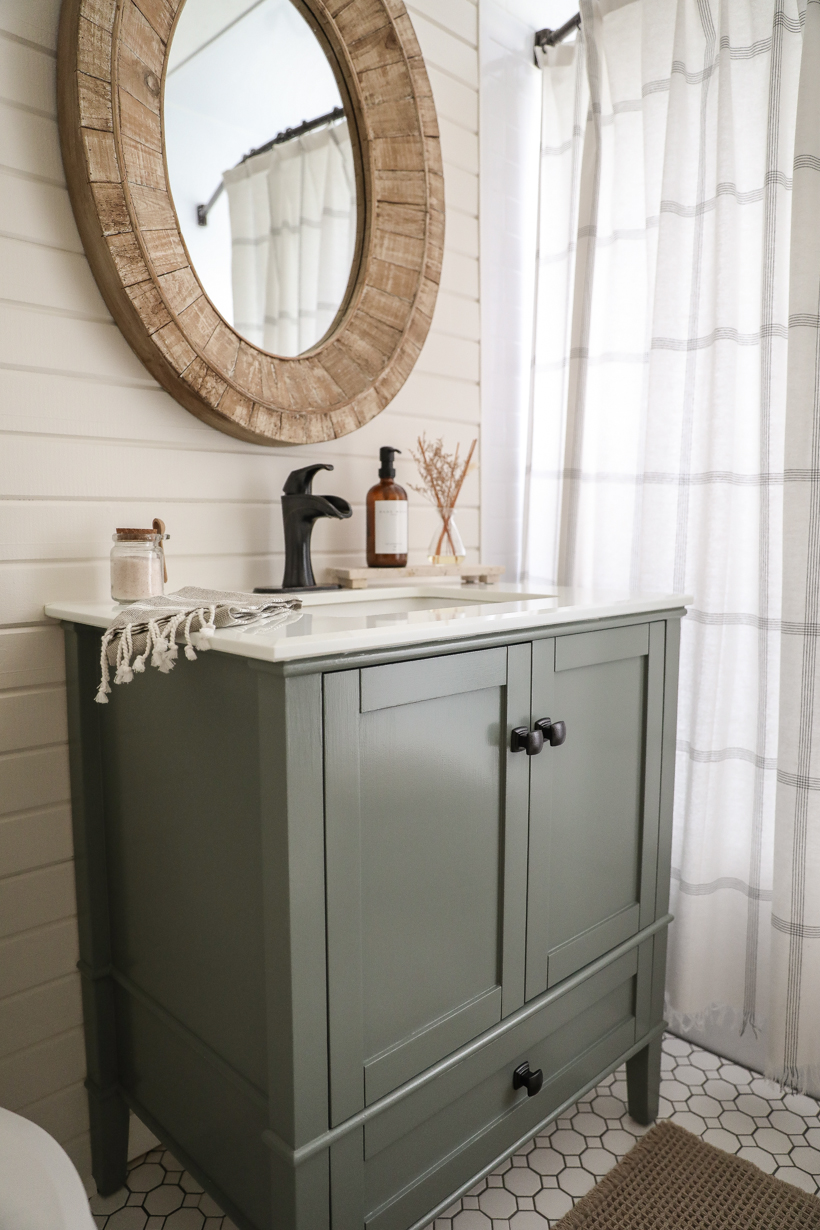
Bold colors like navy blue or forest green are trending, bringing a touch of sophistication and depth. Pairing these with metallic hardware can create a chic, modern look.
Reflect on your personal style. Does a bright yellow vanity appeal to your love for bold choices? Or does a soft lavender resonate with your preference for subtle elegance?
Consider current trends but prioritize what makes you happy. After all, it’s your space. What colors make you feel comfortable and inspired?
Choosing the right paint for your bathroom vanity not only enhances aesthetics but ensures durability. So, what will your choice say about your style?
Credit: lovegrowswild.com
Preparation Steps
Preparing a bathroom vanity for painting is crucial. It ensures a smooth finish. By following the right steps, you enhance durability and appearance. The first step involves cleaning and sanding. Next, address any damages. These steps set the foundation for a successful paint job. Let’s explore these preparation steps in detail.
Cleaning And Sanding
Start by thoroughly cleaning the vanity. Use a mild soap solution. Remove any dirt, grease, or grime. A clean surface ensures better paint adhesion. After cleaning, allow the vanity to dry completely. Once dry, begin sanding the surface. Sanding smooths out imperfections. It also helps the paint stick better. Use fine-grit sandpaper for this task. Remember to sand in the direction of the wood grain. Wipe away dust with a damp cloth after sanding.
Repairing Damages
Examine the vanity for any damages. Look for cracks, chips, or holes. Use wood filler to repair these areas. Apply the filler with a putty knife. Smooth it out for a level surface. Let the filler dry according to the package instructions. Once dry, sand the repaired areas again. This ensures a seamless surface. A well-prepared surface leads to a flawless paint job.
Tools And Materials Needed
To paint a bathroom vanity, gather essential tools and materials. You will need sandpaper, a paintbrush, primer, and paint. Don’t forget painter’s tape and a drop cloth to protect surrounding areas. These items ensure a smooth and professional finish for your vanity project.
Thinking about giving your bathroom vanity a fresh new look? Painting it can be a rewarding DIY project that refreshes the entire bathroom without breaking the bank. But before you dive into the painting process, you’ll need to gather the right tools and materials. Having the proper supplies on hand will ensure a smoother process and a professional-looking finish. Let’s explore the essentials you need to make your bathroom vanity shine.
Essential Painting Tools
To start, you’ll need a few basic tools. Paintbrushes of various sizes are crucial. Small, angled brushes are perfect for corners and detailed areas, while larger brushes cover broad surfaces efficiently. A paint roller with a smooth finish roller cover will help achieve an even coat on flat surfaces. It’s a time saver, especially if your vanity is large. Don’t forget a paint tray. It will hold your paint and allow you to load your brush or roller evenly. A screwdriver is necessary to remove hardware like knobs and handles. This small step ensures a thorough and precise paint job.
Additional Supplies
Once you have the essential tools, consider what else you might need. Painter’s tape is your best friend for clean lines and protecting areas you don’t want to paint. Use it to cover edges and any surfaces adjacent to your vanity. A drop cloth or old sheets will protect your floors from spills and splatters. You don’t want to spend your weekend scrubbing paint off tiles. Sandpaper is vital for prepping your vanity surface. A light sanding helps the paint adhere better, ensuring durability. Finally, don’t overlook safety. Gloves and a mask protect you from fumes and keep your hands clean. Is there anything more satisfying than standing back and admiring your handiwork after a job well done? With the right tools and materials, painting your bathroom vanity can be a fun and fulfilling project. Are you ready to get started? Gather your supplies and unleash your creativity!
Painting Techniques
Painting a bathroom vanity can refresh your space. It’s an affordable way to update your home. Different techniques can impact the final look. Choosing the right method is crucial for success.
Brush Vs. Roller
Brushes offer precision. They’re great for detailed areas. They reach tight corners easily. Brushes allow smooth strokes. They may leave brush marks. Rollers cover large areas quickly. They work well on flat surfaces. Rollers create a smooth finish. They can miss edges and corners.
Applying Primer
Priming is essential. It prepares the surface. Primer increases paint adhesion. It prevents peeling and chipping. Choose the right primer for your vanity. Apply a thin, even coat. Let it dry completely. Sand lightly before painting.
Finishing Touches
Transforming your bathroom vanity with paint brings new life to the space. The final steps are crucial for a polished look. ‘Finishing Touches’ make the difference between a good and great result. These steps add protection and style to your painted vanity.
Sealants And Protective Coatings
Sealants guard your vanity against moisture and wear. Choose a sealant that suits bathroom conditions. A clear coat enhances durability and adds shine. Apply multiple layers for long-lasting protection. Allow each layer to dry before applying the next.
Adding Hardware And Accessories
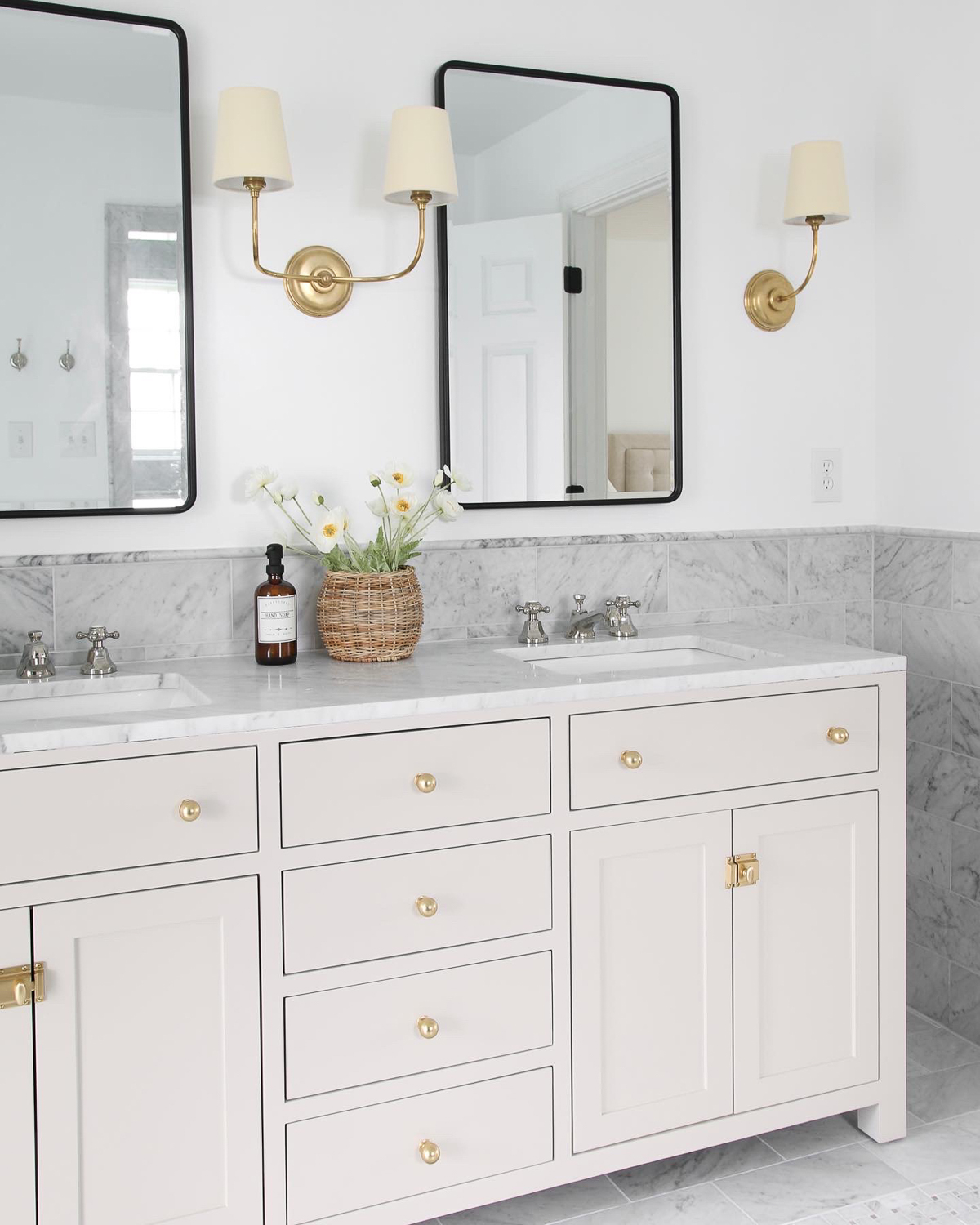
Update hardware to match your vanity’s new look. New knobs or handles can change the style significantly. Consider materials like brass or stainless steel for a modern finish. Accessories like mirrors or organizers can complement the vanity design. These elements can enhance functionality and aesthetics.
Credit: stefanasilber.com
Maintenance Tips
Painting a bathroom vanity is a great way to refresh its look. Start by cleaning and sanding the surface for smooth paint application. Choose a durable, water-resistant paint to withstand bathroom humidity and daily use.
Painting your bathroom vanity can breathe new life into the space, but maintaining that fresh look requires a bit of care. Whether you’ve gone for a bold color or a classic white, keeping the paint job looking as good as new is key. Fortunately, with some simple maintenance tips, you can ensure your vanity remains the centerpiece of your bathroom for years to come.
Cleaning Painted Surfaces
Regular cleaning is essential to preserve the beauty of your painted vanity. Use a soft, damp cloth to wipe away dust and grime. Avoid harsh chemicals that can damage the paint; instead, opt for mild soap and water. Think about how often you clean your bathroom mirror. Your vanity deserves the same attention. By incorporating gentle cleaning into your routine, you can prevent buildup and keep the colors vibrant.
Handling Wear And Tear
No matter how careful you are, some wear and tear is inevitable. Small scratches or chips can be touched up with matching paint. Keep a small bottle handy for quick fixes. Consider placing a protective mat or tray on top of your vanity to catch spills and prevent scratches. This simple step can save you from larger repairs down the road. Have you ever noticed how high-traffic areas in your home need more frequent upkeep? Your bathroom vanity is no different. Regular checks can catch problems early, keeping your vanity looking its best. By taking these steps, you’ll not only maintain the aesthetic appeal of your vanity but also extend its lifespan. What tricks have you found useful in keeping your bathroom looking pristine?
Credit: www.youtube.com
Frequently Asked Questions
Can You Paint Over A Bathroom Vanity?
Yes, you can paint over a bathroom vanity. Ensure the surface is clean and dry before painting. Use a primer to help the paint adhere better. Choose paint suitable for bathrooms, as it resists moisture. This update can refresh your vanity’s look without replacing it entirely.
What Type Of Paint Is Best For Vanities?
The best paint for vanities is semi-gloss or satin. These finishes are durable and moisture-resistant. They also provide a smooth, easy-to-clean surface. Consider using a paint designed specifically for bathrooms to prevent mold and mildew. Always apply a primer for better adhesion and longevity.
How Do You Prepare A Vanity For Painting?
To prepare, first clean the vanity thoroughly. Remove grease, soap scum, and dirt. Sand the surface lightly to create a smooth base. Apply a primer to ensure the paint adheres well. Tape off any areas you don’t want painted. Ensure the vanity is completely dry before starting.
Do You Need To Seal A Painted Vanity?
Yes, sealing a painted vanity is advisable. A clear topcoat or sealer protects the paint from moisture and wear. This prolongs the vanity’s lifespan and maintains its appearance. Choose a sealer suitable for the type of paint used. Apply it after the paint has completely dried.
Conclusion
Painting a bathroom vanity is a simple way to refresh the space. It allows you to personalize your bathroom without spending much. A few coats of paint can transform the look and feel. Choose colors that match your style and bathroom decor.
Make sure to properly prepare surfaces for long-lasting results. Gather the right materials and follow steps carefully. Enjoy the process and watch your bathroom vanity shine. A little effort brings a big change. Now, your bathroom vanity reflects your unique taste.
Go ahead, get creative, and make your bathroom a welcoming place.

Home Improvement Specialist & Writer at HomeFixio
Caden Rutherford is a seasoned home improvement specialist with extensive hands-on experience in residential construction, renovations, and design. With a keen eye for detail and a passion for transforming spaces, Caden shares practical advice and expert solutions to enhance the functionality and beauty of homes. As a writer for HomeFixio, Caden combines technical knowledge with creative flair, providing readers with informative guides on everything from structural improvements to aesthetic upgrades, empowering homeowners to achieve their ideal living spaces.