How to Measure a Bathroom Vanity: Step-by-Step Guide
Are you planning a bathroom makeover or simply replacing an old vanity? Knowing how to measure a bathroom vanity is the first step toward achieving a flawless fit and a stunning look.
Imagine stepping into your bathroom and seeing everything perfectly aligned, with no awkward gaps or misfits. It’s not just about aesthetics; a well-measured vanity enhances functionality and maximizes space. This guide will walk you through the simple yet crucial steps to ensure your bathroom vanity complements your space seamlessly.
Let’s dive in and discover how precision can transform your bathroom into a sanctuary you’ll love.
Tools Needed
Accurate measurements are crucial when choosing a bathroom vanity. Proper tools ensure precision and prevent errors. Having the right tools makes the process easier and more efficient. Let’s explore the essential tools needed to measure a bathroom vanity.
Measuring Tape
A measuring tape is vital for taking precise measurements. It helps measure the length, width, and height of the vanity. Choose a sturdy tape for reliable results.
Level
A level ensures the vanity is installed evenly. It checks if the surface is flat and balanced. Use a level to avoid uneven installations.
Pencil And Notepad
A pencil and notepad help record measurements. Writing down dimensions avoids mistakes. Keep them handy for quick notes.
Calculator
A calculator assists with calculations. It helps ensure measurements are accurate. Use it to confirm dimensions and ratios.
Template Or Pattern Paper
Template paper aids in visualizing the vanity space. It helps plan the layout. Use it to see how the vanity fits in the bathroom.
Spirit Level
A spirit level checks horizontal and vertical lines. It ensures the vanity aligns properly. Use it for accurate leveling.

Credit: www.homedepot.com
Preparing The Area
Preparing the area is vital before measuring your bathroom vanity. It ensures accuracy and avoids unnecessary errors. This step helps in achieving precise dimensions for your new installation. A well-prepared area makes the process smoother and more efficient.
Clear The Space
Remove all items from the vanity surface. This includes toiletries, decor, and any other objects. A clutter-free surface provides a clear view of the vanity edges. It also prevents items from interfering with the measuring tape.
Inspect The Walls
Check the walls around the vanity for any obstacles. This might include shelves, hooks, or towel racks. Ensure these do not interfere with the measurement. If necessary, temporarily remove these items.
Ensure Proper Lighting
Good lighting is crucial. Ensure the bathroom is well-lit. Use a bright overhead light or a portable lamp. This helps in seeing the edges and corners clearly.
Gather Your Tools
Have a measuring tape ready. A pencil and notebook are also useful. They help in jotting down accurate measurements. Ensure the measuring tape is flexible and easy to use.
Check For Level Floors
Ensure the bathroom floor is level. Use a spirit level if available. Uneven floors can affect measurements. Adjust accordingly for any discrepancies.
Measuring Width
Measuring the width of a bathroom vanity is crucial. It ensures that the vanity fits perfectly in your space. Accurate measurements prevent unnecessary adjustments. This process involves two main steps. Identifying the vanity edges and recording the measurements.
Identifying Vanity Edges
Start with the edges. Locate the outermost points on both sides. These are your reference points. Use these to measure the entire width. Ensure they are clear and unobstructed. This guarantees precision in your measurements.
Recording Measurements
Grab a measuring tape. Align it with one edge. Stretch it across to the opposite side. Note the measurement. Double-check to ensure accuracy. Record the number clearly. This recorded measurement is your vanity’s width.
Measuring Height
Determining the height of a bathroom vanity involves measuring from the floor to the top surface. Ensure accuracy by using a measuring tape. This process helps in selecting a vanity that fits your space and meets your needs comfortably.
Measuring the height of a bathroom vanity is a crucial step in ensuring comfort and functionality in your space. Whether you’re replacing an old vanity or installing a new one, the right height can make all the difference in your daily routine. It’s essential to know exactly how to measure to avoid any mishaps. Having recently revamped my bathroom, I learned that measuring the height wasn’t just about numbers—it involved considering how it impacts your everyday life.From Floor To Top Surface
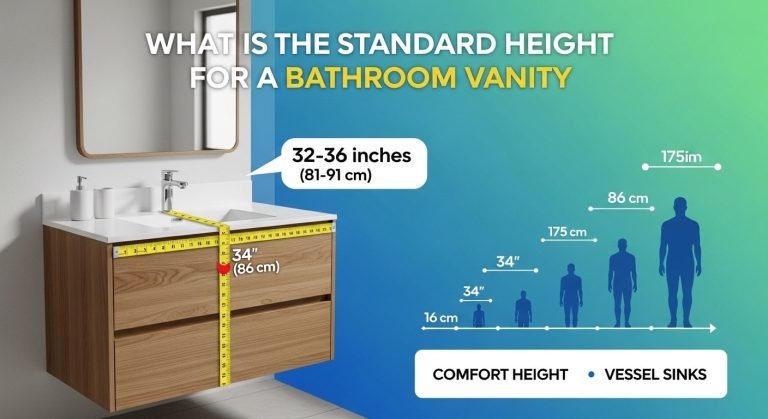
Start by measuring from the floor to the top surface of the vanity. Use a tape measure for accuracy. Ensure it’s flat against the floor and extends vertically to the highest point of the vanity’s top surface. The standard height for a vanity is typically between 32 to 36 inches. However, you might want to adjust based on your family’s needs. Taller individuals might prefer a higher vanity, while shorter members might find the standard height more comfortable. Are you thinking about future changes? Consider how a taller vanity might affect resale value or accessibility for children.Including Backsplash Height
Don’t forget to factor in the backsplash when measuring height. A backsplash usually adds an additional 4 to 6 inches. Measure from the top surface of the vanity to the top edge of the backsplash. This additional height can impact mirror placement or wall décor. Think about how it fits with the overall design and functionality. Imagine the backsplash as a protective shield. It prevents water damage to your walls while adding style to your bathroom. If you’re planning a custom design, consider whether you’d like a taller or shorter backsplash for aesthetic purposes.Taking these measurements isn’t just about numbers—it’s about creating a space that works for you. How do you envision your bathroom routine? Is it time to rethink your vanity height for a more comfortable experience?
Measuring Depth
Measuring the depth of a bathroom vanity is crucial. It ensures the vanity fits perfectly in your space. Depth measurement helps avoid unnecessary adjustments. It also guarantees that the vanity complements the bathroom layout. This guide will focus on measuring depth accurately.
Front To Back Measurement
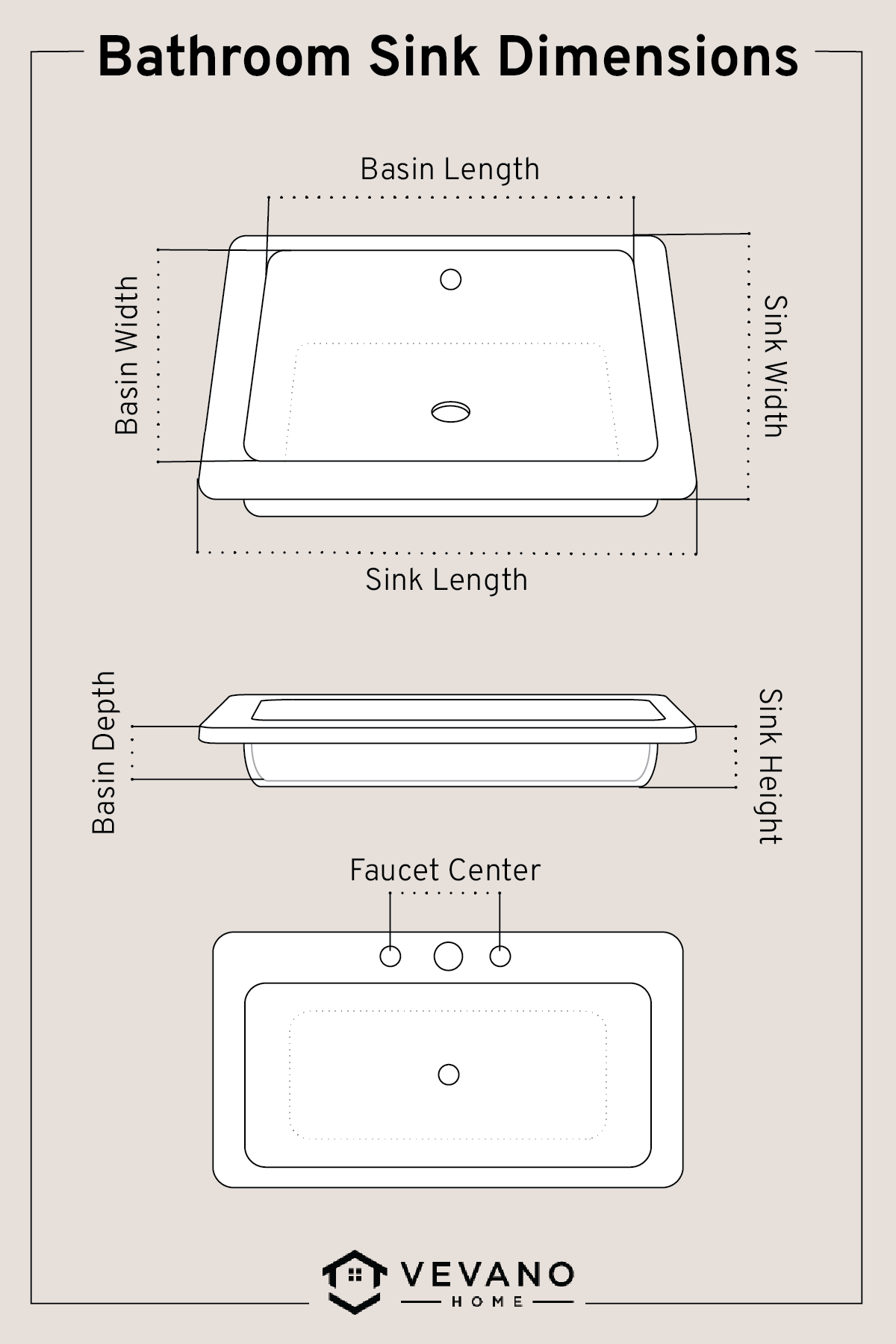
Start by measuring from the front edge to the back wall. Use a tape measure for precision. Ensure the tape is straight and taut. This measurement determines how far the vanity will protrude. It affects the available floor space.
Accounting For Overhang
Consider any overhangs on the vanity top. Measure from the cabinet edge to the overhang’s end. Include the overhang in the total depth measurement. This ensures proper fit and alignment. Overhangs add style but require careful measurement.
Credit: vevano.com
Considering Plumbing
Measuring a bathroom vanity involves more than just width and height. Plumbing plays a crucial role. It affects the vanity’s fit and functionality. Proper planning ensures a smooth installation process. Ignoring plumbing can lead to costly mistakes. Let’s explore important plumbing considerations.
Space For Pipes
Pipes take up space behind and below the vanity. Measure the distance from the wall to the plumbing outlets. Ensure there is enough space for all pipes. Check for any obstructions or unusual pipe placements. This helps avoid installation surprises. Consider the depth of your vanity to accommodate pipes comfortably.
Evaluating Sink Position
The sink’s position affects plumbing layout. Determine if the sink is centered or offset. Align the sink with existing pipes for easy installation. A misaligned sink can require costly plumbing adjustments. Confirm the sink’s dimensions fit within your vanity space. This ensures a seamless look and functionality.
Evaluating Storage Needs
Choosing the right bathroom vanity involves more than just style. Storage plays a crucial role in functionality. A well-organized vanity ensures that all your essentials are within reach. It helps to maintain a tidy and clutter-free bathroom.
Understanding your storage needs is vital. Let’s explore how to assess cabinet space and drawer dimensions effectively.
Cabinet Space
Start by evaluating the cabinet space. Consider the items you need to store. Towels, cleaning supplies, and toiletries are common essentials. Measure the height, width, and depth of the cabinet. This ensures it can accommodate your items. Think about adjustable shelves. They offer flexible storage solutions.
Consider the door style, too. Swing doors need space to open fully. Sliding doors can save space in smaller bathrooms. Ensure the cabinet design suits your bathroom layout.
Drawer Dimensions
Drawers offer easy access to frequently used items. Measure the width, depth, and height of each drawer. This helps determine what can fit inside. Consider the number of drawers available. More drawers mean more organization options.
Check if the drawers are full-extension. Full-extension drawers allow you to use the entire space. Consider drawer dividers. They help keep items organized. Dividers prevent clutter and make it easier to find things.

Credit: www.angi.com
Checking Clearances
When you’re gearing up to measure your bathroom vanity, checking clearances is crucial. Clearances ensure your vanity fits comfortably in your space without hindering movement or functionality. They help avoid frustrating scenarios where doors won’t open fully or you bump into things while navigating your bathroom. You don’t want to fall in love with a vanity only to realize it won’t work in your space. Let’s dive into two key clearance aspects you should consider: door and drawer opening, and pathway space.
Door And Drawer Opening
Imagine you’re trying to access your vanity and the drawers won’t open properly. Annoying, right? This is where measuring door and drawer clearances come into play. Ensure that when the doors swing open or the drawers slide out, they don’t hit walls or other fixtures.
Consider measuring the maximum extension of drawers and doors. Use a tape measure to check the distance they need to open fully. It’s also wise to verify if plumbing or electrical outlets will obstruct the opening. You might find unexpected barriers that could cause trouble later.
Think about your daily routine. How often do you need access to certain drawers or cabinets? You’ll want quick and easy access without hassle. Ensuring proper clearance means everything stays seamless and functional.
Pathway Space
Have you ever stubbed your toe because you misjudged space? It’s not a pleasant experience. Ensuring ample pathway space around your vanity is vital for comfort and safety. You need enough room to move freely without feeling cramped.
Measure the space between your vanity and other fixtures like the toilet or shower. Consider the width of the area and ensure it aligns with your movement needs. If you have a narrow bathroom, every inch counts in making it feel spacious.
A practical tip is to walk through the space as if you’re using it. Does it feel comfortable? Are you able to navigate without awkward turns? Think about how your pathway can affect daily usage and ensure it’s optimized for easy flow.
By focusing on these clearance checks, you’re not just measuring a bathroom vanity; you’re crafting a space that enhances your daily routine. What might seem minor now can make a world of difference in your future bathroom experience. Have you considered these factors in your bathroom planning?
Finalizing Measurements
Finalizing measurements for your bathroom vanity is a crucial step that determines the fit and functionality of your new space. Accurate measurements prevent costly mistakes and ensure that your vanity complements the bathroom layout perfectly. As you approach this stage, it’s essential to verify every figure and visualize the setup in a tangible way.
Double-checking Figures
Before you commit to any purchase, take the time to double-check the measurements. It’s easy to overlook minor discrepancies that can lead to major installation issues. Use a tape measure to verify the width, height, and depth of your desired vanity space. Check these against your bathroom layout.
Have you considered the plumbing and electricity lines? Ensure they align with your vanity’s design. A slight miscalculation can mean the difference between a seamless fit and a frustrating setup. Double-checking figures might save you from unexpected expenses.
Creating A Sketch
Visualizing your bathroom vanity in a sketch can be a game changer. Grab a pencil and paper, or use a digital tool to draw a rough layout of your bathroom. Mark where the vanity will be placed. This sketch helps you understand the spatial dynamics.
In my experience, sketching revealed surprising insights about the flow of space. I realized I had room for extra shelving, which I hadn’t initially considered. Would you discover an unexpected opportunity in your space too? A sketch solidifies your plans and acts as a reference during installation.
Finalizing measurements involves careful attention to detail and a bit of creativity. Have you explored every angle? Double-check your measurements and create a visual representation to ensure your bathroom vanity fits perfectly into your new or existing space.
Frequently Asked Questions
What Tools Are Needed To Measure A Vanity?
To measure a bathroom vanity, you’ll need a tape measure, a pencil, and paper. A level can also be helpful for accuracy. Ensure you measure width, height, and depth accurately to avoid errors. These tools will help you get precise measurements for a proper fit.
How Do You Measure Vanity Width?
To measure vanity width, start at one end and measure to the other. Ensure you measure the widest part of the vanity. This helps in understanding space requirements and ensuring the vanity fits well. Accurate width measurement is crucial for installation and functionality.
Why Is Measuring Vanity Depth Important?
Measuring vanity depth is crucial for ensuring it fits in your bathroom space. Depth affects storage capacity and clearance space. Measure from the front edge to the back wall. This ensures a proper fit and prevents any obstruction with doors or pathways.
How To Measure Vanity Height Accurately?
To measure vanity height, start from the floor to the top of the countertop. This ensures you accommodate plumbing fixtures and user comfort. Typical vanity heights range from 30 to 36 inches. Accurate height measurement is essential for ergonomic use and visual appeal.
Conclusion
Measuring a bathroom vanity is easy with the right steps. Follow the guide above to ensure accuracy. Measure width, height, and depth carefully. Double-check your numbers. Use a tape measure for precision. Always keep your bathroom layout in mind. This helps with fitting.
Remember, correct measurements lead to a perfect fit. It avoids costly mistakes. Take your time with each step. Accuracy matters in creating your dream bathroom. With these tips, you’re ready to measure confidently. Enjoy your bathroom transformation journey!

Home Improvement Specialist & Writer at HomeFixio
Caden Rutherford is a seasoned home improvement specialist with extensive hands-on experience in residential construction, renovations, and design. With a keen eye for detail and a passion for transforming spaces, Caden shares practical advice and expert solutions to enhance the functionality and beauty of homes. As a writer for HomeFixio, Caden combines technical knowledge with creative flair, providing readers with informative guides on everything from structural improvements to aesthetic upgrades, empowering homeowners to achieve their ideal living spaces.