How to Season Carbon Steel Wok: Expert Tips
Imagine you’re about to whip up a sizzling stir-fry, but your trusty carbon steel wok isn’t quite living up to its potential. There’s a secret that transforms a simple wok into a culinary powerhouse: seasoning.
If you’ve ever struggled with food sticking or uneven cooking, you’re not alone. Seasoning your wok can be the game-changer you’ve been missing. It not only enhances performance but also adds an irresistible depth of flavor to your dishes. Curious about how to unlock this magic?
You’re in the right place. This guide will walk you through the easy steps to season your carbon steel wok, ensuring every meal is a delicious success. Let’s turn your wok into the kitchen hero it was meant to be.
Credit: cjeatsrecipes.com
Choosing The Right Oil
Seasoning a carbon steel wok is crucial for its longevity and performance. Choosing the right oil plays a significant role in achieving a perfect seasoning. The oil you select impacts the flavor and non-stick qualities of your wok. Let’s explore the best options for seasoning your wok.
What Makes An Oil Suitable For Seasoning?
Not all oils are suitable for seasoning a wok. High smoke points are essential. Oils with low smoke points will burn and leave a sticky residue. This affects the seasoning process negatively. Choose oils that can withstand high temperatures. This ensures a smooth and durable coating.
Best Oils For Seasoning A Wok
Flaxseed oil is a popular choice for wok seasoning. It creates a hard, durable layer. Grapeseed oil is another excellent option. It has a high smoke point and neutral flavor. Canola oil is also widely used. It’s affordable and readily available. Peanut oil offers a traditional option with a high smoke point.
Avoid These Oils For Seasoning
Avoid olive oil for wok seasoning. Its low smoke point makes it unsuitable. Butter and coconut oil should also be avoided. They can leave sticky residues and spoil the seasoning.
How Much Oil To Use?
A little oil goes a long way. Use a thin layer to coat the wok. Excess oil can lead to a sticky surface. Wipe away any extra oil with a paper towel. Ensure only a light sheen remains.
Final Thoughts On Choosing Oil
Choose oils with high smoke points for effective seasoning. This ensures a long-lasting and non-stick surface. Selecting the right oil is the first step in caring for your wok.

Credit: www.instructables.com
Preparing The Wok
Seasoning a carbon steel wok involves cleaning it thoroughly with warm soapy water. Dry completely and apply a thin layer of oil. Heat the wok on medium-high until it starts to smoke, then let it cool. Repeat the process to build a protective non-stick layer.
Preparing your carbon steel wok for seasoning is an essential step to ensure it serves you well in the kitchen. A well-prepared wok not only enhances your cooking experience but also extends the life of your cookware. Let’s dive into the steps you need to follow to get your wok ready for seasoning.
Cleaning The Surface
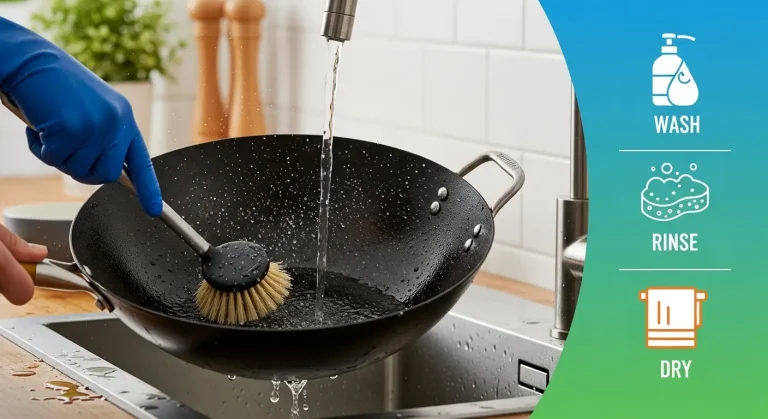
Before seasoning, it’s crucial to start with a clean slate. New woks often come with a protective coating of oil or wax to prevent rust during shipping. You need to remove this coating by thoroughly scrubbing the wok with warm, soapy water. Use a soft sponge or brush to avoid scratching the surface. Pay attention to the entire interior and exterior. Once cleaned, rinse off the soap thoroughly to ensure no residue is left behind.
Drying Thoroughly
After cleaning, drying your wok is the next step. Moisture can cause rust, which is the last thing you want on your new cookware. Use a clean kitchen towel to wipe the wok dry immediately. To ensure it’s completely dry, place it on a stove over low heat. This extra step evaporates any remaining moisture. Keep the wok on the heat for a few minutes until you’re sure it’s dry. Preparing your wok well sets the foundation for successful seasoning. It’s like preparing the canvas before painting. Have you ever rushed through preparation and regretted it later? Taking the time now ensures a non-stick, rust-resistant surface that makes cooking enjoyable.
Heating Techniques
Seasoning a carbon steel wok ensures durability and enhances cooking quality. Proper heating techniques are essential for effective seasoning. Two common methods include stove top heating and using an oven. Each technique has its benefits. Let’s explore these methods step by step.
Stove Top Heating
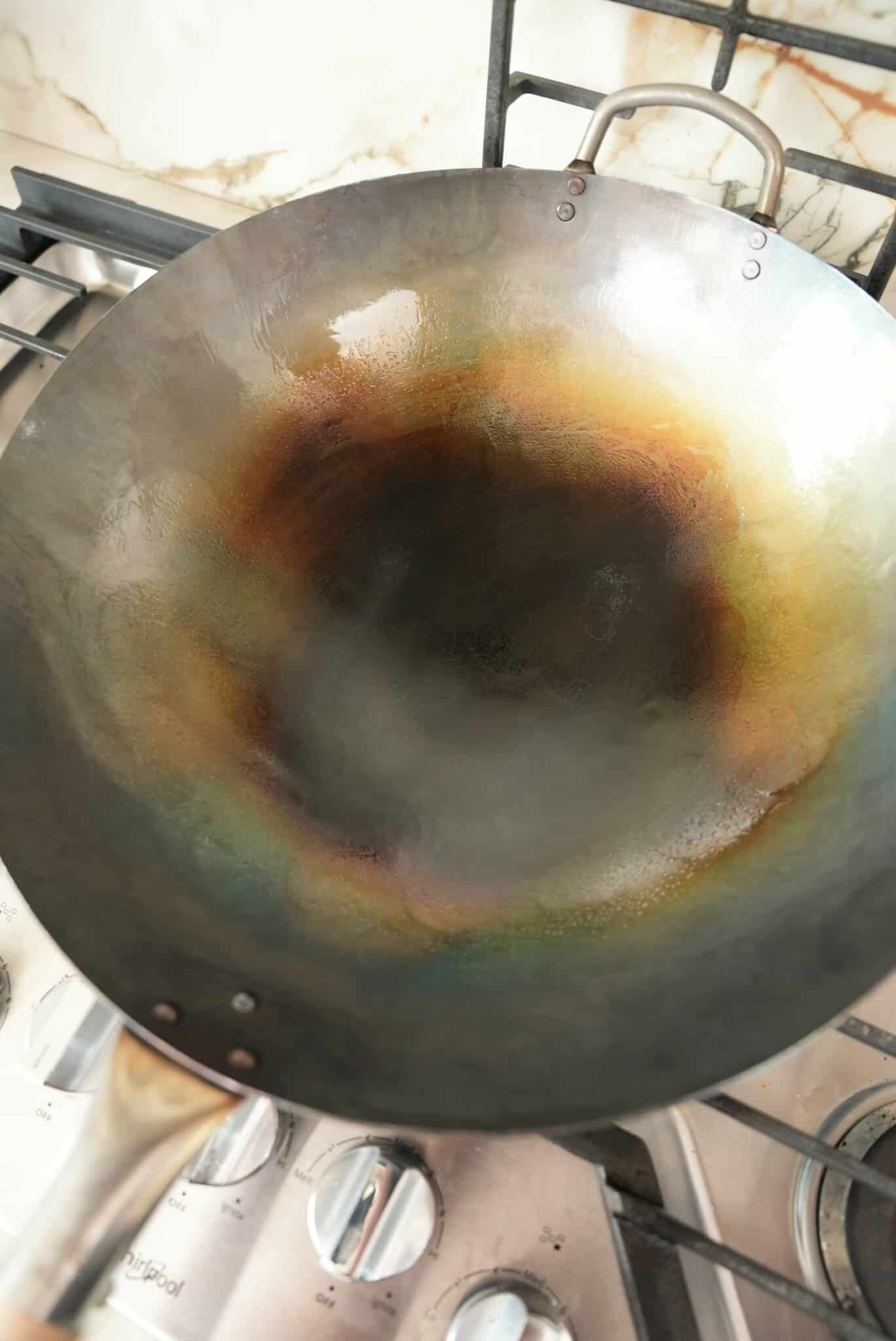
Stove top heating offers control and efficiency. Begin by washing the wok with warm water. Dry it completely with a towel. Place the wok on the stove over medium heat. Allow it to heat until you see a light smoke. This process helps remove any manufacturing residue.
Once the smoke appears, add a small amount of oil. Use oil with a high smoke point, like vegetable oil. Spread the oil evenly across the surface using a paper towel. Continue heating until the oil starts to smoke. This ensures the wok is well-seasoned.
Remove the wok from heat and let it cool. Repeat this process several times for the best results. Each cycle builds a protective layer. This layer enhances cooking and prevents rust.
Using An Oven
Using an oven for seasoning provides even heat distribution. Start by preheating the oven to 400°F (200°C). Wash the wok thoroughly and dry it. Apply a thin coat of oil across the wok’s surface. Use a paper towel for even coverage.
Place the wok upside down on an oven rack. This prevents excess oil from pooling. Insert a tray below to catch any drips. Bake the wok for about an hour. This allows the oil to bond with the metal.
Turn off the oven and let the wok cool inside. Repeat the process for a stronger seasoning. Each session enhances the wok’s non-stick properties. This method is ideal for consistent seasoning.
Credit: www.reddit.com
Applying The Oil
Applying a thin layer of oil is crucial for seasoning a carbon steel wok. Use a paper towel to spread oil evenly, ensuring the entire surface is coated. This step helps prevent rust and enhances the wok’s cooking performance.
Seasoning your carbon steel wok is a crucial step to ensure it performs perfectly in the kitchen. It not only prevents food from sticking but also helps in building a natural non-stick surface over time. Applying the oil is a simple yet essential part of this process. The right technique can transform your wok into a reliable cooking companion. Let’s dive into how you can effectively apply oil to your wok.
Using A Brush Or Cloth
Using a brush or cloth to apply oil is often the preferred method. Brushes are great because they allow you to reach every nook and cranny of the wok. Cloths, on the other hand, can help you spread the oil more evenly. Just ensure that the cloth is lint-free to avoid leaving fibers on your wok’s surface. Whether you choose a brush or a cloth, make sure it’s clean and dry. This ensures that nothing unwanted gets into the oil or onto the wok.
Ensuring Even Coverage
Even coverage is key to a well-seasoned wok. You don’t want some areas to be over-oiled while others are left dry. Think about painting a wall; you would want every part to be covered evenly. The same principle applies here. Start by adding a small amount of oil—just enough to lightly coat the surface. As you apply the oil, be mindful of the wok’s curvature. It might be tricky at first, but with practice, you’ll get the hang of it. Remember, patience is your friend. If you rush, you might miss spots. Applying oil correctly can make or break your wok seasoning process. Have you ever wondered why some woks become sticky over time? It often boils down to uneven oil application. Take your time, enjoy the process, and watch your wok transform into a perfect cooking tool.
Creating The Initial Layer
Starting with the right oil is crucial for seasoning a carbon steel wok. Heat the wok until it smokes. Apply a thin layer of oil, spreading it evenly. Repeat this process several times to create a strong base layer. This helps prevent rust and improves cooking performance.
Creating the Initial Layer on your carbon steel wok is like setting the foundation for a masterpiece. This first layer is crucial because it lays the groundwork for a non-stick surface, making your cooking experiences smoother and more enjoyable. Imagine being able to effortlessly glide your stir-fry across the wok without it sticking or burning. The secret lies in how you build this initial layer and the attention you give to the details. Let’s dive into the essential steps that will ensure your wok becomes the reliable kitchen companion you desire.
Building A Base Layer
To start, wash your new carbon steel wok with warm soapy water to remove any factory coating. Dry it thoroughly with a towel; you want no moisture left behind. Heat your wok on the stove until it reaches a medium temperature. This prepares the surface for oil absorption. Using a paper towel, apply a thin layer of high-smoking point oil like canola or grapeseed. Too much oil can lead to uneven seasoning, so aim for a light coating.
Avoiding Sticky Residue
Ever faced a sticky residue after seasoning your wok? It’s often due to excess oil or low heat. Keep your oil layer thin and your heat consistent to prevent this. Ensure your wok is hot enough to bake the oil into the surface. A warm, not smoking-hot, wok is ideal for this process. Repeat the oiling and heating process 2-3 times. Each cycle strengthens the layer, providing a smoother surface. What’s your biggest wok seasoning challenge? Addressing this can transform your cooking experience, making it more enjoyable and stress-free. Don’t hesitate to experiment a bit and find what works best for you.
Repeating The Process
Repeating the seasoning process for your carbon steel wok is crucial. It builds up a solid, non-stick surface over time. This process enhances the wok’s performance. A single seasoning layer isn’t enough for durability. Multiple layers ensure longevity. With proper care, your wok will deliver years of delicious meals.
Multiple Coats For Durability
Apply several thin coats of oil for a strong seasoning layer. Each coat strengthens the wok’s non-stick properties. Thin layers provide even coverage and prevent peeling. A well-seasoned wok cooks food evenly. Aim for at least three layers. Patience pays off with a perfectly seasoned wok.
Cooling Between Layers
Allow the wok to cool completely between each seasoning layer. This cooling step is vital for proper adhesion. Rushing this process can lead to uneven seasoning. Ensure the wok reaches room temperature. Only then apply the next oil layer. This patience ensures a smooth, durable surface.
Maintaining The Seasoning
Seasoning a carbon steel wok involves coating it with oil and heating until it smokes. This process creates a natural non-stick layer, enhancing flavor and preventing rust. Regular maintenance ensures a long-lasting, well-seasoned wok ready for delicious stir-fries.
Maintaining the seasoning on your carbon steel wok can transform your cooking experience, ensuring that your favorite meals glide smoothly and taste incredible. The seasoning is not just a one-time affair; it’s an ongoing relationship between you and your wok. Keeping that glossy layer intact enhances the wok’s performance and longevity. Here’s how you can effectively maintain it.
Cleaning After Use
After each use, clean your wok properly to preserve its seasoning. Avoid using soap or harsh cleaning agents as they strip away the protective layer. Instead, use hot water and a soft sponge to gently remove food particles. Dry your wok immediately to prevent rust. You can place it over low heat on the stove for a few minutes. This ensures all moisture evaporates, safeguarding your wok’s seasoning. Have you ever noticed rust spots appearing out of nowhere? This simple drying step could be the game changer.
Reapplying Oil Periodically
Reapplying oil is crucial for maintaining a well-seasoned wok. After cleaning and drying, apply a thin layer of oil to the surface. Use a paper towel to spread it evenly, covering the entire surface of the wok. Choose oils with a high smoke point, like vegetable or canola oil. These oils withstand high heat without burning, keeping the seasoning intact. Have you ever felt like your food sticks more than it should? Reapplying oil might be the missing step. Creating a routine for these steps ensures your wok is always ready for the next culinary adventure. What kind of meals do you enjoy cooking in your wok? Knowing what works best can inspire you to keep that seasoning in perfect shape.
Common Mistakes To Avoid
Many skip washing the wok with warm soapy water before seasoning. Others apply too much oil, causing stickiness. Some forget to heat evenly, leading to uneven seasoning.
When you’re learning how to season a carbon steel wok, it’s easy to make mistakes that can affect the quality of your cooking. These mistakes might seem minor but can lead to a sticky surface or uneven seasoning. Let’s dive into some common missteps and how you can avoid them.
Overheating The Wok
Overheating your wok is a mistake many beginners make. You might think cranking up the heat will speed up the seasoning process, but it can actually warp the metal. This can lead to uneven cooking and make your wok difficult to use. Consider using a medium heat setting. It allows the oil to bond properly with the wok surface without damaging it. Have you ever noticed a burnt smell while seasoning? That’s a sign you’re overheating.
Using Soap Or Abrasives
It’s tempting to scrub your wok with soap to get it clean. However, doing so can strip away the seasoning layer you worked hard to build. Soap breaks down oils, which is the exact opposite of what you want when seasoning. Instead, use hot water and a soft sponge. Gentle cleaning preserves the seasoning layer. If bits of food are stuck, soak the wok in hot water for a few minutes and try again. Did you know a well-seasoned wok develops a natural non-stick surface over time? Soap can hinder this process. By avoiding these common mistakes, your wok will become a reliable kitchen tool. It can enhance your cooking experience and help you prepare delicious meals. What changes will you make to your seasoning routine?
Frequently Asked Questions
What Is The Best Oil For Seasoning A Wok?
The best oil for seasoning a wok is one with a high smoke point, such as vegetable, grapeseed, or flaxseed oil. These oils create a durable, non-stick layer. Avoid oils with low smoke points as they can create a sticky surface.
How Often Should I Season My Carbon Steel Wok?
Season your carbon steel wok every few months or when it starts to lose its non-stick surface. Regular seasoning maintains its durability and enhances its cooking performance. If you notice food sticking, it’s a sign to re-season.
Can I Use My Wok Immediately After Seasoning?
Yes, you can use your wok immediately after seasoning. Once seasoned, rinse it with warm water and dry thoroughly. Avoid using soap as it can strip away the seasoning. Your wok is now ready for cooking delicious meals.
Why Does My Wok Rust After Seasoning?
Your wok may rust due to improper drying or storage. Ensure it is completely dry before storing. Store in a dry place to prevent moisture build-up. If rust appears, scrub it off and re-season to restore the protective layer.
Conclusion
Seasoning a carbon steel wok is simple and effective. A well-seasoned wok enhances flavor and cooking. Wash it gently to remove factory oil. Dry thoroughly to prevent rust. Heat the wok until smoking hot. Add oil and swirl it around.
Use a paper towel to spread evenly. Repeat this process for perfect seasoning. A seasoned wok adds depth to your dishes. Enjoy cooking with your wok for years. Keep it clean and dry always. Your meals will taste better with a seasoned wok.
Happy cooking!

Home Improvement Expert & Senior Writer at HomeFixio
Eliot Granger is a seasoned home improvement expert with years of experience transforming living spaces. Specializing in everything from kitchen renovations to bathroom upgrades, Eliot shares his knowledge through practical, insightful articles. His passion for creating functional, beautiful homes drives him to offer expert tips and solutions for every corner of your house. As a trusted writer for HomeFixio, Eliot is dedicated to helping homeowners make informed decisions and achieve precision in their projects.