Do You Have to Season a Wok: Essential Tips Unveiled
Have you ever wondered why your stir-fried vegetables don’t taste as delicious as those from your favorite Asian restaurant? The secret might lie in a well-seasoned wok.
Seasoning your wok is not just an optional step; it’s a crucial practice that can transform your cooking experience. By creating a natural non-stick surface and enhancing flavors, seasoning your wok becomes an essential ritual for any culinary enthusiast. But how do you know if this is necessary for your kitchen adventures?
Let’s dive into the world of woks and uncover the magic behind seasoning. You might be surprised by how a simple change can elevate your dishes to new heights. Ready to unlock the potential of your wok and boost your cooking game? Keep reading to find out!
Importance Of Seasoning A Wok
Seasoning a wok is crucial for creating delicious stir-fries and Asian dishes. It enhances the wok’s non-stick surface, ensuring food doesn’t stick. Seasoning also prevents rust and extends the wok’s lifespan. A well-seasoned wok improves the flavor of each dish cooked in it. It’s a must for anyone who loves authentic Asian cooking.
Why Seasoning Affects Cooking Performance
A seasoned wok offers a superior cooking experience. The oil forms a protective layer, reducing food sticking. This non-stick surface allows for even cooking and makes cleaning easier. Food slides smoothly, retaining its texture and taste. A seasoned wok heats evenly, making every dish better.
Enhancing The Wok’s Longevity
Seasoning plays a key role in extending a wok’s life. It prevents rust, which can damage the wok. The oil seals the metal, protecting it from moisture. This means your wok will last longer, saving you money in the long run. A well-maintained wok can become a cherished kitchen tool.
Boosting Flavor With Every Use
A seasoned wok adds depth to your dishes. The oils used in seasoning seep into the metal, enriching flavors. Each use enhances the seasoning, making the wok better over time. This creates a unique taste profile that enhances every meal. You’ll notice a difference in flavor with a properly seasoned wok.
Creating A Natural Non-stick Surface
Seasoning creates a natural non-stick surface on the wok. This is healthier compared to chemical non-stick coatings. Food cooks evenly without excessive oil. It’s perfect for health-conscious cooks. The seasoned surface is easy to maintain and clean. It ensures your wok remains in top condition.
Benefits Of A Well-seasoned Wok
A well-seasoned wok enhances flavors and prevents food from sticking. It heats evenly, making cooking efficient and quick. Proper seasoning creates a natural non-stick surface, perfect for stir-frying.
A well-seasoned wok offers multiple benefits in your kitchen. It enhances cooking and makes meals more enjoyable. Understanding these benefits can transform your cooking experience. Here are some reasons why seasoning your wok is important.Enhanced Flavor
A seasoned wok adds depth to your dishes. The seasoning process creates a unique layer. This layer absorbs flavors over time. Each meal cooked in the wok contributes to this. It makes your stir-fries taste richer and more authentic.Non-stick Surface
A seasoned wok naturally develops a non-stick surface. It reduces the need for excess oil. Foods glide smoothly without sticking. This makes cooking and cleaning easier. It also promotes healthier meals.Improved Longevity
Seasoning extends the life of your wok. It creates a protective layer against rust. This layer strengthens the wok over time. A well-maintained wok can last for years. It’s an investment in durability and quality.Types Of Woks
Choosing the right wok can significantly impact your cooking experience and results. Whether you’re a novice or a seasoned chef, understanding the types of woks available can help you make an informed decision. Each wok type has its unique characteristics and benefits. So, let’s dive into the three main types and see which one might be the perfect fit for your kitchen.
Carbon Steel Woks
Carbon steel woks are the go-to choice for many professional chefs. They heat up quickly and provide excellent temperature control. This makes them ideal for stir-frying and quick-cooking methods.
However, carbon steel woks require seasoning to prevent rust and create a non-stick surface. If you’re willing to put in a little effort, these woks can become your kitchen favorite. Have you ever experienced the joy of flipping vegetables in a perfectly seasoned wok?
Cast Iron Woks
Cast iron woks offer unmatched heat retention, making them perfect for slow-cooked dishes. They maintain consistent temperatures, which is great for evenly cooking meats and stews.
Unlike carbon steel, cast iron woks need a bit more care and seasoning. But if you appreciate the rustic charm and durability of cast iron, this might be your choice. Imagine serving a hearty stew cooked in a cast iron wok to impress your guests!
Stainless Steel Woks
Stainless steel woks are known for their durability and ease of maintenance. They do not require seasoning, which saves you time and effort.
However, they might not offer the same heat responsiveness as carbon steel or cast iron. If you prioritize convenience and don’t mind a little extra oil for non-stick cooking, stainless steel could be your answer. Have you considered how a simple switch to stainless steel might streamline your cooking routine?
Choosing the right wok ultimately depends on your cooking style and preferences. So, which type resonates most with your culinary adventures?
Credit: cjeatsrecipes.com
Steps To Season A Wok
Seasoning a wok is crucial for enhancing its non-stick surface and flavor. This process helps create a protective layer that prevents rusting. It’s an essential step in preparing your wok for cooking. Follow these simple steps to season your wok effectively.
Cleaning The Wok
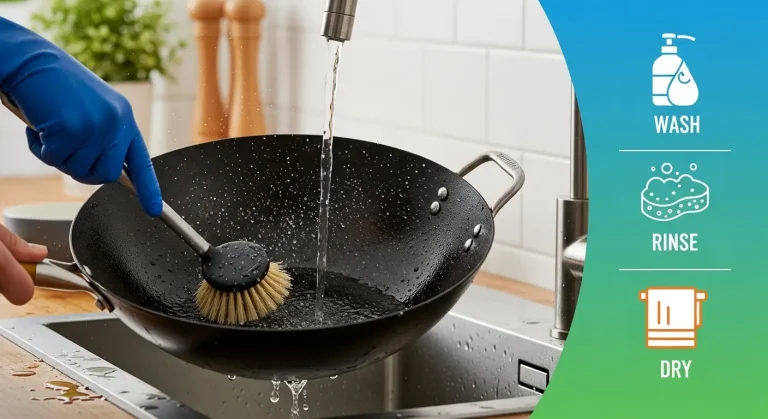
Start by cleaning the wok thoroughly. Use warm water and mild soap. Scrub gently with a sponge to remove any factory oils. Rinse the wok and dry it completely with a clean towel.
Heating The Wok
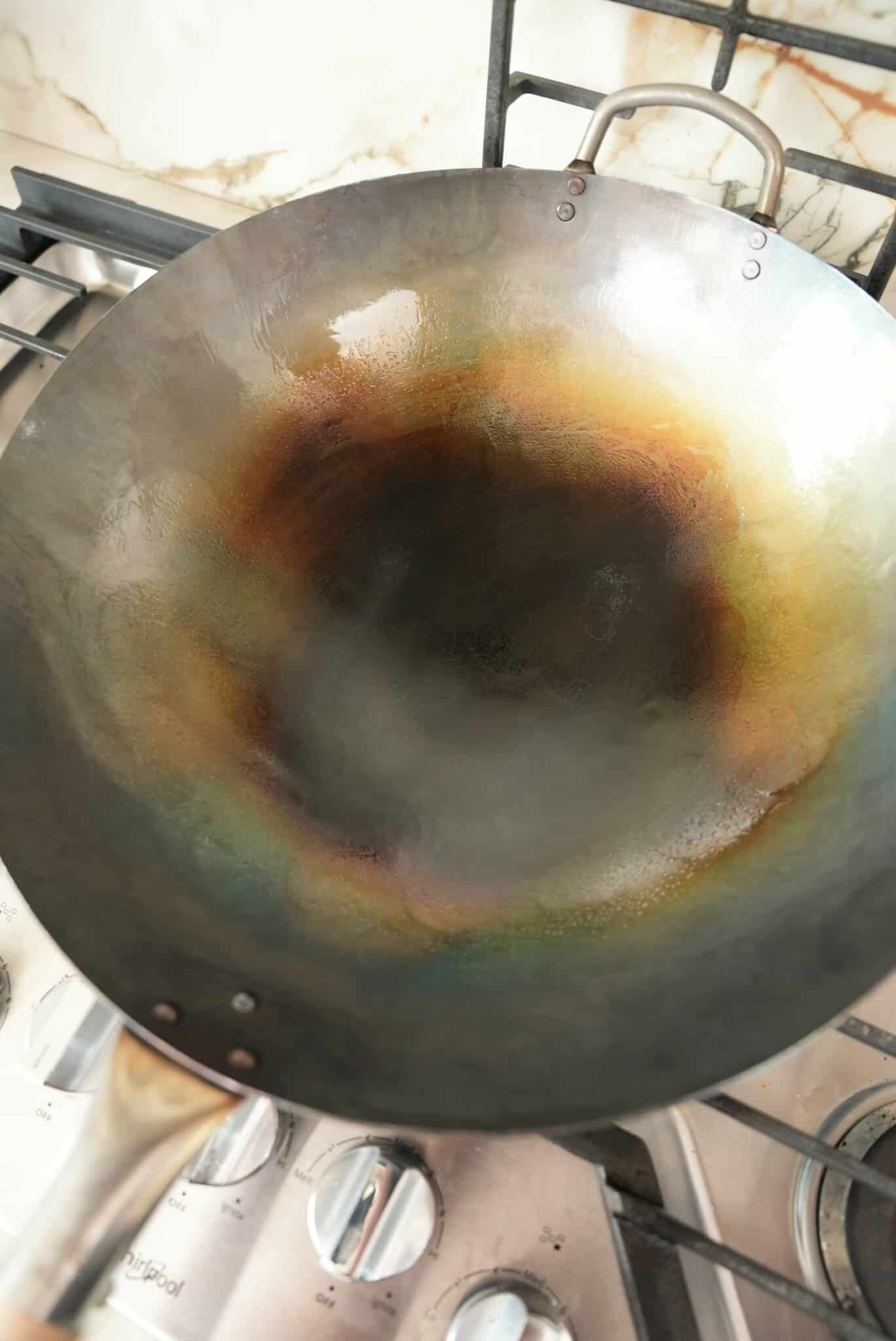
Place the wok on the stove over medium heat. Allow the wok to heat until it smokes slightly. This helps open the pores of the metal. Heating prepares the surface for oil absorption.
Applying Oil
Add a thin layer of vegetable oil to the heated wok. Use a paper towel to spread the oil evenly. Coat every part of the wok, including the sides. Ensure the oil is distributed without pooling.
Creating A Patina
Continue heating the oiled wok until it smokes again. This helps the oil bond with the metal. Repeat the oiling and heating process three times. This creates a smooth, durable patina on the wok surface.
Common Mistakes In Seasoning
Many skip seasoning their wok, risking food sticking and uneven cooking. A proper seasoning creates a smooth, non-stick surface, enhancing flavors. Avoid using soap; it removes the protective layer, making the wok prone to rust.
Seasoning a wok is a crucial step to ensure it performs well and lasts long. However, many people make common mistakes that can affect the wok’s efficiency and durability. Understanding these errors will help you avoid them and keep your wok in optimal condition. Let’s dive into some of these common pitfalls.Using Too Much Oil
It’s easy to think more oil equals better seasoning, but that’s not the case. Excessive oil can lead to a sticky surface rather than a smooth, non-stick finish. You only need a thin layer. Picture this: You’re excited to season your new wok, pour in a generous amount of oil, only to find it gummy and hard to clean later. Stick to a few tablespoons and spread it evenly. Less is more here.Skipping Heating Process
Some might think oil alone will do the trick, but heating is essential. It allows the oil to polymerize and bond with the wok’s surface, creating the desired non-stick layer. Without this, the seasoning won’t last. You might feel tempted to skip this step when you’re in a hurry. However, heating the wok until it smokes ensures the oil sets properly. Your patience pays off with a long-lasting, reliable wok.Inadequate Cleaning
Before seasoning, cleaning the wok thoroughly is crucial. Residual food particles or soap can interfere with the seasoning process. They can create uneven patches, affecting your cooking. Have you ever seasoned a wok only to notice patches where food sticks? This is often due to leftover debris. Scrub it clean with a gentle brush and avoid any soap residues. A clean start leads to a perfect finish. Avoiding these common mistakes can make all the difference in your wok’s performance. Have you made any of these errors in the past? What steps will you take to improve your seasoning process?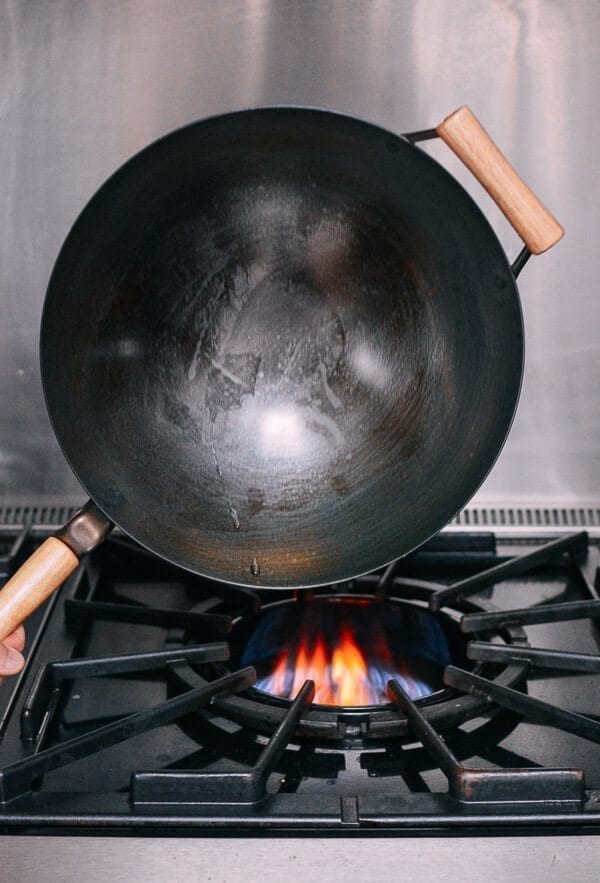
Credit: thewoksoflife.com
Maintaining The Seasoned Wok
Seasoning a wok is essential to create a natural non-stick surface. It protects the wok from rust and enhances flavor. Regular maintenance ensures longevity and superior cooking results.
Maintaining a seasoned wok is essential for long-lasting performance. A well-seasoned wok enhances flavors and prevents sticking. It also protects against rust. This guide will help you keep your wok in top condition. Follow these simple steps to enjoy your cooking tool for years.Regular Cleaning Tips
After each use, rinse the wok with warm water. Use a soft sponge to remove food particles. Avoid using soap, which can strip the seasoning. Dry the wok thoroughly with a clean towel. Moisture can cause rust. Once dry, apply a thin layer of oil. This maintains the seasoning.Re-seasoning Techniques
Occasional re-seasoning keeps the wok in prime condition. Begin by cleaning the wok thoroughly. Heat it on the stove until hot. Add a small amount of oil. Spread the oil with a paper towel. Coat the entire surface evenly. Heat the wok until it starts to smoke. This process strengthens the non-stick layer.Avoiding Rust
Rust can damage your wok. Keep your wok dry at all times. After washing, dry it immediately. Store the wok in a dry place. Avoid placing it in damp areas. If rust appears, gently scrub with a steel wool pad. Re-season the wok to restore the protective layer. This ensures your wok remains rust-free.Choosing The Right Oil For Seasoning
Selecting the best oil for seasoning a wok is crucial for enhancing its non-stick surface. Opt for oils with high smoke points like canola or grapeseed. These oils withstand high heat, helping to build a durable and effective seasoning layer on your wok.
Choosing the right oil for seasoning your wok is crucial. It affects not only the durability of your wok but also the flavor of your dishes. The right oil can make or break your stir-fry experience, so it’s essential to choose wisely.High Smoke Point Oils
The smoke point of an oil is the temperature at which it starts to smoke and break down. For seasoning a wok, you’ll want an oil with a high smoke point. Oils like grapeseed, peanut, and canola are excellent choices. They can handle the high temperatures needed for seasoning without breaking down. Have you ever noticed a burnt smell when cooking? That’s often because the oil’s smoke point has been exceeded. Consider this: would you rather have a wok that lasts years or one that needs frequent re-seasoning? Opting for high smoke point oils can be the difference.Flavor Considerations
While smoke point is critical, flavor should not be overlooked. Some oils, like olive oil, have a strong taste that might not complement all dishes. If you want the seasoning to be neutral, choose oils like canola or vegetable oil. These oils won’t impart any unwanted flavors, allowing the natural taste of your ingredients to shine. On the other hand, if you’re a fan of nutty undertones, sesame oil could be your go-to. Imagine the delightful aroma filling your kitchen each time you cook. What flavor profile do you want your wok to bring out in your meals? Choosing the right oil is not just about functionality, it’s about enhancing your cooking experience. Your wok should serve as a trusty companion, bringing out the best in every dish you create.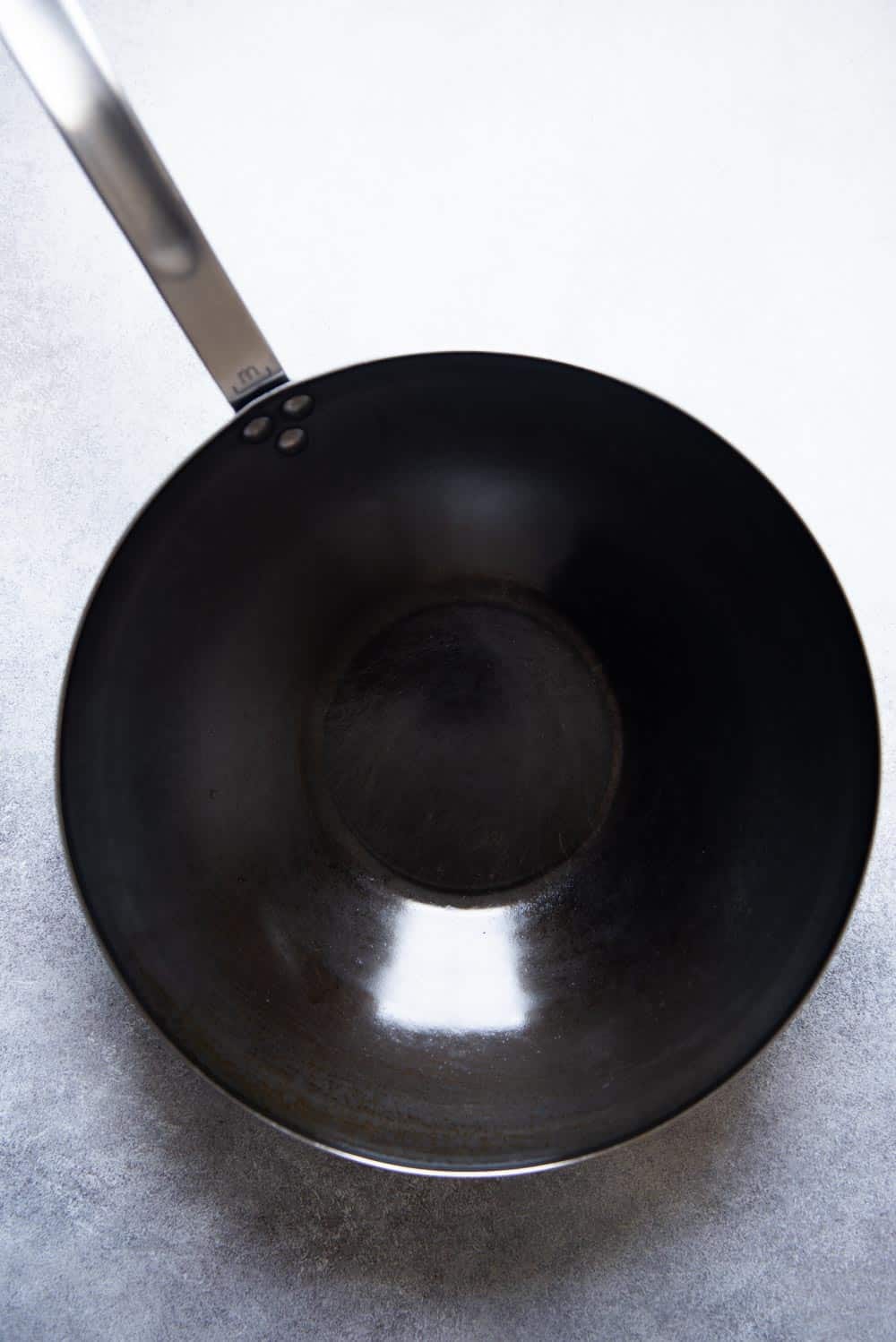
Credit: healthynibblesandbits.com
Frequently Asked Questions
Why Should You Season A Wok?
Seasoning a wok prevents rust and enhances flavor. It creates a non-stick surface for cooking. This process also helps develop a patina, adding depth to your dishes. Proper seasoning extends the wok’s lifespan. It also makes cleaning easier by preventing food from sticking.
How Often Should You Season A Wok?
Season a new wok before its first use. Regular cooking helps maintain its seasoning. Re-season if the wok looks rusty or food starts sticking. Frequent use with oil naturally seasons the wok. Check its surface periodically to ensure it’s well-maintained.
Can You Cook Without Seasoning A Wok?
Cooking without seasoning a wok is possible but not ideal. Food might stick, making cleaning difficult. Seasoning improves cooking results and prevents rust. It enhances the wok’s non-stick properties. Seasoning is crucial for achieving authentic flavors in stir-fried dishes.
What Oil Is Best For Seasoning A Wok?
Choose oils with high smoke points like vegetable or grapeseed oil. These oils withstand high heat and coat the wok well. Avoid using butter or olive oil, as they can burn easily. A thin layer of oil is enough for effective seasoning.
Conclusion
Seasoning a wok enhances its cooking performance and longevity. It creates a natural non-stick surface, perfect for stir-fries. A seasoned wok heats evenly, ensuring delicious meals every time. The process is simple and rewarding. Just wash, dry, and coat with oil.
Then heat and repeat. Your wok becomes an essential kitchen tool. Its flavors improve over time, adding depth to your dishes. Regular seasoning keeps it rust-free. Follow these steps and enjoy cooking with your wok. Experience its benefits and make it a cherished part of your kitchen.
Happy cooking!

Home Improvement Expert & Senior Writer at HomeFixio
Eliot Granger is a seasoned home improvement expert with years of experience transforming living spaces. Specializing in everything from kitchen renovations to bathroom upgrades, Eliot shares his knowledge through practical, insightful articles. His passion for creating functional, beautiful homes drives him to offer expert tips and solutions for every corner of your house. As a trusted writer for HomeFixio, Eliot is dedicated to helping homeowners make informed decisions and achieve precision in their projects.