How to Season a Wok on Electric Stove: Expert Tips
Imagine unlocking the full potential of your kitchen by mastering the art of seasoning a wok on your electric stove. Seasoning a wok is not just a culinary skill; it’s a gateway to enhancing flavors and elevating your cooking experience.
You might be wondering how this can be done efficiently on an electric stove, a tool often overlooked in the world of wok cooking. But fear not, this guide is here to help you transform your wok into a non-stick powerhouse, ready to create delicious, authentic dishes.
Discover the secrets to achieving a beautifully seasoned wok that will make your stir-fries, noodles, and sauces burst with flavor. As you read on, you’ll find simple, step-by-step instructions that will empower you to take control of your cooking. Get ready to impress yourself and others by turning your kitchen into a hub of mouthwatering culinary creations.
Choosing The Right Wok
Seasoning a wok on an electric stove is easy and crucial for non-stick cooking. Heat the wok until smoking, add oil, and swirl to coat evenly. This process creates a protective layer, enhancing flavor and durability.
Choosing the right wok is crucial for achieving the perfect seasoning and ensuring your cooking experience is enjoyable and effective. The variety available can be overwhelming, yet understanding the key factors will simplify your decision. Let’s dive into the essential elements you should consider before making your purchase.Material Considerations
When selecting a wok, material plays a pivotal role. Carbon steel is a popular choice due to its lightweight nature and excellent heat conduction. However, it requires regular seasoning to prevent rust. Stainless steel is another option. It’s durable and easy to clean but doesn’t provide the same heat distribution as carbon steel. Some people choose cast iron woks for their ability to retain heat well. These are heavier and can be more challenging to handle, but they develop a natural non-stick surface over time.Size And Shape Preferences
The size of your wok should match the meals you plan to prepare. A 12 to 14-inch wok is versatile for most households. If you often cook for a large group, consider a larger size. The shape of the wok also affects cooking. A flat-bottom wok is ideal for electric stoves, ensuring even contact with the heating surface. This design prevents wobbling and allows for more controlled cooking. A round-bottom wok, while traditional, might require a wok ring to stabilize it on an electric stove. Consider how often you’ll use it and your stove type when deciding. Have you ever thought about why the size and shape matter so much? It’s not just about fitting your stove or kitchen space. It’s about enhancing your cooking style and efficiency. Choosing a wok isn’t just a purchase; it’s an investment in your culinary journey. By considering material, size, and shape, you ensure that the wok you choose will be a trusty companion in your kitchen adventures.Initial Cleaning Process
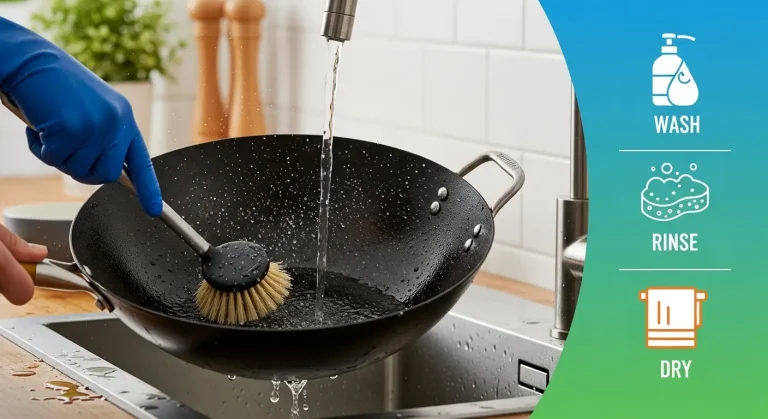
Begin by scrubbing the wok with warm water and a gentle sponge. Remove any factory oil or residue. Ensure the surface is clean before seasoning on an electric stove.
Seasoning a wok on an electric stove might seem like a daunting task, especially if you’re new to the world of wok cooking. However, the process begins with something simple yet crucial: the initial cleaning. This step sets the stage for a successful seasoning process by preparing your wok for optimal performance. If you’ve ever wondered how to get your wok ready for seasoning, you’re in the right place. Let’s dive into the essential first steps of cleaning your wok.Removing Factory Coating
When you get a new wok, it’s likely covered with a factory coating to prevent rust during shipping. This layer needs to be removed before seasoning. Start by washing the wok with warm, soapy water. Use a sponge or a soft scrubber to gently clean the surface. Once the soap has done its job, rinse the wok thoroughly to ensure no residue remains. It’s important to dry the wok completely with a towel. Water spots can lead to rust, which is something you want to avoid from the get-go.Tools And Materials Needed
Gathering the right tools and materials makes the initial cleaning process straightforward. You’ll need: – Dish soap: A mild soap works best for removing the factory coating. – Sponge or soft scrubber: Avoid using abrasive materials that could scratch the wok. – Clean towel: Essential for drying the wok thoroughly. – Baking soda (optional): If the factory coating is stubborn, a paste of baking soda and water can help. Think of these tools as your wok-cleaning arsenal. Having them ready before you start can save you time and effort. Have you ever underestimated the importance of proper cleaning? Skipping this initial step could hinder the seasoning process. A well-cleaned wok ensures that the oil you use for seasoning adheres properly, creating a non-stick surface. These initial steps might seem simple, but they lay the foundation for a well-seasoned wok. With your wok properly cleaned, you’re one step closer to creating delicious meals with ease. Are you ready to tackle the next step in seasoning your wok?Preparing The Electric Stove
Seasoning a wok on an electric stove starts with cleaning the wok thoroughly. Heat the stove to medium-high and add a thin layer of oil. Let it heat until the oil begins to smoke, then wipe it with a paper towel.
Repeat to create a non-stick surface, ensuring your wok is ready for delicious dishes.
Preparing the electric stove is a crucial step in seasoning a wok. An electric stove requires special attention to ensure even heat distribution. The key is to manage the stove’s temperature correctly. This step is essential for achieving the best results.Setting The Correct Temperature
Adjusting the temperature is important when using an electric stove. Set the stove to medium-high heat. This helps maintain consistent heat without overheating. Let the wok heat gradually to avoid sudden temperature changes. Consistent heat is necessary for proper seasoning.Safety Precautions
Safety is vital while preparing the electric stove. Ensure the stove area is clear of clutter. This prevents accidental fires. Use oven mitts or heat-resistant gloves. These protect your hands from burns. Keep a fire extinguisher nearby. It’s a precautionary measure in case of emergencies.Seasoning Techniques
Seasoning a wok on an electric stove requires careful techniques. This process enhances the wok’s non-stick surface. It also adds flavor to your dishes. Proper seasoning ensures your wok lasts longer. It’s an essential step for wok maintenance. Let’s explore the best seasoning techniques.
Oil Selection
Choosing the right oil is crucial. Use oils with high smoke points. Peanut oil is a great option. It withstands high heat without burning. Canola oil is another choice. Avoid olive oil. It burns easily and leaves a sticky residue. Selecting the right oil affects the seasoning quality. It ensures a smooth, non-stick surface.
Heating And Cooling Cycles
Heating and cooling cycles are vital for seasoning. Start by heating the wok on medium-high heat. This opens the metal’s pores. Once heated, add your chosen oil. Spread it evenly across the surface. Let the oil heat until it smokes lightly. Turn off the stove and let the wok cool. Repeat this cycle two to three times. Each cycle strengthens the seasoning layer. Proper cycles create a durable non-stick surface.
Creating A Non-stick Surface
Seasoning a wok on an electric stove creates a non-stick surface for cooking. Heat the wok, apply a thin oil layer, and let it smoke. Repeat this process a few times for best results. This helps prevent food from sticking and enhances flavor in dishes.
Creating a Non-Stick Surface Have you ever wondered why your stir-fry sticks to the wok despite all your efforts? It’s all about the seasoning. Creating a non-stick surface on your wok can transform your cooking experience, making it smoother and more enjoyable. Seasoning is crucial, especially when using an electric stove, as it helps distribute heat evenly across the wok’s surface. Let’s delve into the essential steps of seasoning your wok, focusing on layering oil coats and managing time and temperature.Layering Oil Coats
The secret to a non-stick surface lies in layering oil coats effectively. Begin by cleaning your wok thoroughly to remove any factory residues. Once clean, heat your wok on the electric stove until it starts to smoke slightly. Use a paper towel or a cloth to apply a thin coat of oil to the entire surface. Choose oils with high smoke points like vegetable or peanut oil for best results. Let the oil heat until it begins to smoke, then wipe it off with another clean paper towel. Repeat this process several times. Each layer adds to the protective coating, ensuring food slides off effortlessly. Have you tried this technique, and did it change your cooking experience?Time And Temperature Management
Getting the timing and temperature right is crucial to successful seasoning. Start by setting your electric stove to medium heat. It’s essential not to rush the process, as a gradual heat allows the oil to bond perfectly with the wok’s surface. Monitor the wok closely; the time it takes to smoke may vary based on its size and material. Adjust the heat as needed, keeping it steady to avoid overheating. This might seem like a meticulous process, but patience pays off. Have you ever noticed how a slight change in temperature can affect your cooking outcome? Ensuring the correct time and temperature will lead to a beautifully seasoned wok, ready for any culinary challenge. By following these steps, you can enjoy the delight of stir-fries gliding off the surface with ease. The process might be simple, but its impact on your cooking is profound. Ready to give it a try on your electric stove?
Credit: www.reddit.com
Maintaining Your Wok
Seasoning a wok on an electric stove keeps it non-stick and rust-free. Clean the wok thoroughly first. Then, heat it until it smokes slightly. Apply a thin oil layer and spread evenly. Let it cool, then wipe off excess oil.
Repeat until a shiny, protective layer forms.
Maintaining Your Wok Keeping your wok in top condition ensures that every dish you prepare in it is nothing short of delicious. A well-maintained wok not only enhances flavor but also prolongs its lifespan. But how do you keep your wok in pristine condition, especially when using an electric stove?Regular Cleaning Tips
After each use, clean your wok while it’s still warm. Use warm water and a soft sponge to remove food particles. Avoid using soap, as it can strip away the seasoning. If you encounter stubborn residue, fill the wok with hot water and let it sit for a few minutes. Then, gently scrub with a bamboo brush or a non-abrasive pad. Dry the wok completely with a towel to prevent rusting.Re-seasoning When Necessary
Even with regular use, your wok may occasionally need re-seasoning. You’ll know it’s time if food starts to stick more than usual or if you notice any rust spots. To re-season, heat your wok on the electric stove until it smokes slightly. Apply a thin layer of oil using a paper towel, ensuring you cover all surfaces. Continue heating until the oil polymerizes, creating a new protective layer. Re-seasoning can seem daunting, but it’s a simple process that revives your wok’s non-stick properties. Consider it a small investment of time for the reward of perfectly cooked meals. Have you ever thought about how maintaining your wok can affect your cooking? Regular upkeep can make a significant difference in the quality of your dishes. How do you ensure your kitchen tools stay in peak condition?Common Mistakes
Failing to clean a wok before seasoning can lead to unwanted residues. Another common mistake is using too much oil, which can cause a sticky surface. Avoid overheating, as it may warp the wok.
Seasoning a wok on an electric stove can be a rewarding kitchen ritual, but it’s easy to make mistakes that can affect your cooking experience. Many home cooks have faced setbacks when seasoning their wok for the first time. Understanding these common mistakes can save you time and effort, ensuring your wok becomes a reliable cooking companion.Overheating The Wok
A frequent misstep is overheating the wok during seasoning. You might think cranking up the heat will speed up the process, but this can actually warp the metal. I once learned this the hard way—my wok ended up with a noticeable wobble, making it unstable on the stove. Keep the heat moderate to high but not maximum. This ensures even seasoning without damaging your wok. Pay attention to how the wok changes color; a golden-brown hue indicates it’s ready for the next step.Using Incorrect Oils
Choosing the right oil is crucial. Some oils have low smoke points and can leave a sticky residue on your wok. I once used olive oil, thinking it was a healthy choice, but it left my wok with a tacky surface that required extra cleaning. Opt for oils with high smoke points like grapeseed, canola, or peanut oil. These oils form a better non-stick layer and are less likely to burn. Have you ever found your food sticking stubbornly to the wok, despite your efforts? It might be due to the oil you used during seasoning. Correcting this can elevate your stir-frying game to a whole new level. Avoiding these common mistakes makes the difference between a frustrating experience and a seamless, enjoyable cooking session. Your properly seasoned wok will be a joy to use, letting you focus on creating delicious meals.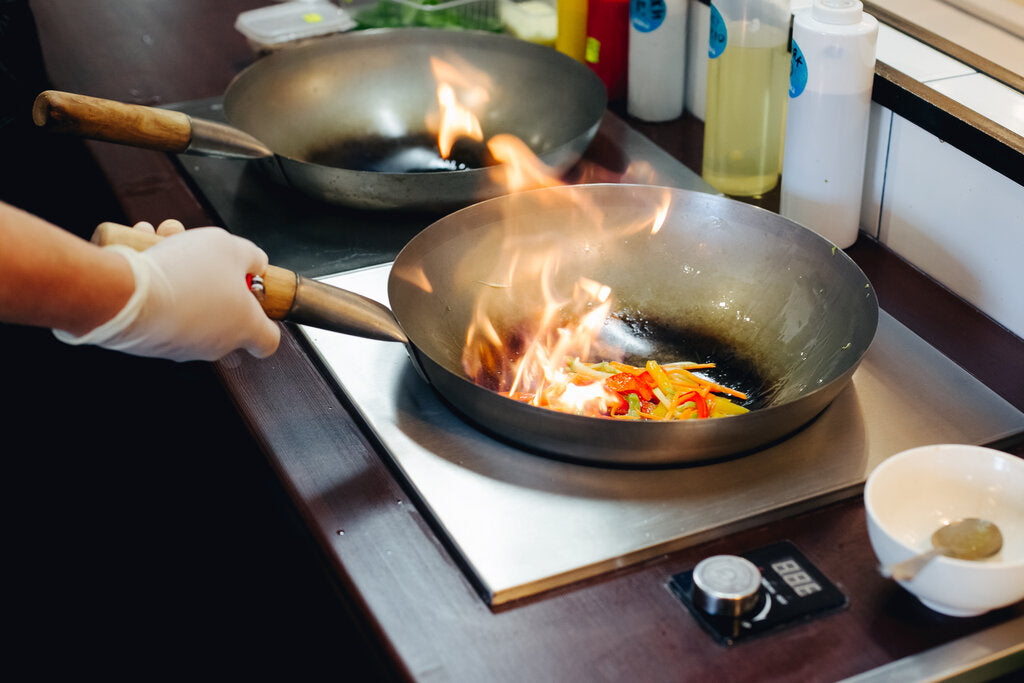
Credit: unocasa.com
Expert Tips For Longevity
Seasoning a wok on an electric stove involves more than the initial process. Maintaining its condition ensures your wok serves you well over time. Explore these expert tips for longevity to keep your wok in prime shape.
Avoiding Metal Utensils
Metal utensils can scratch the wok’s surface. Scratches can strip away the seasoning layer. Use wooden or silicone tools instead. They are gentle and preserve the wok’s finish. This simple switch extends the life of your wok.
Proper Storage Practices
Storing your wok properly is crucial. Moisture can damage the seasoned surface. Keep your wok in a dry place. Consider hanging it on a rack. This prevents rust and keeps the wok ready for use. A little care makes a big difference.

Credit: yosukata.com
Frequently Asked Questions
What Is The Best Oil For Seasoning A Wok?
The best oils for seasoning a wok are high-smoke point oils. Use vegetable, canola, or grapeseed oil. These oils withstand high heat and create a durable, non-stick surface. Avoid using olive oil, as it has a low smoke point.
Can You Season A Non-stick Wok?
Seasoning a non-stick wok isn’t necessary. Non-stick woks come pre-coated with a non-stick layer. Seasoning them might damage the coating. It’s best to follow the manufacturer’s care instructions for maintaining a non-stick wok’s performance.
How Often Should You Season A Wok?
Season your wok every few months or as needed. Regular use can wear down the seasoning. If food starts sticking, it’s time to re-season. Consistent seasoning maintains a non-stick surface, ensuring optimal cooking performance.
Do You Wash A Wok After Seasoning It?
Avoid washing a wok with soap immediately after seasoning. Instead, use hot water and a soft sponge. Soap can strip away the seasoning. After cleaning, dry the wok thoroughly and apply a thin layer of oil to protect it.
Conclusion
Seasoning a wok on an electric stove is simple. Follow these steps for success. First, clean and dry your wok properly. Next, apply oil evenly. Heat it gradually. Watch for smoke and cool down slowly. Repeat if needed. Your wok becomes non-stick and flavorful.
Cooking gets easier and tastier over time. The process enhances your meals. Enjoy stir-frying with your seasoned wok. Practice makes perfect. Now, you’re ready to explore new recipes. Remember, a well-seasoned wok lasts long. Happy cooking!

Home Improvement Expert & Senior Writer at HomeFixio
Eliot Granger is a seasoned home improvement expert with years of experience transforming living spaces. Specializing in everything from kitchen renovations to bathroom upgrades, Eliot shares his knowledge through practical, insightful articles. His passion for creating functional, beautiful homes drives him to offer expert tips and solutions for every corner of your house. As a trusted writer for HomeFixio, Eliot is dedicated to helping homeowners make informed decisions and achieve precision in their projects.