How Much Bean Bag Filler Do I Need: A Complete Guide
Are you planning to refresh your old bean bag or set up a new cozy spot in your living room? One of the first questions that might pop into your mind is, “How much bean bag filler do I need?”
Getting this right can mean the difference between sinking into a cloud of comfort or feeling like you’re sitting on a lumpy mess. But don’t worry! This guide is here to help you find the perfect amount of filler for your bean bag.
By the end, you’ll be armed with the knowledge to make your bean bag as comfy and supportive as possible. Keep reading to discover the secret to achieving the perfect balance and maximizing your bean bag bliss!

Credit: wilsondorset.com
Choosing The Right Filler Type
Choosing the right bean bag filler influences comfort and durability. Consider size, material, and density for optimal support. Common fillers include foam, beads, and recycled materials. Adjust based on personal preference and intended use.
Choosing the right filler type for your bean bag can make a world of difference in comfort and durability. Are you puzzled about which filler suits your needs best? Let’s explore various options to help you make an informed decision.Polystyrene Beads
Polystyrene beads are the classic choice for bean bags. They are lightweight and provide excellent support. Imagine sinking into a bean bag that contours perfectly around you. These beads are cost-effective and easy to refill. However, they tend to compress over time, requiring occasional topping up. If you prioritize affordability and ease of maintenance, polystyrene beads are a solid option.Memory Foam
Memory foam offers a luxurious feel that molds to your body shape. Ever dreamt of a bean bag that feels like a hug? Memory foam delivers just that. It’s heavier than polystyrene, providing a firm yet cozy experience. Though more expensive, its durability means fewer refills. Consider memory foam if you crave comfort and don’t mind investing a little more upfront.Natural Fillers
Natural fillers, like beans or rice, offer a sustainable alternative. They’re heavier and provide a unique texture and stability. Picture relaxing on a bean bag that smells fresh and earthy. These fillers can be less responsive, but they are eco-friendly and biodegradable. If sustainability is your priority, natural fillers might be your perfect match. Choosing the right filler is about balancing your priorities. Is it comfort, cost, or sustainability? Your choice will shape how much you love your bean bag.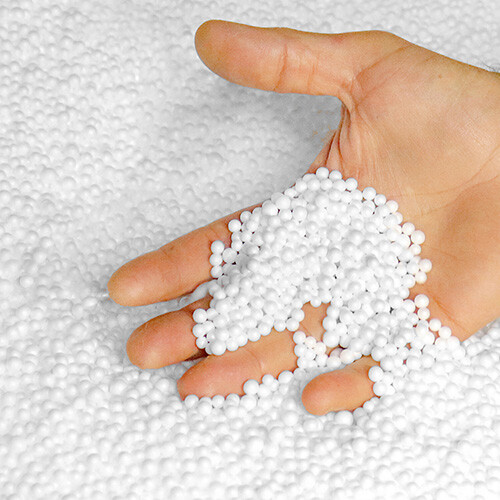
Credit: ocean-tamer.com
Determining Filler Quantity
Understanding how much bean bag filler you need can be tricky. It depends on several factors. The size and shape of your bean bag are crucial. Different bean bags need different amounts of filler. Too much filler can make it uncomfortable. Too little can make it flat. Getting the right amount is essential for comfort and appearance.
Measuring Your Bean Bag
First, measure your bean bag. Use a measuring tape for accuracy. Measure the length, width, and height. Note these dimensions down. They help in calculating the volume. Different shapes require different measurements. Round bean bags need diameter and height. Square ones need length, width, and height.
Volume Calculations
Next, calculate the volume of your bean bag. For a round bag, use the formula: 4/3 × π × radius³. For a square or rectangular bag, multiply length by width by height. This gives the volume in cubic feet. Knowing the volume helps determine the filler amount.
Standard Filler Quantities
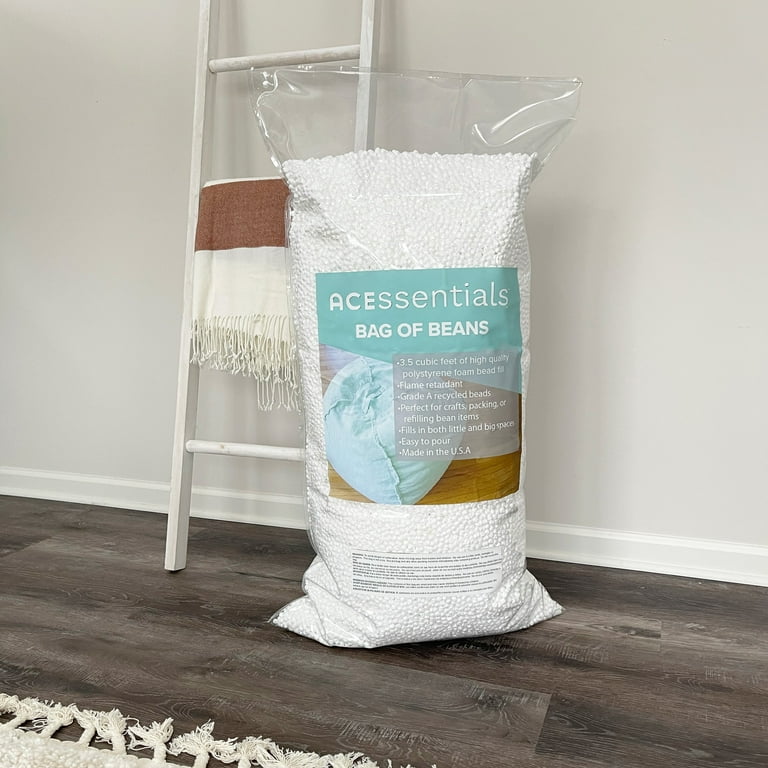
Bean bag fillers come in standard quantities. Most fillers are sold in cubic feet. A small bean bag might need 2-3 cubic feet. Medium bags often need 4-5 cubic feet. Large bean bags can require 6 or more cubic feet. Check your bean bag label for recommendations. Always buy a little extra filler. It’s better to have more than less.
Factors Affecting Filler Needs
Determining the right amount of bean bag filler can be a bit of a puzzle. It’s not just about filling it up until it looks good; several factors come into play. Understanding these aspects can make your bean bag comfy and just perfect for relaxation. Let’s dive into the details that will help you choose the right filler amount.
Bean Bag Shape And Size
The shape and size of your bean bag are crucial. A round bean bag may need different filler compared to an elongated one. Picture this: a large, round bean bag is like a vast empty space requiring more filler to maintain its form, while a compact, cube-shaped one might need less. Consider measuring the dimensions of your bean bag first. This helps you estimate how much filler can snugly fit inside. Have you ever tried to fill a bean bag only to realize you didn’t have enough filler? It’s frustrating! Knowing the shape and size avoids these mishaps.
Desired Firmness
Firmness is a personal preference. Do you want your bean bag to be soft and pliable or firm and supportive? More filler usually means a firmer bean bag. But remember, too firm might not be comfortable for everyone. Experiment with firmness by adding filler gradually. Sit on it and adjust as needed. I once overfilled my bean bag thinking it would be more supportive, only to end up with a rock-hard seat. It’s a balancing act, and your comfort is the priority.
Filler Compression Over Time
Bean bag filler compresses over time. This means the bean bag might lose its plumpness and support after a while. Anticipate this by accounting for extra filler when you first fill your bean bag. You might think you’ve filled it adequately, but after a few months, it could start sagging. Keep some extra filler handy for topping up as needed. It’s like having spare change for parking meters—you never know when you’ll need it!
Think about these factors carefully. They can save you from the disappointment of a saggy bean bag or the discomfort of a too-firm seat. What’s your bean bag story? Share your experiences and learn from others to get the perfect fill every time!
Filler Replenishment Tips
Bean bags are a fantastic addition to any room, offering comfort and style. However, over time, they may lose their bounce and shape, requiring a filler refresh. Keeping your bean bag plump and comfy is not just about throwing in more filler. It’s an art that involves knowing when and how to add the right amount. Let’s delve into the details with some practical tips on filler replenishment.
Signs You Need More Filler
Imagine you’re sinking into your bean bag, and instead of a cozy hug, you’re touching the ground. That’s a clear sign you need more filler. If your bean bag looks more like a deflated balloon than a comfy chair, it’s time for replenishment.
Another indicator is the presence of lumps and uneven surfaces. A well-filled bean bag should have a uniform shape. If you notice any sagging or flat areas, it’s calling out for a refill.
How To Add Filler
Adding filler can be a fun activity, but it requires precision. First, find a spacious area to work in. Bean bag pellets can be messy, so a controlled environment helps manage spills.
Open your bean bag carefully. Many have zippers or Velcro openings. Slowly pour the filler into the bag, using a funnel if possible. This reduces the mess and ensures even distribution.
Fill a little at a time, then test the comfort. Sit on it and adjust as needed. A bean bag should feel supportive yet soft. You might need to add more or remove some filler to achieve the perfect balance.
Have you tried letting your kids help? Their enthusiasm can make the process enjoyable, and you’ll get to teach them about maintaining household items. Plus, it’s a great bonding activity.
So, how much filler is enough? There’s no one-size-fits-all answer. It depends on your bean bag’s size and your comfort preference. Start with small additions and adjust accordingly.
By keeping an eye on these signs and following the right steps, you’ll ensure your bean bag remains a cherished spot in your home.
Cost Considerations
Determining how much bean bag filler you need involves considering costs. The price of filler can vary based on type, brand, and quantity. Understanding cost considerations helps you make an informed choice. Whether you’re on a tight budget or planning for the future, assessing your options is vital.
Budget-friendly Options
For those watching expenses, budget-friendly fillers are available. Polystyrene beads are often the cheapest choice. They provide comfort without breaking the bank. Look for bulk buying deals to save money. Recycled materials can also be cost-effective. These options help you fill your bean bag without overspending.
Long-term Investment
If durability matters, consider higher quality fillers. Memory foam offers long-lasting comfort. It retains shape and supports better than beads. While upfront costs are higher, longevity saves money. Investing in quality filler can reduce replacement frequency. Think about the long-term benefits of spending more now.
Environmental Impact
Choosing the right bean bag filler affects more than comfort and style. It also impacts the environment. Understanding these effects helps make eco-friendly choices. This can reduce waste and promote sustainability. Let’s explore how different fillers affect the planet.
Eco-friendly Filler Choices
Eco-friendly fillers are gaining popularity. They often come from natural or recycled materials. Organic buckwheat hulls are a good choice. They are biodegradable and renewable. Recycled foam beads reduce landfill waste. They offer a soft, supportive feel. Some companies offer plant-based foam. This reduces reliance on petroleum products. Always check if the filler is certified eco-friendly.
Recycling And Disposal
Disposing of bean bag fillers can harm the environment. Consider recycling options first. Many fillers, like foam beads, can be recycled. Check local recycling centers for rules. If recycling isn’t possible, dispose of fillers responsibly. Avoid releasing them into the environment. This prevents pollution and protects wildlife. Think about reusing fillers in creative projects. Or donate them for community use. Being mindful of disposal helps preserve the planet.
Safety Precautions
Calculating the right amount of bean bag filler is crucial for comfort and safety. Consider the size of your bean bag to estimate how many liters of filler are needed. Ensure you follow safety precautions when handling the filler to avoid inhalation or spillage.
When it comes to filling your bean bag, safety should never be an afterthought. While the process might seem straightforward, there are crucial precautions to consider. Whether you’re handling the filler or ensuring a safe environment for kids and pets, these steps are essential to prevent accidents.Handling Filler Safely
Handling bean bag filler requires care. These tiny pellets can be tricky to manage. It’s easy for them to spill and scatter everywhere, turning your cozy project into a cleanup nightmare. Use a funnel or a similar device to pour the filler. This minimizes spills and keeps things tidy. Always work in a spacious area to give yourself room to maneuver. Keep filler bags away from open windows and fans. A sudden gust of wind can send tiny beads flying across the room. It’s like trying to catch a cloud—frustrating and nearly impossible.Child And Pet Safety
Children and pets are naturally curious. To them, bean bag filler might look like a fun new toy or an intriguing snack. But these tiny beads can pose a choking hazard or cause intestinal blockages if ingested. Store filler bags out of reach. Consider using a lockable storage container for added security. It’s a simple step that can prevent a serious accident. When filling your bean bag, keep children and pets in a separate room. You might think you have everything under control, but their sudden appearance can lead to spills or worse. Have you ever watched a toddler attempt to clean up a spill? It’s usually more mess than progress. By keeping them away during the process, you maintain control and ensure safety. By taking these precautions, you ensure a smooth and safe experience. How do you plan to implement these safety measures in your next bean bag project?
Credit: www.amazon.com
Frequently Asked Questions
How Much Bean Bag Filler Is Needed For A Medium Size?
For a medium-sized bean bag, you’ll typically need around 100 to 150 liters of filler. The exact amount depends on the bag’s design and desired firmness. Always refer to the manufacturer’s recommendations for the best results. Filling too much or too little can affect comfort and durability.
What Type Of Bean Bag Filler Should I Use?
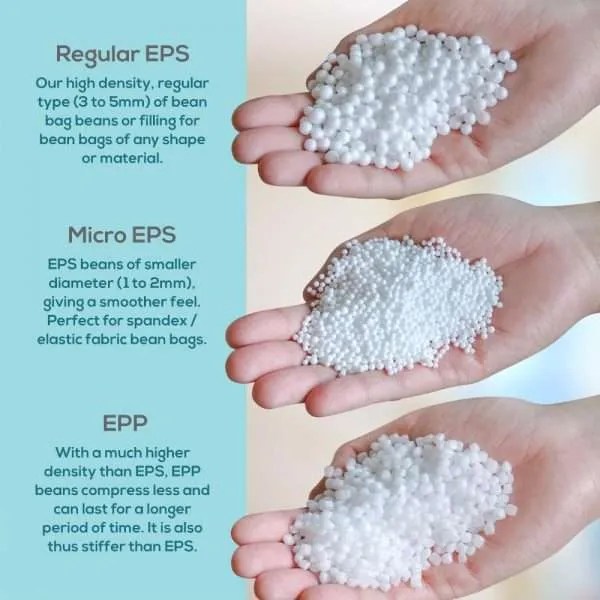
Common fillers include EPS beads, memory foam, and EPP beads. EPS beads are lightweight and affordable, while memory foam offers a plush feel. EPP beads are durable and eco-friendly. Choose based on comfort preference, budget, and environmental considerations. Always ensure the filler is safe and non-toxic.
How Often Should I Refill My Bean Bag?
Refill your bean bag every 6 to 12 months, depending on usage. Frequent use might require more frequent refilling to maintain comfort and support. Monitor the bag’s firmness and adjust accordingly. Over time, fillers compress and lose volume, making regular top-ups essential for longevity.
Can I Mix Different Fillers In A Bean Bag?
Yes, mixing fillers can enhance comfort and support. Combining EPS beads with memory foam provides both structure and softness. Ensure compatibility for the best results. Mixing can also extend the life of your bean bag and offer a customized feel.
Always test combinations for desired comfort.
Conclusion
Choosing the right bean bag filler is important. It affects comfort and style. Measure your bean bag carefully. Calculate the volume needed. Consider the type of filler. Styrofoam beads are common. Memory foam offers more support. Adjust as needed for personal preference.
Too much filler can be uncomfortable. Too little might lose shape. Balance is key for a cozy experience. Experiment to find what suits best. Always check product instructions. Enjoy a comfortable bean bag. Relax and unwind in style.

Home Interior Design & Renovation Expert at HomeFixio
Sierra Wellington is a skilled home interior designer with extensive experience in plumbing, fittings, and home renovations. Having worked on numerous residential projects, Sierra specializes in creating functional and aesthetically pleasing spaces. With a keen eye for design and a deep understanding of the technical aspects of home improvement, he provides expert advice on everything from layout planning to fixture installations. As a writer for HomeFixio, Sierra shares his practical insights and creative solutions, helping homeowners elevate their spaces with precision and style.