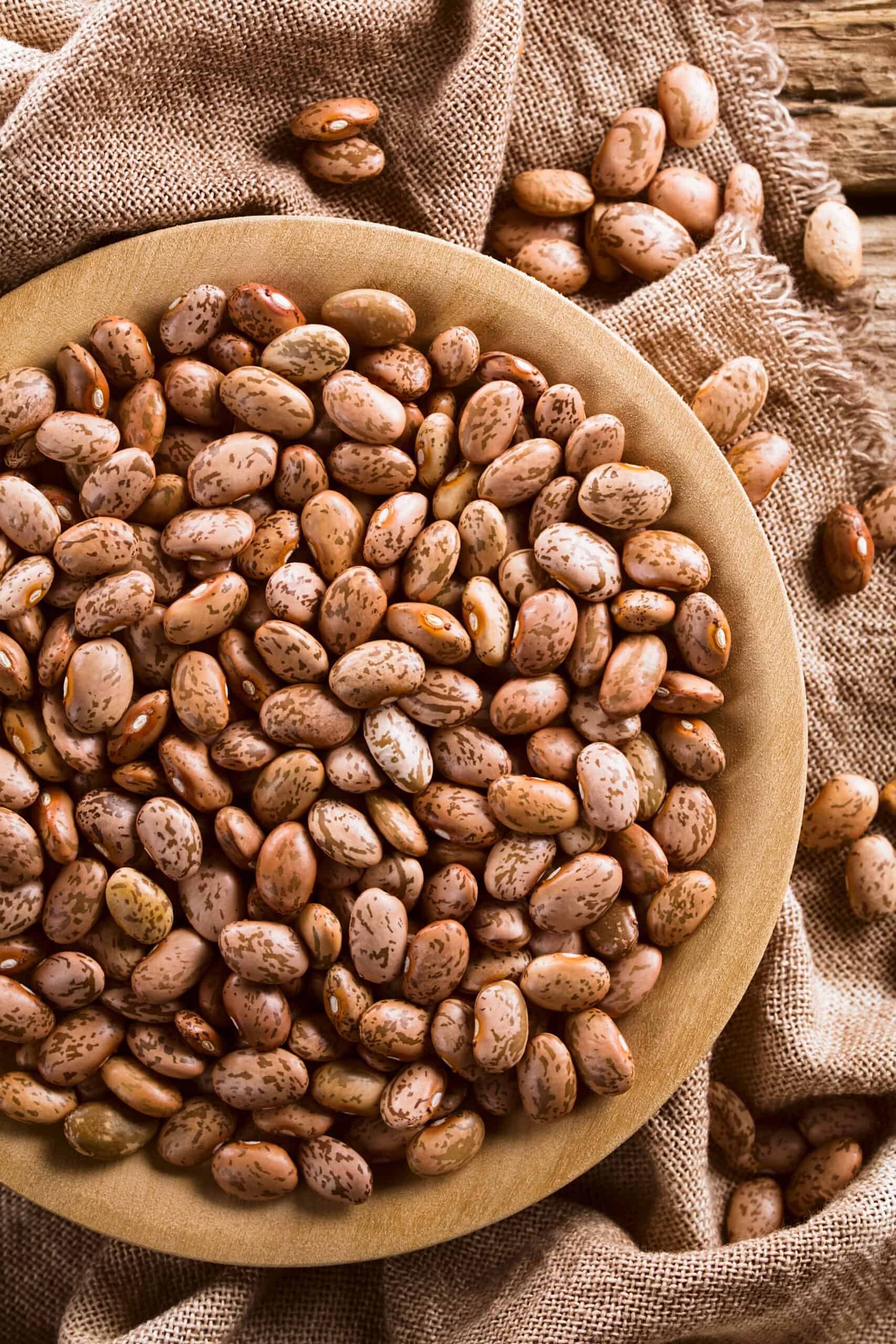
Do Bagged Dry Beans Go Bad: Freshness Facts Unveiled
Do you have a stash of bagged dry beans sitting in your pantry? You might be wondering, “Do bagged dry beans go bad?”
You’re not alone. Many people stock up on these versatile legumes, only to forget about them for months, or even years. But before you toss them out or decide to make that long-forgotten chili recipe, let’s dive into the truth about their shelf life.
Understanding if and when dry beans spoil can save you time, money, and ensure you’re serving safe, nutritious meals to your family. Keep reading to uncover the secrets of your pantry’s hidden gems and discover how to make the most of them.
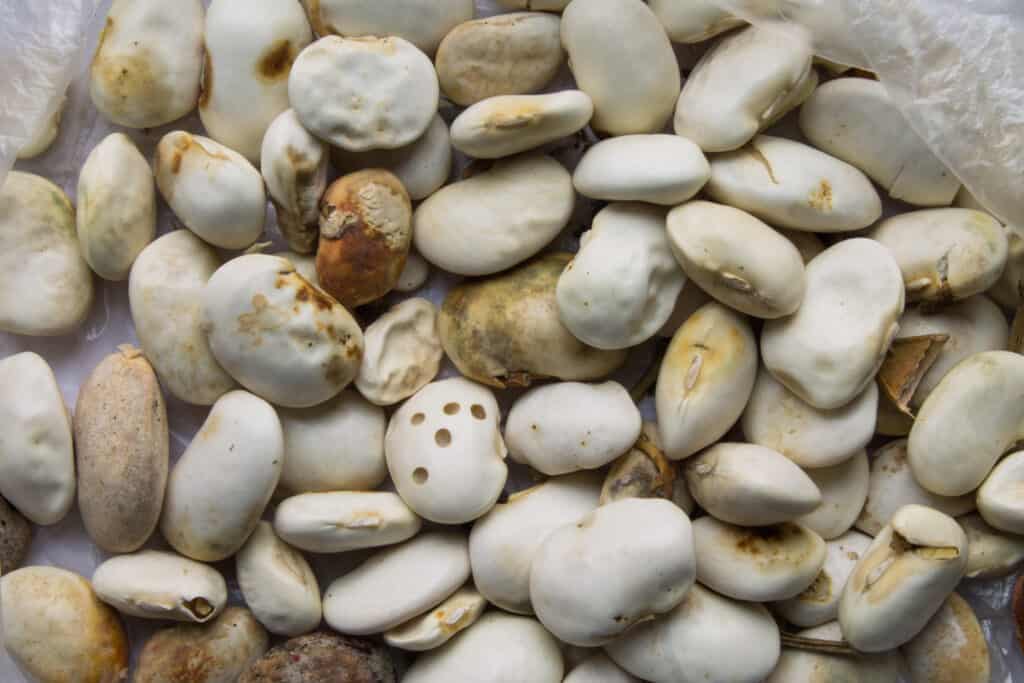
Credit: www.littlehouseliving.com
Shelf Life Of Dry Beans
Dry beans are a staple in many kitchens, offering a versatile and nutritious option for countless recipes. But have you ever wondered if those bagged beans at the back of your pantry are still good to use? Understanding the shelf life of dry beans can help you make the most of your pantry staples and avoid unnecessary waste.
Understanding The Shelf Life Of Dry Beans
Dry beans have an impressive shelf life, often lasting for years when stored properly. Generally, they can be kept for 2-3 years before their quality starts to decline. However, they are usually safe to consume even after this period, though they may take longer to cook and might not be as tender.
My own pantry has seen beans that are well beyond this timeframe. I found a bag of black beans from five years ago and decided to give them a try. They were still fine, just a bit more time in the pot was required to achieve the desired texture.
Factors Affecting The Shelf Life Of Dry Beans
- Storage Conditions:Beans should be kept in a cool, dry place. Humidity and heat can reduce their shelf life significantly.
- Packaging:Airtight containers help maintain freshness. Once the original packaging is opened, transferring beans to a sealed jar or container is ideal.
- Type of Bean:Some beans, like lentils, might age differently than larger beans such as kidney or pinto.
Consider the storage conditions in your home. Are your beans kept in a pantry that experiences temperature fluctuations? It might be time to rethink where you store them.
Signs Your Dry Beans Have Gone Bad
While dry beans have a lengthy shelf life, they can eventually go bad. Check for any signs of mold, unusual smells, or pests. If you notice any of these, it’s best to discard the beans.
Have you ever opened a bag of beans and noticed a musty odor? That’s a clear indication they shouldn’t be consumed. It’s better to be safe than sorry when it comes to food safety.
Extending The Life Of Your Dry Beans
- Store them in a dark, cool place to maintain their quality.
- Use airtight containers to protect them from moisture and pests.
- Rotate your stock by using older beans first before opening new packages.
Have you considered vacuum sealing your beans? This method can significantly extend their life by keeping out air and moisture.
By understanding these factors and taking simple steps, you can ensure your dry beans remain a reliable and nutritious option for your meals. Do you have any tips for storing dry beans that have worked well for you?

Credit: www.iamcountryside.com
Signs Of Spoiled Dry Beans
Dry beans can go bad if they develop a rancid smell or unusual discoloration. Mold or insect presence also indicates spoilage. Always store beans in a cool, dry place to maintain freshness.
Dry beans are a staple in many kitchens, prized for their versatility and long shelf life. However, they aren’t immune to spoilage. Recognizing the signs of spoiled dry beans is crucial to ensure your meals are both delicious and safe. You might think, “How can something so dry go bad?” But the truth is, dry beans can lose their quality over time.Unusual Smell
When you open a bag of dry beans, take a moment to inhale. A fresh bag should have a neutral, earthy scent. If you notice any sour or musty odors, it’s a red flag. Think back to the time you opened an old container in your pantry—it’s that same off-putting smell. This could mean the beans have absorbed moisture or contaminants, making them unfit for consumption.Discoloration
Check the beans for any unusual coloring. Fresh beans should be consistent in color. If you find spots or patches of mold, it’s time to toss them. You might have experienced this with other pantry items like grains and spices. This discoloration indicates spoilage, likely due to exposure to moisture or pests.Presence Of Insects
Have you ever opened a bag and found little critters crawling around? Insects can infiltrate dry beans, especially if stored improperly. Look for signs like holes in the beans or insect debris. It’s not just about the beans being unappetizing—such infestations can spread to other pantry items.Hard Texture
Beans should be firm but not overly hard. If they feel like tiny rocks, they may be too old. While dry beans are naturally hard, they should soften when cooked. If they remain tough despite hours of cooking, it’s a sign they’ve lost their quality. Imagine trying to chew on something that feels like gravel—it’s neither pleasant nor nutritious.Mold Growth
Spotting mold on dry beans is a clear sign they’ve gone bad. Mold can appear as fuzzy patches or spots. This is more likely if the beans have been exposed to moisture. You wouldn’t risk eating moldy bread, so why compromise with beans? It’s best to discard any beans showing signs of mold. Being vigilant about these signs can save you from culinary mishaps. Have you ever ignored these warnings and regretted it? Ensuring your dry beans are fresh will enhance your dishes and keep your pantry in top shape. What steps will you take to check your pantry staples next time?Factors Affecting Freshness
Bagged dry beans are a pantry staple. Many wonder about their shelf life. Several factors affect their freshness. Understanding these can help maintain their quality.
Storage Conditions
Beans stay fresh in cool, dry places. Moist environments encourage mold. High temperatures can speed up spoilage. A consistent temperature is best for long-term storage. Avoid direct sunlight. This can degrade bean quality over time.
Packaging Quality
Packaging plays a crucial role. Airtight bags preserve freshness. Loose packaging can lead to contamination. Vacuum-sealed bags are ideal. They prevent exposure to air and moisture. Check for damage or holes in the packaging. This can affect the bean’s longevity.
Bean Variety
Not all beans are the same. Some varieties last longer than others. Lentils and split peas have shorter shelf lives. Black beans and chickpeas are more durable. Knowing your bean variety helps in planning storage. It ensures you use them before they lose freshness.
Proper Storage Techniques
Storing bagged dry beans properly keeps them fresh longer. Place them in airtight containers to prevent moisture. Keep them in a cool, dark place to avoid spoilage and maintain their quality.
Storing bagged dry beans correctly can ensure their longevity and preserve their nutritional benefits. You might have a stash of dry beans in your pantry, but are you storing them right? If you have ever experienced finding your beans a little less appealing than you expected, it might be time to check your storage techniques.Ideal Temperature And Humidity
Temperature and humidity play a crucial role in keeping your dry beans fresh. Aim to store your beans in a cool, dry place. A location with temperatures between 50°F to 70°F is ideal. Excess heat can cause beans to lose their natural oils, leading to flavor loss. Humidity is another factor to consider. High humidity can lead to mold growth. Keep humidity levels below 50% to prevent spoilage. If you live in a humid climate, consider a dehumidifier for your pantry.Best Containers For Storage
Choosing the right container can significantly impact the freshness of your beans. Airtight containers are your best bet. They keep moisture and pests out, maintaining the quality of your beans. Glass jars with airtight lids are a popular choice. They are easy to clean and allow you to see the contents. My grandmother swore by using glass jars, and her beans were always delicious. Plastic containers are also effective, but ensure they are BPA-free. For a budget-friendly option, resealable plastic bags can work well too. Just squeeze out as much air as possible before sealing. Have you ever opened a bag of beans only to find them stale? It might be time to upgrade your storage container. Proper storage is the key to enjoying tasty, nutritious beans every time.Nutritional Value Over Time
Dry beans can last for years without spoiling, but their nutritional value decreases over time. As they age, proteins and vitamins diminish, affecting their quality. Proper storage in a cool, dry place can help maintain their nutritional benefits longer.
Bagged dry beans are a pantry staple for many households. You might wonder if they lose their nutritional value over time. This is a common concern, especially if you’re trying to maintain a healthy diet. Let’s dive into how time affects the nutritional content of dry beans.How Time Affects Nutrient Levels
Dry beans contain essential nutrients like protein, fiber, and vitamins. Over time, these nutrients can degrade. The longer beans are stored, the more likely they are to lose some of their nutritional value. Consider this: would you choose to eat beans that have been in your pantry for a decade? While they may be safe to eat, their nutritional punch might not be as strong.Protein Retention
Protein is a key benefit of consuming dry beans. However, as beans age, their protein content can diminish. This doesn’t mean you should toss them out immediately. They still offer some protein, just not as much as fresh beans. If you rely on beans for your protein intake, rotating your stock regularly can ensure you get the most out of them.Fiber And Vitamins
Fiber is another reason beans are popular. Fortunately, fiber levels remain relatively stable over time. Vitamins, on the other hand, are less resilient. Vitamins such as B and C can decrease significantly as beans age. This makes a compelling case for using beans within a year or two of purchase. Doing so can help you maximize the health benefits.Personal Experience With Aging Beans
I once found a bag of beans tucked away in my pantry that had been there for over five years. Curiously, I cooked them. While they tasted fine, I noticed my usual bean salad didn’t fill me up as it usually did. This taught me that while aged beans might still be edible, they probably aren’t as nutritious. A lesson learned: keep an eye on expiration dates and rotate your beans regularly.What Should You Do?
Consider the nutritional trade-offs when keeping beans for a long time. Are you prioritizing fiber or protein in your diet? If the answer is yes, then aim to use your beans sooner rather than later. While they don’t spoil quickly, their nutritional value is best when used within a reasonable timeframe. Would you prefer to get the maximum benefit from your beans? This could be a good reason to check your pantry more often and ensure your beans are fresh.Using Old Dry Beans
Using old dry beans can be a mystery for many cooks. You might discover a forgotten bag in your pantry. Wondering if they are still good? Many people have this question. The good news is, you can still use them. But there are some tips to follow. This ensures they taste great and are safe to eat.
Cooking Tips
Old dry beans may take longer to cook. Soak them overnight in water. This helps soften them. Change the water before cooking. Add a pinch of baking soda. It can speed up cooking time. Use fresh spices for better flavor. Old beans may lack taste, so enhance them with herbs.
Safety Considerations
Check for mold or insects before cooking. Discard any beans with a bad smell. Rinse thoroughly to remove dust. Cooking beans at high heat kills bacteria. Ensure beans are soft after cooking. Hard beans might be unsafe to eat. Eating undercooked beans can cause stomach issues.
Extending Shelf Life
Bagged dry beans can last for years if stored properly. Keep them in a cool, dry place. Over time, their quality may decline, but they remain safe to eat. Proper storage helps maintain their texture and flavor longer.
Extending the shelf life of bagged dry beans can save you money and ensure that you have a reliable food source in your pantry. While dry beans are known for their long storage capabilities, they can eventually go bad if not stored correctly. But with a little effort, you can keep them fresh for years. Have you ever opened a bag of beans only to find them stale or infested? Let’s explore some effective ways to extend their shelf life.Freezing Dry Beans
Freezing dry beans is a surprisingly simple method to keep them fresh. It’s an excellent way to prevent any potential bug infestations. Just place the beans in a freezer-safe bag, remove as much air as possible, and pop them into the freezer. Beans can stay in the freezer indefinitely, maintaining their nutritional value and texture. When you’re ready to use them, simply take them out and let them thaw to room temperature. This method is especially useful if you buy beans in bulk.Vacuum Sealing
Vacuum sealing is another effective method to extend the shelf life of your dry beans. By removing the air from the storage bag, you prevent oxidation and spoilage. This method is perfect for those who don’t have freezer space. Investing in a vacuum sealer can be a game-changer for your pantry. Sealed beans can last for years without losing flavor or quality. Have you tried vacuum sealing before? It’s a straightforward process that keeps your beans fresh and ready for any last-minute meal. Both freezing and vacuum sealing are practical ways to ensure your dry beans stay fresh for a long time. So, what’s stopping you from trying these methods? Keep your pantry stocked and your meals delicious with these easy storage solutions.Environmental Impact
Bagged dry beans are not just a staple for your pantry; they carry a significant environmental impact. When you choose these beans, you’re contributing to a system that can be both beneficial and challenging for our planet. It’s crucial to understand how your choices regarding these everyday items can make a difference.
Waste Reduction
Think about the packaging of bagged dry beans. Unlike canned beans, they usually come in recyclable or biodegradable bags. This choice directly reduces waste in landfills. Every time you opt for dry beans, you’re making a small yet impactful step towards waste reduction.
Imagine the heaps of cans that don’t get recycled. Bagged beans mean less metal waste. A simple switch to dry beans reduces your environmental footprint. Isn’t it rewarding to know that your shopping habits can lead to less waste?
Sustainable Practices
Bagged dry beans support sustainable agricultural practices. These beans are often grown in ways that conserve water and soil. When you purchase them, you’re backing farmers who care for the environment.
Consider your role in supporting sustainable farming. Each bag of beans can represent a vote for eco-friendly practices. You are part of a bigger movement towards sustainability. How can you make even more choices that align with this vision?
Next time you’re at the store, think about the impact of your choices. Bagged dry beans can be a small but significant step towards a healthier planet. Isn’t it exciting to know that your everyday decisions can create positive change?

Credit: urbanoveralls.net
Frequently Asked Questions
How Long Do Bagged Dry Beans Last?
Bagged dry beans can last up to two years if stored properly. Keep them in a cool, dark, and dry place. Their shelf life may vary based on storage conditions. Always check for pests or mold before using. Freshness might decline over time, affecting flavor and texture.
Do Dry Beans Expire Or Spoil?
Dry beans don’t spoil easily but can lose quality over time. They may become harder and take longer to cook. While they don’t expire, always check for signs of mold or an off smell. Proper storage can help maintain their quality for longer.
How Can I Tell If Dry Beans Are Bad?
Check for an off smell, mold, or pests in the beans. If beans have a bitter taste or discoloration, discard them. A visual inspection and smell test can help ensure they’re still good. Proper storage helps maintain their quality and prevents spoilage.
Are Expired Dry Beans Safe To Eat?
Expired dry beans are generally safe but may lose taste and texture. Cooking time may increase, and flavor might decline. It’s best to inspect them for any spoilage signs. Proper storage can help maintain their quality even after the expiration date.
Conclusion
Bagged dry beans can lose quality over time. Proper storage is key. Keep beans in a cool, dry place. Moisture and heat can spoil them. Fresh beans have better taste and texture. Inspect them before cooking. Look for signs of spoilage.
Mold or strange odors mean it’s time to toss them. Buying fresh beans ensures the best flavor. Check the packaging date. Use older beans soon after purchase. Regularly rotating your stock helps maintain quality. Storing beans correctly preserves their goodness.
Enjoy delicious meals with fresh, well-stored beans. Keep an eye on them, and you’ll always have tasty beans.

Home Interior Design & Renovation Expert at HomeFixio
Sierra Wellington is a skilled home interior designer with extensive experience in plumbing, fittings, and home renovations. Having worked on numerous residential projects, Sierra specializes in creating functional and aesthetically pleasing spaces. With a keen eye for design and a deep understanding of the technical aspects of home improvement, he provides expert advice on everything from layout planning to fixture installations. As a writer for HomeFixio, Sierra shares his practical insights and creative solutions, helping homeowners elevate their spaces with precision and style.