

How Many Grams of Grated Cheese in a Cup: Accurate Measure
Have you ever found yourself halfway through a delicious recipe only to stumble upon the phrase “a cup of grated cheese”? If you’ve ever wondered exactly how many grams that translates to, you’re not alone.
Knowing the precise measurement can make all the difference in achieving that perfect cheesy texture and flavor in your dish. Whether you’re crafting a gooey mac and cheese, a savory quiche, or a classic pizza, understanding this conversion is your ticket to culinary success.
Dive in, and let’s unravel the mystery of how many grams of grated cheese are really in a cup. By the end of this article, you’ll have the confidence to measure like a pro and elevate your cooking game. Don’t miss out on these essential insights that every home chef needs to know!
Importance Of Accurate Measurement
Accurate measurement is crucial in cooking and baking. A small mistake can change the taste or texture of a dish. Grated cheese is often used in recipes, but its weight varies by type. Knowing how many grams in a cup helps you follow recipes correctly.
Using the right amount of cheese affects flavor. Too much can overpower other ingredients. Too little might make a dish bland. Cheese’s texture matters too. It can affect how a dish looks or feels.
Recipes rely on precise measurements. This ensures consistency every time you cook. Accurate measurements help achieve expected results. They prevent waste and save money. Grated cheese can be tricky to measure by volume. Its density can change based on how it is packed.
Common Mistakes In Cheese Measurement
Many people pack cheese too tightly. This increases the weight in a cup. It leads to using more cheese than needed. Lightly packing cheese gives a more accurate measurement. Some use a kitchen scale for precision.
Benefits Of Using Grams Instead Of Cups
Grams offer better accuracy. This is especially true for cheese. They don’t change with packing density. Grams provide a consistent measurement. This helps replicate recipes perfectly.
Conclusion: Achieving Culinary Success
Accurate measurement enhances cooking. It ensures delicious results every time. Understand cheese measurements for better dishes. This small step improves your culinary skills.
Types Of Grated Cheese
Grated cheese is a versatile ingredient in many dishes. Different types of cheese offer unique flavors and textures. Knowing which cheese to grate can enhance your meals. Let’s explore the types of grated cheese.
Hard Cheeses
Hard cheeses are popular for grating. Parmesan and Pecorino Romano are common examples. They are dry and age well. These cheeses have a strong flavor. They add a salty taste to dishes.
Hard cheeses are dense. They yield more grams when grated into a cup. Typically, a cup of grated Parmesan weighs around 100 grams. This makes them ideal for pasta and salads.
Soft Cheeses
Soft cheeses are less common for grating. Mozzarella and Brie are examples. They are creamy and mild. These cheeses are best for melting. Soft cheeses are moist and less dense.
A cup of grated soft cheese weighs less. For mozzarella, expect around 80 grams per cup. Use them for pizzas and baked dishes.
Aged Vs. Fresh
Aged cheeses have a rich flavor. They become harder over time. Fresh cheeses are softer and milder. Aged cheeses are better for grating. They produce more grams per cup.
Fresh cheeses might be crumbly. They are more suitable for spreading. Knowing the age of cheese helps in cooking. Choose aged for intense flavors. Use fresh for subtle tastes.
Factors Affecting Cheese Weight
When you’re measuring grated cheese, you might be surprised by how many factors can affect the weight. Have you ever wondered why a cup of grated cheese doesn’t always weigh the same? It’s not just about the type of cheese; several elements come into play, each affecting the final measurement. Let’s dig into these factors.
Cheese Texture
The texture of cheese plays a significant role in determining its weight when grated. Softer cheeses like mozzarella tend to pack more densely in a cup, resulting in a heavier weight. On the other hand, harder cheeses like Parmesan crumble into lighter, fluffier pieces, making them less dense and lighter in weight. Next time you’re grating cheese, notice how the texture changes the way it fills the cup.
Moisture Content
Moisture content is another crucial factor. High-moisture cheeses such as Brie or Camembert weigh more due to their water content. Drier cheeses, like aged cheddar, contain less moisture, which makes them lighter. Remember, moisture can significantly alter the weight, so always consider this when you’re measuring your cheese for recipes.
Grating Size
The size of the cheese grates can also impact the weight of cheese in a cup. Coarse grates create larger pieces, which might leave more air gaps, resulting in a lighter weight. Fine grates pack tighter and weigh more. Experimenting with different grating sizes can be a fun way to see how it affects the weight. Have you tried using different grating sizes and noticed the difference?
Understanding these factors can help you achieve better accuracy in your recipes. Next time you cook, pay attention to how these elements affect your grated cheese measurements. Have you discovered any tips or tricks in your own kitchen adventures? Share your insights with us!
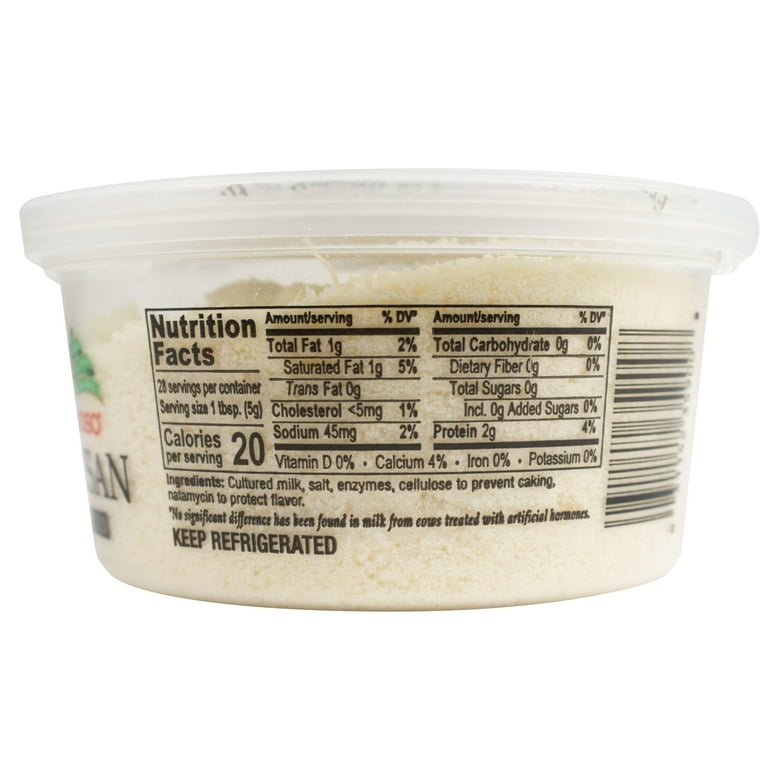
Credit: www.walmart.com
Standard Weight Conversions
Understanding standard weight conversions can simplify cooking and baking tasks. Knowing how many grams of grated cheese fit in a cup is essential. It ensures precise measurements for your recipes.
Metric And Imperial Systems
Many countries use metric systems for measuring. Grams and kilograms are common. The United States relies on the imperial system. It uses pounds and ounces. Converting between these systems can be tricky. It requires knowing specific values and calculations.
Common Conversion Tables
Conversion tables help determine weight equivalents quickly. A cup of grated cheese typically weighs around 100 grams. These tables provide accurate conversions between cups and grams. They are useful for both home cooks and professional chefs. Having these tables handy saves time and ensures recipe accuracy.
Measuring Techniques
Grated cheese is a staple in many kitchens, yet figuring out the right amount can be tricky. You might wonder, “How many grams are actually in a cup of grated cheese?” This question leads us to the essential topic of measuring techniques. Different methods can yield varied results, and knowing which one to use can make your cooking more precise and enjoyable. Let’s dive into the specifics of these techniques to ensure your recipes turn out perfectly cheesy every time.
Using A Kitchen Scale
One of the most accurate ways to measure grated cheese is by using a kitchen scale. This tool gives you a precise measurement in grams, eliminating any guesswork. Simply place your cheese on the scale and note the weight.
Using a scale is especially helpful when recipes specify an exact gram amount. It ensures you have the correct quantity, which is crucial for dishes where cheese can impact flavor and texture.
Do you have a kitchen scale tucked away somewhere? Pull it out and see how it transforms your cooking accuracy. The difference can be astonishing!
Volume Vs. Weight Measurement
Volume measurement involves using cups to measure your cheese. It’s a common method but can lead to inconsistencies. A cup of loosely packed cheese will weigh less than a cup that’s tightly packed.
On the other hand, weight measurement provides a definitive number. It’s a more reliable method, especially if you’re aiming for consistency in your recipes. With weight, you know exactly how much cheese you’re using.
Ever tried to pack grated cheese into a cup? It can be a hassle, and the results vary. Using weight measurement removes this uncertainty. Which method do you prefer? Try both and see which one suits your cooking style.
Measuring cheese accurately might seem trivial, but it can make or break your dish. The next time you reach for that cup or scale, consider what method will give you the best results. Your taste buds will thank you!

Credit: www.tiktok.com
Impact On Recipes
Grated cheese can transform a dish. Measuring it accurately ensures recipe success. The amount of cheese affects taste, texture, and cooking consistency. Understanding these impacts can elevate your culinary creations.
Taste And Texture Variations
The amount of grated cheese in a cup can change a dish’s taste. More cheese often means a richer flavor. But it can also overpower other ingredients. Texture also matters. A densely packed cup of cheese adds creaminess. A loosely packed one might result in a lighter texture. Balancing cheese quantity with other ingredients is key to a harmonious dish.
Consistency In Cooking
Consistency in cooking depends on precise measurements. Grated cheese can vary in volume. Finely grated cheese packs more densely than coarsely grated cheese. This affects how the cheese melts and blends. Uniform measurements ensure even cooking and avoid surprises. Recipes with accurate cheese measurements yield predictable results. This consistency leads to better meal planning and satisfaction.
Tips For Home Cooks
Estimating cheese amounts can be tricky for home cooks. A cup of grated cheese typically equals around 100 grams. Measuring accurately enhances recipes, making them tastier and more enjoyable.
Whether you’re crafting a creamy pasta dish or topping off a homemade pizza, knowing how many grams of grated cheese fit into a cup can make all the difference. As a home cook, you might not always have a scale handy, and that’s okay. With a few simple tips, you can measure cheese accurately and make your dishes shine. Here, we’ll explore some practical insights that will elevate your cooking game.Choosing The Right Cheese
Not all cheeses are created equal. Different types of cheese can vary significantly in texture and moisture content. For instance, Parmesan is hard and dry, while mozzarella is soft and moist. When selecting cheese for a recipe, consider its purpose. Are you looking to add a sharp flavor or a creamy texture? Don’t hesitate to experiment with different cheeses. Sometimes a blend of cheeses can add depth to your dish. For example, mixing cheddar with a touch of gouda can bring a unique richness.Best Practices For Measuring
Accurate measurement begins with preparation. Grate your cheese using the appropriate grater size for your recipe. Finer gratings will pack more densely into a cup. When filling your measuring cup, avoid packing the cheese down. Lightly scoop the cheese into the cup and level it off with a straight edge. This method helps maintain consistency, especially if you’re trying to replicate a recipe. When you don’t have a scale, remember that roughly 100 grams of grated cheese equals one cup. This can vary slightly depending on the cheese type, but it’s a good rule of thumb. Have you ever noticed how a dish can change with just a little more cheese? Try playing with the amounts to see how it affects your recipe. You might discover a new family favorite. By choosing the right cheese and measuring it correctly, you ensure every dish is made to perfection. So grab your cheese, follow these tips, and let your culinary creativity flow.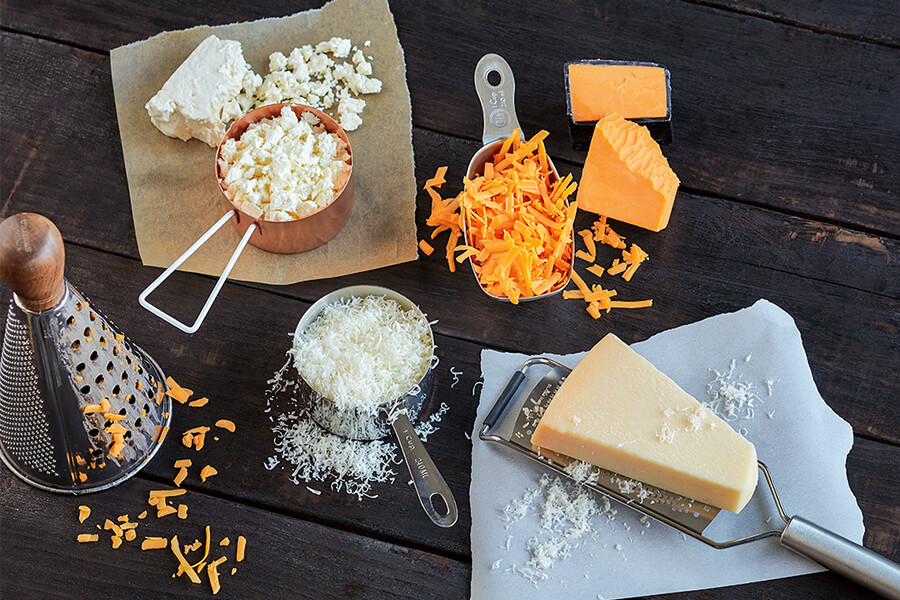
Credit: www.wisconsincheese.com
Frequently Asked Questions
How Many Grams Are In A Cup Of Grated Cheese?
A cup of grated cheese typically weighs around 100 grams. However, this can vary depending on the type of cheese. Softer cheeses may weigh less due to air pockets, while harder cheeses might be denser. Always use a kitchen scale for accurate measurements.
Does Cheese Type Affect Cup Weight?
Yes, cheese type affects the weight of a cup. Soft cheeses like mozzarella are lighter with air pockets. Hard cheeses like parmesan are denser and heavier. Knowing the cheese type helps in getting precise measurements for recipes.
How To Measure Grated Cheese Correctly?
To measure grated cheese correctly, use a kitchen scale for accuracy. Scoop cheese into a cup lightly without packing. Weigh the cheese to match the recipe requirements. Adjust the amount if necessary for perfect culinary results.
Can I Use Pre-grated Cheese For Recipes?
Yes, you can use pre-grated cheese for recipes. It offers convenience but might weigh differently due to added anti-caking agents. Always check the packaging for weight information and adjust accordingly for accurate recipe results.
Conclusion
Understanding how many grams of grated cheese fit in a cup is useful. It aids in accurate cooking and baking. Consistency in measurements ensures delicious results. Next time, confidently use the right amount. Cooking becomes easier with this knowledge. Share it with friends who love cooking.
They will appreciate the tip. Enjoy your dishes with perfect cheesy goodness. Keep experimenting and learning new kitchen tricks. Happy cooking!

Home Improvement Expert & Senior Writer at HomeFixio
Eliot Granger is a seasoned home improvement expert with years of experience transforming living spaces. Specializing in everything from kitchen renovations to bathroom upgrades, Eliot shares his knowledge through practical, insightful articles. His passion for creating functional, beautiful homes drives him to offer expert tips and solutions for every corner of your house. As a trusted writer for HomeFixio, Eliot is dedicated to helping homeowners make informed decisions and achieve precision in their projects.


