
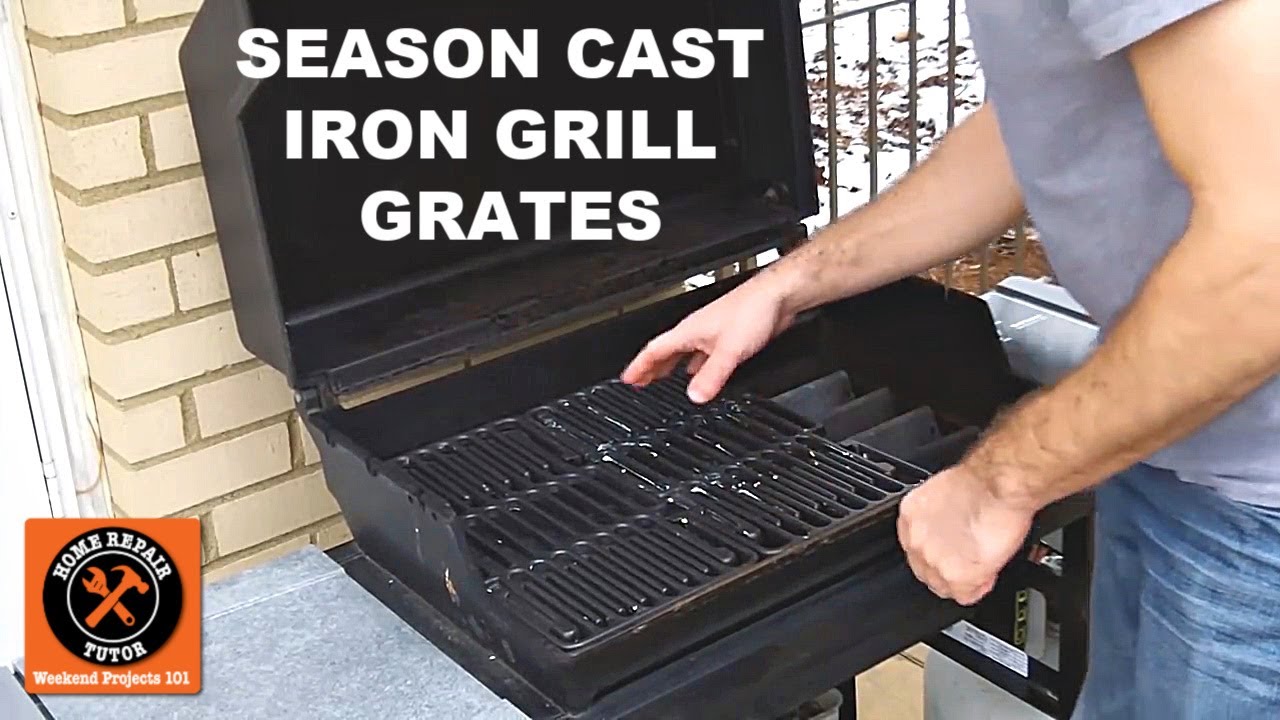
How to Season New Grill Grates: Expert Tips for Success
Imagine this: You’ve just unboxed your shiny new grill, and you’re eager to fire it up for a weekend barbecue. But before you start grilling those juicy steaks or tender veggies, there’s an essential step you can’t skip—seasoning your grill grates.
This simple process might seem like a minor detail, but it can make a world of difference in your grilling experience. Seasoning your grill grates isn’t just about preventing food from sticking. It’s about enhancing flavors, extending the life of your grill, and achieving that perfect sear that makes your mouth water.
When you season your grates properly, you’re setting the stage for countless delicious meals and memorable gatherings. In this guide, you’ll discover the easy steps to season your new grill grates like a pro. Whether you’re a seasoned griller or a beginner, you’ll find tips that make the process straightforward and effective. Ready to unlock the secrets to better grilling? Let’s dive in and transform your grill into a culinary powerhouse.
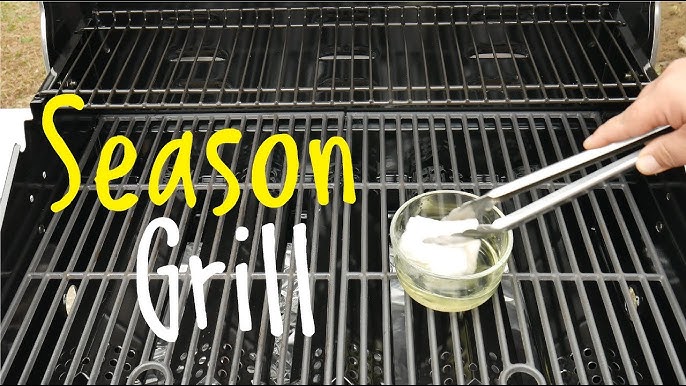
Credit: www.youtube.com
Choosing The Right Oil
Selecting the right oil is key to seasoning new grill grates. Opt for oils with high smoke points, like canola or peanut, to ensure grates are protected and food cooks evenly. Proper seasoning enhances flavor and prevents sticking, making grilling more enjoyable.
Choosing the right oil is crucial when you’re seasoning new grill grates. It not only affects the taste of your food but also ensures that the grates last longer and perform better. The right oil can enhance the grilling experience, making it smoother and more enjoyable. So, how do you choose the best oil for your grill grates?Types Of Oils To Use
When selecting an oil, consider its smoke point, flavor, and health benefits. Vegetable oil is a popular choice due to its high smoke point and neutral flavor. Canola oil is another option, offering a mild taste and affordability. If you prefer something a bit more gourmet, grapeseed oil is a fantastic choice. It has a high smoke point and imparts a subtle, nutty flavor. Avocado oil is also gaining popularity for its high smoke point and healthy fats.Benefits Of High Smoke Point Oils
Using oils with a high smoke point is essential when seasoning grill grates. These oils can withstand the high temperatures needed for grilling without breaking down. This ensures that your grates remain coated and your food doesn’t stick. High smoke point oils also reduce the risk of unwanted flavors or smoke. Imagine enjoying a perfectly grilled steak without any burnt oil taste. These oils also contribute to a more consistent cooking surface, helping you achieve that perfect sear every time. Have you ever tried seasoning your grates with a low smoke point oil and ended up with a kitchen full of smoke? Choosing the right oil can prevent these mishaps. So, next time you’re at the store, take a moment to check the labels and select the best oil for your grilling needs. In your experience, have you found a particular oil that works wonders for your grill? Share your thoughts and let’s learn from each other. Your choice of oil can make all the difference in your grilling journey.
Credit: snsgrills.com
Cleaning New Grill Grates
Cleaning your new grill grates is a vital first step. It helps in removing any manufacturing residues. This ensures your food remains safe and delicious. Let’s dive into the initial cleaning process.
Removing Protective Coatings
Many new grill grates come with protective coatings. These coatings prevent rust and damage during shipping. Before using the grates, these coatings must be removed.
Turn the grill on high heat for 15 minutes. This burns off any coatings. Let the grill cool completely. Then, scrub the grates with a grill brush. This ensures a clean surface for cooking.
Initial Wash And Dry
After removing coatings, wash the grates with warm, soapy water. Use a soft cloth or sponge. Avoid harsh chemicals which might damage the grates. Rinse thoroughly to remove soap residue.
Dry the grates completely with a clean towel. Moisture can cause rust. Ensure the grates are dry before the next step. A clean, dry grate enhances seasoning effectiveness.
Heating The Grill
Preparing grill grates involves heating them for durability. Coat them with vegetable oil to prevent sticking. Heat the grill to high temperature, allowing the oil to bond. This simple process enhances flavor and longevity, ensuring a better grilling experience.
Heating your grill is like waking it up from a long nap. It’s crucial to set the stage for seasoning those new grill grates. Grills, just like any cooking tool, need proper warming to work effectively. A well-heated grill ensures that seasoning sticks and creates the perfect surface for all your future grilling adventures. But how do you get there? Let’s break it down step by step.Preheating The Grill
Before you start seasoning, it’s important to get your grill hot. This isn’t just about flipping a switch or lighting a flame. It’s about patience. Allow your grill to preheat for about 10-15 minutes. This time lets the heat build up and evenly distribute across the grates. Imagine this: every sizzle you hear during preheating is a promise of delicious meals to come. It’s like giving your grill a warm-up before a big game. Watch as it comes alive, ready to take on the flavors you’ll throw its way.Optimal Temperature Settings
Finding the right temperature is key. Aim for a heat level between 400-500°F. This range ensures that the seasoning bonds with the grates effectively. Too low, and the seasoning won’t stick; too high, and you risk damaging the grates. Think of the temperature setting as choosing the right outfit for the weather. You wouldn’t wear a sweater in the summer, would you? Similarly, your grill needs the right temperature to perform its best. Checking the temperature can be done with a built-in thermometer or a standalone grilling thermometer. This tool is your guide, helping you hit the sweet spot for perfect seasoning. Is your grill ready to embrace its new identity as the star of your backyard? By heating it properly, you’re setting the stage for culinary magic. So, what’s stopping you from firing it up right now?Applying The Oil
Applying oil to new grill grates helps prevent rust and creates a non-stick surface. Coat them with high-heat oil like canola or vegetable using a paper towel. Heat the grill to let the oil set, ensuring a longer life for your grates.
Seasoning new grill grates is a crucial step that ensures your grilling experience remains top-notch. Applying oil to your grill grates not only prevents food from sticking but also protects them from rust. It’s a simple yet effective method that can enhance the lifespan of your grates. But how do you make sure the oil is applied evenly and covers every inch? Let’s dive into the details.Methods For Even Application
Achieving an even application of oil on your grill grates can be a game-changer. One effective method is using a spray bottle. Fill it with oil and spray lightly over the grates, ensuring you cover the entire surface. Another option is using a basting brush or a clean cloth. Dip it in oil and wipe the grates thoroughly. This method allows you to control the amount of oil applied. Lastly, consider using a piece of kitchen towel soaked in oil. Use it to rub the grates, ensuring even coverage. This technique is simple and effective, especially if you don’t have a brush or spray bottle.Ensuring Full Coverage
Getting full coverage is essential to protect your grill grates. Start by inspecting the grates to ensure no spots are left without oil. Rotate the grates to check all angles. This helps you spot any missed areas that need attention. Consider using a flashlight if grilling at night. This simple tool can help illuminate areas that might otherwise be overlooked. Have you ever noticed how a small oversight can lead to bigger issues? Missing a spot might result in rust or uneven cooking. Double-checking your work ensures your grill is ready for the next cookout. By applying these methods, you can ensure your grill grates are seasoned correctly, setting you up for a great grilling experience. How do you ensure your grates are fully covered? Share your tips and tricks in the comments below!Baking The Oil
Seasoning new grill grates involves baking oil onto their surface. This process creates a non-stick layer, preventing rust. Start by cleaning the grates, then apply a thin coat of high-heat cooking oil. Heat the grill to let the oil bond, ensuring flavorful and easy grilling.
Baking oil onto new grill grates is a crucial step to ensure they perform at their best. This process not only helps in creating a non-stick surface but also extends the life of your grill. It might sound simple, but the details can make a big difference in your grilling experience.Time And Temperature Considerations
Getting the temperature right is key. Set your grill to a medium-high heat, around 400°F (204°C). This allows the oil to bond effectively with the metal. Leave the grates on the grill for about 15 to 20 minutes. This duration ensures the oil bakes into the pores of the metal. Timing matters because too short might not create the desired coating, while too long could burn the oil. Have you ever wondered why your food sticks despite using oil? Timing could be the culprit.Creating A Non-stick Surface
Choose an oil with a high smoke point, like vegetable or canola oil. These oils withstand the heat without breaking down. Apply a thin layer using a brush or paper towel. Thin coats prevent excess residue and promote even coverage. A properly seasoned grate means less time scraping and more time enjoying perfectly grilled meals. Imagine flipping burgers with ease, thanks to your well-seasoned grates. Do you notice your food sticking even after seasoning? It might be time to revisit your oil choice or application method. Remember, the goal is a smooth, non-stick surface that makes grilling a breeze. With the right approach, your grill grates can be the secret to grilling success.Repeating The Process
Seasoning grill grates is not a one-time task. It requires repetition for the best results. This process protects your grill and enhances flavor. Fresh grates are like blank canvases. They need layers to become non-stick and durable. Repeating the seasoning process builds these layers. It ensures your grill grates last longer.
Benefits Of Multiple Coatings
Multiple coatings strengthen the non-stick surface of grill grates. Each layer adds protection against rust. This is vital for maintaining grill quality. It also improves heat distribution. Food cooks more evenly with well-seasoned grates. Each coating enhances flavor. Grilled food tastes better over time.
How Often To Season
Season grill grates after every few uses. This keeps them in top shape. Frequent use may demand more seasoning. Check grates often for signs of wear. If food starts sticking, it’s time to season. Regular seasoning preserves the grill’s quality. It ensures a long-lasting grilling experience.
Maintaining Seasoned Grates
Seasoning new grill grates is crucial for a non-stick cooking surface. Begin by cleaning the grates with warm, soapy water. Next, apply a thin coat of vegetable oil to prevent rust. Heat the grill to medium-high for about 15 minutes.
This process creates a protective layer, enhancing your grilling experience.
Maintaining seasoned grates is crucial if you want your grill to perform at its best. Proper seasoning not only enhances the flavor of your food but also extends the life of your grill. But how do you keep those grates in top condition?Regular Cleaning Tips
Cleaning your grates regularly is key to maintaining their seasoning. After each grilling session, let the grill cool slightly, then scrub the grates with a grill brush. This removes food particles and excess grease. Once a month, perform a deeper clean. Remove the grates and soak them in soapy water for about 30 minutes. After soaking, scrub them thoroughly, rinse, and dry completely before placing them back in the grill.Avoiding Common Pitfalls
Common mistakes can ruin your seasoned grates. Avoid using harsh chemicals or metal scouring pads; they can strip the seasoning and damage the grates. Stick to mild soap and water for cleaning. Overheating your grill can also damage the seasoning. Keep an eye on your grill’s temperature, especially during preheating, to prevent burning off the seasoning. Have you ever noticed rust on your grates? This usually happens when they’re not dried properly after cleaning. Always dry them thoroughly to maintain their protective layer. Maintaining seasoned grates isn’t just about keeping them clean; it’s about preserving their function and flavor-enhancing abilities. By following these tips, you’re not just taking care of your grill—you’re ensuring delicious meals for years to come. What’s your go-to method for keeping your grill grates in perfect condition?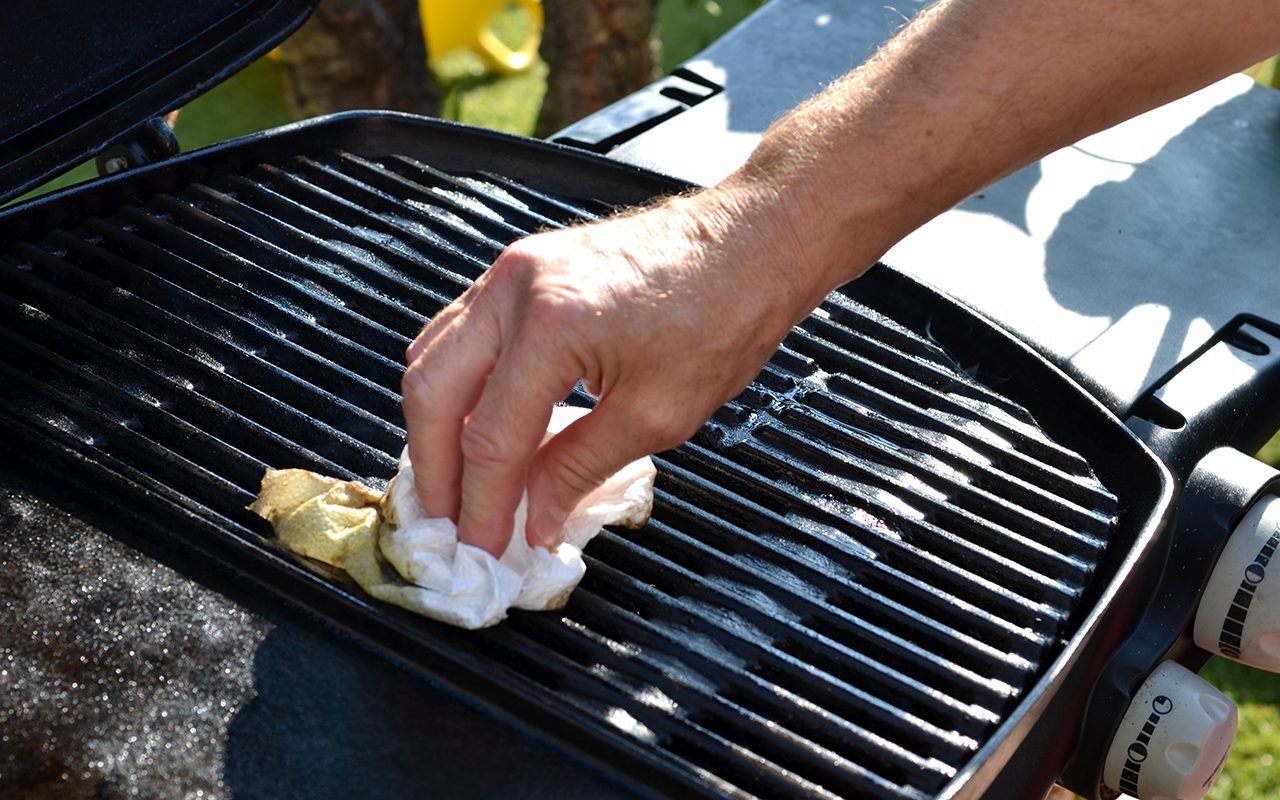
Credit: www.tasteofhome.com
Frequently Asked Questions
How Do I Season New Grill Grates?
Seasoning new grill grates involves cleaning, oiling, and heating them. Start by scrubbing the grates with warm, soapy water. Rinse and dry them thoroughly. Apply a thin layer of vegetable oil. Heat the grill to medium-high and let the oil burn off for 15 minutes.
This prevents rust and enhances flavor.
What Oil Is Best For Seasoning Grill Grates?
Use vegetable or canola oil for seasoning grill grates. These oils have high smoke points, which is essential for creating a non-stick surface. Avoid using olive oil as it has a lower smoke point. Regular application of oil helps maintain the grates and prevents food from sticking.
How Often Should Grill Grates Be Seasoned?
Season your grill grates before the first use and after each cleaning. Regular seasoning maintains a protective layer on the grates, preventing rust and sticking. Ideally, season every few weeks, especially if you grill frequently. This practice enhances the grilling experience and prolongs the life of your grill.
Can You Season Grill Grates In The Oven?
Yes, you can season grill grates in the oven. Preheat the oven to 400°F, coat the grates with oil, and place them on a baking sheet. Bake for an hour and let them cool. This method provides consistent heat, ensuring the grates develop a durable non-stick surface.
Conclusion
Seasoning grill grates is simple and important. It keeps food from sticking. It also helps prevent rust. First, clean the grates well. Then, coat them with oil. Use vegetable or canola oil. Heat the grill to high for 15 minutes.
Let the oil bake in. This creates a protective layer. Repeat the process a few times yearly. Well-seasoned grates last longer. They make grilling easier and more enjoyable. Now, you’re ready to grill with confidence. Enjoy your tasty barbecues!

Home Improvement Expert & Senior Writer at HomeFixio
Eliot Granger is a seasoned home improvement expert with years of experience transforming living spaces. Specializing in everything from kitchen renovations to bathroom upgrades, Eliot shares his knowledge through practical, insightful articles. His passion for creating functional, beautiful homes drives him to offer expert tips and solutions for every corner of your house. As a trusted writer for HomeFixio, Eliot is dedicated to helping homeowners make informed decisions and achieve precision in their projects.


