
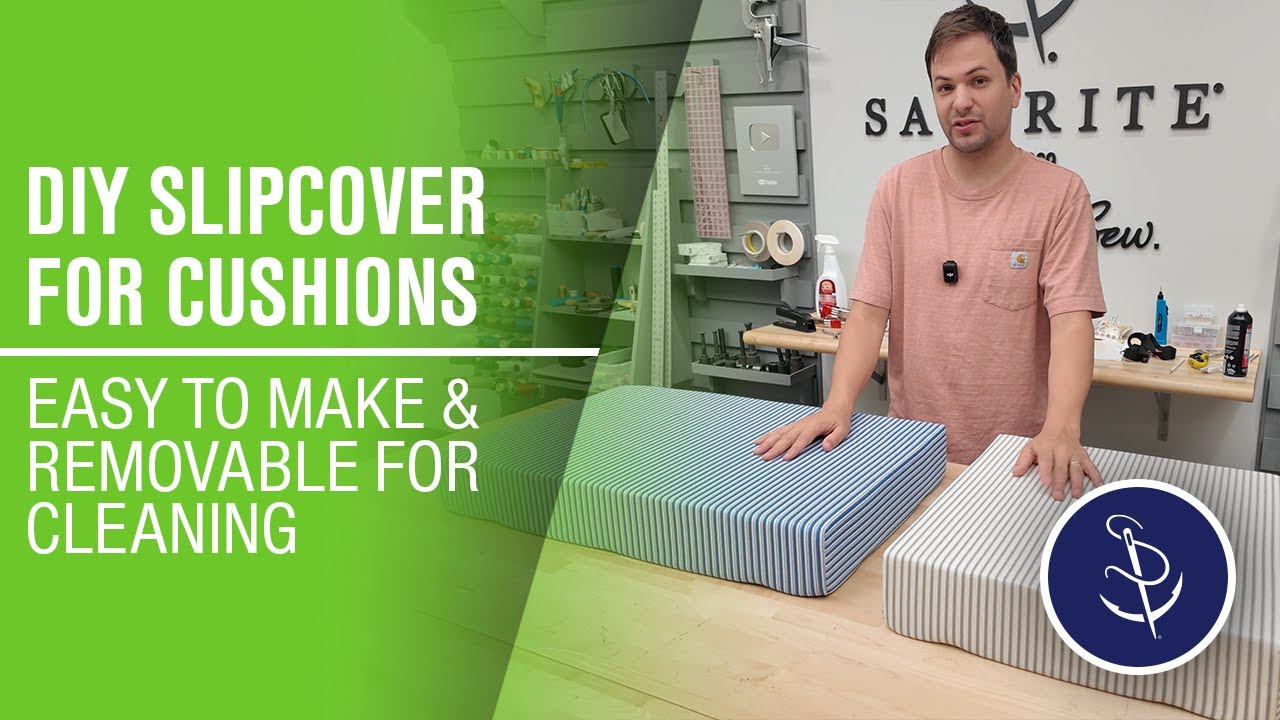
How to Make Slipcovers for Sofa Cushions: DIY Guide
Have you ever looked at your sofa and wished it had a fresh, new look? Maybe those cushions are starting to show their age, or perhaps you just want to change things up without buying a whole new set.
Enter the world of slipcovers for sofa cushions. Not only are they a budget-friendly solution, but they also allow you to express your personal style and creativity. Imagine being able to easily refresh your living room’s vibe whenever the mood strikes.
In this guide, you’ll discover how to make slipcovers that fit perfectly, protect your cushions, and transform your space with minimal effort. Stick around to learn the secrets of crafting slipcovers that look professional and stylish, even if you don’t have a sewing degree. Ready to give your sofa a makeover that reflects your taste and personality? Let’s dive in!
Materials Needed
Creating slipcovers for sofa cushions adds a fresh touch to your living space. Before sewing, gather all necessary materials to make the process smooth and enjoyable.
Fabric Selection
Choose fabric that suits your style and needs. Consider durability if you have pets or kids. Cotton and polyester blends are popular choices. They offer comfort and are easy to clean.
Measure your cushions before buying fabric. This ensures you purchase enough material. Patterns and colors can brighten up your room. Solid colors provide a classic look. Decide based on your home’s vibe.
Tools And Equipment
Having the right tools makes sewing easier. A sewing machine speeds up the process. Ensure it has a zigzag stitch option. This helps in securing the seams.
Scissors are essential for cutting fabric. Choose sharp ones for clean edges. Pins hold the fabric in place while sewing. A measuring tape helps in accurate measurements.
Don’t forget a thread matching your fabric color. This makes the slipcover look professional. A seam ripper is handy for correcting mistakes.

Credit: m.youtube.com
Measurements And Cutting
Accurate measurements ensure a snug fit for slipcovers. Use a tape measure to record the cushion’s length, width, and height. Cut fabric pieces slightly larger than the measurements to allow for seams and adjustments.
Creating slipcovers for your sofa cushions can breathe new life into your living room without the hefty price tag. The key to a successful project lies in the precision of measurements and the accuracy of cutting your fabric. These foundational steps ensure your slipcovers fit perfectly and look professional. Let’s dive into how you can get these aspects right.Measuring Sofa Cushions
To start, grab a measuring tape and notepad. Measure each dimension of your cushions: length, width, and depth. Ensure you measure from seam to seam for accuracy. Don’t forget to add an extra inch for seam allowance. This added space will help in stitching the slipcover without it being too tight. Consider the fabric’s stretchability. If you choose a stretch fabric, you might reduce the seam allowance slightly for a snug fit.Cutting Fabric Pieces
Lay your fabric flat on a clean surface. Use your measurements to mark the dimensions on the fabric with a fabric chalk or pencil. Double-check your measurements before making the first cut. Mistakes here could mean wasted fabric and frustration. Cut along the marked lines with sharp fabric scissors. Ensure your cuts are smooth to prevent fraying and uneven edges. Think about the fabric’s pattern or grain. Align your cuts to maintain consistency in appearance and texture. These steps are crucial in achieving slipcovers that not only fit well but also enhance your sofa’s style. Are you ready to transform your cushions with a bit of DIY magic?Sewing Basics
Creating slipcovers for sofa cushions can refresh your living space. Start by measuring each cushion accurately. Choose durable fabric, then cut and sew it to fit snugly.
Creating slipcovers for sofa cushions is a rewarding DIY project that can refresh your living space without breaking the bank. Mastering the sewing basics is essential for crafting slipcovers that not only fit well but also stand the test of time. Whether you’re a novice or just need a refresher, understanding the fundamentals of sewing will make the process smoother and more enjoyable.Setting Up Sewing Machine
Before you dive into sewing, ensure your sewing machine is set up correctly. Begin by threading the machine, which involves guiding the thread through the machine’s various loops and tension discs. Double-check the bobbin is loaded properly and the tension is adjusted according to your fabric type. A well-set-up machine is crucial for clean and precise stitches. Always perform a quick test on a fabric scrap to ensure the settings are correct. Have you ever experienced frustration from a tangled mess of thread? Proper setup can prevent such headaches.Stitch Types And Techniques
Selecting the right stitch type can significantly affect the durability and appearance of your slipcovers. A straight stitch is typically used for seams, offering strength and a neat finish. For edges that might fray, a zigzag stitch provides additional security. Consider using a basting stitch to temporarily hold fabric in place, making adjustments easier before committing to a final seam. This technique is particularly useful when fitting tricky corners. Experiment with stitch lengths and widths to see what works best for your fabric and design. Engage with your sewing machine by trying out various stitch types on scraps. What new techniques can you explore to enhance your slipcover project?Constructing The Slipcover
Crafting slipcovers for sofa cushions begins with measuring each cushion accurately. Choose a durable fabric, ensuring it complements your room’s decor. Sew pieces together carefully, following your measurements for a snug fit. Finish with a secure closure, like zippers or Velcro, for easy removal and cleaning.
Constructing the Slipcover Creating a slipcover for your sofa cushions can be a rewarding project that transforms your living space. It’s a practical way to breathe new life into a tired sofa without breaking the bank. The process involves assembling the pieces of fabric to fit your cushions snugly and securely.Assembling Pieces
Start by laying out all your fabric pieces on a large, flat surface. Ensure each piece aligns correctly with the cushion parts they are meant for. Pin them together with the right sides facing each other, leaving a seam allowance of about half an inch. Once pinned, sew along the edges using a straight stitch. Remember to leave one side open for inserting the cushion later. It’s like piecing together a puzzle—each piece has its place, and when done right, the outcome is seamless.Adding Zippers Or Velcro
Think about the ease of removing your slipcovers. This is where zippers or Velcro come in handy. If you opt for zippers, measure the opening and cut a zipper to fit. Pin the zipper along the open edge and sew it securely. The zipper should glide smoothly, ensuring easy removal and a snug fit. Alternatively, Velcro can be a simpler option. Sew one side of the Velcro to the inside of the open edge and the other to the opposite side. This method is particularly great for those who frequently wash their slipcovers. Consider which method suits your lifestyle best. Do you need a quick fix with Velcro, or do you prefer the sleek look of a zipper? Both methods offer practical solutions, but your choice can make a difference in convenience and style.Fitting And Adjustments
Ensure the slipcover fits snugly by measuring cushion dimensions accurately. Pin and adjust fabric for a tailored look, securing seams to prevent shifting. Trim excess material and reinforce edges for durability and neat appearance.
Creating slipcovers for sofa cushions can be a rewarding DIY project, giving your living room a fresh look while protecting your furniture. The art of fitting and adjusting these covers is crucial to achieving a polished result. With a bit of patience and attention to detail, you can ensure your slipcovers fit snugly and look professionally tailored. Let’s dive into the steps involved in fitting and making necessary adjustments.Fitting Slipcover On Cushions
Start by laying your slipcover fabric on a flat surface. Place your cushion on top, ensuring the fabric covers the entire cushion with some excess on all sides. Gently pull the fabric over the cushion, aligning the seams with the edges of the cushion. This is where precision matters; a well-aligned seam is the foundation of a great fit. Secure the fabric temporarily with pins or fabric clips, focusing on keeping the tension even. Uneven tension can lead to wrinkles or an ill-fitting slipcover.Making Necessary Adjustments
Check the fit from all angles. Are there any areas that look too loose or too tight? Trim any excess fabric, but be cautious not to cut too much. It’s always better to have a little extra fabric than not enough. Sew the seams securely once you’re satisfied with the fit. Double-stitching can add durability, ensuring your slipcover withstands regular use. Finally, consider adding Velcro or zippers for easy removal and cleaning. These small additions can make a big difference in the functionality and convenience of your slipcovers. Have you ever tried making slipcovers yourself? What challenges did you face, and how did you overcome them? Your experiences could help others in their DIY journey!Finishing Touches
Finishing touches bring your slipcovers to life. They add style and polish. These details make your sofa cushions stand out. Let’s explore some key finishing techniques.
Hemming Edges
Hemming prevents fabric fraying, keeping slipcovers neat. Use a simple straight stitch. Fold the fabric edge twice for a clean look. Iron the folds for sharpness. Choose thread matching the fabric color. This creates a seamless finish. Hemming takes time but adds lasting quality.
Decorative Additions
Decorative touches add personality to slipcovers. Consider buttons or ribbons. Match them with your room’s theme. Add piping for an elegant border. Use contrasting colors for a bold statement. Tassels can add a playful element. These additions offer charm and uniqueness.
Care And Maintenance
Crafting slipcovers for sofa cushions requires precise measurements and durable fabric. Regularly wash and inspect for signs of wear to maintain their appearance. Proper care extends the lifespan, ensuring a fresh look for your living space.
Taking care of your sofa slipcovers is crucial if you want them to last. Just like any other fabric, they require regular cleaning and proper storage. If you’ve invested time in crafting them yourself, you know how valuable they are. Ensuring they remain fresh and vibrant doesn’t have to be a chore. With a few simple tips, you can maintain your slipcovers effortlessly.Cleaning Tips
It’s essential to clean slipcovers regularly to keep them looking their best. Start by checking the fabric label for specific washing instructions. Most slipcovers are machine washable, but some may need gentle hand washing. Use a mild detergent to avoid damaging the fabric. If stains are a concern, spot clean with a mixture of water and mild soap. Test the cleaning solution on a hidden area first to ensure it doesn’t discolor the fabric.Storage Suggestions
When slipcovers aren’t in use, proper storage is key to preserving their condition. Fold them neatly to prevent wrinkles and creases. Consider storing them in breathable fabric bags to protect them from dust and moisture. Avoid plastic bags as they can trap humidity and cause mold. Choose a cool, dry place for storage. Direct sunlight can fade the fabric, so find a spot away from windows. How do you store your slipcovers to keep them looking new?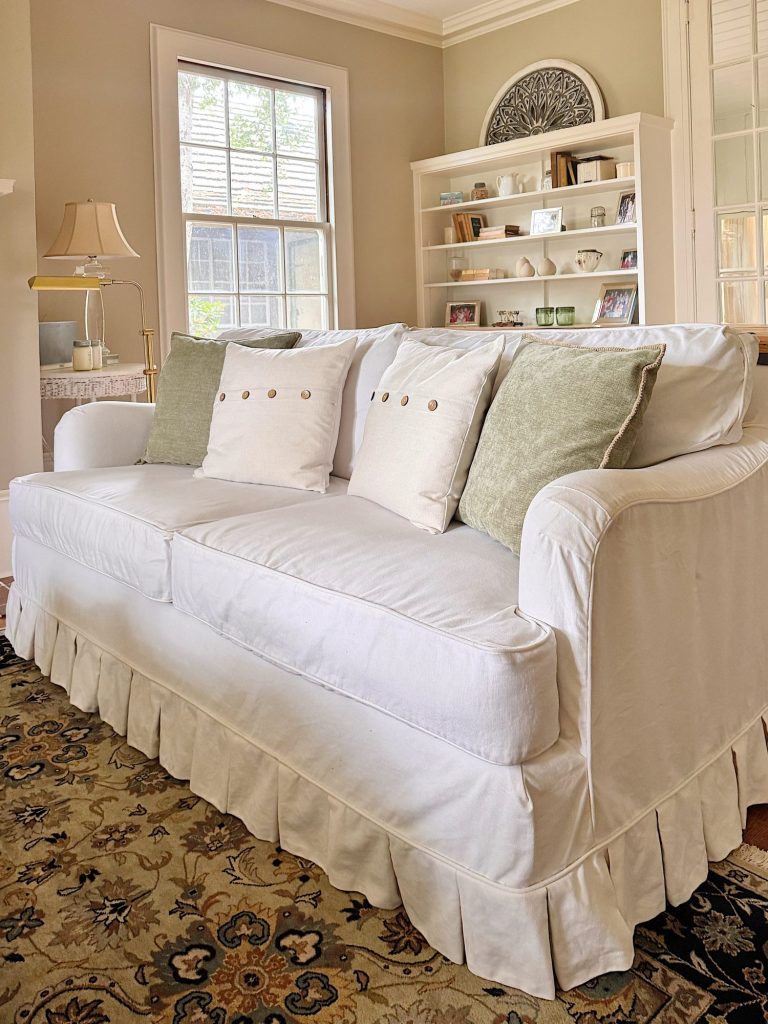
Credit: my100yearoldhome.com
Credit: aquaintlife.com
Frequently Asked Questions
What Materials Are Best For Slipcovers?
Cotton and polyester blends are popular for slipcovers due to their durability. They are easy to wash and maintain. Linen offers a luxurious look but requires more care. Consider fabric weight and texture for comfort and style. Choose materials that match your room’s decor and usage needs.
How Do I Measure Sofa Cushions?
Start by measuring the length, width, and thickness of each cushion. Use a flexible tape measure for accuracy. Write down measurements to avoid confusion. Include extra inches for seams and fitting. Accurate measurements ensure a snug fit and help in choosing the right fabric.
Can I Make Slipcovers Without Sewing?
Yes, using fabric glue or Velcro can help avoid sewing. These methods are great for temporary solutions or beginners. Fabric glue offers a neat finish, while Velcro allows easy removal. Ensure you choose strong adhesives for durability. However, sewing provides a more professional and long-lasting result.
How Do I Choose The Right Fabric Color?
Consider existing decor and color schemes in your room. Neutral colors offer versatility and timeless appeal. Bold colors can add a statement but might overpower. Test fabric swatches in different lights to see how they look. Choose colors that complement your style and enhance your space.
Conclusion
Creating slipcovers for sofa cushions can be a rewarding task. It brings a fresh look to your living space. You save money and personalize your decor. Follow these steps for a beautiful outcome. Measure accurately and choose durable fabric. Your sofa will feel brand new.
This project suits beginners and experts alike. Enjoy crafting your own unique style. With patience, you achieve a fantastic result. Slipcovers add charm and comfort. Transform your living room with this simple DIY project. Let your creativity shine. Embrace the change and enjoy your refreshed home environment.

Home Improvement Expert & Senior Writer at HomeFixio
Reed Atwood is a seasoned home improvement expert with a passion for transforming everyday living spaces into functional and stylish havens. With years of experience in DIY projects, renovations, and home upgrades, Reed brings a wealth of knowledge to HomeFixio. As a senior writer, he provides readers with practical, easy-to-follow guides, expert tips, and innovative solutions for every room in the house. His goal is to empower homeowners to tackle their projects with confidence, ensuring both quality results and a rewarding experience.


