Can a Desk Lamp Cause Skin Cancer? Debunking Myths
Have you ever wondered if the glow from your desk lamp could be doing more than just illuminating your late-night study sessions? The concern is real: can a desk lamp cause skin cancer?
It’s a question that might not have crossed your mind before, but understanding the potential risks could be crucial for your health. By delving into this topic, you’ll uncover surprising truths about the everyday items in your home and their impact on your skin.
Imagine the peace of mind you’ll gain once you know whether your trusty desk lamp is a harmless ally or a hidden hazard. Stick with us as we shed light on this intriguing topic—you might be surprised by what you learn.
Desk Lamps And Uv Radiation
Desk lamps typically emit visible light, not UV radiation, minimizing skin cancer risks. UV radiation is the primary cause of such cancers. Regular use of desk lamps is generally safe, but always verify the lamp type to ensure safety.
Desk lamps are a staple in many homes and offices, providing the perfect lighting for reading, working, or simply adding ambiance to a space. But did you know that some desk lamps might emit UV radiation? This raises the question: can your seemingly harmless desk lamp pose a risk to your skin? Let’s delve into the intriguing relationship between desk lamps and UV radiation.Understanding Uv Radiation
UV radiation is a type of energy produced by the sun and some artificial sources like desk lamps. It comes in three main types: UVA, UVB, and UVC. While the sun is the primary source, certain artificial lights can also emit UVA and UVB rays. Are you aware that prolonged exposure to UV rays can lead to skin damage? This includes premature aging and even skin cancer. It’s crucial to understand whether your desk lamp is contributing to this risk.Types Of Desk Lamps
Not all desk lamps are created equal. Some use LED bulbs, while others might use halogen or fluorescent bulbs. Each type has its own level of UV emission. LED lights typically emit the least amount of UV radiation, making them a safer choice. Have you ever wondered why certain lamps feel hotter than others? This heat can indicate a higher emission of UV rays, especially in halogen bulbs. Selecting the right type of bulb can be a simple yet effective way to reduce your exposure.Safety Tips For Using Desk Lamps
Consider placing your lamp at a safe distance from your skin. This can help minimize direct exposure to any UV rays. Using lampshades or filters can also reduce UV emissions. How often do you change your lamp’s bulb? Regularly replacing old bulbs can ensure that you’re using the latest, safest technology. And remember, even though it might seem unnecessary, wearing sunscreen indoors can provide an extra layer of protection against unexpected UV exposure.Personal Story: My Experience With Desk Lamps
I once spent hours studying under a bright desk lamp during college. Little did I know, it was a halogen lamp emitting UV rays. After noticing some redness on my skin, I decided to switch to an LED lamp. The change was immediate—no more skin irritation, and a lot more peace of mind. Have you had a similar experience? It’s surprising how small changes in our environment can significantly impact our health. Stay informed about the lighting choices in your home and workspace. Your skin will thank you for it.Types Of Light Emission
Desk lamps are common in homes and offices. They emit various types of light. Understanding these emissions can help assess their health impacts. Let’s explore the light emissions from different bulb types.
Incandescent Bulbs
Incandescent bulbs emit light through heated filaments. Their light includes visible and infrared wavelengths. They produce minimal ultraviolet (UV) radiation. UV exposure from these bulbs is usually low. This reduces the risk of skin damage.
Led Bulbs
LED bulbs are energy-efficient and popular. They emit light through electroluminescence. LEDs produce little to no UV radiation. This makes them safer for skin exposure. They also produce less heat than incandescent bulbs.
Fluorescent Bulbs
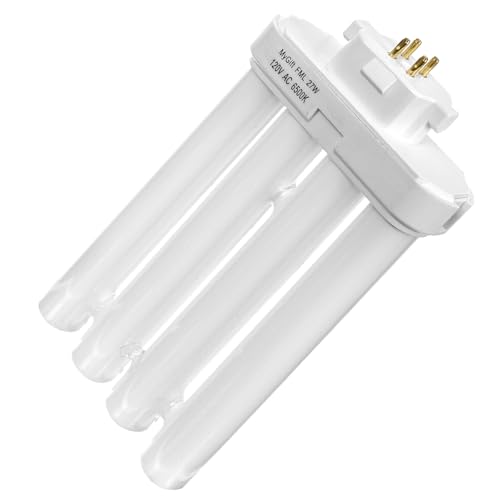
Fluorescent bulbs use gas and phosphor coatings to emit light. They produce UV radiation converted to visible light. UV exposure from these bulbs can be higher. Long-term exposure might increase skin cancer risk. Proper shielding can reduce exposure.
Understanding Skin Cancer
Skin cancer is a common form of cancer. It develops in the skin cells. Early detection is crucial for effective treatment. Knowing the types and causes helps reduce risks. Desk lamps have come under scrutiny for potential skin harm. Understanding skin cancer can help make informed choices.
Types Of Skin Cancer
Three main types exist. Basal cell carcinoma is the most common. It starts in the basal cells. Squamous cell carcinoma begins in the squamous cells. Melanoma is the most dangerous. It originates in the melanocytes.
Causes And Risk Factors
Ultraviolet radiation is a major cause. It comes from the sun and tanning beds. Risk factors include fair skin and a family history. Personal habits like sunbathing increase the risk. Desk lamps may emit small amounts of UV light. Understanding these factors aids in prevention.
Common Myths About Desk Lamps
Desk lamps are a staple in many homes and offices, providing light exactly where you need it. Yet, they come with their own set of myths, particularly about their impact on skin health. Can they really lead to skin cancer? Let’s debunk some common myths about desk lamps and understand the truths behind them.
Uv Exposure From Desk Lamps
One of the most common myths is that desk lamps emit harmful UV rays that can cause skin cancer. Surprisingly, most desk lamps do not emit significant UV radiation. Unlike the sun or tanning beds, standard desk lamps are designed to provide visible light, not UV light. This means your evening work sessions are unlikely to pose a risk similar to spending hours under the sun.
Some lamps, especially older models, may have bulbs that emit minimal UV radiation, but the levels are generally too low to be harmful. Consider checking the specifications of your lamp if you’re concerned. If UV exposure worries you, opting for LED lamps can ease your mind, as they typically emit no UV radiation.
Heat Emission And Skin Damage
Another myth is that the heat from desk lamps can damage your skin. While it’s true that certain lamps, like halogen or incandescent, can become quite hot, the heat is unlikely to cause skin cancer. It’s more about discomfort and potential burns if you accidentally touch the lamp.
Your skin may feel warm if you’re sitting close to a lamp for extended periods, but this doesn’t equate to long-term damage or cancer risk. Position your lamp at a comfortable distance to ensure you aren’t exposed to excessive heat. If you’re worried about heat emission, try using LED lamps, as they remain cool to the touch.
Have you ever considered how often you sit under your desk lamp compared to natural sunlight? While desk lamps are essential for focused lighting, they don’t compare to the sun’s exposure. The myths surrounding desk lamps can often lead to unnecessary concerns. Understanding the realities of UV radiation and heat emission can help you make informed decisions about your lighting choices.
Scientific Studies And Findings
Recent studies explore desk lamps’ UV emissions and their link to skin cancer. Research reveals that most desk lamps emit minimal UV rays. These emissions are unlikely to cause significant skin damage.
Have you ever wondered if the humble desk lamp sitting on your table could pose a health risk? With the increasing awareness of skin cancer causes, it’s natural to question if the light sources we use daily could be harmful. Let’s dive into the scientific studies and findings to uncover the truth about desk lamps and their potential risks.Research On Light Sources
Scientists have studied various light sources to understand their impact on skin health. Traditional incandescent bulbs emit light that resembles natural sunlight but with less UV radiation. LED lights, popular in modern desk lamps, produce minimal UV radiation, reducing the risk of skin damage. These studies suggest that while typical desk lamps emit light, they aren’t likely to cause skin cancer.Potential Risks And Precautions
Despite the reassuring findings, it’s essential to remain cautious. Long exposure to UV light, regardless of the source, can increase skin cancer risks. Consider using desk lamps with LED bulbs, which have lower UV emissions. Additionally, avoid prolonged exposure to direct light from any lamp, especially if you have sensitive skin. These precautions can help ensure your workspace remains safe without compromising your well-being. Have you checked the type of bulb in your lamp lately?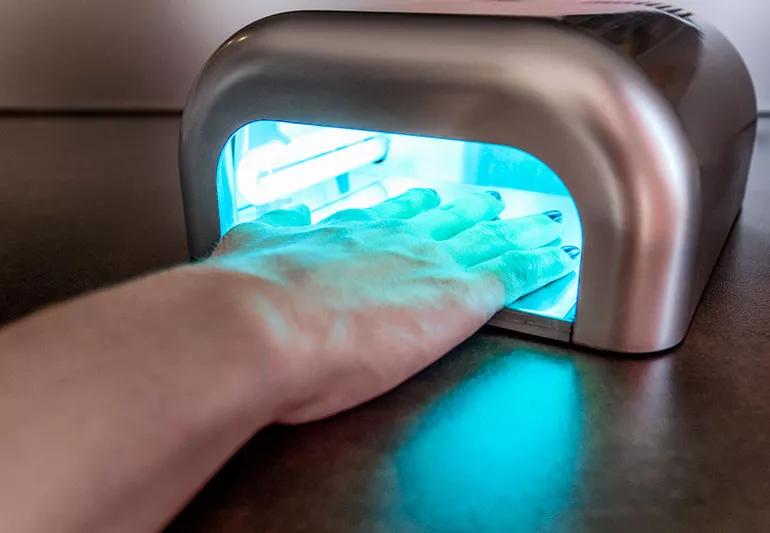
Credit: health.clevelandclinic.org
Safety Tips For Desk Lamp Use
Desk lamps are common in homes and offices. While they help with focus and productivity, concerns about skin health arise. Understanding safe desk lamp use is important. Here are tips to ensure your lamp use is risk-free.
Choosing The Right Bulb
Choose a bulb with low UV emissions. LED bulbs are a good choice. They emit very little UV light. Check labels for UV information. Avoid bulbs labeled as UV or black light. These emit more harmful rays. Energy-efficient bulbs are better for your health and wallet.
Positioning And Duration
Place the lamp at a safe distance. Keep it at least 12 inches away from your skin. Direct the light away from your body. Position it towards your work area instead. Limit the time under direct light. Take regular breaks to reduce exposure. Use the lamp only when needed. This can lower any potential risks. Adjust the lamp to prevent glare and overexposure.
Alternative Light Sources
Worried about desk lamps and skin cancer risks? Consider alternative light sources. They offer safer options without compromising on brightness or comfort. Explore natural and artificial lighting choices to find what suits you best.
Natural Lighting
Natural light is a great alternative. It doesn’t emit harmful UV rays. Open your blinds during the day. Let the sunlight flood your workspace. Natural light improves mood and boosts productivity. It also reduces eye strain.
Other Artificial Lighting Options
LED lights are popular and energy-efficient. They emit minimal heat and no UV radiation. LED desk lamps are a smart choice for safety and sustainability. Another option is CFL bulbs. These are affordable and use less energy than traditional bulbs. CFLs also produce less heat, making them safer for prolonged use.
Explore these alternatives. Enhance your work environment and protect your skin. Choose lighting that meets both your needs and safety standards.

Credit: madisonliquidators.com

Credit: shopdecor.com
Frequently Asked Questions
Can Desk Lamps Emit Harmful Uv Rays?
Most desk lamps use LED or fluorescent bulbs, which emit minimal UV rays. These are generally considered safe. However, halogen and incandescent bulbs can emit more UV radiation. Using a lampshade or UV-filtering cover can reduce exposure. It is advisable to limit direct, prolonged exposure to any light source.
Do Led Desk Lamps Cause Skin Cancer?
LED desk lamps emit very low levels of UV radiation. They are not considered a significant risk for skin cancer. Unlike sunlight, they lack the UVB and UVA rays that are harmful. Using LED lamps in moderation is generally safe for skin health.
How Can I Protect My Skin From Desk Lamps?
To protect your skin, use a desk lamp with a shade or cover. Opt for LED or fluorescent bulbs, which emit minimal UV rays. Position the lamp at a distance from your skin. Avoid prolonged direct exposure to any light source to minimize potential risks.
Are Fluorescent Lamps Safer Than Incandescent Lamps?
Fluorescent lamps emit less UV radiation compared to incandescent lamps. They are generally considered safer for prolonged use. However, both types of lamps should be used with caution. Use a lampshade or UV-filtering cover to further reduce UV exposure from any light source.
Conclusion
Desk lamps rarely cause skin cancer. Their UV exposure is minimal. Yet, prolonged exposure isn’t advisable. Use lamps wisely. Choose lamps with protective covers. Limit direct skin contact with light. Regularly check for safety certifications. Awareness is crucial. Understand your lamp’s features.
Stay informed about its potential effects. Keep your skin healthy. Consult professionals if worried. Prevention is better than cure. Prioritize your skin’s safety. Choose lighting that suits your needs. Balance is key. A little caution goes a long way. Stay safe, stay informed, and enjoy your workspace.

Home Improvement Specialist & Writer at HomeFixio
Caden Rutherford is a seasoned home improvement specialist with extensive hands-on experience in residential construction, renovations, and design. With a keen eye for detail and a passion for transforming spaces, Caden shares practical advice and expert solutions to enhance the functionality and beauty of homes. As a writer for HomeFixio, Caden combines technical knowledge with creative flair, providing readers with informative guides on everything from structural improvements to aesthetic upgrades, empowering homeowners to achieve their ideal living spaces.