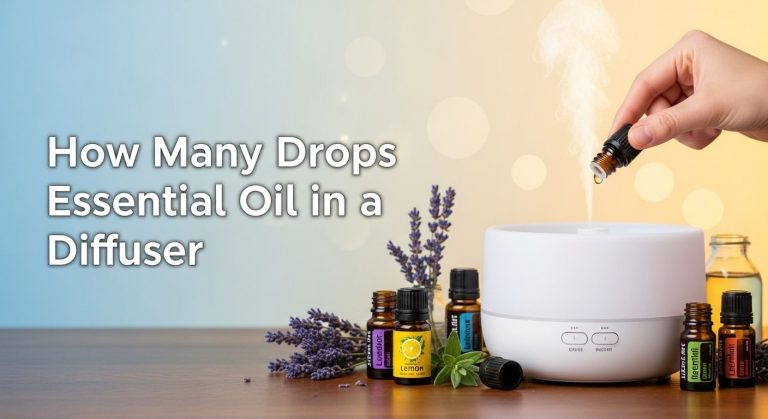
Can a Humidifier Be Used As a Diffuser: Unveiling the Truth
Have you ever wondered if your humidifier can also work as a diffuser? You’re not alone.
Many people want to enjoy the benefits of both but aren’t sure if one device can do it all. Imagine filling your room with soothing mist and your favorite essential oils at the same time. Sounds great, right? Keep reading to find out if your humidifier can double as a diffuser—and how to do it safely and effectively.
This simple trick could change the way you relax and breathe at home.
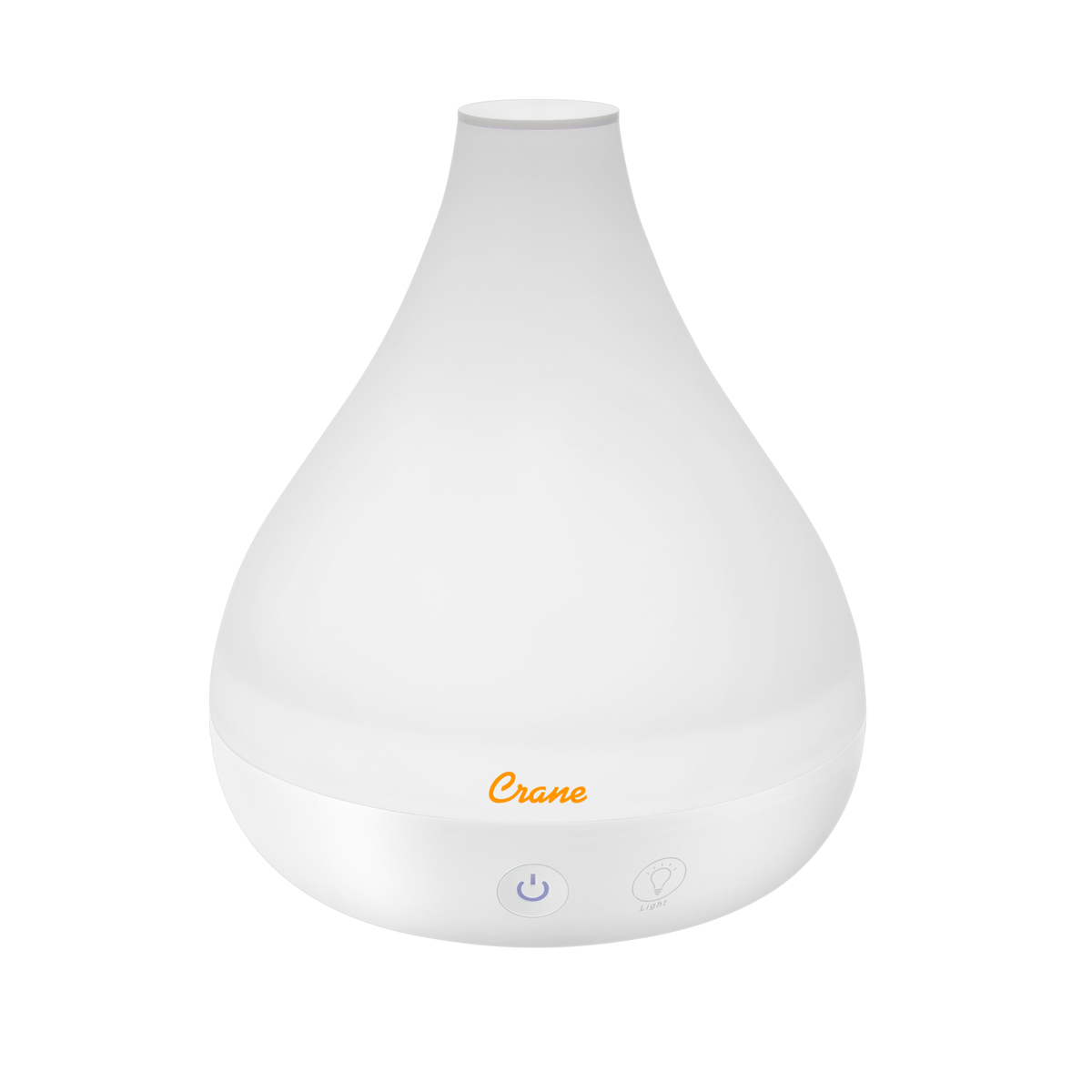
Credit: crane-usa.com
Differences Between Humidifiers And Diffusers
Understanding the differences between humidifiers and diffusers helps in choosing the right device. Both add moisture to the air but serve distinct roles. Knowing their features aids in deciding if a humidifier can act as a diffuser.
Function And Purpose
Humidifiers increase air moisture to ease dryness. They help with dry skin, throat irritation, and cold symptoms. Diffusers spread essential oils into the air for aroma and relaxation. Their main goal is to create a pleasant scent and atmosphere.
Design And Mechanism
Humidifiers use water tanks and ultrasonic or evaporative technology to release mist. They produce a fine, cool, or warm mist to raise humidity. Diffusers typically use ultrasonic waves to break essential oils into tiny particles. The mist from diffusers carries fragrance but adds less moisture.
Types And Variations
- Humidifiers:Ultrasonic, evaporative, steam vaporizers, and impeller models.
- Diffusers:Ultrasonic, nebulizing, heat, and evaporative types.
- Humidifiers focus on output volume for larger spaces.
- Diffusers focus on spreading scent in smaller areas.
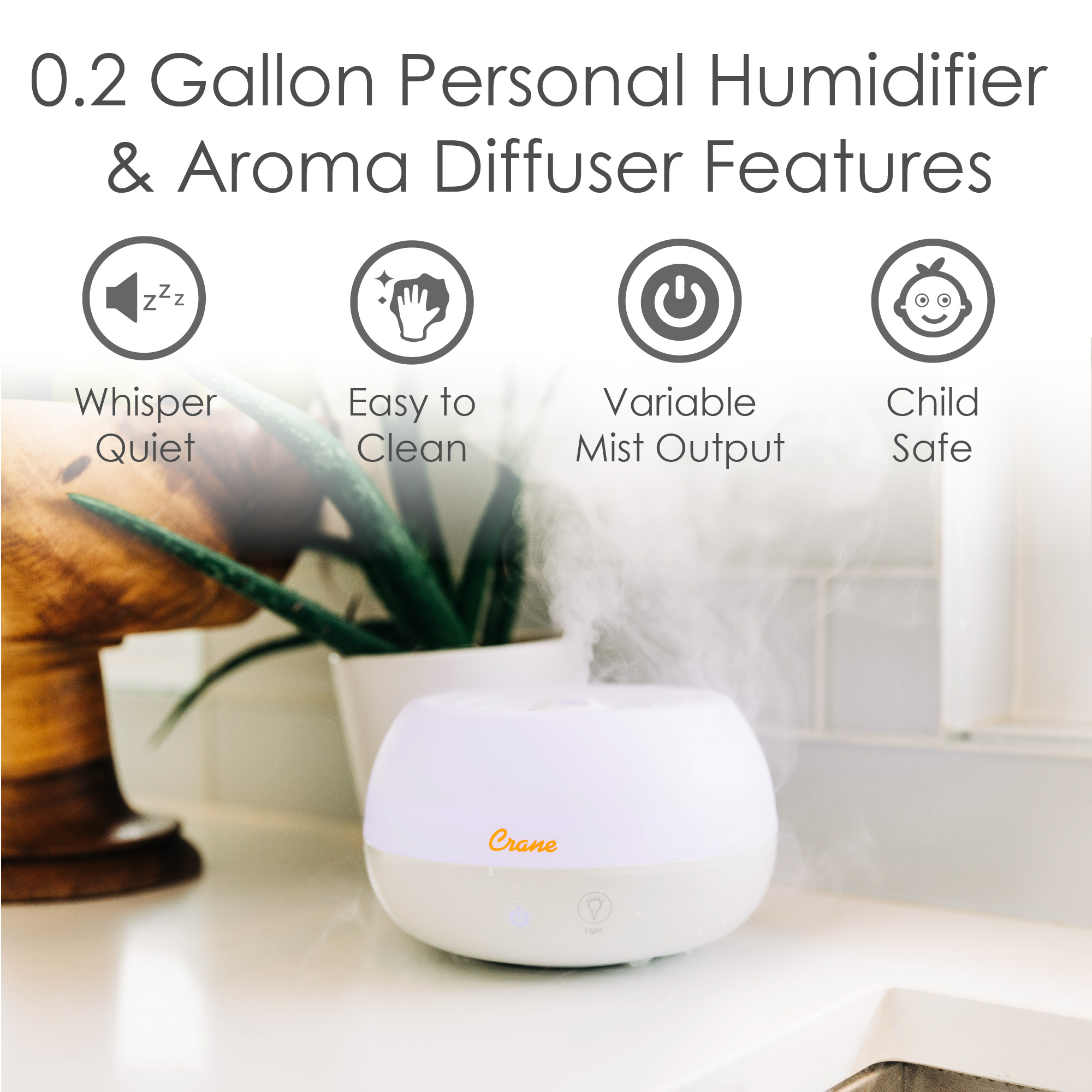
Credit: crane-usa.com
Using A Humidifier As A Diffuser
Using a humidifier as a diffuser might seem like a handy way to combine two devices into one. You may have wondered if adding essential oils directly to your humidifier could give you the benefits of aromatherapy along with increased moisture. Before you try this, it’s important to understand how feasible and safe this practice is, along with what results you can realistically expect.
Feasibility And Safety
Not all humidifiers are designed to work with essential oils. Many models use materials that can degrade or get damaged when exposed to oils. If your humidifier’s instructions explicitly mention avoiding oils, adding them could void the warranty or even cause malfunctions.
Some ultrasonic humidifiers can handle a few drops of essential oils, but it’s crucial to check the manufacturer’s guidelines. Using oils in an incompatible device may lead to clogged parts or a shortened lifespan. Have you checked if your humidifier has a dedicated compartment for oils?
Potential Risks And Concerns
Adding essential oils directly to a humidifier’s water tank can create safety issues. Oils might cause irritation to your respiratory system if dispersed in high concentrations. If children or pets are in your home, certain oils can be harmful to them when diffused improperly.
Another risk is residue buildup. Oils can leave sticky deposits inside the humidifier, encouraging mold growth or bacterial contamination. This can defeat the purpose of using a humidifier to improve air quality. Are you prepared to clean your device more often if you choose this route?
Effectiveness In Aromatherapy
Humidifiers are designed primarily to add moisture to the air, not to disperse scents evenly. Even if you add essential oils, the fragrance might be faint or inconsistent. Diffusers, on the other hand, are built to release a fine mist with evenly distributed aromatherapy benefits.
If your goal is relaxation or mood enhancement, relying on a humidifier might not give you the full experience. However, some users report mild scent benefits when using compatible humidifiers with oils. Would you prefer investing in a dedicated diffuser for more effective aromatherapy?
Essential Oils And Humidifiers
Using essential oils with a humidifier might seem like a simple way to enjoy both moisture and fragrance. However, it’s important to understand how these oils interact with your device. Adding essential oils to a humidifier isn’t always straightforward and can affect the machine’s performance and your health.
Compatibility Issues
Not all humidifiers are designed to handle essential oils. Most cool mist humidifiers use a water reservoir and ultrasonic vibrations to create mist. Essential oils can clog these mechanisms or damage plastic parts.
Check your humidifier’s manual before adding oils. Some devices explicitly warn against it. If your humidifier isn’t compatible, consider buying a diffuser made specifically for essential oils instead.
Impact On Device Longevity
Essential oils can cause long-term damage to humidifiers. The oils might corrode plastic tanks or leave sticky residues inside the machine.
Over time, this buildup can reduce the humidifier’s efficiency or cause it to stop working altogether. Cleaning your humidifier regularly helps, but persistent oil deposits are hard to remove.
Have you ever noticed a strange smell or reduced mist output after adding oils? That’s often a sign the device is struggling.
Health Considerations
Adding essential oils to a humidifier can affect indoor air quality. Some oils may irritate your lungs or trigger allergies, especially if the mist carries concentrated particles.
People with asthma or respiratory issues should be cautious. Diffusers disperse oils in a way that’s generally safer and more controlled than humidifiers.
Ask yourself: Is it worth risking your health for convenience? Using the right device ensures you enjoy benefits without unexpected side effects.
Best Practices For Aromatherapy
Aromatherapy offers many benefits, such as relaxation and better sleep. Using a device correctly ensures you enjoy these benefits safely. Best practices help avoid damage to your device and keep the air clean.
Choosing The Right Device
Select a device designed for aromatherapy. Diffusers use water and essential oils together. Humidifiers mainly add moisture and may not handle oils well. Using the wrong device can cause damage or reduce effectiveness.
Look for features like:
- Separate compartments for oils and water
- Adjustable mist settings
- Auto shut-off when water runs out
Proper Usage Tips
Use only pure, high-quality essential oils. Avoid synthetic fragrances or oils with additives. Add oils in small amounts to avoid strong scents. Start with two to three drops per 100 ml of water.
Do not pour oils directly into a humidifier’s water tank. This can clog or damage the machine. Follow the manufacturer’s instructions carefully for adding oils.
Maintaining Device Hygiene
Clean your device regularly to prevent mold and bacteria growth. Empty leftover water after each use. Wipe the tank with a soft cloth and mild soap weekly.
Remove oil residue to keep the device working well. Rinse thoroughly and dry before the next use. Proper cleaning extends the device’s life and ensures safe aromatherapy.
Alternatives To Humidifiers For Diffusing
If you’re wondering whether a humidifier can double as a diffuser, it’s worth considering other options designed specifically for spreading essential oils. Humidifiers focus on adding moisture to the air, but diffusers specialize in dispersing aromas effectively and safely. Exploring alternatives can help you find the best fit for your space and wellness routine.
Dedicated Diffuser Types
Dedicated diffusers come in several styles, each with unique benefits. Ultrasonic diffusers use water and vibrations to create a fine mist, mixing essential oils with moisture. Nebulizing diffusers don’t use water; instead, they release pure essential oil particles, giving a stronger scent without dilution.
There are also heat diffusers that gently warm oils, releasing fragrance without altering their chemical properties. Passive diffusers, like reed diffusers, slowly disperse scent through natural evaporation. Which type suits your daily routine and space size? Think about how long you want the aroma to last and how intense it should be.
Diy Methods
You don’t always need a gadget to enjoy essential oils. DIY methods offer simple, cost-effective ways to diffuse aromas around your home. Try placing a few drops of your favorite oil on a cotton ball or tissue and setting it near an air vent or fan to spread the scent.
Another easy trick is simmering water with citrus peels and spices, creating a natural fragrance without any devices. Have you ever tried making your own potpourri or scented sachets? These can freshen up small spaces like drawers or closets while adding a personal touch.
Other Aromatherapy Tools
Besides diffusers, several other tools enhance your aromatherapy experience. Aromatherapy jewelry, such as necklaces or bracelets with absorbent pads, lets you carry your favorite scents all day. This can be especially helpful if you want a discreet way to enjoy essential oils.
Aroma inhalers are another option—they’re portable and allow you to take quick, direct breaths of essential oils whenever you need a boost. Have you considered using essential oils in bath salts or massage oils? These methods deliver benefits without relying on air diffusion, offering more versatility in how you enjoy aromatherapy.

Credit: www.amazon.com
Frequently Asked Questions
Can A Humidifier Safely Diffuse Essential Oils?
Most humidifiers are not designed for essential oils. Using oils can damage the device or reduce its lifespan. Use a diffuser specifically made for essential oils to ensure safety and effectiveness.
What Is The Difference Between A Humidifier And Diffuser?
A humidifier adds moisture to the air to relieve dryness. A diffuser disperses essential oils for aroma and therapeutic benefits. Both serve different purposes and use distinct mechanisms.
Can Humidifiers Improve Air Quality Like Diffusers?
Humidifiers improve air moisture but don’t purify or scent the air. Diffusers release essential oils that can add fragrance and potentially enhance mood. They complement, but don’t replace each other.
How To Use A Humidifier As A Diffuser Safely?
If your humidifier supports essential oils, follow the manufacturer’s instructions. Otherwise, avoid adding oils to prevent damage. Use a separate diffuser for aromatherapy to maintain your humidifier’s function.
Conclusion
A humidifier can work as a diffuser, but with limits. It adds moisture to the air well. Yet, it may not spread scents as evenly as a true diffuser. Using essential oils in some humidifiers can cause damage. Choose devices designed for both uses if you want scent and moisture.
Always read instructions carefully before mixing oils and water. This keeps your device safe and your room fresh. Simple steps help you enjoy the benefits without trouble.

Home Improvement Specialist & Writer at HomeFixio
Caden Rutherford is a seasoned home improvement specialist with extensive hands-on experience in residential construction, renovations, and design. With a keen eye for detail and a passion for transforming spaces, Caden shares practical advice and expert solutions to enhance the functionality and beauty of homes. As a writer for HomeFixio, Caden combines technical knowledge with creative flair, providing readers with informative guides on everything from structural improvements to aesthetic upgrades, empowering homeowners to achieve their ideal living spaces.