Does a Water Filter Remove Chlorine: Find Out Now
Are you worried about the taste and smell of chlorine in your tap water? You’re not alone.
Many people wonder if a water filter can actually remove chlorine and make their water safer and better to drink. Understanding how chlorine affects your water and whether a filter can fix this issue is key to protecting your health and enjoying every sip.
Keep reading to find out what really works and how you can get cleaner, fresher water straight from your tap.
Credit: www.simpurelife.com
Chlorine In Tap Water
Chlorine is a common chemical added to tap water. It helps keep water clean and safe to drink. Many people wonder about chlorine’s effects and whether water filters can remove it. Understanding chlorine in tap water is important for health and taste.
Why Chlorine Is Used
Chlorine kills bacteria and germs in water. It stops waterborne diseases from spreading. Water treatment plants add chlorine to protect public health. Without chlorine, tap water could carry harmful microbes. It also helps keep water fresh as it travels through pipes.
Health Effects Of Chlorine
Small amounts of chlorine in water are usually safe. Some people may notice a slight taste or smell. High chlorine levels might cause irritation to skin or eyes. Drinking very high levels of chlorine over time can affect health. Most water systems control chlorine to keep it within safe limits.
Chlorine Levels In Drinking Water
Chlorine levels in tap water vary by location. The Environmental Protection Agency (EPA) sets a maximum limit. This limit protects people from too much chlorine exposure. Water providers test chlorine regularly to meet these standards. Levels are usually low enough to avoid health risks.
Credit: livpure.com
Types Of Water Filters
Choosing the right water filter can be tricky, especially when you want to remove chlorine effectively. Different filters work in different ways, so understanding the types available will help you pick one that suits your needs. Let’s take a closer look at some common water filters and how they handle chlorine.
Activated Carbon Filters
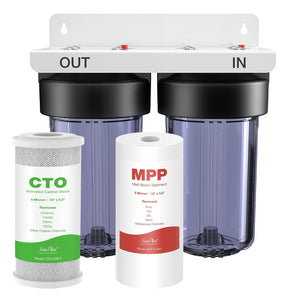
Activated carbon filters are popular for removing chlorine from water. They work by trapping chlorine molecules in tiny pores within the carbon material. Many pitchers, faucet attachments, and under-sink filters use this technology because it’s effective and affordable.
If you’ve ever noticed a reduction in that strong “swimming pool” smell after filtering your tap water, you’ve likely experienced activated carbon at work. However, keep in mind these filters need regular replacement to maintain effectiveness. Have you checked how often your filter cartridge needs changing?
Reverse Osmosis Systems
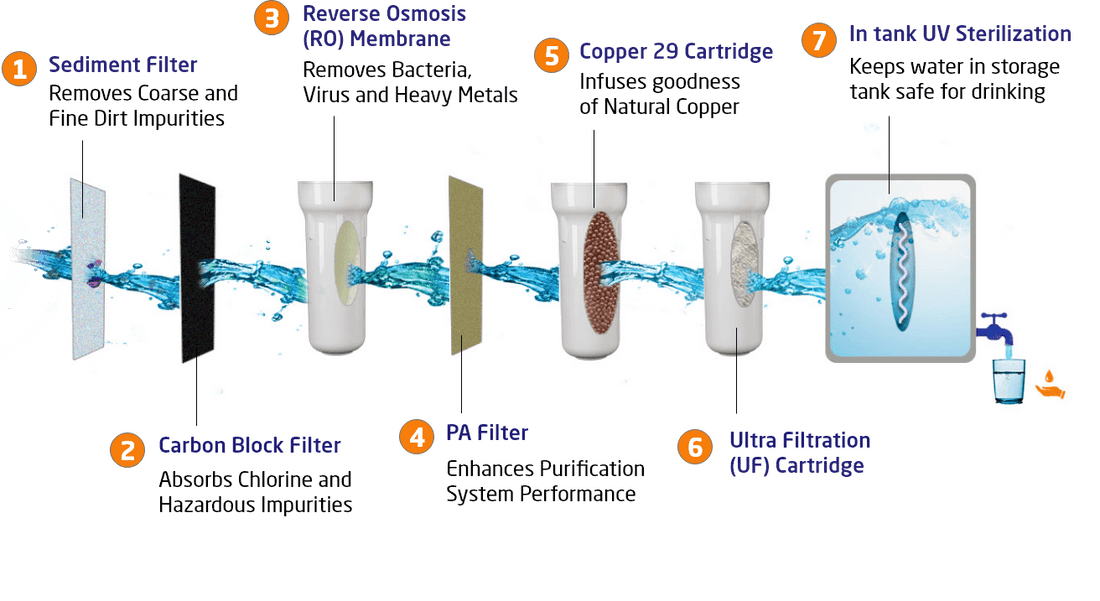
Reverse osmosis (RO) systems push water through a semi-permeable membrane to remove many impurities, including chlorine. These systems often combine multiple filtration stages, which means they can eliminate chlorine and other contaminants more thoroughly than carbon filters alone.
RO systems are usually installed under the sink and require professional installation. They can waste some water during filtration, so consider if that fits your household’s water use habits. Are you ready to invest in a system that provides nearly pure water?
Uv Filters And Others
UV filters use ultraviolet light to kill bacteria and viruses but do not remove chlorine from water. Some water filters combine UV treatment with other filtration methods for comprehensive purification. If your main concern is chlorine, UV alone won’t solve it.
Other filter types like ceramic or ion exchange focus on different contaminants and are less effective against chlorine. Understanding what each filter targets can save you from spending money on ineffective solutions. What specific water issues do you want your filter to fix?
How Filters Remove Chlorine
Chlorine is a common chemical used to disinfect water. Many water filters remove chlorine to improve taste and safety. Understanding how these filters work helps in choosing the right one for your home. Filters remove chlorine mainly through chemical processes that capture and neutralize the chlorine molecules.
Chemical Adsorption Process
Filters use chemical adsorption to trap chlorine. Adsorption means chlorine sticks to the surface of the filter material. Activated carbon is a popular material for this. It has many tiny pores that capture chlorine particles.
As water passes through, chlorine molecules attach to the carbon. This process reduces chlorine levels significantly. It also removes chlorine’s strong smell and taste. The filter’s effectiveness depends on the carbon’s surface area and quality.
Effectiveness Of Different Filters
Not all filters remove chlorine equally. Some common types include:
- Activated Carbon Filters:Very effective at removing chlorine and its odor.
- Reverse Osmosis Systems:Remove chlorine and other impurities by forcing water through a membrane.
- Ion Exchange Filters:Less common for chlorine removal but useful for other chemicals.
Activated carbon filters are the most widely used for chlorine. They balance cost and performance well. Reverse osmosis provides extra purification but is more expensive. Choose a filter based on your needs and budget for best results.

Credit: www.reddit.com
Testing Chlorine Removal
Testing chlorine removal is essential to know if your water filter is doing its job effectively. Without proper testing, you might be drinking water that still contains chlorine, which can affect taste and health. Understanding how to test and interpret results puts control in your hands and ensures safer water for you and your family.
Methods To Detect Chlorine
You can detect chlorine in water using several simple methods. One popular way is using chlorine test strips. These strips change color when dipped in water, indicating chlorine levels instantly.
Another method involves liquid test kits, which use drops that react with chlorine to produce a color change. These kits often provide more precise readings than strips.
Electronic chlorine meters offer digital readings and are highly accurate, but they can be more expensive. Depending on your needs, you can choose a method that fits your budget and accuracy requirements.
Interpreting Test Results
After testing, you’ll see colors or numbers that tell you the chlorine concentration in your water. Usually, the results show parts per million (ppm) or milligrams per liter (mg/L).
If the chlorine level is above 0.5 ppm, your filter might not be removing enough chlorine. Ideally, a good water filter should reduce chlorine to near zero or below 0.2 ppm.
Don’t just trust one test; try multiple readings at different times. This helps you confirm if your filter consistently removes chlorine and ensures your water stays safe over time.
Choosing The Right Filter
Choosing the right water filter can make a huge difference in how effectively chlorine is removed from your drinking water. Not all filters are created equal, so understanding what to look for helps you make a smarter choice. Your health and taste preferences depend on picking a filter that truly delivers clean, fresh water.
Filter Certifications To Look For
Certifications tell you if a filter really works as promised. Look for filters certified by organizations like NSF International or the Water Quality Association (WQA). These certifications verify that the filter reduces chlorine and meets safety standards.
Specifically, NSF/ANSI Standard 42 focuses on chlorine taste and odor reduction. Choosing a filter with this certification gives you confidence that chlorine will be effectively removed. Don’t just trust marketing claims—check the label for these credentials before buying.
Maintenance And Replacement Tips
Even the best filter won’t work well if you neglect maintenance. Filters clog over time and lose their ability to remove chlorine, so regular replacement is essential.
Check the manufacturer’s recommended lifespan, usually measured in gallons or months. Keep a schedule or set reminders to change your filter on time. If you notice a strange taste or smell returning, it’s a clear sign that your filter needs attention immediately.
Other Ways To Reduce Chlorine
Chlorine is common in tap water to kill germs. Some water filters remove chlorine well, but other simple ways also reduce it. These methods help lower chlorine without special equipment. They are easy and use natural processes or simple ingredients.
Boiling And Letting Water Sit
Boiling water makes chlorine evaporate quickly. Bring water to a boil for about 15 minutes. Let it cool before use. This method works well for small amounts of water.
Another way is to let water sit in an open container. Leave it for 24 hours. Chlorine naturally escapes into the air. Use a wide container to speed up the process.
Using Vitamin C Or Natural Methods
Vitamin C neutralizes chlorine fast. Add a small amount of vitamin C powder or tablets to water. Stir well and wait a few minutes. This method is safe and effective.
Some plants also reduce chlorine in water. For example, activated charcoal and certain aquatic plants absorb chlorine. These natural methods help improve water taste and safety.
Frequently Asked Questions
Does A Water Filter Remove Chlorine Completely?
Not all water filters remove chlorine completely. Activated carbon filters are most effective at reducing chlorine taste and odor. Some filters may only reduce chlorine partially. Check the filter specifications to ensure chlorine removal capability.
Which Water Filters Are Best For Chlorine Removal?
Activated carbon filters and reverse osmosis systems are best for chlorine removal. They effectively reduce chlorine and improve water taste. Choose filters certified for chlorine removal for optimal results.
How Does Chlorine Removal Affect Water Taste?
Removing chlorine improves water taste by eliminating the chemical smell and bitterness. Chlorine can make water taste harsh. Filters that remove chlorine provide fresher, cleaner-tasting water.
Can All Household Water Filters Remove Chlorine?
No, not all household water filters remove chlorine. Only specific types, like activated carbon filters, target chlorine. Always verify if the filter is designed to reduce chlorine before purchasing.
Conclusion
Water filters can remove chlorine from your drinking water. This makes the water taste better and smell fresher. Not all filters work the same way, so check the product details. Activated carbon filters are often the best choice for chlorine removal.
Clean water helps protect your health and improves daily life. Choose a filter that fits your needs and budget. Clean, safe water is worth the effort.

Home Improvement Expert & Senior Writer at HomeFixio
Reed Atwood is a seasoned home improvement expert with a passion for transforming everyday living spaces into functional and stylish havens. With years of experience in DIY projects, renovations, and home upgrades, Reed brings a wealth of knowledge to HomeFixio. As a senior writer, he provides readers with practical, easy-to-follow guides, expert tips, and innovative solutions for every room in the house. His goal is to empower homeowners to tackle their projects with confidence, ensuring both quality results and a rewarding experience.