

How to Filter Calcium from Water: Effective Solutions
Are you tired of dealing with hard water that leaves spots on your dishes and makes your skin dry? Calcium in your water might be the hidden culprit.
Learning how to filter calcium from water can improve not just the taste but also the quality of your daily life. Imagine enjoying cleaner water that protects your appliances and feels better on your skin. You’ll discover simple and effective ways to remove calcium from your water, so you can take control and enjoy the benefits of soft, pure water every day.
Keep reading to find out how easy it can be!
Sources Of Calcium In Water
Calcium often appears in water naturally. It comes from various sources in the environment. Understanding these sources helps to know why calcium levels vary. It also explains why filtering may be needed.
Natural Occurrence
Calcium in water mainly comes from rocks and soil. Limestone and chalk are common calcium-rich minerals. Water passes through these materials, picking up calcium ions. This process raises the hardness of the water. Hard water contains more calcium and magnesium.
Groundwater often has higher calcium levels. It flows through underground rock layers, dissolving minerals. Surface water, like rivers and lakes, usually has less calcium. It depends on nearby rock and soil types.
Common Water Sources Affected
- Wells and boreholes often contain hard water.
- Municipal water from areas with limestone bedrock may have high calcium.
- Water from springs can carry dissolved calcium minerals.
- Surface water in regions with little calcium-rich rock tends to have low calcium.
Knowing the source helps decide the right filter. Some water sources need strong filters. Others need minimal treatment for calcium removal.
Health And Household Effects
Calcium in water affects both health and daily life. While calcium is a vital mineral for the body, too much in water can cause problems. It changes water taste and texture. It also impacts household systems and appliances. Understanding these effects helps manage water quality better.
Impact On Drinking Water
High calcium levels make water hard. Hard water often tastes bitter or chalky. It can leave a white film on cups and dishes. People may notice dry skin or hair after washing. Calcium does not cause illness but affects water quality. Softening water improves taste and feel.
Damage To Appliances And Plumbing
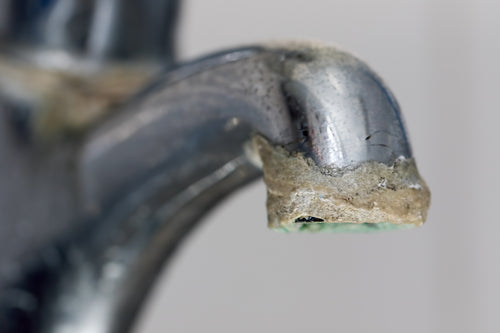
Calcium buildup clogs pipes and fixtures. Scale forms inside pipes, reducing water flow. Appliances like kettles, washing machines, and water heaters work less efficiently. Scale buildup increases energy use and repair costs. Regular cleaning or using water filters can prevent damage. Protecting plumbing extends appliance life and saves money.
Testing Calcium Levels
Testing calcium levels in your water is the first step to understanding how much calcium is present and whether you need to take action. Without testing, you might be guessing and using unnecessary filters or missing out on treating a real problem. Knowing your water’s calcium content helps you choose the right filtration method and maintain your plumbing and appliances.
Diy Testing Methods
You can quickly check calcium levels at home using simple test kits available online or at hardware stores. These kits usually include test strips or liquid reagents that change color based on the hardness of your water.
To get accurate results, follow the instructions carefully. Dip the test strip into a water sample and compare the color change to the chart provided. This gives you a rough estimate of calcium concentration.
While DIY kits are affordable and easy, they might not detect subtle differences in calcium levels. Have you ever been surprised by how your water tested differently than you expected? This experience shows why occasional professional testing can be valuable.
Professional Water Testing
For precise calcium level measurements, professional water testing is the best choice. Experts use advanced equipment like atomic absorption spectrometers to measure calcium and other minerals accurately.
Sending a water sample to a certified lab can provide detailed reports about all mineral contents, including calcium, magnesium, and more. This comprehensive data helps in tailoring filtration systems perfectly to your needs.
Professional testing might cost more, but it ensures you don’t waste money on unnecessary treatments. Have you considered how much you might save by targeting only the minerals that actually cause problems in your home?
Water Softening Techniques
Water softening techniques help reduce calcium levels in water. High calcium causes hard water, which can damage pipes and appliances. Softening water improves its quality and extends the life of household systems. These techniques change calcium ions so they no longer cause hardness.
Ion Exchange Softeners
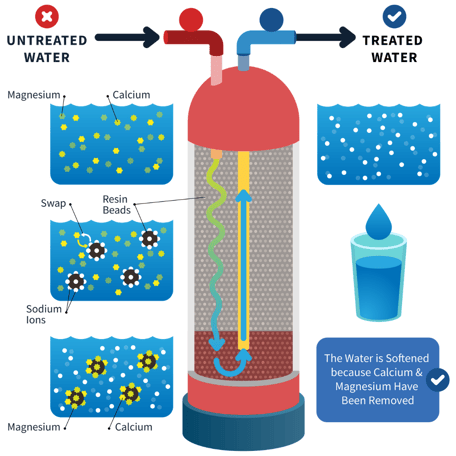
Ion exchange softeners replace calcium ions with sodium ions. Water passes through a resin bed filled with sodium. Calcium sticks to the resin, and sodium enters the water. This process lowers calcium and softens the water.
The resin needs regular regeneration with salt to work well. This restores its ability to capture calcium ions. Ion exchange softeners work effectively and are common in homes.
Salt-free Conditioners
Salt-free conditioners do not remove calcium but change its structure. They use a special media that prevents calcium from forming scale. The calcium remains in water but does not stick to pipes or appliances.
This method requires less maintenance and no salt refills. Salt-free conditioners are eco-friendly and good for areas with water use limits. They help reduce scale buildup without adding chemicals.
Reverse Osmosis Systems
Reverse Osmosis (RO) systems are a popular choice for removing calcium from water. These systems use a special membrane to filter out minerals and impurities. RO systems provide clean, soft water that protects pipes and appliances. Many households trust RO for better water quality and taste.
How Ro Removes Calcium
RO systems push water through a thin, semi-permeable membrane. The membrane blocks calcium ions and other minerals. Only water molecules pass through, leaving calcium behind. This process reduces hardness and prevents scale buildup. RO filtration also removes other contaminants for safer water.
Benefits And Limitations
- Effectively lowers calcium and water hardness.
- Improves water taste and clarity.
- Protects plumbing and appliances from damage.
- Requires regular filter changes for best performance.
- Produces some wastewater during filtration.
- Initial setup can be costly compared to other methods.
Credit: www.freshwatersystems.com
Distillation Methods
Distillation is a traditional yet powerful technique to filter calcium from water. It involves heating water to create steam, then cooling the steam back into liquid form. This process separates minerals like calcium, leaving you with purified water.
Process Overview
During distillation, water is boiled until it turns into steam. The steam rises, leaving behind calcium and other dissolved solids. Next, the steam cools and condenses into clean water collected in a separate container.
This method requires a distillation unit, which can be a countertop appliance or a larger system. While it uses energy to heat the water, the process is straightforward and doesn’t need complex filters.
Effectiveness Against Calcium
Distillation removes nearly all calcium content because minerals do not vaporize with the steam. This means your water will be virtually free of hardness-causing calcium.
However, keep in mind that distillation also removes beneficial minerals, which can affect the taste. If you’ve ever tasted distilled water, you might find it flat compared to regular tap water.
Have you considered how this pure water could benefit your appliances or skin? Less calcium buildup means fewer problems with scaling in kettles and pipes, and softer water can improve soap performance.
Chemical Treatments
Chemical treatments offer practical solutions to reduce calcium levels in water. These methods do not remove calcium but prevent it from causing scale buildup. They work by altering calcium’s behavior in the water, making it less likely to form deposits on pipes and appliances.
Use Of Sequestering Agents
Sequestering agents bind calcium ions in water. This stops calcium from forming solid deposits. Common agents include polyphosphates and EDTA. They keep calcium dissolved and suspended in water. This action helps protect plumbing and appliances from scale damage.
Sequestering agents work well in moderate hard water conditions. They are often added directly to the water supply. The agents form stable complexes with calcium, reducing its impact. This method does not remove calcium but controls its effects.
Application And Safety
Applying chemical treatments requires careful dosing. Too much sequestering agent can affect water taste. Follow manufacturer guidelines for proper use. Measure the water hardness before treatment to adjust dosages.
Store chemicals safely out of reach of children and pets. Avoid mixing different chemicals without professional advice. Use protective gloves and eyewear during application. Proper handling ensures safe and effective treatment of calcium in water.
Choosing The Right Solution
Choosing the right solution to filter calcium from water depends on several key factors. Understanding these aspects helps pick an option that fits your needs well. The goal is to reduce calcium effectively while keeping maintenance and costs manageable.
Considering Water Hardness Levels
Water hardness varies by location and source. Testing your water first gives a clear idea of calcium content. Softening systems work best for hard water with high calcium. For mild hardness, simple filters may suffice. Knowing hardness levels ensures selecting the most efficient solution.
Cost And Maintenance Factors
Costs include initial purchase, installation, and upkeep. Some systems need regular salt refills or cartridge changes. Others require less frequent maintenance but cost more upfront. Choose a system that fits your budget and time availability. Lower maintenance means less hassle over time.
Maintenance And Monitoring
Keeping your calcium filter in top shape is key to ensuring it works efficiently and your water stays clean. Maintenance and monitoring are ongoing tasks that protect your investment and prevent unexpected issues. Paying attention to your system regularly helps you catch problems early and keeps your water tasting great.
Regular System Checks
Check your calcium filter system at least once a month. Look for any leaks, unusual noises, or changes in water pressure. These simple checks can reveal if parts need tightening or replacing before bigger problems arise.
Also, review the filter’s performance by testing the water hardness regularly. You can use inexpensive test strips available online or at hardware stores. Tracking the hardness over time tells you if the filter is still effectively reducing calcium levels.
Don’t forget to clean the external parts of the system. Wipe down the unit to prevent dust and debris buildup, which can affect the filter’s operation. A clean system runs smoother and lasts longer.
Signs Of Filter Wear
Filters don’t last forever. Watch for these signs that your calcium filter might need replacement or servicing:
- Decreased water flow:If water comes out slower than usual, the filter may be clogged.
- Water taste or smell changes:A shift in taste or odor can mean the filter is no longer effective.
- Visible buildup:White or cloudy deposits around the filter housing indicate calcium or mineral accumulation.
I once ignored these signs and ended up with a clogged filter that took days to fix. Don’t make the same mistake—act as soon as you notice something unusual.
Regularly replacing or cleaning the filter media based on manufacturer guidelines ensures you don’t compromise water quality. Have you checked your filter lately?
Credit: www.indywaterpros.com

Credit: www.dreo.com
Frequently Asked Questions
What Is The Best Method To Filter Calcium From Water?
The best method to filter calcium is using a water softener. It replaces calcium ions with sodium or potassium ions. This process reduces hardness effectively and prevents scale buildup in pipes and appliances.
How Does A Water Softener Remove Calcium?
A water softener uses ion exchange resin beads. These beads attract calcium ions and swap them with sodium ions. This process reduces calcium concentration and softens the water, making it less damaging to plumbing and appliances.
Can Reverse Osmosis Filter Calcium From Water?
Yes, reverse osmosis filters can remove calcium. They use a semi-permeable membrane to block calcium and other minerals. This method provides purified water but may require additional filtration for taste improvement.
Are Calcium Filters Necessary For Hard Water?
Calcium filters are necessary if your water is hard. Hard water causes scale buildup, which damages pipes and appliances. Filtering calcium protects your plumbing and improves water quality for daily use.
Conclusion
Filtering calcium from water improves taste and protects appliances. Simple methods like water softeners or reverse osmosis work well. Regular maintenance keeps filters effective and water clean. Clean water helps your health and home last longer. Choosing the right filter depends on your needs and budget.
Clear, calcium-free water makes daily tasks easier. Start filtering today for better water quality tomorrow.

Home Improvement Expert & Senior Writer at HomeFixio
Reed Atwood is a seasoned home improvement expert with a passion for transforming everyday living spaces into functional and stylish havens. With years of experience in DIY projects, renovations, and home upgrades, Reed brings a wealth of knowledge to HomeFixio. As a senior writer, he provides readers with practical, easy-to-follow guides, expert tips, and innovative solutions for every room in the house. His goal is to empower homeowners to tackle their projects with confidence, ensuring both quality results and a rewarding experience.


