How Do Dripless Candles Work: Discover the Secret
Have you ever enjoyed the warm glow of a candle, only to find wax dripping everywhere? It can be messy and frustrating.
But what if you could have beautiful candles that don’t drip at all? Dripless candles promise just that—a cleaner, more enjoyable experience. You’ll discover exactly how dripless candles work and why they might be the perfect choice for your home.
Keep reading to unlock the secret behind these mess-free lights!

Credit: www.amazon.com
Dripless Candle Basics
Dripless candles offer a clean burning experience, making them popular for homes and events. Understanding their basics helps appreciate why they don’t create messy wax drips. The secret lies in their design and ingredients. These candles burn evenly, keeping your surfaces spotless.
What Makes Candles Drip
Candles drip when the wax melts faster than it burns. The wax turns liquid and runs down the side. This happens if the wick is too long or the wax quality is low. Uneven burning causes hot spots, leading to more drips. Air drafts and poor candle shape also increase dripping.
Key Ingredients In Dripless Candles
Dripless candles use special wax blends and wicks to control melting. Common waxes include:
- Paraffin wax with additives for slower melting
- Beeswax, naturally hard and burns clean
- Plant-based waxes like soy, which burn evenly
Wicks are often cotton or wood, trimmed to the right length. These wicks create a steady flame that melts wax slowly. Additives in the wax help it harden quickly and resist dripping. The candle’s shape also supports even burning and less mess.
Wax Types And Their Role
Understanding the type of wax used in dripless candles is key to grasping how they manage to burn cleanly without making a mess. Different waxes have unique melting points and burning characteristics, which directly influence how the candle behaves. By choosing the right wax and tweaking its composition, manufacturers can reduce or eliminate dripping, making your candle experience much neater.
Paraffin Vs. Soy Wax
Paraffin wax is the most common wax used in candles. It melts at a lower temperature, which can sometimes cause more dripping as the liquid wax pools around the flame. However, paraffin is easy to work with and holds fragrance well, which is why many affordable candles use it.
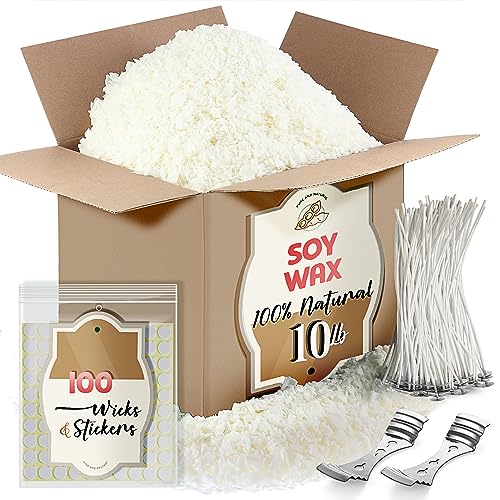
Soy wax, on the other hand, has a higher melting point and burns more slowly. This helps reduce dripping because the wax doesn’t liquefy as quickly or as much. Plus, soy wax is natural and biodegradable, making it a popular choice for people who want cleaner and eco-friendly candles. If you’ve ever noticed a soy candle burning longer and cleaner, that’s the wax type at work.
Additives That Prevent Dripping
Additives play a huge role in stopping wax from dripping. Manufacturers often add stearic acid or vybar to harden the wax and raise its melting point. This means the wax stays solid longer around the flame, preventing those annoying drips.
Other additives like microcrystalline wax make the candle’s surface tougher and less likely to melt unevenly. Sometimes, a small amount of palm wax is mixed in to create a crystalline structure that holds the wax in place better. Have you ever wondered why some candles keep their shape perfectly? It’s often these additives doing their job.
Next time you pick a dripless candle, take a closer look at the wax type and ingredients. Knowing what’s inside can help you choose a candle that fits your needs and keeps your space clean.
Wick Design And Impact
The wick is the heart of any candle, especially dripless ones. Its design directly influences how the candle burns, how much wax melts, and ultimately, whether you experience those annoying wax drips. Understanding wick design helps you pick better candles and even improve your candle-making skills.
Wick Size And Material
The size of the wick determines the flame’s strength. A wick that’s too thick creates a large flame, melting too much wax and causing drips. On the other hand, a wick that’s too thin might struggle to keep the candle lit, leading to uneven burning.
Material matters just as much. Cotton wicks are common, but some dripless candles use wood or braided wicks that burn more steadily. For example, wood wicks produce a cleaner burn with less soot, which helps reduce drips. Have you noticed how some candles barely leave a mess? That’s often due to the wick material inside.
How Wick Affects Burning
The wick draws melted wax up to the flame, which fuels the fire. If the wick burns too hot, it melts wax beyond what the flame can consume, causing drips. Conversely, a wick that burns too cool won’t melt enough wax, leading to tunneling—where the candle burns down the center and leaves wax on the sides.
Choosing the right wick means balancing flame size and wax consumption. Some candle makers test different wick sizes to find the perfect match for their wax type. Next time you light a candle, watch how the flame behaves. Is it steady or flickering wildly? That can tell you a lot about the wick’s role in dripless performance.
Burning Temperature And Effects
Burning temperature plays a vital role in how dripless candles perform. It controls how the wax melts and how the flame behaves. Proper heat ensures a clean burn and minimal dripping. Understanding these effects helps explain why some candles drip less.
Ideal Flame Temperature
The flame of a dripless candle burns at a steady temperature. This temperature is usually around 1000 degrees Celsius (1832 degrees Fahrenheit). At this heat, the wax melts evenly without overheating. If the flame is too hot, wax melts too fast and drips. If it is too cool, the candle may sputter or produce smoke.
A balanced flame temperature keeps the wax liquid just enough to feed the wick. This balance prevents wax from pooling and dripping down the sides. The wick size and wax type influence the flame temperature too.
Heat Distribution In Candle
Heat spreads evenly through the candle’s wax in dripless designs. The wax melts uniformly around the wick. This even heat stops hot spots that cause dripping. Dripless candles often use special wax blends to improve heat flow.
Good heat distribution helps the candle burn slowly and cleanly. It also keeps the outer layers solid enough to hold the shape. This prevents wax from melting off unevenly and dripping.
Manufacturing Techniques
Understanding the manufacturing techniques behind dripless candles reveals why they perform so well. These candles are not just about fancy designs; their secret lies in precise processes that control how the wax behaves as it burns. Let’s look closer at the key steps that make dripless candles stand out.
Layering And Cooling Processes
The layering process is crucial. Candle makers pour wax in thin layers rather than all at once. This careful pouring helps control the wax’s texture and density, which affects how evenly it melts.
Cooling is just as important. If the wax cools too quickly or unevenly, it may crack or drip. Slow, controlled cooling allows the wax to set properly, creating a firm structure that resists dripping when lit.
Have you ever noticed how some candles melt too fast and make a mess? That’s often because their cooling wasn’t managed well during production.
Quality Control Measures
Quality checks happen at multiple stages. Each batch of wax is tested for its melting point and burn rate. This ensures the candle will burn steadily without dripping.
Manufacturers also inspect the wick size and placement carefully. The right wick keeps the flame stable, preventing excess heat that causes dripping.
Do you think every candle on the shelf goes through this kind of testing? Many don’t, which is why some candles perform poorly compared to dripless ones.

Credit: witcharoma.com
Advantages Of Dripless Candles
Dripless candles offer several clear advantages over regular candles. Their design reduces mess and enhances safety. These candles provide a more pleasant and cleaner experience for users. They burn more efficiently, giving you longer-lasting light. The benefits appeal to both everyday users and those who use candles for special occasions.
Cleaner Burning Experience
Dripless candles burn without creating wax drips. This keeps surfaces clean and free of sticky spots. Less wax mess means less time spent cleaning. The candle wax melts evenly and stays within the candle holder. This results in less wasted wax and a neater look. It also helps maintain the candle’s shape for longer use.
Safety Benefits
Dripless candles reduce fire hazards caused by dripping wax. Hot wax can cause burns or damage surfaces. These candles lower the chance of wax spilling onto flammable materials. They are safer to use around children and pets. The steady burn reduces the risk of unexpected flame flare-ups. This makes dripless candles a safer choice for any room.
Common Myths About Dripless Candles
Dripless candles often come with a lot of promises, but not everything you hear about them is true. Many people have misconceptions about how they work and what they can actually do. Let’s clear up some of the common myths so you can make better choices when picking your next candle.
Why All Candles Can’t Be Dripless
It’s tempting to think every candle can be made dripless with the right design. However, not all candles have the right materials or structure to prevent dripping.
Dripless candles usually use a harder wax and a wick designed to burn evenly. But candles made from softer wax or with uneven wicks will naturally drip, no matter what.
Have you noticed cheaper candles often drip more? That’s because manufacturers cut corners on wax quality or wick size. This shows why you can’t expect every candle to be dripless just because it’s labeled that way.
Misconceptions On Candle Lifespan
Many believe dripless candles burn longer than regular ones. While some dripless candles do last longer, it’s not a guaranteed rule.
The burning time depends on factors like candle size, wax type, and wick quality. A dripless candle with a small wick might burn slower, but a larger wick or softer wax could shorten its life.
Think about your own experience: have you ever had a dripless candle that burned out quickly? That’s common and shows lifespan varies more than you might expect.
Tips To Maximize Dripless Candle Performance
Maximizing the performance of your dripless candles means enjoying a clean, long-lasting burn every time. Small habits can make a big difference in how well your candle performs. Are you ready to get the most out of your candles?
Proper Candle Care
Start by trimming your wick before each burn. Keeping the wick around ¼ inch helps the candle burn evenly and prevents excess smoke or soot.
Store your candles away from direct sunlight and extreme temperatures. Heat can cause the wax to soften or melt, ruining that smooth dripless effect you want.
Make sure your candle is placed on a stable, heat-resistant surface. It keeps the candle safe and helps maintain an even burn.
Best Practices For Burning
Allow your candle to burn long enough for the wax to melt across the entire surface. This prevents tunneling and keeps the wax pool even.
Do you notice uneven burning or excess wax buildup? Extinguish the candle, trim the wick again, and relight it to maintain consistent performance.
Avoid burning the candle for more than 4 hours at a time. This helps prevent overheating and extends the candle’s life.
Lastly, keep your candle away from drafts. Air movement can cause flickering, uneven burning, and even dripping, which defeats the purpose of a dripless candle.

Credit: www.amazon.com
Frequently Asked Questions
What Makes Dripless Candles Different From Regular Candles?
Dripless candles use specially formulated wax and wicks that burn evenly. This prevents wax from melting too fast and dripping down the sides. Their design minimizes mess and enhances safety while providing a clean, consistent flame.
How Do Dripless Candles Prevent Wax From Dripping?
These candles have a slower melting point wax. The wick is designed to burn the wax completely, reducing excess liquid wax. This combination controls the melting process, preventing wax from dripping and creating a clean burn.
Are Dripless Candles Safer To Use Indoors?
Yes, dripless candles are safer indoors. They reduce the risk of hot wax spills that can cause burns or damage surfaces. Their controlled burn helps maintain a steady flame, lowering fire hazards compared to regular candles.
Can Dripless Candles Burn Longer Than Normal Candles?
Dripless candles often burn longer due to their controlled wax melting. The slow, even burn reduces waste, allowing the candle to last longer. This makes them cost-effective and ideal for extended use.
Conclusion
Dripless candles use special wax and wicks to avoid mess. They burn cleanly and keep your space tidy. These candles offer a safer and more pleasant experience. You can enjoy their light without worrying about wax dripping. Choosing dripless candles means less cleanup after use.
Their design helps maintain a steady flame and less smoke. Now, you know how these candles work and why they are popular. Try them for a simple, neat candle experience.

Home Improvement Expert & Senior Writer at HomeFixio
Reed Atwood is a seasoned home improvement expert with a passion for transforming everyday living spaces into functional and stylish havens. With years of experience in DIY projects, renovations, and home upgrades, Reed brings a wealth of knowledge to HomeFixio. As a senior writer, he provides readers with practical, easy-to-follow guides, expert tips, and innovative solutions for every room in the house. His goal is to empower homeowners to tackle their projects with confidence, ensuring both quality results and a rewarding experience.