How Should Refrigerant Blends Be Charged: Expert Tips
Picture this: You’re standing in front of your air conditioning unit or refrigerator, ready to ensure it’s running smoothly. You know that one of the critical components is the refrigerant blend, but there’s a catch.
Charging these blends isn’t as straightforward as it seems. If you’ve ever found yourself scratching your head over this process, you’re not alone. Understanding how to properly charge refrigerant blends is crucial, not just for the efficiency of your system, but also for its longevity and your peace of mind.
Imagine the satisfaction of knowing your appliance is optimized for performance and energy savings. This article will guide you through the essential steps and tips you need to charge refrigerant blends correctly. By the end, you’ll have the confidence to tackle this task with ease, ensuring your systems are in top shape. Ready to dive in and master this skill? Let’s get started!

Credit: www.achrnews.com
Understanding Refrigerant Blends
Refrigerant blends are vital for efficient cooling systems. Understanding them ensures optimal performance and safety. These blends combine different refrigerants to achieve specific properties. Each blend has unique characteristics, making it essential to understand its composition and behavior. Proper knowledge helps in selecting the right blend for your cooling needs.
Refrigerant blends consist of two or more refrigerants mixed together. Each component in the blend contributes to its efficiency and stability. The combination aims to enhance cooling while reducing environmental impact. Knowing the specific properties of each blend is crucial for effective use.
Some blends are designed for low temperatures, while others suit high-pressure systems. Selecting the appropriate blend requires awareness of system requirements. This knowledge ensures that the blend performs well under varying conditions.
Importance Of Composition
The composition of refrigerant blends affects their boiling points and pressure levels. Understanding these factors helps in predicting how the blend will behave in different environments. The right composition ensures efficient heat transfer and minimizes energy consumption.
Each refrigerant in the blend serves a purpose, like enhancing stability or reducing flammability. Proper composition leads to optimal cooling without compromising safety. It’s important to check compatibility with existing systems before charging with a new blend.
Environmental Considerations
Refrigerant blends are designed with environmental impact in mind. Many blends aim to reduce ozone depletion and global warming potential. Choosing eco-friendly blends can significantly lower the carbon footprint of cooling systems.
The impact on the environment is a crucial factor in blend selection. Look for blends that comply with regulations and standards. This ensures sustainability and long-term viability of your cooling systems.
Safety Measures
Safety is paramount when handling refrigerant blends. Proper charging techniques prevent leaks and ensure system integrity. Follow guidelines to avoid exposure to harmful chemicals. Protective equipment and training are essential for safe handling.
Understanding the safety measures helps in preventing accidents. Ensure that the blend used matches the system’s specifications. This minimizes risks and maximizes efficiency.

Credit: www.achrnews.com
Types Of Refrigerant Blends
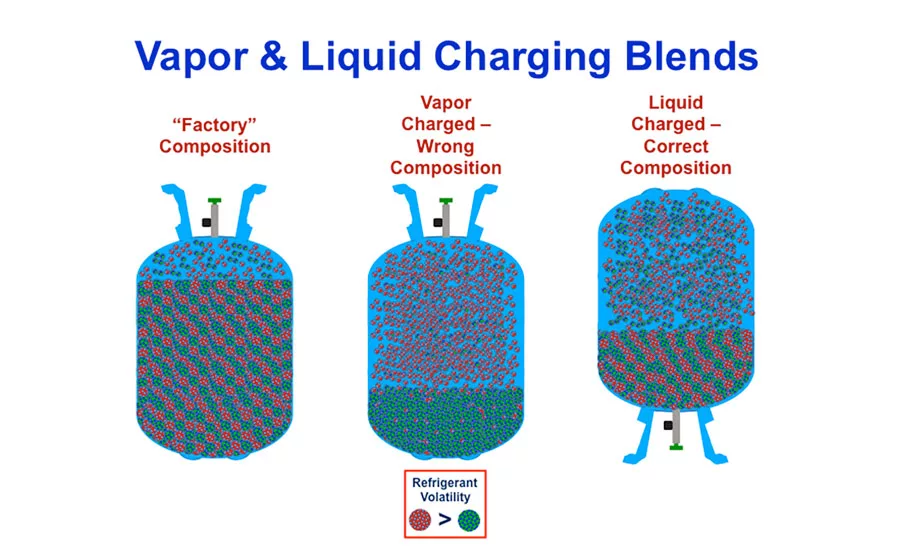
Refrigerant blends require careful charging to ensure proper cooling. Always charge these blends as a liquid to maintain their composition. This method helps avoid fractionation and ensures efficient system performance.
Refrigerant blends are crucial to the efficient functioning of HVAC systems, but understanding their types can often seem daunting. With different blends serving varied purposes, knowing which one to use can save time and improve efficiency. Let’s break down the types of refrigerant blends to make this clearer.Zeotropic Blends
Zeotropic blends consist of refrigerants with different boiling points, meaning they change composition during phase changes. This characteristic can lead to a phenomenon called temperature glide. Temperature glide occurs when the refrigerant’s temperature changes during evaporation or condensation, affecting system performance. Imagine trying to maintain a constant room temperature while your air conditioner struggles with varying refrigerant temperatures. This is why precise charging is essential with zeotropic blends. Ensuring the correct mixture can optimize your system’s efficiency and prevent unnecessary wear.Azeotropic Blends
Azeotropic blends act like a single substance, maintaining a consistent boiling point during phase changes. This stability makes them easier to manage compared to zeotropic blends. They do not experience temperature glide, which simplifies the charging process. Think of azeotropic blends as a reliable partner—consistent and predictable. When using these blends, you can focus more on other aspects of your HVAC system without constantly adjusting for temperature changes. This can lead to a more straightforward maintenance routine and potentially extend the life of your system. By understanding the differences between these blends, you can make more informed decisions for your HVAC systems. Have you ever had to adjust your system due to temperature glide, or have you experienced the ease of using an azeotropic blend? Understanding these nuances can make all the difference in optimizing your cooling solutions.Importance Of Proper Charging
Proper charging of refrigerant blends ensures efficient cooling and prolongs equipment life. Correct ratios prevent system failures and reduce energy consumption.
Properly charging refrigerant blends is crucial for maintaining the functionality and longevity of your HVAC system. Ensuring the right amount of refrigerant not only enhances system performance but also prevents potential damage. This attention to detail can save you from costly repairs and energy inefficiencies.Efficiency And Performance
Imagine your HVAC system as a finely-tuned orchestra. Each component needs to work in harmony for the best performance. Incorrect refrigerant levels disrupt this balance, causing the system to either overwork or underperform. An overcharged system can lead to higher energy consumption. Conversely, undercharging can cause the system to struggle to reach desired temperatures. Both scenarios result in increased operational costs and wear and tear. Regular checks and precise charging ensure your system runs at peak efficiency. This means lower energy bills and a more comfortable living environment.Environmental Considerations
Proper charging of refrigerant blends isn’t just about efficiency. It’s also about protecting our planet. Refrigerants, if mishandled, can contribute significantly to global warming. Think about the impact of a simple mistake. Overcharging can cause leaks, releasing harmful gases into the atmosphere. This not only affects the environment but can also pose health risks. By ensuring accurate charging, you contribute to reducing emissions. It’s a small step with a big impact, making a difference for future generations. Have you ever considered the environmental footprint of your HVAC system? Proper charging is a practical step towards sustainability.Tools And Equipment Needed
Charging refrigerant blends requires precision and the right tools. Proper equipment ensures efficiency and accuracy in the process. Using the correct tools protects the system and helps maintain optimal performance. Let’s explore the essential tools and equipment needed for charging refrigerant blends.
Gauges And Scales
Gauges measure the pressure in the refrigerant system. They help detect leaks and ensure the system is operating correctly. Accurate readings are crucial for maintaining system efficiency. Scales are used to measure the refrigerant weight. This ensures the right amount is charged into the system. Digital scales provide precise measurements and are easy to use.
Refrigerant Identifier
A refrigerant identifier checks the type of refrigerant in the system. It prevents mixing incompatible refrigerants, which can damage the system. Identifiers ensure the correct refrigerant blend is used. They are important for maintaining system integrity. Using a refrigerant identifier helps avoid costly repairs.
Charging Techniques For Blends
Charging refrigerant blends requires specific techniques to ensure efficiency. Proper charging techniques ensure the system works well. It also prevents damage and ensures the longevity of the system. Understanding the methods of charging is crucial for optimal performance.
Liquid Charging
Liquid charging is the most common method for blends. It involves adding refrigerant in liquid form. This ensures accurate distribution of the blend components. Connect the cylinder to the system using a charging hose. Ensure the cylinder is upright for proper flow. Open the valve slowly to avoid flooding the compressor. Monitor system pressures closely during the process. This helps in maintaining the balance of refrigerant in the system.
Vapor Charging
Vapor charging is suitable for smaller systems or adjustments. It involves adding refrigerant in vapor form. Connect the cylinder to the low-pressure side of the system. Position the cylinder upside down to release vapor. Open the valve gradually to control the flow. Check system pressures to ensure stability. Vapor charging is precise but takes longer. It’s ideal for topping off systems or minor adjustments.
Common Mistakes To Avoid
Charging refrigerant blends in HVAC systems can be tricky, and avoiding common mistakes is crucial for optimal performance. Mistakes can lead to inefficiencies, increased costs, and potential damage to your system. Let’s dive into some pitfalls you should steer clear of while charging refrigerant blends.
Overcharging Risks
Overcharging your system is one of the most frequent errors. It’s tempting to think that adding extra refrigerant might improve performance, but it can actually cause severe harm. Overcharged systems often lead to increased pressure, which can strain components and lead to leaks or even system failure.
Consider a time when a technician added more refrigerant hoping to boost cooling during a heatwave. Instead, the system began to make strange noises and eventually shut down, needing costly repairs. Always follow manufacturer guidelines on the correct amount to charge.
Incorrect Blend Proportions
Using incorrect proportions of refrigerant blends can severely impact system efficiency. Each blend is specifically formulated to work under certain conditions, and any deviation can cause performance issues. Incorrect ratios can lead to improper boiling points and reduced cooling capacity.
Imagine preparing a recipe with the wrong ingredient ratios; the dish wouldn’t taste right. Similarly, with refrigerant blends, precision is key. Ensure you use the exact proportions recommended for your specific system to avoid these issues.
Have you ever faced a situation where you thought you were following instructions, yet something went wrong? Share your experiences below and let’s learn from each other to keep our systems running smoothly.
Safety Precautions
Charging refrigerant blends requires careful attention to safety. Use proper protective gear to avoid exposure. Always follow manufacturer guidelines and ensure equipment is compatible with the refrigerant type.
Refrigerant blends play a vital role in various cooling systems. Handling them requires strict attention to safety. Proper precautions ensure the safety of both the user and the environment. Understanding and implementing these measures is crucial for efficient and safe refrigerant charging.Handling And Storage
Store refrigerants in a cool, dry place. Keep them away from direct sunlight. Ensure cylinders are upright and secured. Avoid storing near heat sources. Check for leaks regularly. Use appropriate tools for handling. Never mix different refrigerant types in storage.Personal Protective Equipment
Wear goggles to protect your eyes. Use gloves to shield your skin. A safety mask is essential to prevent inhalation. Ensure your clothing covers exposed skin. Steel-toed boots offer foot protection. Have a fire extinguisher nearby in case of emergencies. Always keep first aid kits accessible.
Credit: www.achrnews.com
Expert Tips For Optimal Results
Achieving the best results when charging refrigerant blends requires attention to detail and expert guidance. You might think it’s as simple as adding refrigerant, but there are nuances that can make a significant difference in performance. This section offers expert tips that can help you maximize efficiency and longevity of your HVAC system.
Monitoring Pressure Levels
Keeping a close eye on pressure levels is crucial for optimal performance. Are you aware of the specific pressure requirements for your blend? Each refrigerant blend has its own ideal pressure range, which can significantly affect efficiency. Use a reliable gauge and check the readings regularly to ensure they fall within the recommended range. This prevents system strain and potential breakdowns.
Regular Maintenance Checks
It’s easy to overlook regular maintenance, but these checks can save you from costly repairs. Do you follow a consistent maintenance schedule? Regular inspections help identify leaks and other issues before they escalate. Clean filters and coils, and inspect connections for wear and tear. Proactive maintenance not only extends the life of your system but also maintains its efficiency.
Frequently Asked Questions
How Should Refrigerant Blends Be Charged Into A System?
Charge refrigerant blends as a liquid to ensure consistency. Use a charging cylinder or scale for accuracy. Avoid charging vapor to prevent fractionation. Follow manufacturer guidelines closely. This ensures the system runs efficiently and safely, preventing damage and maintaining performance.
What Should Blended Refrigerants Be Charged As?
Blended refrigerants should be charged as a liquid to ensure proper composition and function. Charging as vapor can alter the blend ratio, leading to inefficient cooling and potential system damage. Always refer to manufacturer guidelines for specific charging instructions.
How Should Refrigerant Blends Be Charged In Quizlet?
Charge refrigerant blends as liquids to ensure accurate composition. Use proper equipment to avoid fractionation and ensure system efficiency. Follow manufacturer guidelines and safety precautions for optimal results. Proper handling maintains blend integrity and system performance.
What Is The Proper Method Of Charging A Blended Refrigerant Is In The Vapor Phase Liquid Phase Closed Position Open Position?
Charge blended refrigerants in the liquid phase to ensure proper composition and efficiency. Use appropriate equipment and follow manufacturer guidelines. Always monitor pressures and temperatures for safety and system integrity.
Conclusion
Charging refrigerant blends requires careful attention. Proper charging ensures system efficiency and longevity. Use the right tools for accuracy. Follow manufacturer guidelines closely. Avoid overcharging or undercharging. Both can harm system performance. Measure pressures and temperatures regularly. It helps maintain optimal operation.
Remember, safety is crucial. Wear protective gear when handling refrigerants. Educate yourself about different refrigerant types. Each has unique characteristics and requirements. Seek professional help if unsure. Proper charging benefits both the system and the environment. Keep learning to handle refrigerants responsibly.
Your system will thank you with reliable performance.

Home Improvement Expert & Senior Writer at HomeFixio
Eliot Granger is a seasoned home improvement expert with years of experience transforming living spaces. Specializing in everything from kitchen renovations to bathroom upgrades, Eliot shares his knowledge through practical, insightful articles. His passion for creating functional, beautiful homes drives him to offer expert tips and solutions for every corner of your house. As a trusted writer for HomeFixio, Eliot is dedicated to helping homeowners make informed decisions and achieve precision in their projects.