How to Calculate Blended Tax Rate: Expert Guide
Are you feeling overwhelmed by the complex world of taxes? You’re not alone.
Understanding how to calculate your blended tax rate can seem daunting, but it doesn’t have to be. Imagine being confident when you file your taxes, knowing that you’re maximizing your savings and minimizing stress. This article is your guide to unraveling the mystery of blended tax rates, providing you with clear, step-by-step instructions to ensure you’re in control of your financial future.
By the end, you’ll not only know how to calculate your blended tax rate but also feel empowered to make informed decisions. Let’s dive in and simplify the process together.
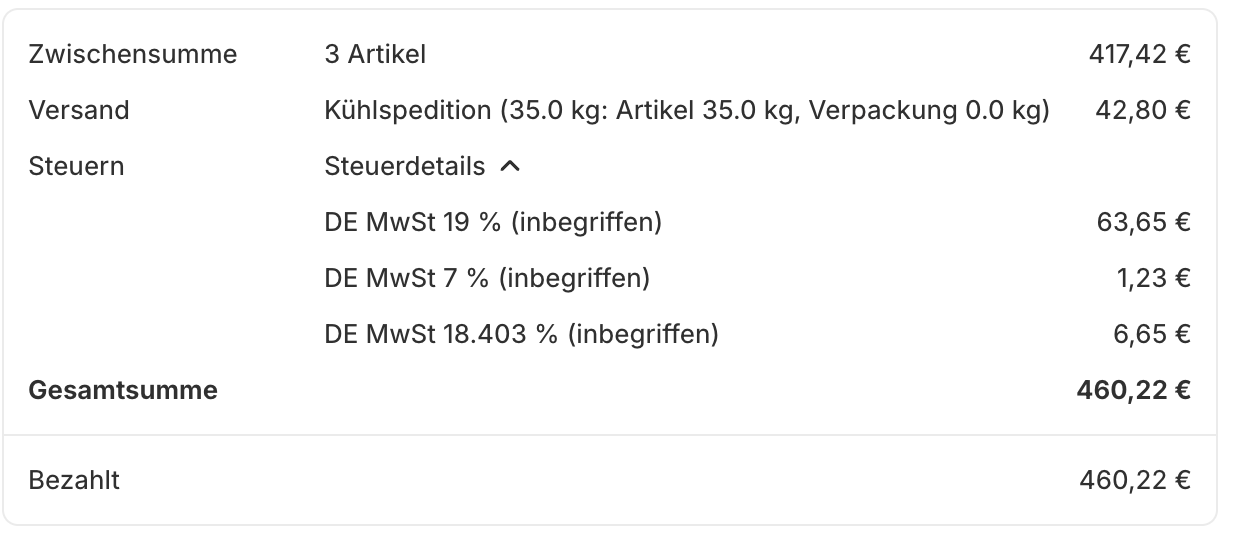
Credit: community.shopify.com
Blended Tax Rate Concept
The blended tax rate is a crucial concept for tax calculations. It represents the average tax rate paid across different income sources. Understanding this rate helps in accurate financial planning. This concept is essential for both individuals and businesses.
Understanding Blended Tax Rate
The blended tax rate combines different tax rates into one average rate. Taxes vary based on income types and sources. Some income may be taxed at higher rates. Others might have lower rates. The blended rate simplifies these variations.
Components Of A Blended Tax Rate
Multiple factors influence the blended tax rate. These include federal, state, and local taxes. Also, deductions and credits can affect the rate. Each component contributes to the final average rate.
Importance Of The Blended Tax Rate
Knowing your blended tax rate is vital for budgeting. It aids in predicting tax liabilities. Businesses use it to forecast financial outcomes. Individuals find it useful for personal finance planning.
Calculating The Blended Tax Rate
Calculating this rate involves a few steps. Start by identifying all income sources. List down applicable tax rates for each. Consider deductions and credits available. Sum the taxes paid and divide by total income. This gives the blended tax rate.
Difference Between Marginal And Blended Rates
Calculating the blended tax rate involves averaging different tax rates applied to various portions of income. Marginal rates apply to income within specific brackets, while blended rates offer a combined average. This method helps in understanding overall tax obligations more clearly.
Calculating taxes can be confusing. Two key concepts are marginal and blended tax rates. Understanding their differences helps manage your finances better.What Is A Marginal Tax Rate?
The marginal tax rate applies to your last dollar of income. It represents the percentage taken as your income increases. Each income bracket has its own rate. Higher income moves you into higher tax brackets. Your marginal rate affects future earnings and financial decisions.Understanding Blended Tax Rate
The blended tax rate is the average rate you pay across all income. It considers different tax brackets. It’s calculated by dividing total tax by total income. This rate gives a clearer picture of overall tax burden. It’s often lower than the marginal rate.Why Marginal And Blended Rates Matter
Knowing both rates aids financial planning. Marginal rates affect additional income decisions. Blended rates show overall tax efficiency. Both rates help in evaluating tax-saving strategies.Examples To Illustrate The Difference
Imagine earning $60,000 annually. Your marginal rate might be 22%. This rate applies to income over a certain threshold. Meanwhile, your blended rate could be 15%. This reflects an average across various brackets. Both rates provide insights into tax obligations.Steps To Calculate Blended Tax Rate
To calculate the blended tax rate, first identify all income tax rates applicable to your earnings. Next, determine the proportion of income taxed at each rate. Lastly, multiply each rate by its corresponding income proportion and sum these products for the final blended rate.
Calculating the blended tax rate involves breaking down various steps. This guide simplifies the process, making it easy to follow. Knowing your blended tax rate helps manage finances better. Follow these steps to calculate it accurately.List Your Income Sources
Begin by noting all income sources. Include salary, dividends, and rental income. Make sure nothing is left out. This ensures accuracy in calculations. Gather all necessary financial documents. This helps in keeping track.Identify Applicable Tax Brackets
Understand the tax brackets for each income type. Different incomes might fall into varied tax brackets. Research the current tax rates. Check official tax websites for updates. Knowing this is crucial for precise calculations.Calculate Tax For Each Income Source
Calculate tax for each source individually. Use the appropriate tax rate for each. Multiply the income by the tax rate. This gives the tax amount for each income. Keep these calculations organized.Sum Up Total Taxes Paid
Add all calculated taxes together. This shows the total tax paid for all incomes. Ensure every tax amount is included. Double-check your calculations for errors. This step finalizes your tax payment total.Compute Overall Income
Sum up all income sources. This provides the overall total income. Include every income source noted earlier. Accuracy is key in this calculation. Verify all income is correctly added.Determine The Blended Rate
Divide total taxes by overall income. This gives the blended tax rate. Multiply the result by 100 for percentage form. This shows the average tax rate on all income. Keep this result for financial planning.Tools For Simplifying Calculations
Calculating the blended tax rate involves combining different tax rates into one. Identify all applicable tax rates. Then, multiply each rate by its respective income portion. Finally, add these results and divide by total income to find the blended tax rate.
This method provides a clear view of overall tax liability.
Calculating your blended tax rate can feel overwhelming, especially with the various tax rates and brackets to consider. Thankfully, there are tools designed to simplify this complex process, making it more manageable and less time-consuming. These tools can transform what might feel like a daunting task into a straightforward calculation. Using the right tools can save you time and help you avoid costly mistakes. Wouldn’t it be great to focus less on the math and more on understanding your financial picture?Online Calculators
Online calculators are a fantastic resource for those who prefer a quick and easy solution. Many websites offer free calculators that require you to input your income and tax details, and they handle the rest. These calculators often update with the latest tax codes, ensuring accuracy in your results. Personal experience has shown that using online calculators can be a huge time-saver. They provide instant results, allowing you to focus on planning rather than number crunching.Tax Software
Tax software is another excellent tool for calculating your blended tax rate. Unlike online calculators, these programs offer more comprehensive features, such as tax planning and tracking. Most tax software guides you step-by-step through the process, which is especially helpful if taxes aren’t your strong suit. With tax software, you can also save your data and revisit it as needed, making it a reliable choice for both current and future tax planning. Have you ever considered how much more confident you’d feel with your finances if you had a clear, organized record of your tax information? These tools can truly change the way you approach tax season. With such powerful resources at your disposal, calculating your blended tax rate no longer has to be a chore.Common Mistakes And How To Avoid Them
Calculating the blended tax rate often confuses many. Mistakes happen when people mix tax rates incorrectly. To avoid errors, divide total tax by total income. This gives a clear, simple percentage.
Calculating your blended tax rate can be a daunting task, but understanding common mistakes and how to avoid them can make the process smoother. Avoiding these pitfalls not only saves time but also ensures you pay the right amount of tax, maximizing your financial health. Let’s dive into some frequent missteps and learn how you can steer clear of them.Ignoring Deductions
Many taxpayers overlook potential deductions that could significantly lower their tax liabilities. Deductions like charitable donations, mortgage interest, and medical expenses can make a substantial difference. It’s crucial to review the IRS guidelines or consult a tax professional to understand what qualifies for deductions. Failing to account for these deductions might lead you to pay more taxes than necessary. Consider using tax software that flags common deductions to ensure none are missed. Wouldn’t you prefer to keep more of your hard-earned money? Take the time to gather all necessary documentation and explore all possible deductions.Misclassifying Income
Misclassifying income is another common error that can lead to inaccurate tax calculations. Different types of income, such as dividends, self-employment earnings, and rental income, are taxed differently. Incorrect classification can result in either overpayment or underpayment of taxes, which may lead to penalties. Always double-check the categories your income falls into, and if you’re unsure, consult a tax advisor. Imagine the peace of mind knowing your income is correctly classified and taxed appropriately. Accurate classification can prevent future headaches with the IRS. As you navigate through these common mistakes, remember that a little attention to detail can go a long way in ensuring you pay exactly what you owe.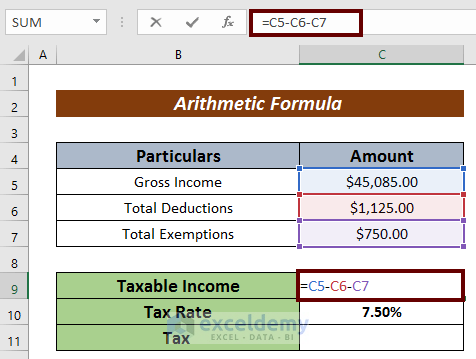
Credit: www.exceldemy.com
Benefits Of Knowing Your Blended Tax Rate
Understanding your blended tax rate helps manage finances effectively. Calculate it by averaging tax rates across income brackets. This insight aids in better budgeting and financial planning.
Understanding your blended tax rate brings many advantages. It helps in organizing your finances better. You gain insights into how much tax you pay on average. Knowing this rate makes planning easier. It gives clarity on how taxes impact your income. You can make informed decisions with this knowledge. Let’s explore how this rate aids in financial planning and budgeting.Financial Planning
Knowing your blended tax rate aids in setting financial goals. You can estimate your after-tax income more accurately. This helps in allocating funds for savings and investments. Predicting tax impacts on different income streams becomes simpler. It provides a clearer picture of your financial situation. You can plan for future expenses without surprises.Budgeting Strategies
Your blended tax rate is crucial in crafting effective budgets. It allows you to anticipate tax deductions on your income. This makes budgeting for monthly expenses more precise. You can allocate funds for essential needs confidently. Planning for discretionary spending becomes easier. You avoid overspending due to tax miscalculations. Understanding this rate ensures better control over your finances.Consulting A Tax Professional
Understanding the blended tax rate can be challenging. It involves calculating taxes across various income streams. Consulting a tax professional simplifies this process significantly. These experts have deep knowledge of tax laws and regulations. They can provide valuable insights tailored to your unique financial situation. With their help, you can ensure accuracy in your tax calculations. This reduces the risk of costly errors and penalties. Engaging a tax professional also saves time and effort. They handle complex computations, allowing you to focus on other priorities.
Benefits Of Professional Expertise
Tax professionals offer expertise in tax laws and regulations. Their knowledge ensures accurate and compliant tax calculations. They stay updated on changes in tax codes. This expertise helps in maximizing tax savings. Professionals tailor advice to your specific financial situation. They identify deductions and credits you might overlook. This personalized approach enhances your financial strategy.
Access To Advanced Tools And Resources
Tax professionals have access to advanced tools. These tools streamline the tax calculation process. They use software that simplifies complex computations. This ensures precision in determining your blended tax rate. Professionals also access databases for updated tax information. These resources help in making informed decisions. This access enhances the quality of the tax advice you receive.
Peace Of Mind
Consulting a tax professional offers peace of mind. You can be confident in the accuracy of your tax calculations. They reduce the risk of errors and penalties. Professionals handle the intricacies of tax filing. This allows you to focus on other aspects of your business or life. Knowing your taxes are handled by experts reduces stress.
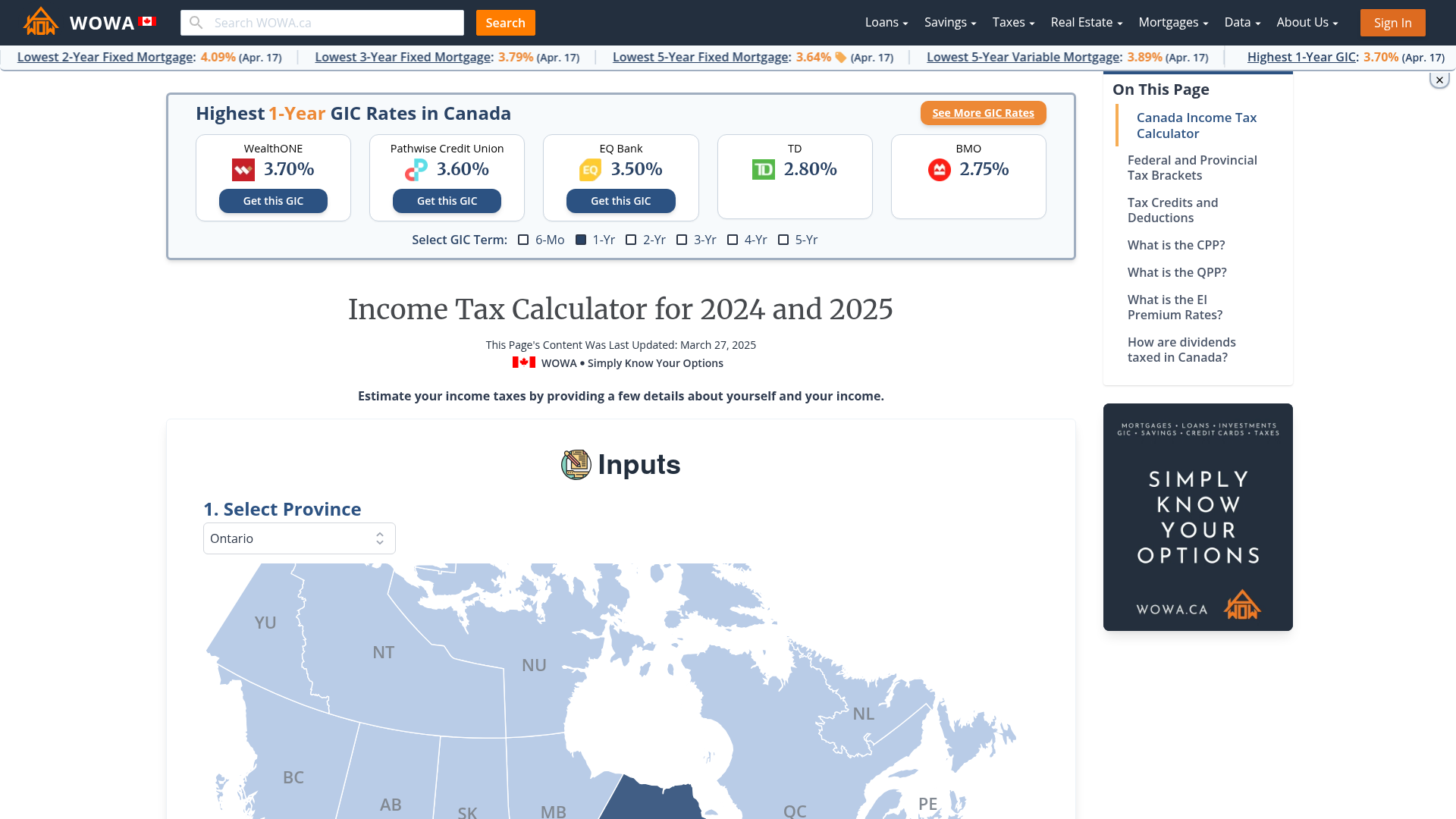
Credit: wowa.ca
Frequently Asked Questions
Why Is My Blended Tax Rate 37%?
A 37% blended tax rate occurs when your income spans multiple tax brackets. It combines rates from each bracket applicable to your income. This results in a blended rate that reflects the total taxes owed. Evaluate your income distribution to understand why this rate applies.
How To Calculate A Blended State Rate?
To calculate a blended state rate, multiply each state’s tax rate by its income proportion. Sum these results for the overall rate. Ensure accurate data for precise calculations. This method helps businesses manage tax liabilities across multiple states effectively.
How To Calculate A Blended Interest Rate?
To calculate a blended interest rate, multiply each loan’s interest rate by its balance. Add these results. Divide the total by the sum of all loan balances. The result is the blended interest rate. This method combines multiple loans into a single interest rate for easier comparison.
How To Calculate A Blended Labour Rate?
To calculate a blended labor rate, sum all employee salaries and divide by total hours worked. Include benefits and taxes for accuracy. This provides a comprehensive hourly rate that reflects overall labor costs.
Conclusion
Understanding the blended tax rate simplifies financial planning. It helps manage taxes efficiently. Calculating it involves basic math and knowing tax brackets. This rate shows the average tax paid across all income levels. Knowing this can aid in budgeting and avoiding surprises.
It’s essential for making informed financial choices. Practice using real numbers to see the benefits. Keep your finances organized with this knowledge. Stay proactive with tax management. The blended tax rate is a useful tool for anyone managing personal or business finances.

Home Improvement Expert & Senior Writer at HomeFixio
Eliot Granger is a seasoned home improvement expert with years of experience transforming living spaces. Specializing in everything from kitchen renovations to bathroom upgrades, Eliot shares his knowledge through practical, insightful articles. His passion for creating functional, beautiful homes drives him to offer expert tips and solutions for every corner of your house. As a trusted writer for HomeFixio, Eliot is dedicated to helping homeowners make informed decisions and achieve precision in their projects.